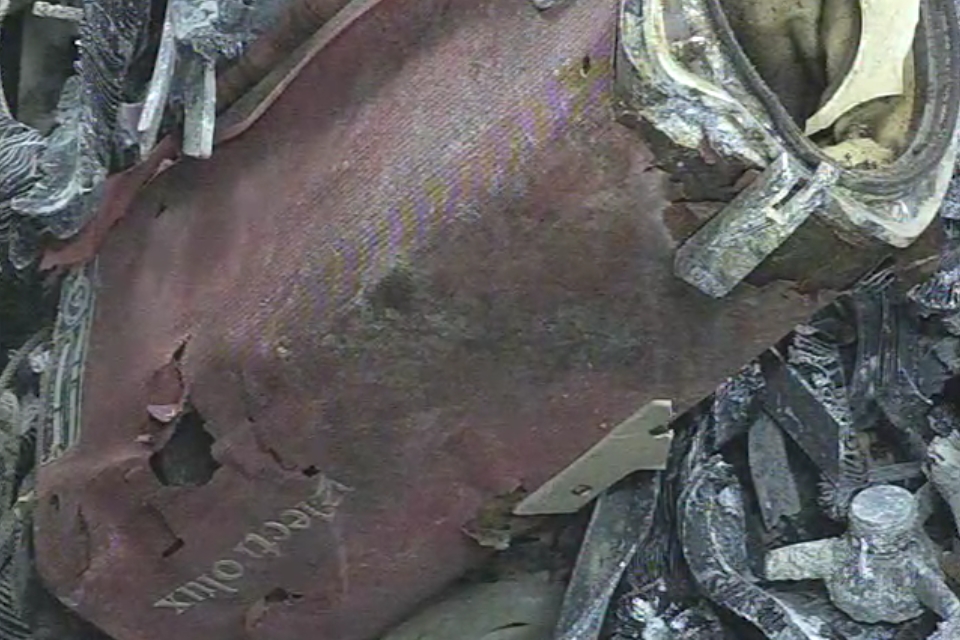
A 1960s Electrolux vacuum cleaner was discovered in Sellafield’s Pile Fuel Cladding Silo. (Photo: Sellafield Ltd.)
A 1960s Electrolux vacuum cleaner was among the more unusual items workers removed from one of the world’s oldest nuclear waste stores at the United Kingdom’s Sellafield nuclear site.
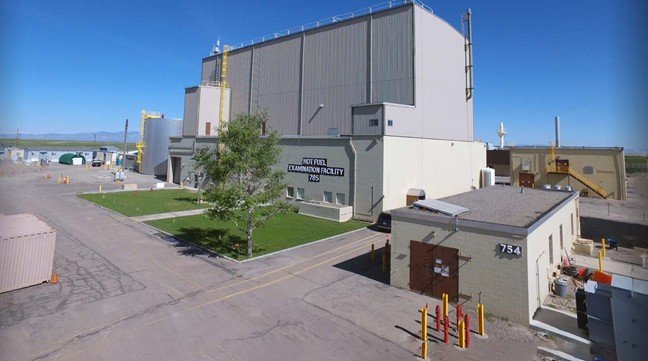
INL’s Hot Fuel Examination Facility. (Photo: INL)
An agreement signed by the state of Idaho and the U.S. Department of Energy will open the way for a single cask of high-burnup spent nuclear fuel to be shipped from Dominion Energy’s North Anna nuclear power plant in Virgina to Idaho National Laboratory for research purposes.
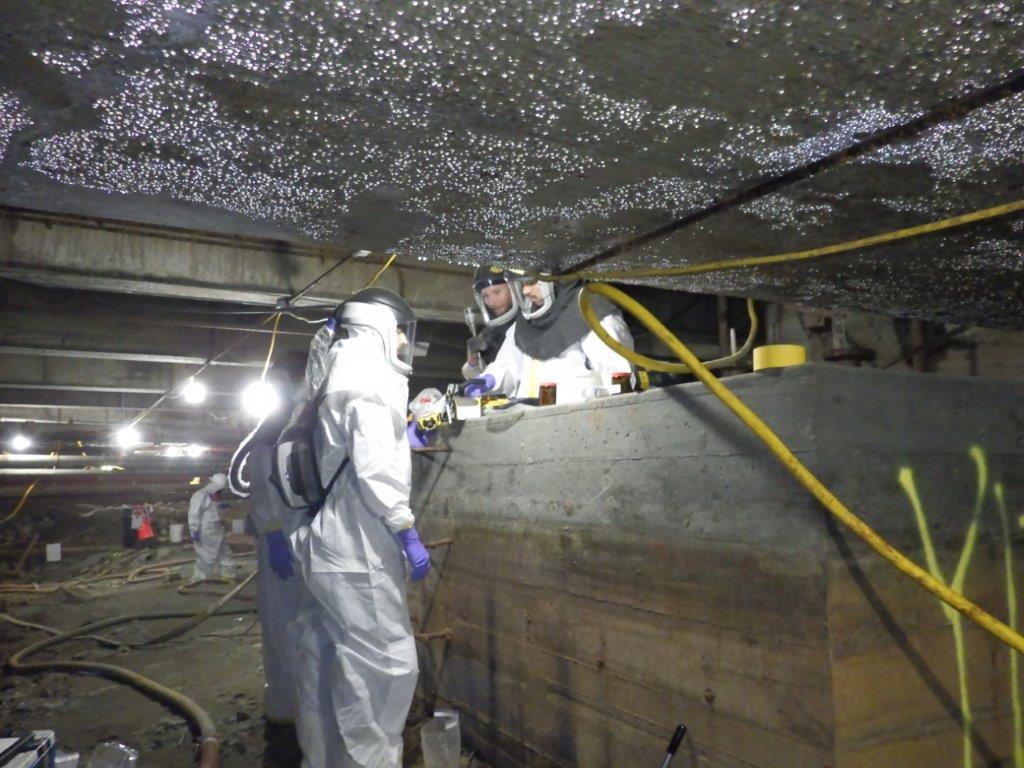
Workers with UCOR perform sampling and deactivation tasks in the basement of Beta-1 at the Y-12 National Security Complex at Oak Ridge. (Photo: DOE)
The Department of Energy’s Office of Environmental Management said that crews with the Oak Ridge Office of Environmental Management (OREM) and its cleanup contractor UCOR are preparing to demolish another deteriorating Manhattan Project–era building at the Y-12 National Security Complex at Oak Ridge, Tenn.
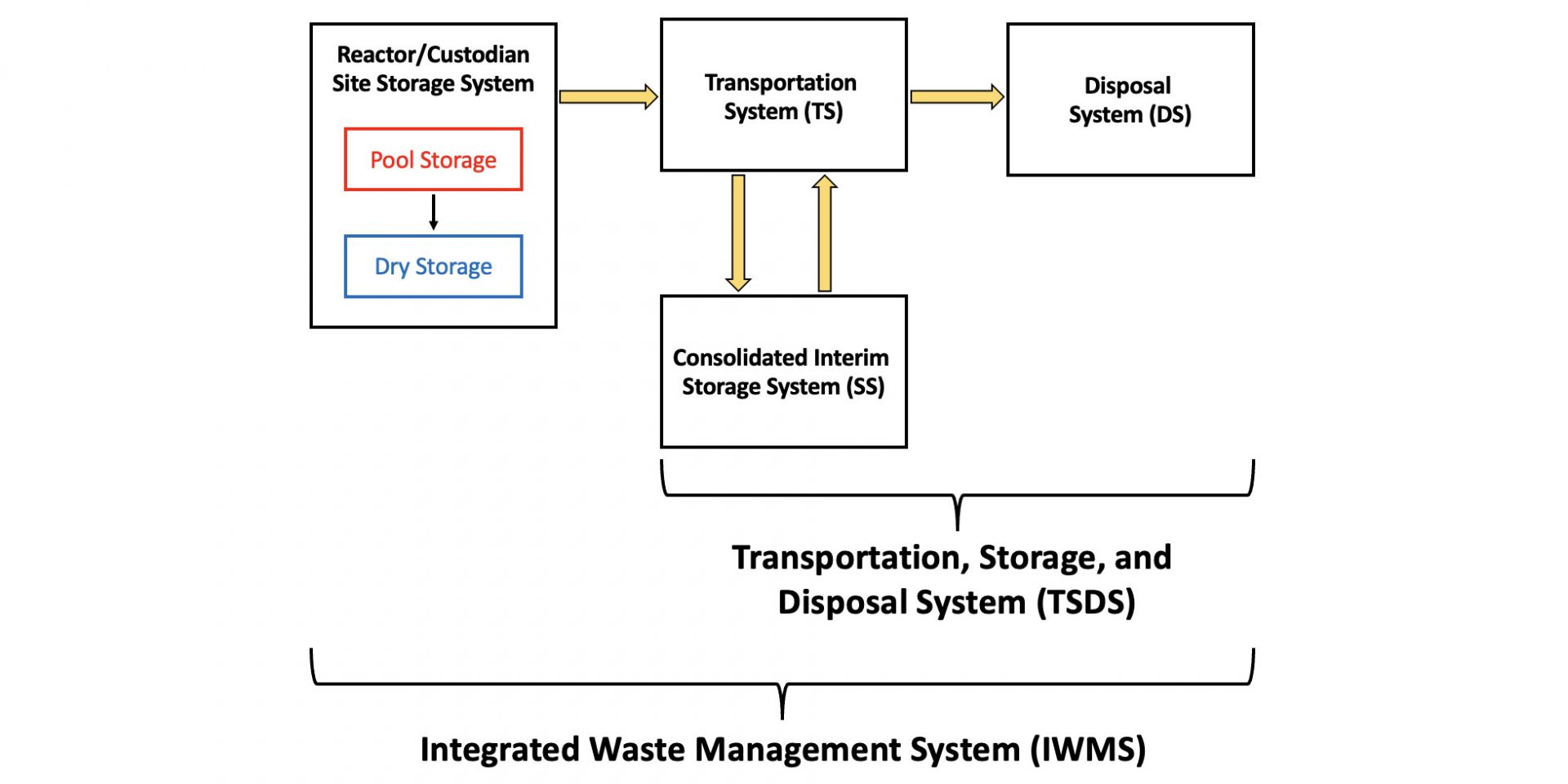
Fig. 1. The systems that make up the IWMS and their interdependencies.
Nuclear energy produces about 9 percent of the world’s electricity and 19 percent of the electricity in the United States, which has 94 operating commercial nuclear reactors with a capacity of just under 97 gigawatts-electric. Each reactor replaces a portion of its nuclear fuel every 18 to 24 months. Once removed from the reactor, this spent (or used) nuclear fuel (SNF or UNF) is stored in a spent fuel pool (SFP) for a few years then transferred to dry storage.
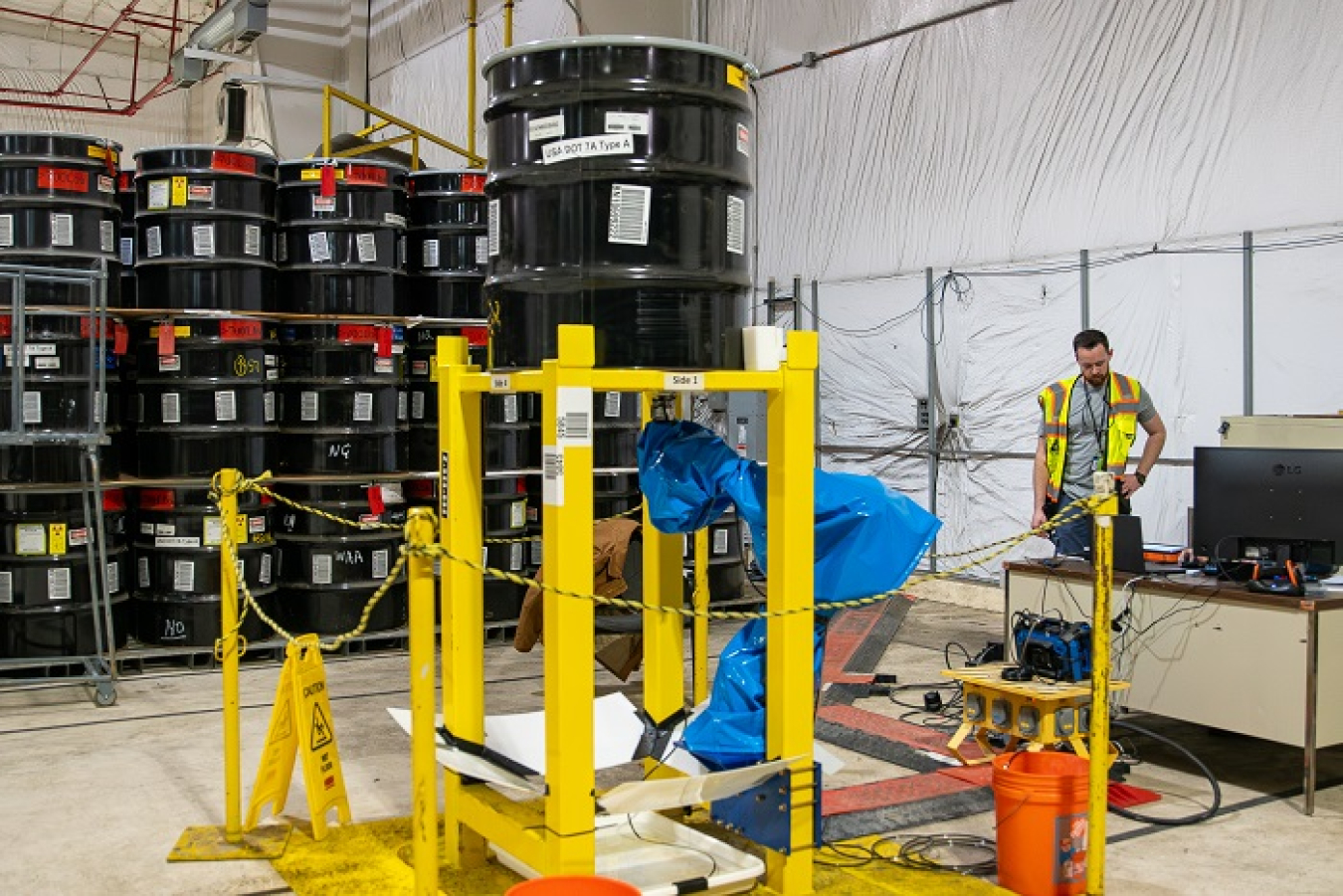
An ICP worker supervises an evaluation of ultrasonic testing technology recently at the INL Site’s Advanced Mixed Waste Treatment Project. (Photo: DOE)
New ultrasonic testing equipment being used by the Department of Energy’s Idaho Cleanup Project (ICP) to confirm the integrity of thousands of legacy waste drums is saving taxpayers tens of millions of dollars, the DOE’s Office of Environmental Management announced.
The technology allows ICP personnel to inspect the thickness transuranic waste drums held in storage at the DOE’s Idaho National Laboratory Site, ensuring they meet Department of Transportation minimum thickness requirements to be shipped for disposal at the Waste Isolation Pilot Plant in New Mexico. According to DOE-EM, if drums meet the DOT thickness requirements, they can be loaded directly into shipping casks without the need for an expensive overpack container, leading to a minimum cost savings of $26 million.
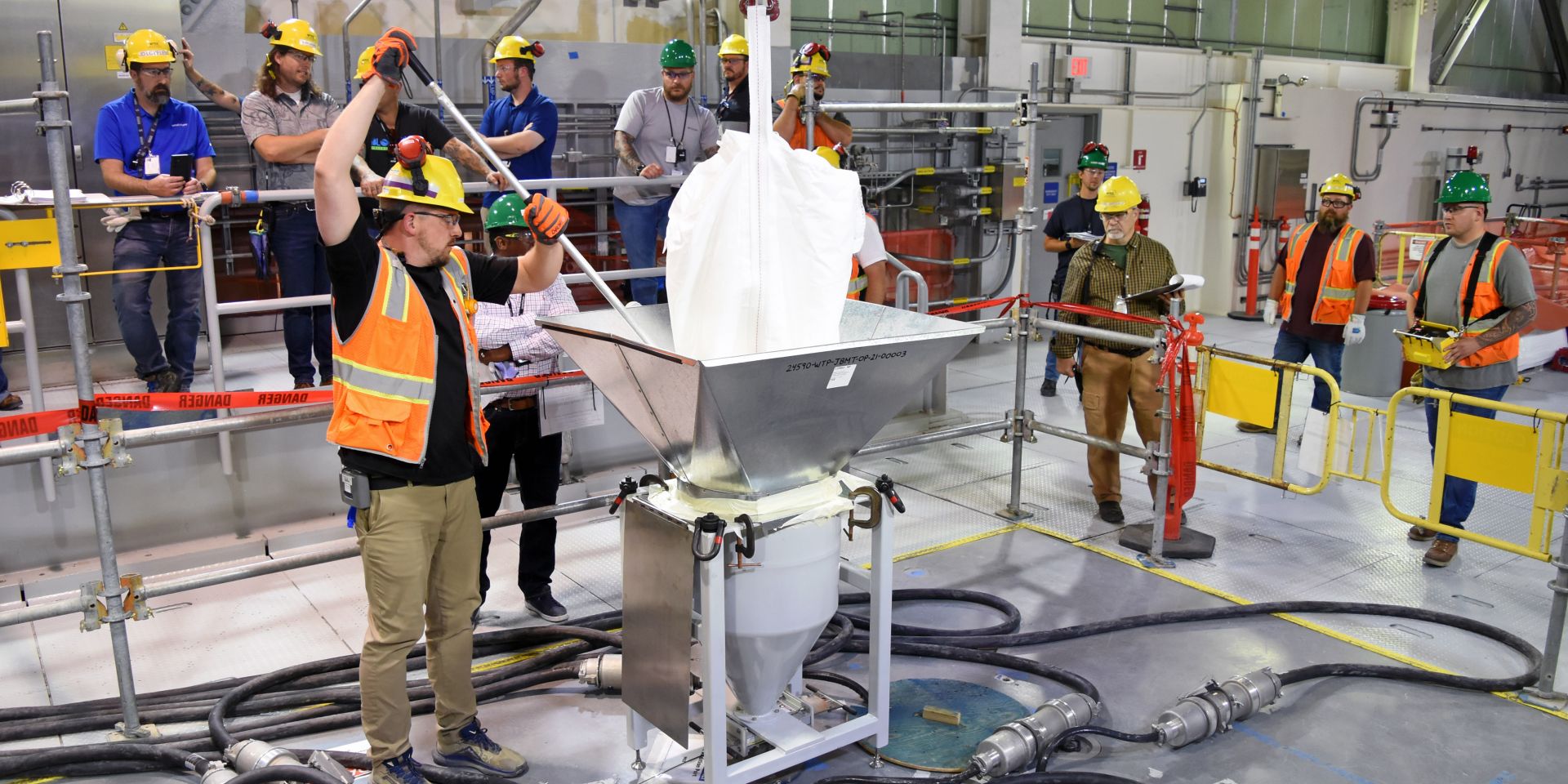
An international team of researchers have collaborated to reduce operational risk and realize a vision of long-term success for the Waste Treatment and Immobilization Plant (WTP) at the Department of Energy’s Hanford Site near Richland, Wash.
Above: WTP workers add glass beads, called “frit,” to the melter inside the plant’s Low-Activity Waste Facility. (Photo: Bechtel National Inc.)
For over a decade, the DOE’s Hanford Field Office (HFO) has been working with national laboratories, universities, and glass industry experts to establish capabilities and generate data to increase the confidence in a successful startup and transition to full-time operations at the WTP.
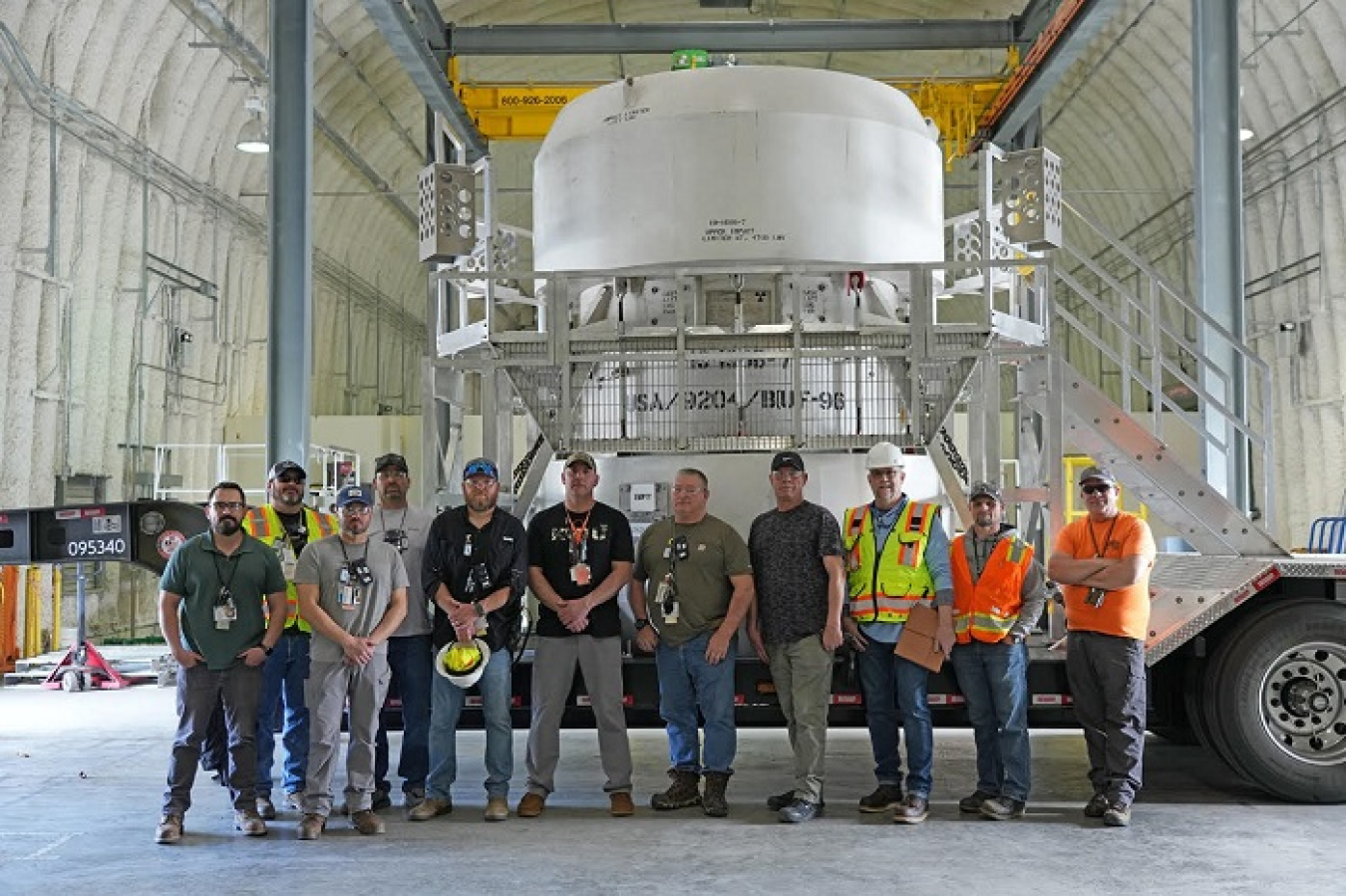
OREM team members with the transport cask used to ship the legacy waste out of state for permanent disposal. (Photo: DOE)
Oak Ridge National Laboratory has successfully removed legacy radioactive waste stored for more than five decades, marking a significant cleanup milestone. The Oak Ridge Office of Environmental Management (OREM) and cleanup contractor UCOR processed and shipped highly radioactive source material, including radium-226 and boron, out of state for permanent disposal.
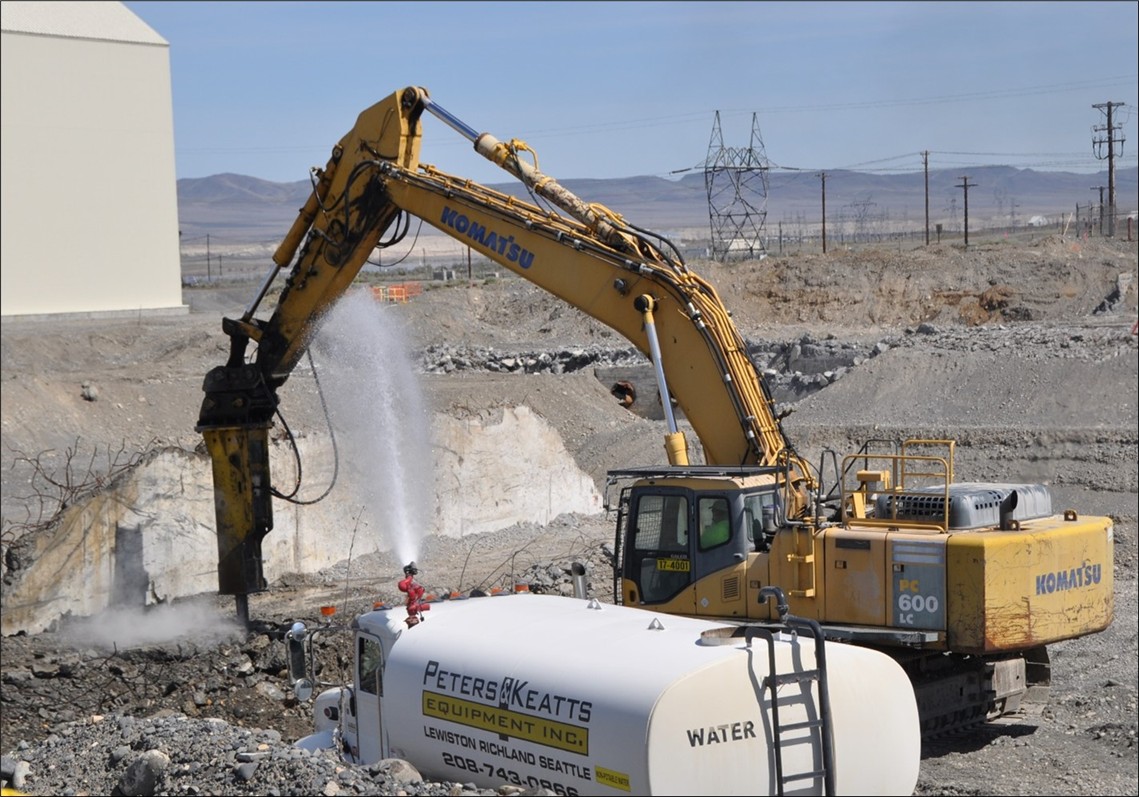
Hanford crews break up concrete and remove contaminated soil near the site’s former K Area reactors in 2023. (Photo: DOE)
The cost to complete the cleanup of the Department of Energy’s Hanford Site in Washington state could cost as much as $589.4 billion, according to the 2025 Hanford Lifecycle Scope, Schedule, and Cost Report, which was released by the DOE on April 15. While that estimate is $44.2 billion lower than the DOE’s 2022 estimate of $640.6 billion, a separate, low-end estimate has since grown by more than 21 percent, to $364 billion.
The life cycle report, which the DOE is legally required to issue every three years under agreement with the U.S. Environmental Protection Agency and Washington State Department of Ecology (Ecology), summarizes the remaining work scope, schedule, and cost estimates for the nuclear site. For more than 40 years, Hanford’s reactors produced plutonium for America’s defense program.
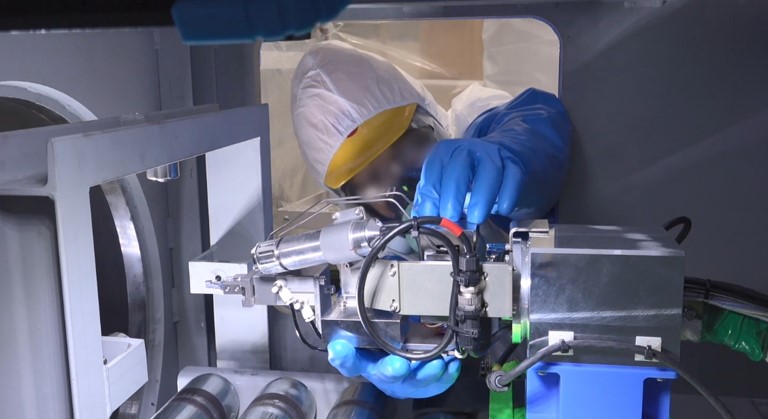
A worker replaces the end jig used to collect fuel debris samples from the damaged Fukushima reactor. (Photo: TEPCO)
Tokyo Electric Power Company is scheduled this week to begin retrieving a second sample of nuclear fuel debris from Unit 2 of Japan’s damaged Fukushima Daiichi nuclear power plant. This second retrieval comes after TEPCO improved the telescopic device used to gather samples.
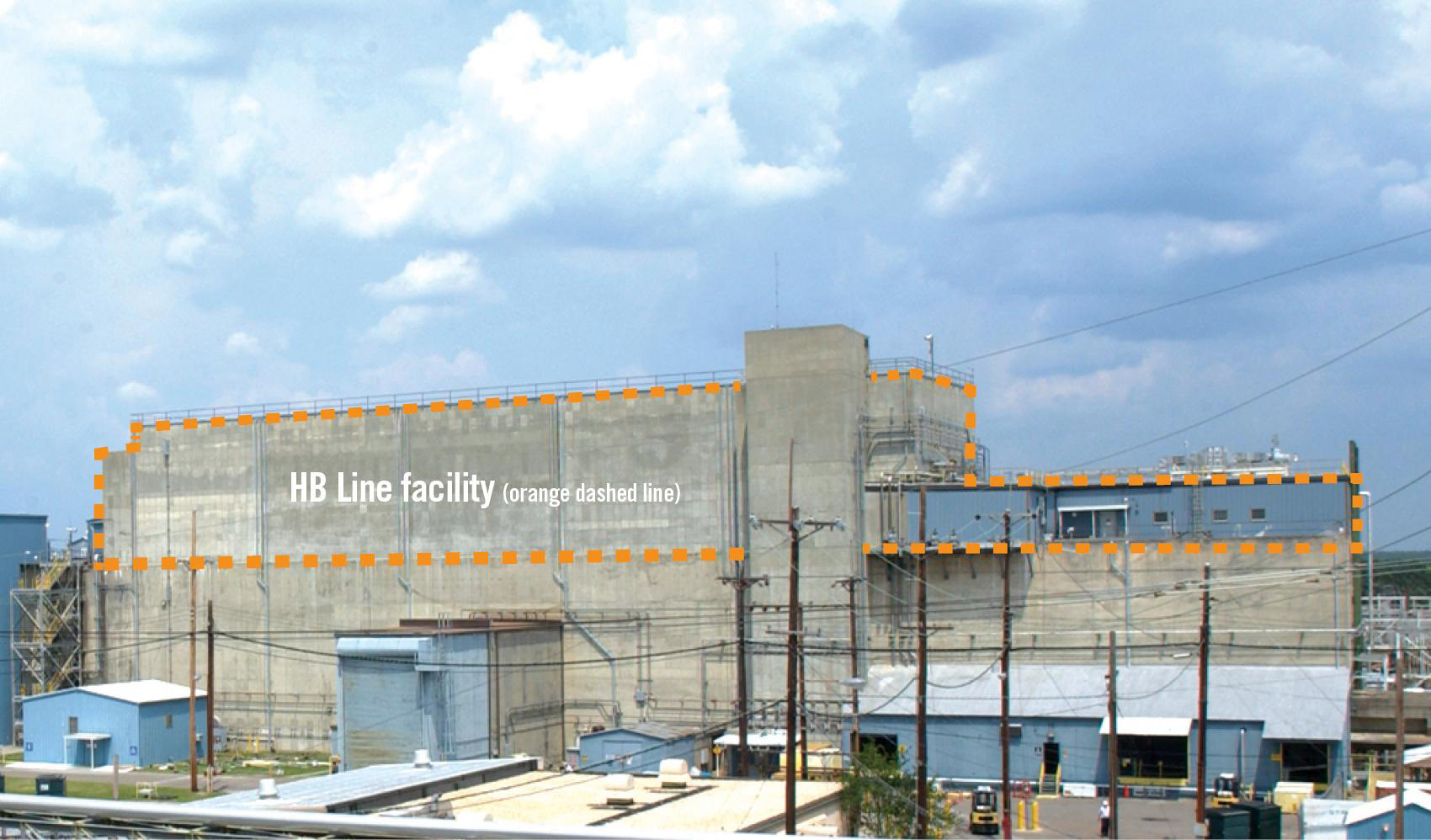
The Savannah River Site’s HB Line facility is located on top of the H Canyon chemical separations facility. (Photo: DOE)
The Department of Energy has announced that workers at its Savannah River Site in South Carolina recently removed legacy uranium materials from the site’s HB Line as part of an effort to clear the facility of its inventory of legacy nuclear materials. The removed legacy uranium was originally produced by the Y-12 National Security Complex at Oak Ridge, Tenn.
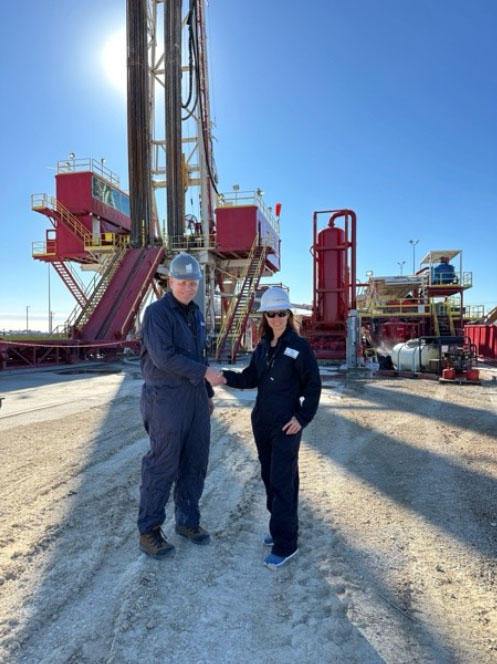
Deep Isolation’s Rod Baltzer and Deep Fission’s Elizabeth Muller. (Photo: Deep Fission)
Nuclear start-ups Deep Fission and Deep Isolation will collaborate on the management of spent nuclear fuel from Deep Fission’s advanced underground reactors under a memorandum of understanding signed by the companies.
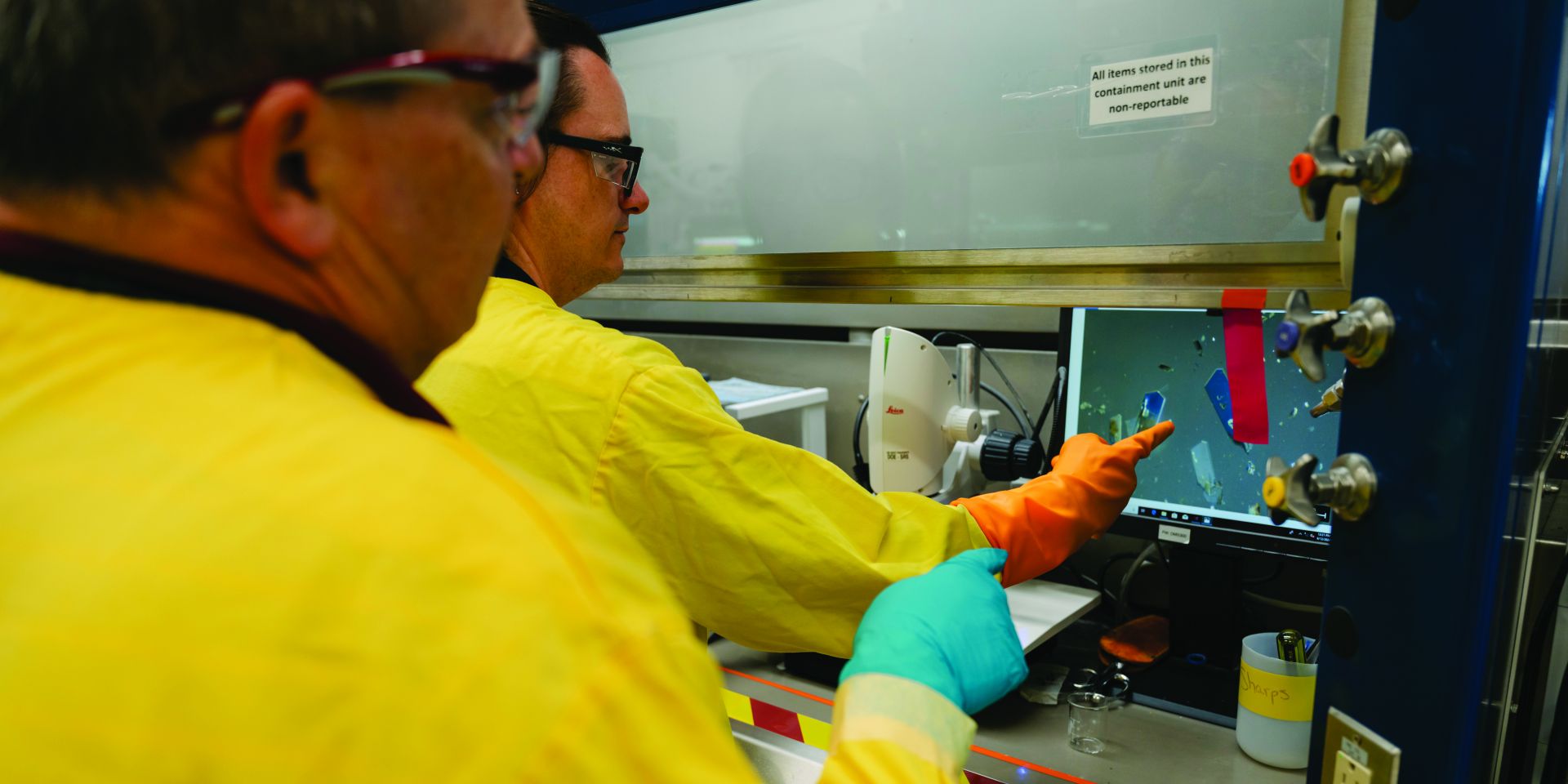
SRNL senior scientist Travis Deason demonstrates for lab fellow David Diprete the search for appropriate crystals of novel actinide materials using a microscope located in a radiological containment unit. (Photo: SRNS/Lj Gay)
Savannah River National Laboratory researchers are building on the laboratory’s legacy of using cutting-edge science to effectively immobilize nuclear waste in innovative ways. As part of the Center for Hierarchical Waste Form Materials, SRNL is leveraging its depth of experience in radiological waste management to explore new frontiers in the industry.
Researchers at the University of Sheffield are exploring new cement technologies to safely encapsulate nuclear waste. (Photo: University of Sheffield)
The University of Sheffield announced that it has engaged in a new £1 million (about $1.29 million) research partnership with Sellafield Ltd., the U.K. Nuclear Decommissioning Authority, and the U.K. National Nuclear Laboratory that will seek to address some of the challenges of nuclear waste encapsulation by looking at new cement technologies to provide safe and reliable disposal solutions.
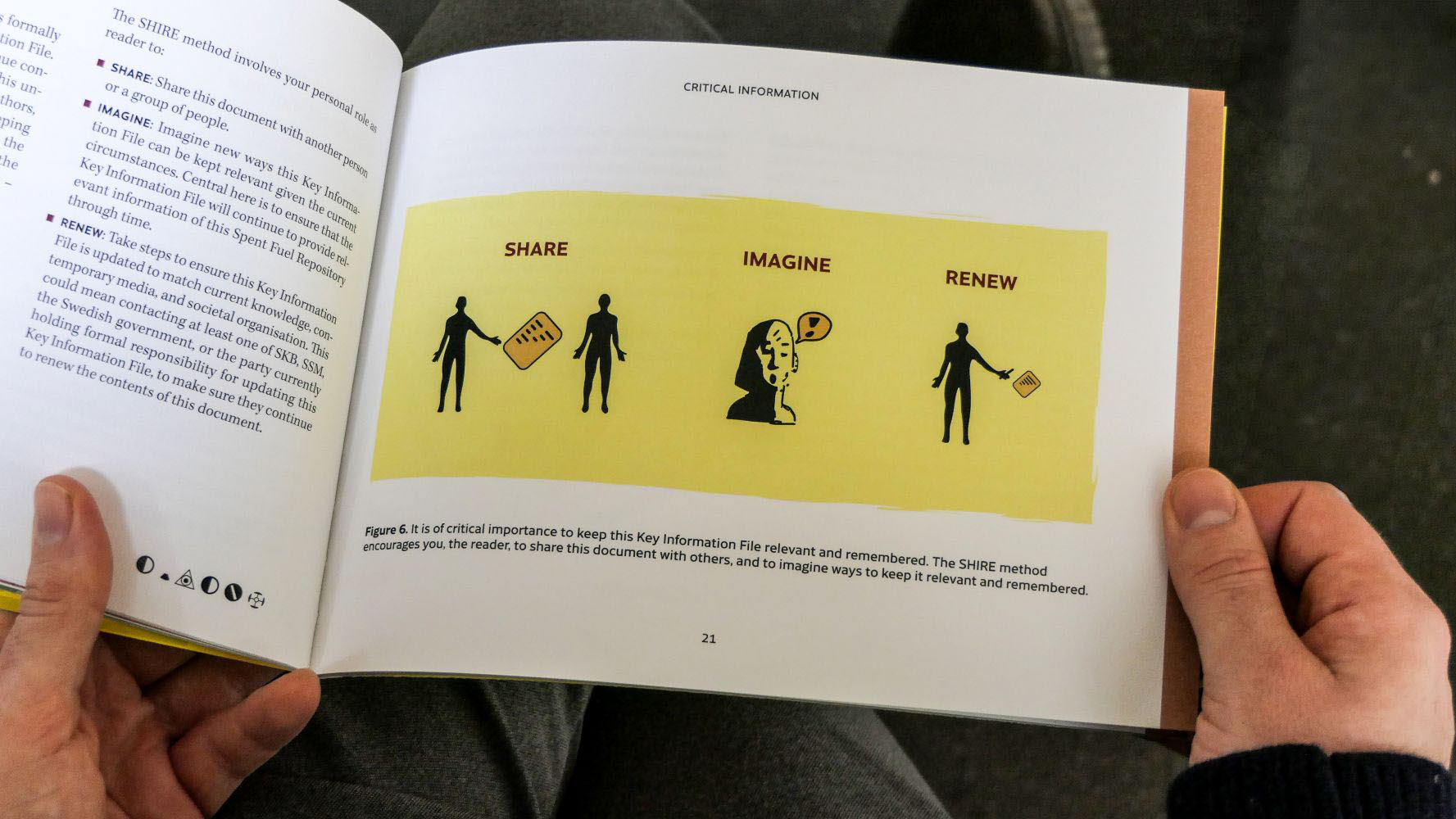
The KIF document is meant to engage the reader to share, imagine, and renew nuclear waste information. (Photo: Per Wistbo Nibell)
The preservation of records, knowledge, and memory is recognized as an important component of nuclear waste management, preventing future generations from unnecessary interference with a waste repository and supporting future societies to make informed decisions about such sites.
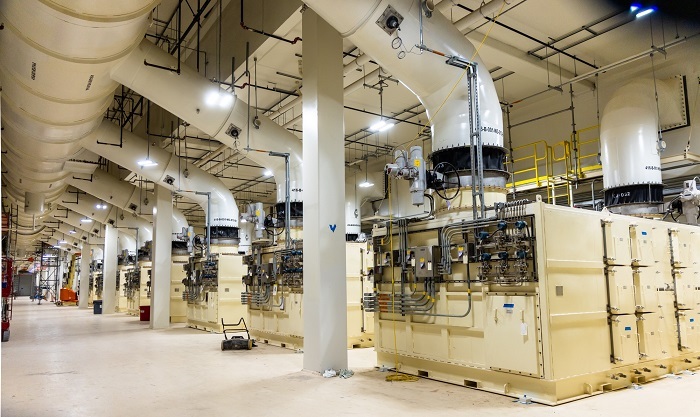
HEPA filters located within the Safety Significant Confinement Ventilation System facility at the Waste Isolation Pilot Plant. (Photo: DOE)
The Department of Energy’s Office of Environmental Management announced that it has completed the commissioning of a new, nearly $500 million, large-scale ventilation system at its Waste Isolation Pilot Plant, the DOE’s geologic repository for defense-related transuranic waste in New Mexico.

-3 2x1.jpg)
.jpg)