-3 2x1.jpg)
Nuclear tech in space: What’s on the horizon?
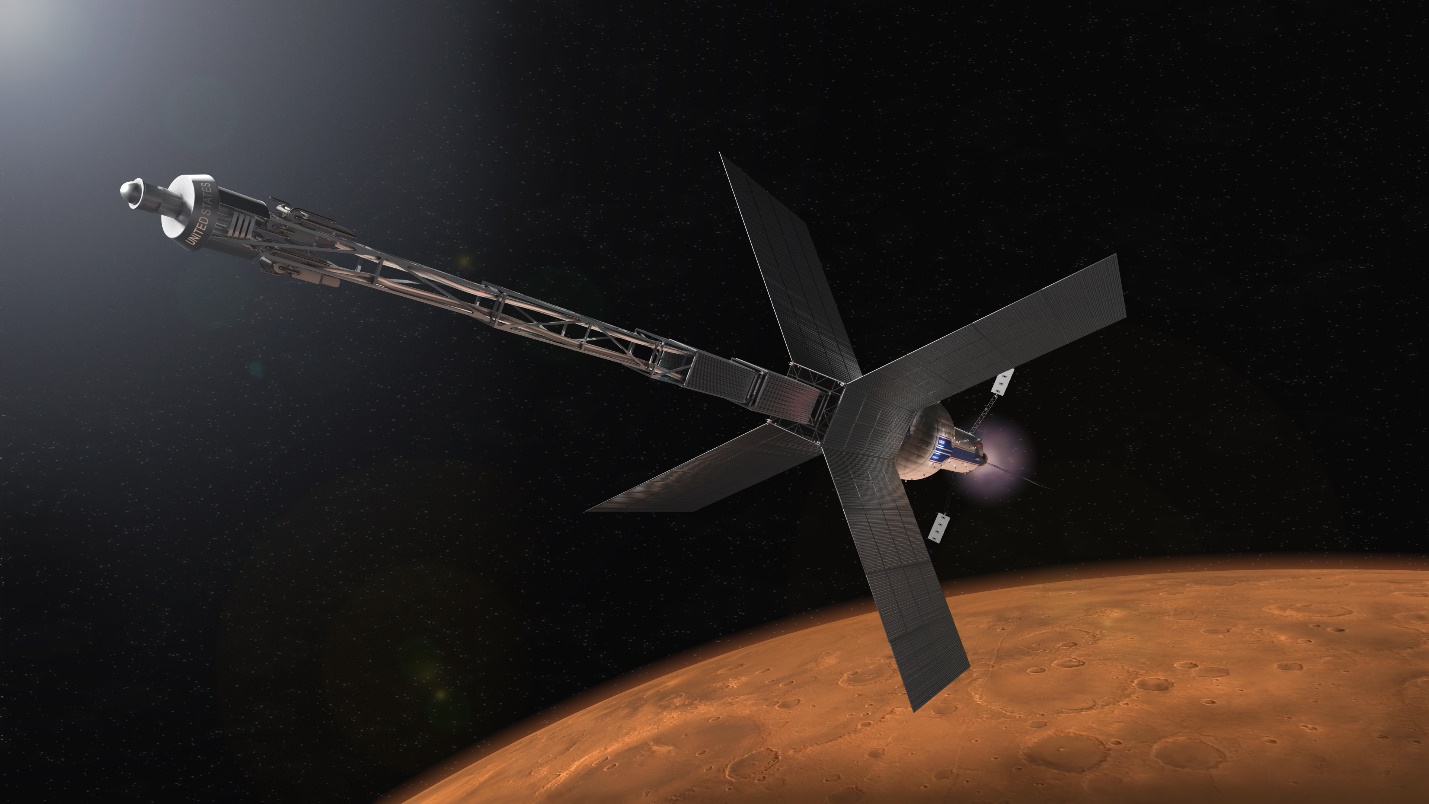
Illustration of a Mars transit habitat and nuclear electric propulsion system. Image: NASA
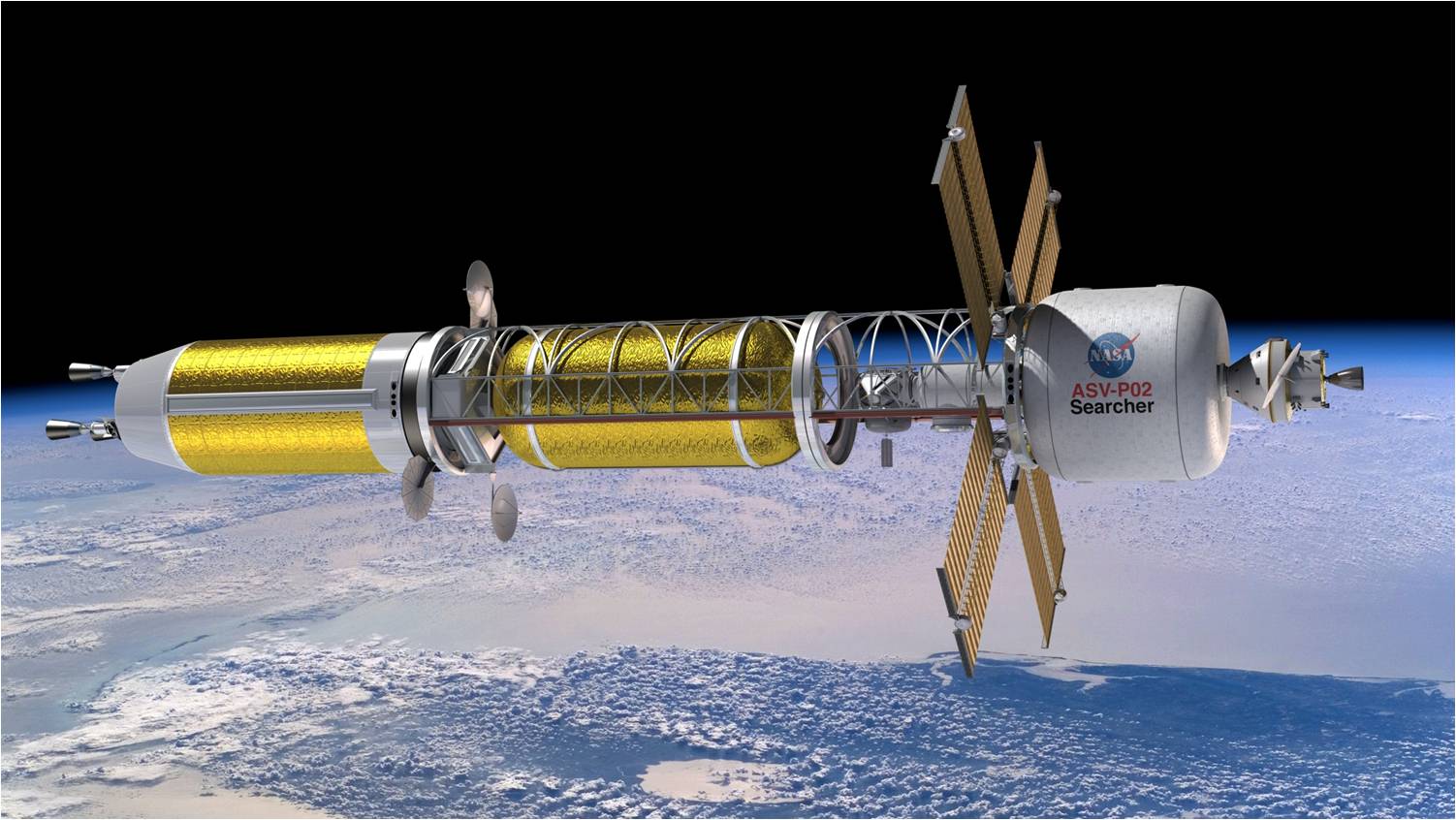
NASA aims to develop nuclear technologies for two space applications: propulsion and surface power. Both can make planned NASA missions to the moon more agile and more ambitious, and both are being developed with future crewed missions to Mars in mind. Like advanced reactors here on Earth, space nuclear technologies have an accelerated timeline for deployment in this decade.
Space nuclear propulsion and extraterrestrial surface power are getting funding and attention. New industry solicitations are expected this month, and a range of proposed reactor technologies could meet NASA’s specifications for nuclear thermal propulsion (NTP). Nuclear electric propulsion could increase the feasibility of crewed missions to Mars with a shorter transit time, a broader launch window and more flexibility to abort missions, reduced astronaut exposure to space radiation and other hazards, expanded payload mass capabilities, and reduced cost.



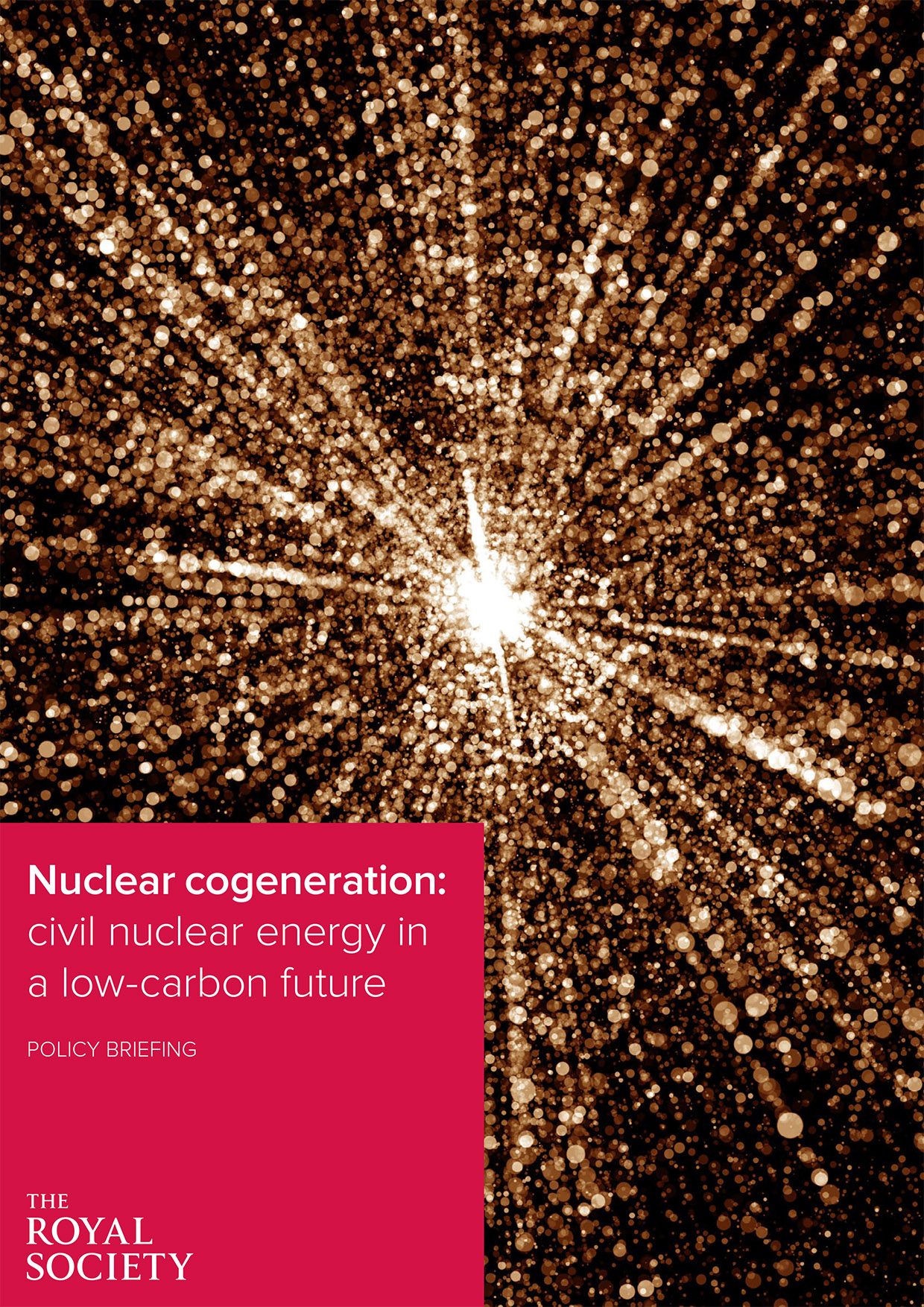 The future of nuclear energy is in cogeneration, according to a policy briefing released on October 7 by the United Kingdom’s Royal Society. (The equivalent of the United States’ National Academy of Sciences, the Royal Society, founded in 1660, is the oldest scientific institution in continuous existence.)