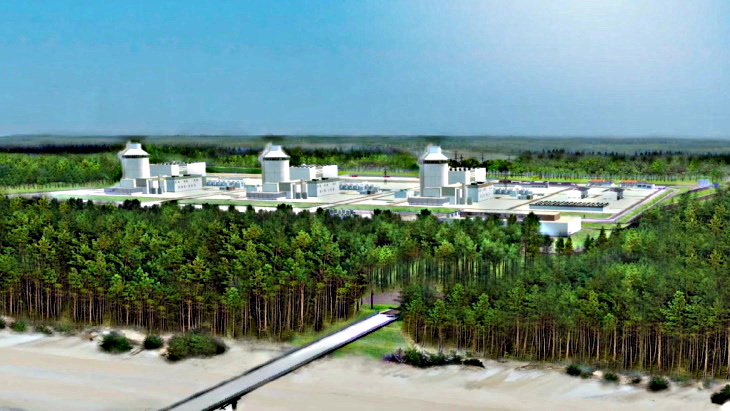
Concept art showing a possible design for the Choczewo nuclear plant in Pomerania, Poland. (Image: PEJ)
Building Poland’s nuclear program from the ground up is progressing with the country's first nuclear power plant project: three AP1000 reactors at the Choczewo site in the voivodeship of Pomerania.
Polish state-owned utility Polskie Elektrownie Jądrowe has announced some recent developments over the past few months, including turbine island procurement and strengthened engagement with domestic financial institutions, in addition to new data from the country’s Energy Ministry showing record‑high public acceptance, which demonstrates growing nuclear momentum in the country.
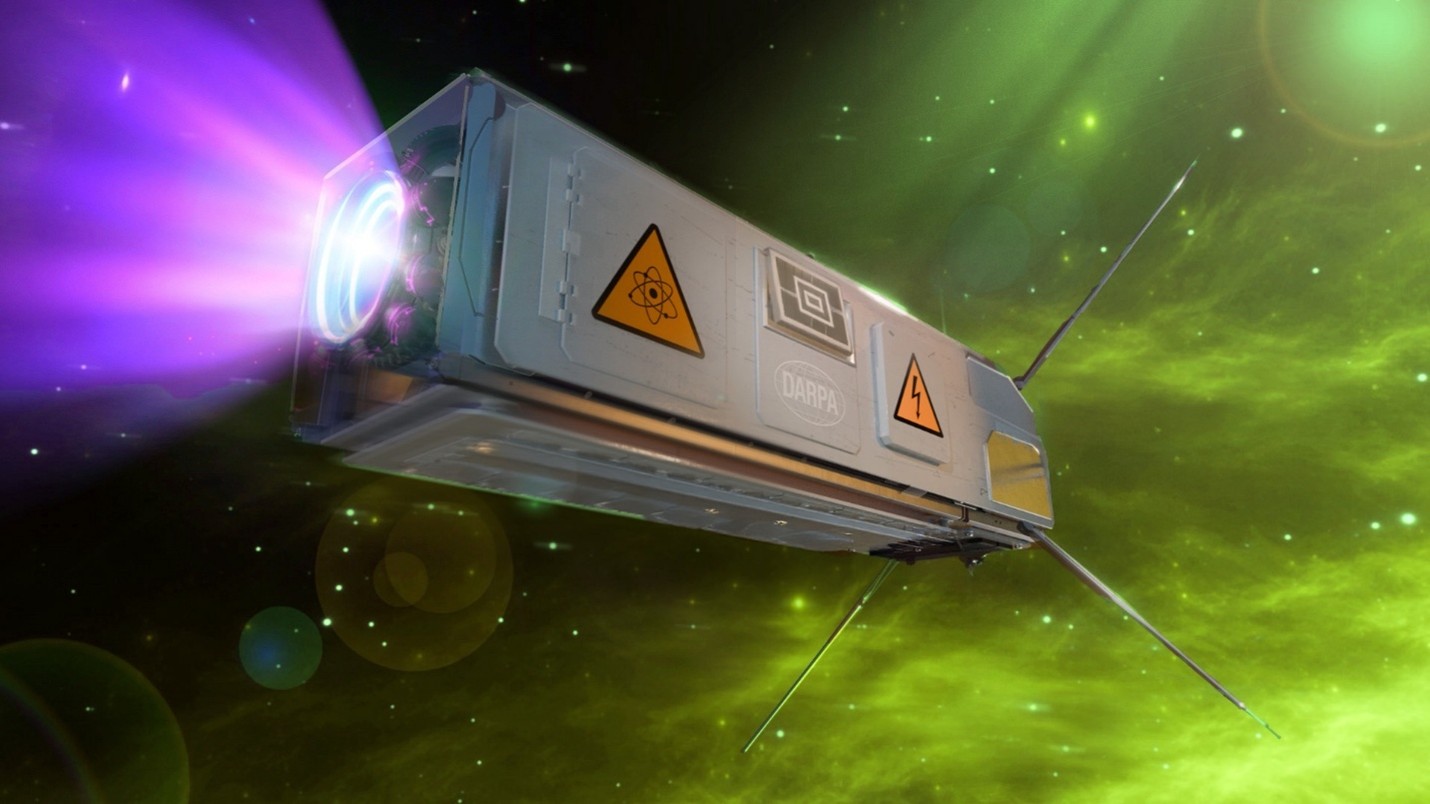
In this artist’s concept, a notional spacecraft with a high-power plasma thruster is powered by kilowatt-level radiovoltaics. (Image: DARPA/Alan Clarke)
You could call it a power contest. Teams picked for a new research program from the Defense Advanced Research Projects Agency (DARPA) will compete to design radiovoltaic cells that can outperform others in measured power density and endure high-flux radiation from a U.S. Army Research Lab linear accelerator. The top teams will strive to make it through a second downselect based on the performance of cells sequestered in time capsules and subjected to even more punishing high-flux radiation. Concepts that make it to the bonus period have a chance to be built into radioisotope-fueled power systems uniquely suited to high-radiation regions of space or dark, remote places on Earth.
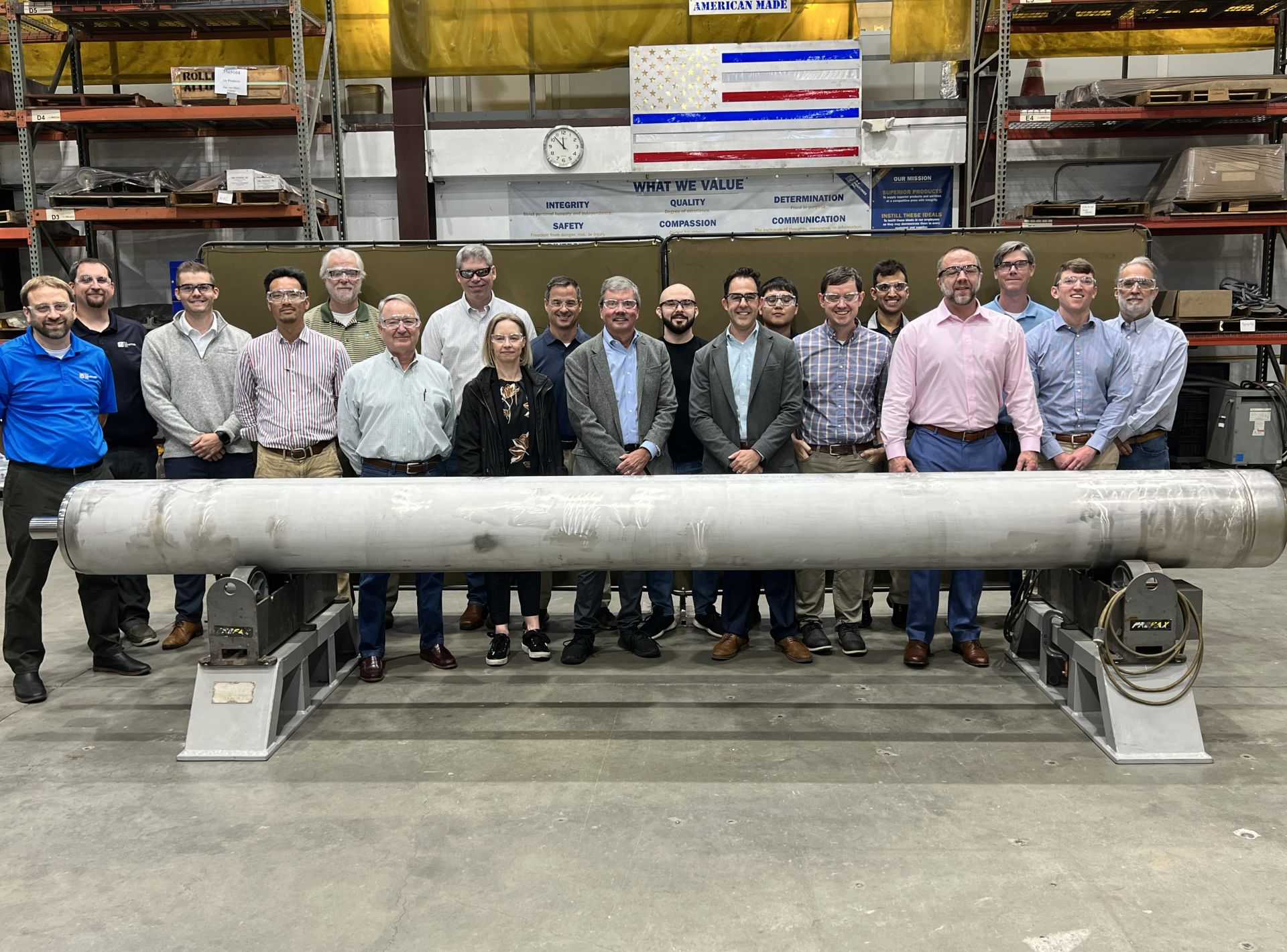
Technical advisory committee members in front of a full-scale universal nuclear waste canister prototype developed through ARPA-E’s UPWARDS program. (Photos: Deep Isolation)
At COP28, held in Dubai in 2023, a clear consensus emerged: Nuclear energy must be a cornerstone of the global clean energy transition. With electricity demand projected to soar as we decarbonize not just power but also industry, transport, and heat, the case for new nuclear is compelling. More than 20 countries committed to tripling global nuclear capacity by 2050. In the United States alone, the Department of Energy forecasts that the country’s current nuclear capacity could more than triple, adding 200 GW of new nuclear to the existing 95 GW by mid-century.
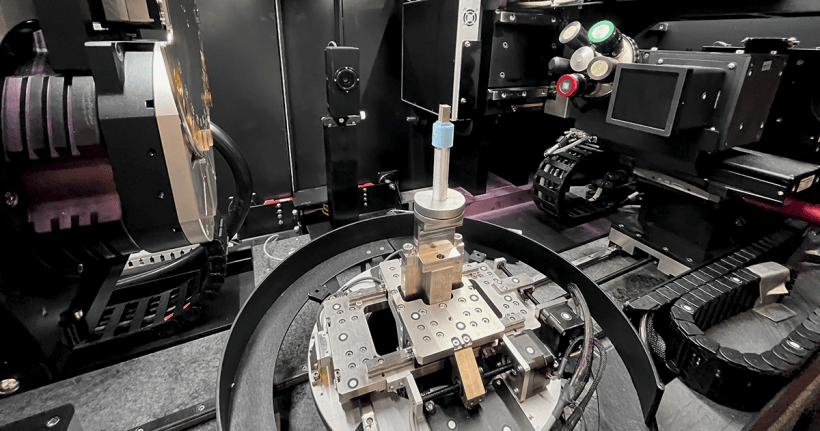
An enhanced CT scan process developed at ORNL can cut the time required to examine 3D-printed parts by one sixth. (Image: DOE)
A software algorithm developed at Oak Ridge National Laboratory has reduced the time needed to inspect 3D-printed parts for nuclear applications by 85 percent, the Department of Energy announced on November 1, and that algorithm is now being trained to analyze irradiated materials and nuclear fuel at Idaho National Laboratory.
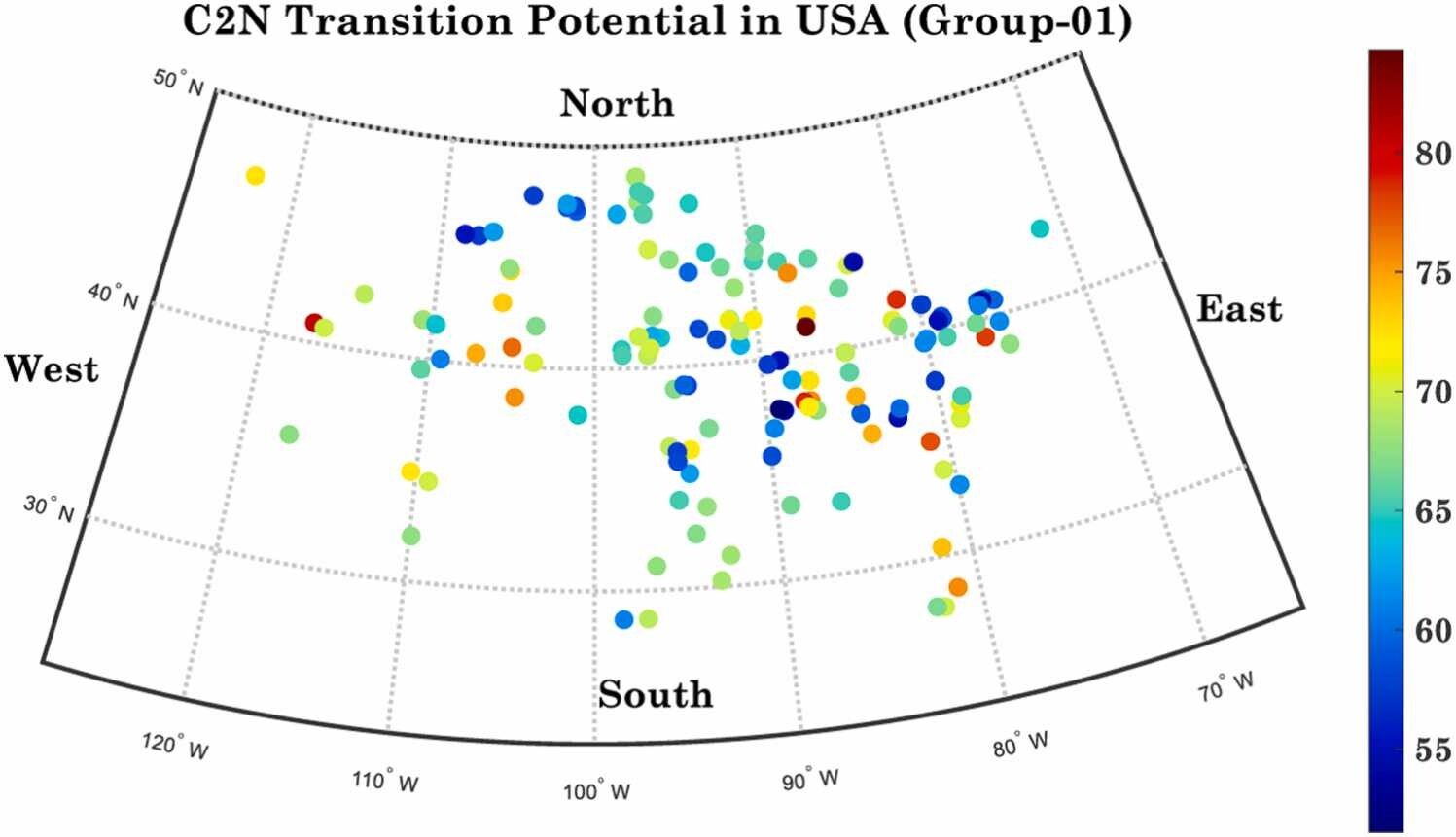
The color-coded scatterplot shows the feasibility of coal-to-nuclear transitions at smaller coal plants (1,000 MWe or less) across the United States, plotted by latitude and longitude. Red and warm colors represent the high feasibility. (Image: Muhammad Rafiul Abdussami, Fastest Path to Zero, University of Michigan)
Comprehensive analysis of 245 operational coal power plants in the United States by a team of researchers at the University of Michigan has scored each site’s advanced reactor hosting feasibility using a broad array of attributes, including socioeconomic factors, safety considerations, proximity to populations, existing nuclear facilities, and transportation networks. The results could help policymakers and utilities make decisions about deploying nuclear reactors at sites with existing transmission lines and a ready workforce.

-3 2x1.jpg)

 rotated.jpg)