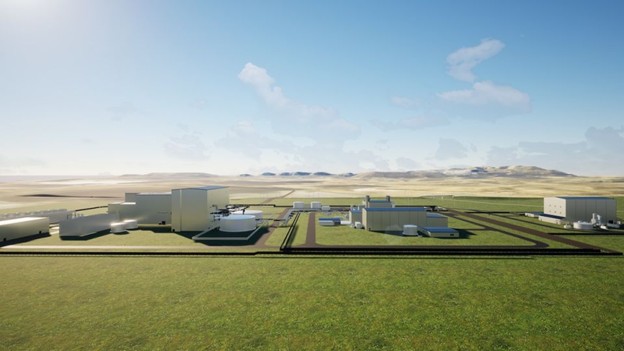
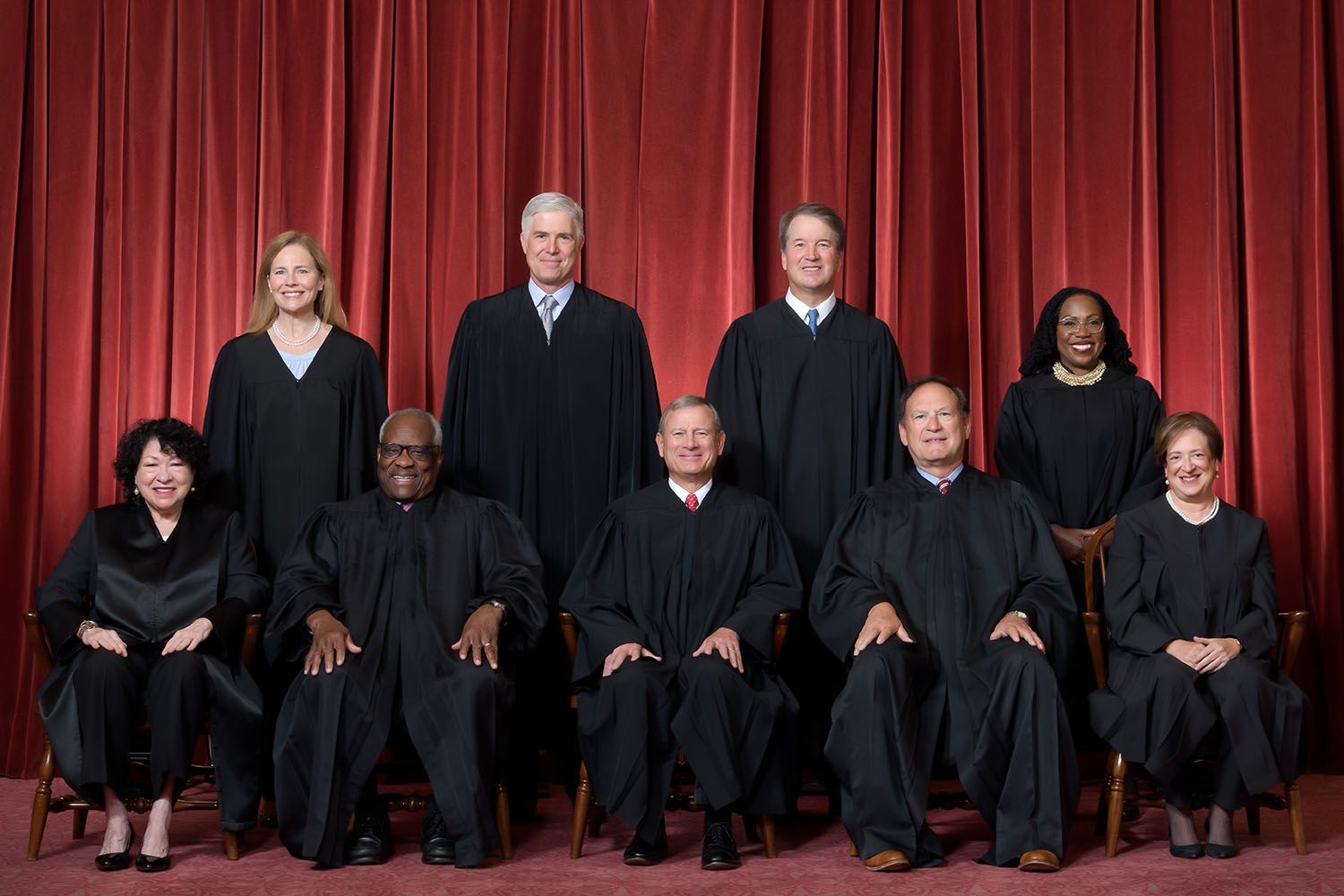
The U.S. Supreme Court. Front row, from left: Associate Justice Sonia Sotomayor, Associate Justice Clarence Thomas, Chief Justice John G. Roberts, Jr., Associate Justice Samuel A. Alito, Jr., and Associate Justice Elena Kagan. Back row, from left: Associate Justice Amy Coney Barrett, Associate Justice Neil M. Gorsuch, Associate Justice Brett M. Kavanaugh, and Associate Justice Ketanji Brown Jackson. (Photo: Fred Schilling, Collection of the Supreme Court of the United States)
The U.S. Supreme Court heard oral arguments on Wednesday in the Nuclear Regulatory Commission’s licensing of Interim Storage Partners’ consolidated interim storage facility in Andrews County, Texas. Both the NRC and ISP petitioned the Supreme Court to review a decision by the 5th Circuit Court of Appeals that invalidated the NRC-granted license for the facility. Those two cases were consolidated into one, NRC v. Texas, which was heard by the court.
A cross-section of an eVinci microreactor at the eVinci Technology Hub in Etna, Pa. (Photo: Westinghouse)
Penn State and Westinghouse Electric Company are working together to site a new research reactor on Penn State’s University Park, Pa., campus: Westinghouse’s eVinci, a HALEU TRISO-fueled sodium heat-pipe reactor. Penn State has announced that it submitted a letter of intent to host and operate an eVinci reactor to the Nuclear Regulatory Commission on February 28 and plans to engage with the NRC on specific siting decisions. Penn State already boasts the Breazeale reactor, which began operating in 1955 as the first licensed research reactor at a university in the United States. At 70, the Breazeale reactor is still in operation.
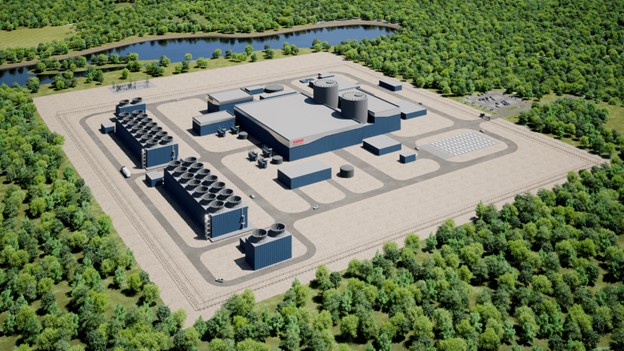
A rendering of Holtec’s dual-unit SMR-300. (Image: Holtec)
Leaders from Holtec International and Hyundai Engineering & Construction gathered at the Palisades site in western Michigan today to announce an “expanded cooperation agreement” to build a 10-GW fleet of Holtec-designed SMR-300s in North America. That fleet’s first builds would be at Palisades, where Holtec is now focused on restarting the site’s shuttered 777-MWe pressurized water reactor by the end of this year. Under the “Mission 2030” plan launched today, Holtec would then build a pair of SMR-300 PWRs at the Palisades site—targeting operation in 2030.
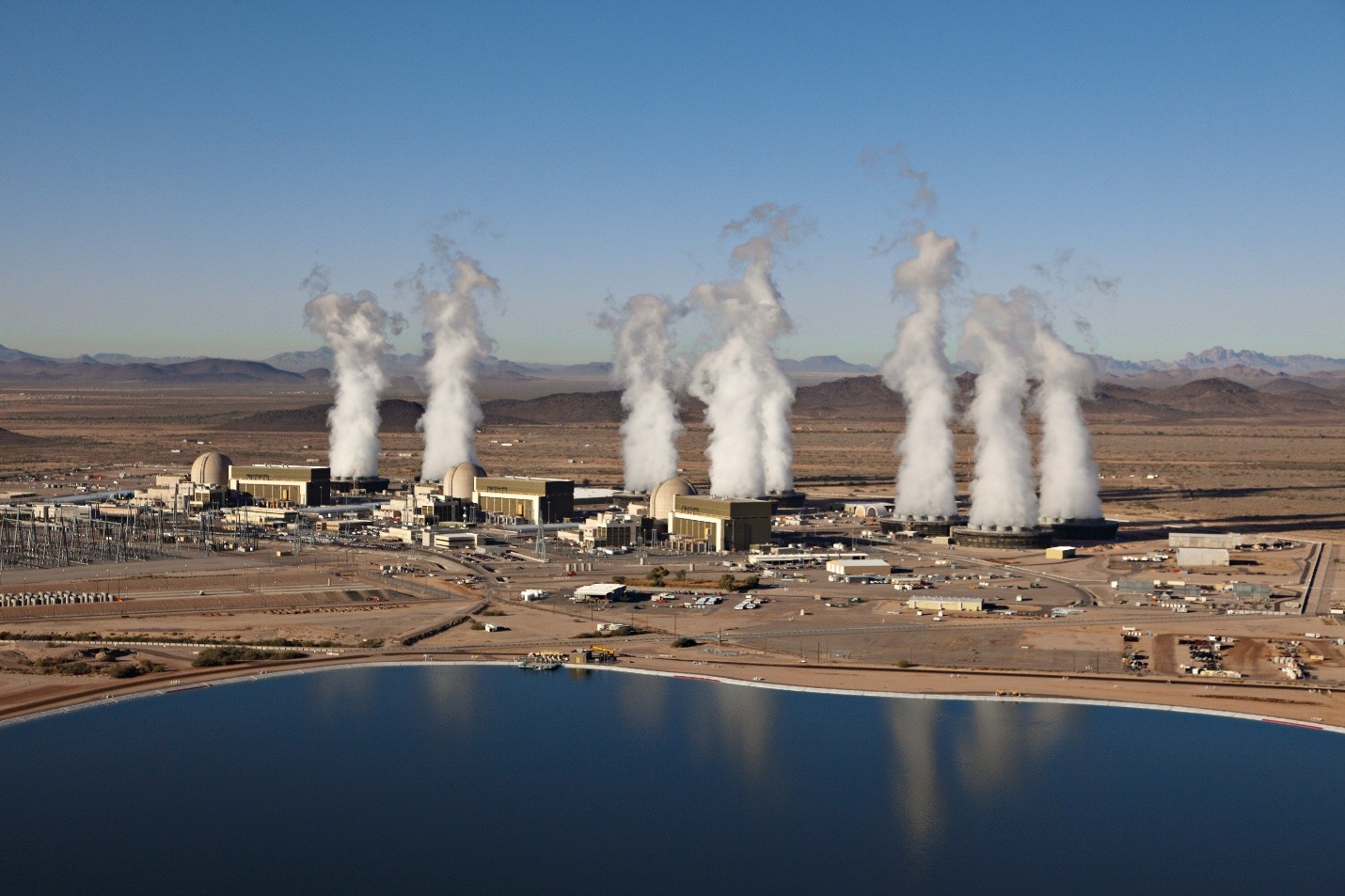
Palo Verde nuclear power plant, near Tonopah, Ariz. (Photo: APS)
The top three utilities in Arizona are teaming up to explore opportunities to add nuclear generation facilities in the state.
Arizona Public Service (APS), Salt River Project (SRP), and Tucson Electric Power (TEP) announced in a February 5 news release that they are working together to assess possible sites, including retiring coal plants. The group is looking at possibilities for both small modular reactors—units generating 300 MW or less—and potential large reactor projects, which could generate nearly five times the power.
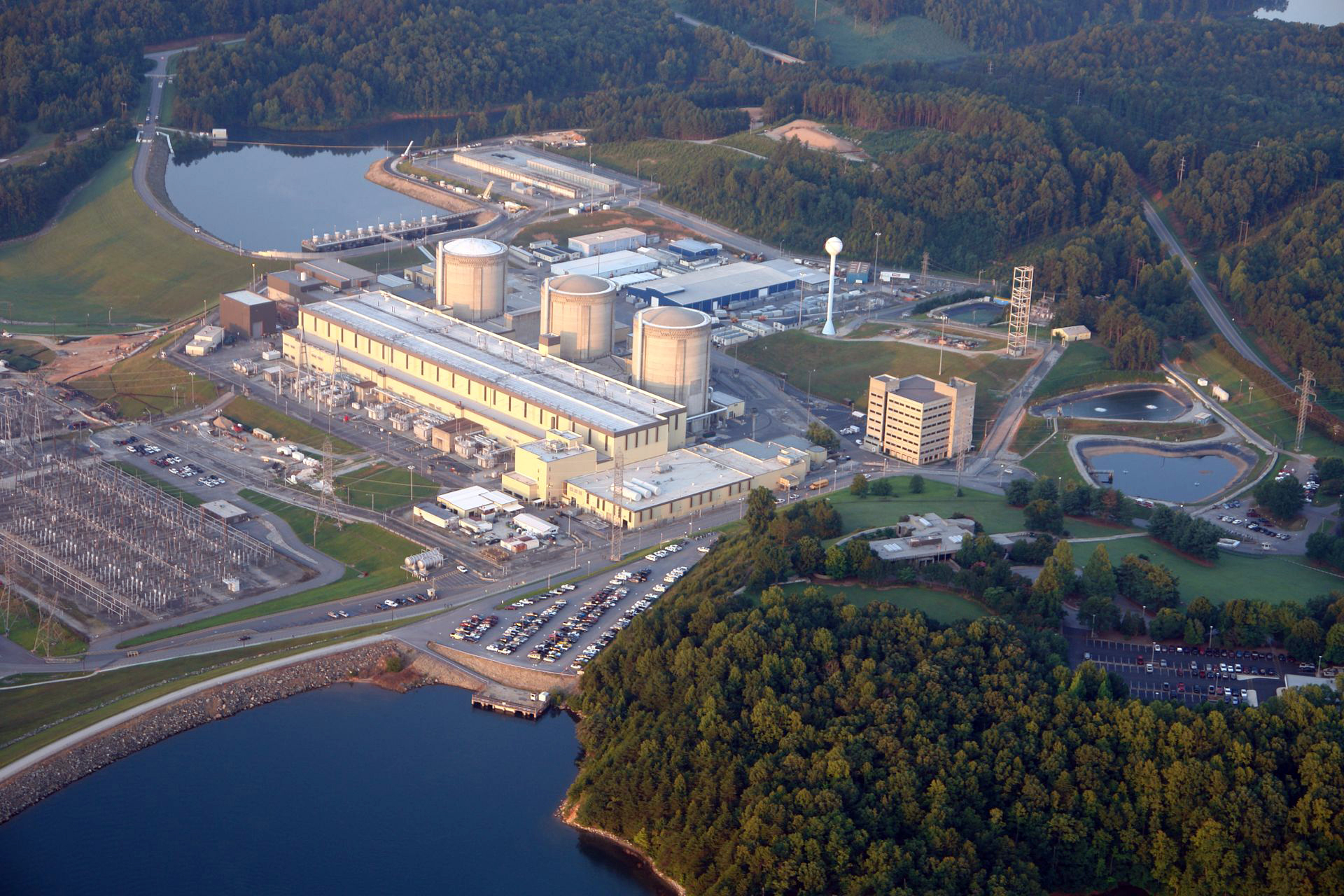
Oconee nuclear power plant. (Photo: Duke Energy)
The Nuclear Regulatory Commission has published its final environmental impact statement for the proposed subsequent license renewal (SLR) for Oconee nuclear power plant's Units 1, 2, and 3.
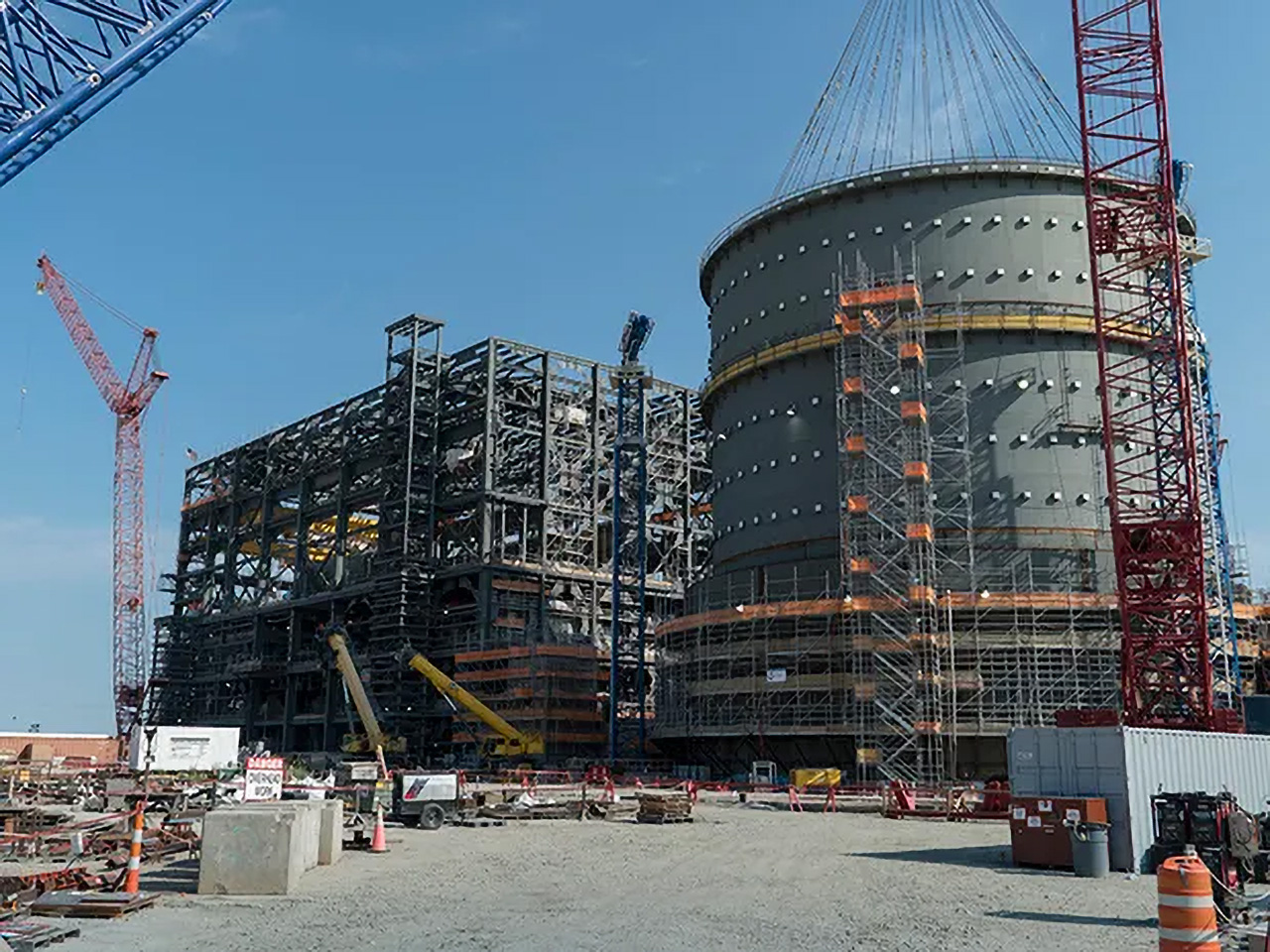
One of two unfinished Westinghouse AP1000 reactors is shown in this photo of the Summer construction site. (Photo: SCE&G)
South Carolina public utility Santee Cooper and its partner South Carolina Electric & Gas (SCE&G) called a halt to the Summer-2 and -3 AP1000 construction project in July 2017, citing costly delays and the bankruptcy of Westinghouse. The well-chronicled legal fallout included indictments and settlements, and ultimately left Santee Cooper with the ownership of nonnuclear assets at the construction site in Jenkinsville, S.C.
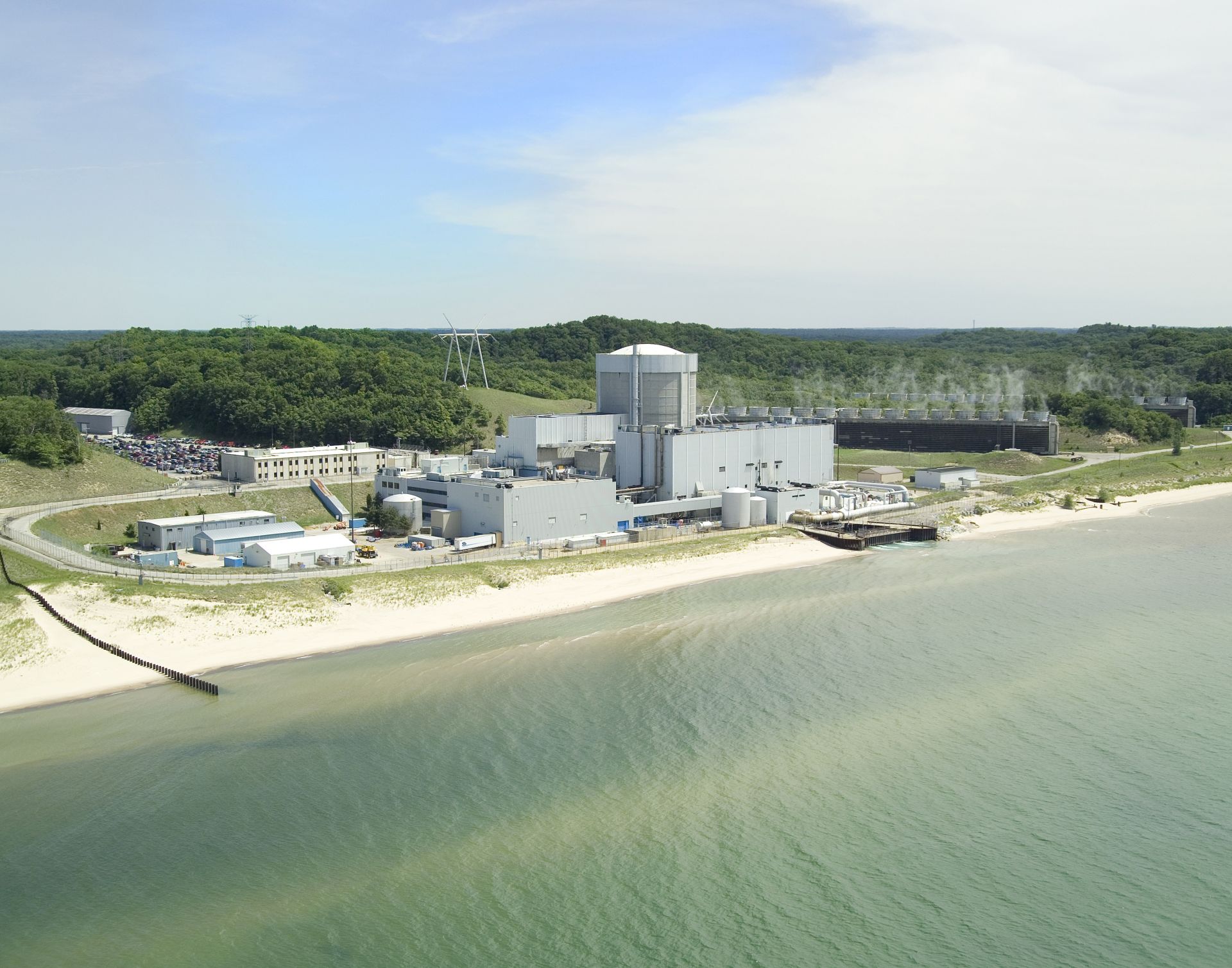
The Palisades nuclear power plant. (Photo: Holtec)
A Nuclear Regulatory Commission review board will hear oral arguments on February 12 on petitions concerning Holtec Palisades LLC.
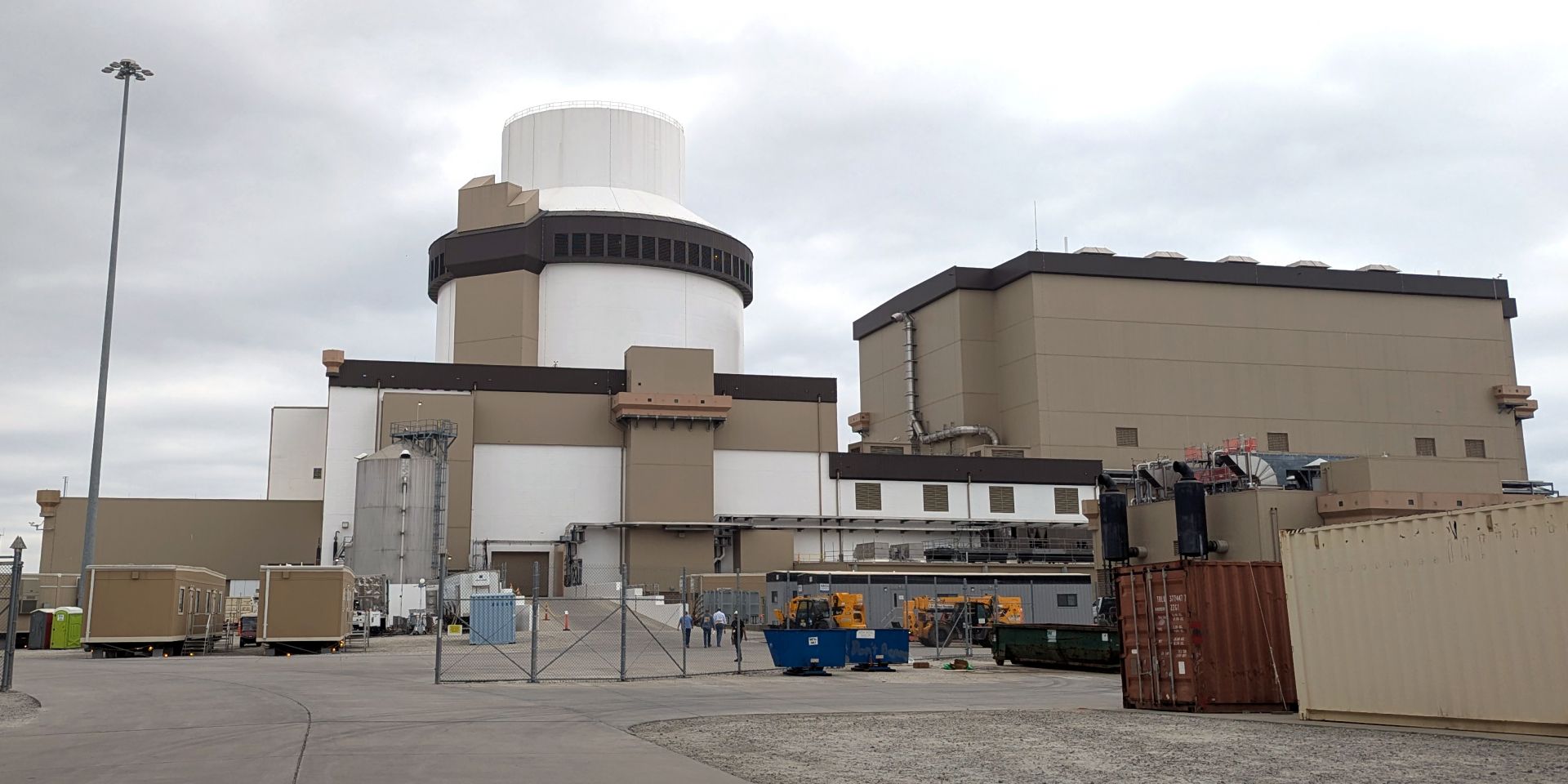
The reactor building and the turbine building seen in October 2024 as employees worked on Vogtle Unit 3’s first-ever refueling outage. (Photo: Dot Schneider)
Southern Nuclear was first when no one wanted to be.
The nuclear subsidiary of the century-old utility Southern Company, based in Atlanta, Ga., joined a pack of nuclear companies in the early 2000s—during what was then dubbed a “nuclear renaissance”—bullish on plans for new large nuclear facilities and adding thousands of new carbon-free megawatts to the grid.
In 2008, Southern Nuclear applied for a combined construction and operating license (COL), positioning the company to receive the first such license from the U.S. Nuclear Regulatory Commission in 2012. Also in 2008, Southern became the first U.S. company to sign an engineering, procurement, and construction contract for a Generation III+ reactor. Southern chose Westinghouse’s AP1000 pressurized water reactor, which was certified by the NRC in December 2011.
Fast forward a dozen years—which saw dozens of setbacks and hundreds of successes—and Southern Nuclear and its stakeholders celebrated the completion of Vogtle Units 3 and 4: the first new commercial nuclear power construction project completed in the U.S. in more than 30 years.
Concept art of TerraPower’s Natrium plan. (Image: TerraPower)
Progress continues for TerraPower’s Natrium plant, with the latest win coming in the form of a state permit for construction of nonnuclear portions of the advanced reactor.

-3 2x1.jpg)

 The Nuclear Regulatory Commission has published its 2024–2025