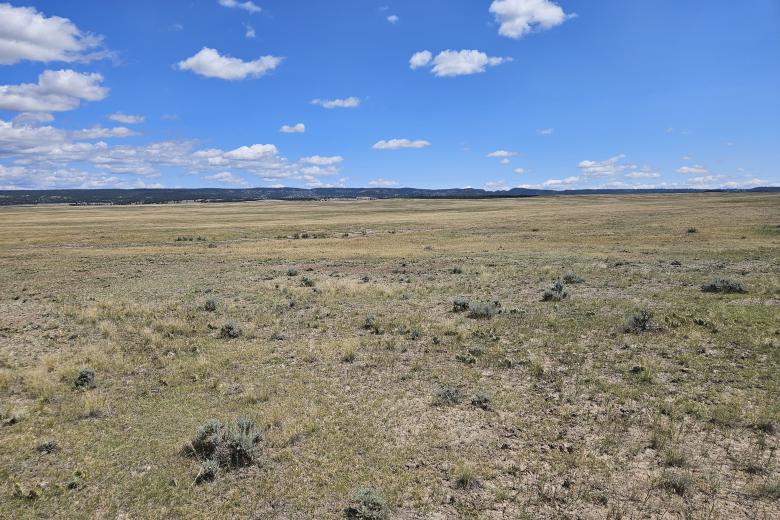
Dewey Burdock uranium project site in Fall River County, S.D. (Photo: BLM)
EnCore Energy announced on June 18 that the Bureau of Land Management issued a final decision and approved the Dewey Burdock uranium project, authorizing the company to begin construction for the uranium in situ recovery project in southwestern South Dakota.
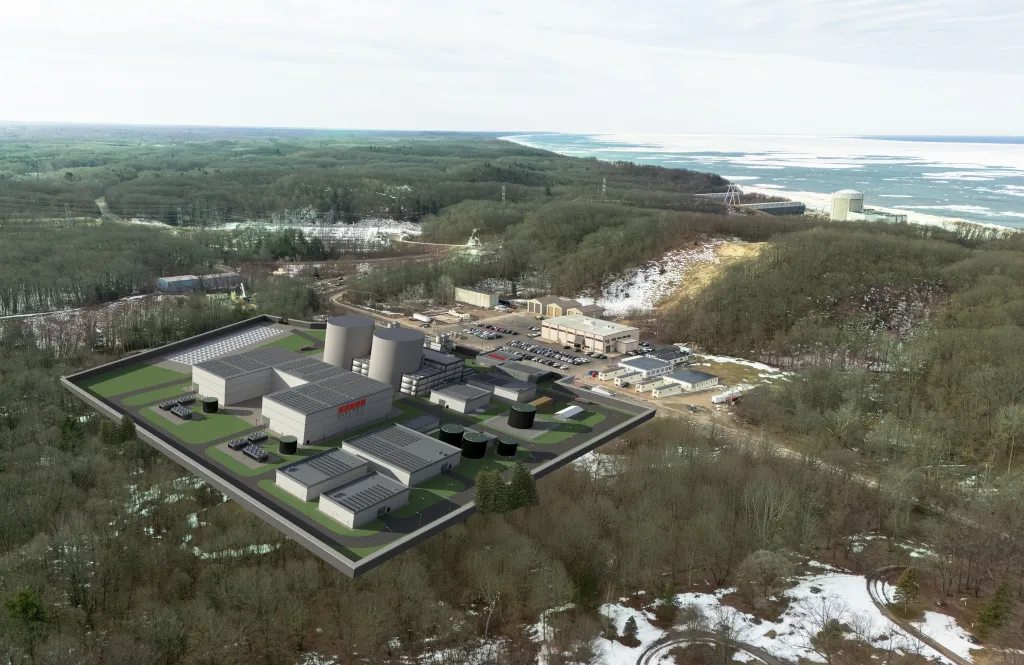
A rendering of the Palisades site, featuring two SMR-300 units in the foreground. (Image: Holtec)
The Nuclear Regulatory Commission is set to prepare an environmental impact statement for its review of Holtec International’s application to site two Holtec SMR-300 reactors at the Palisades site in Covert, Mich. The two planned reactors would be known as Pioneer-1 and -2.
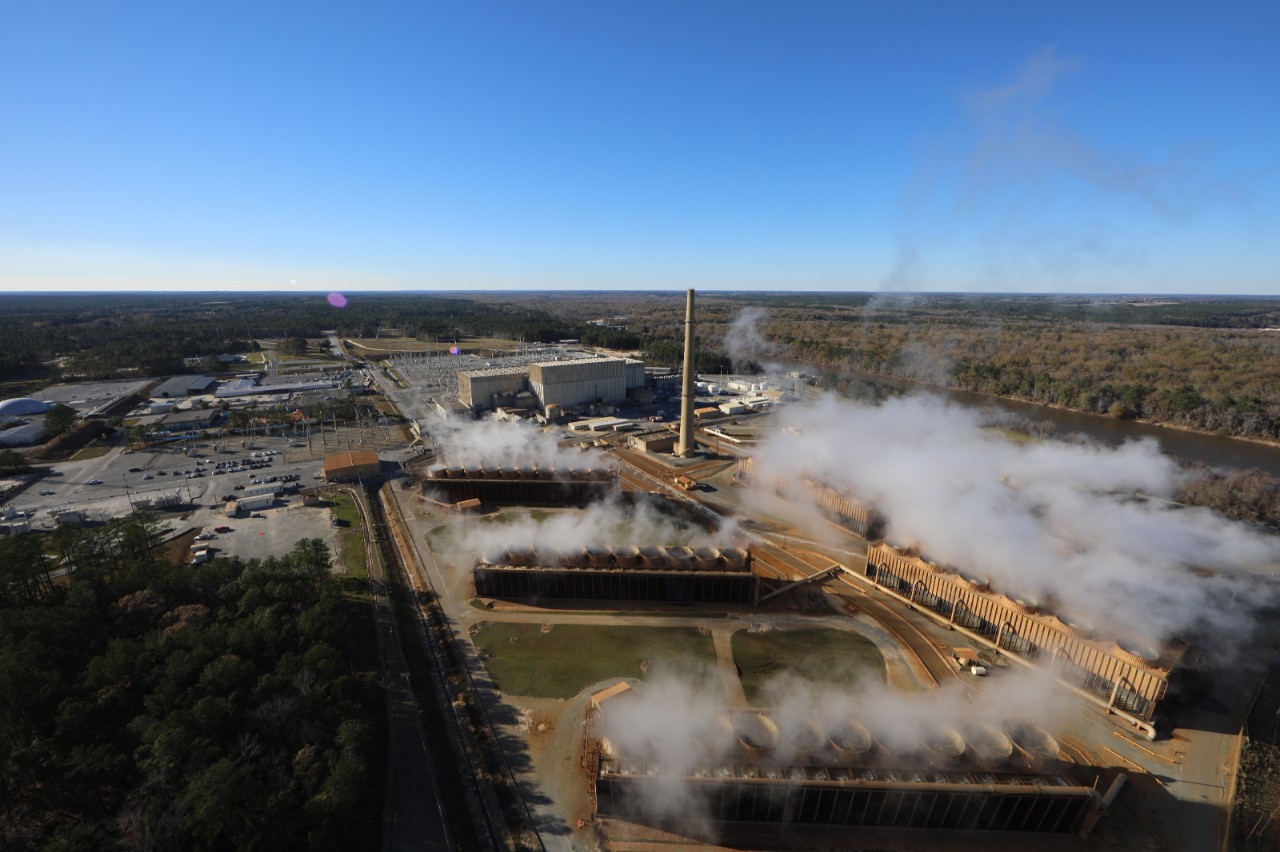
Hatch nuclear power plant in Georgia. (Photo: Southern Nuclear)
The Nuclear Regulatory Commission has renewed the operating licenses of Hatch-1 and -2 in under 12 months, the agency announced Friday.
Southern Nuclear’s application was accepted by the NRC in June 2025. The Baxley, Ga., facility’s two boiling water reactors are the second and third units to receive subsequent license renewals under the NRC’s new, streamlined process for renewing operating licenses in 12 months or less. Previously completed SLR proceedings took, on average, about two-and-a-half years.
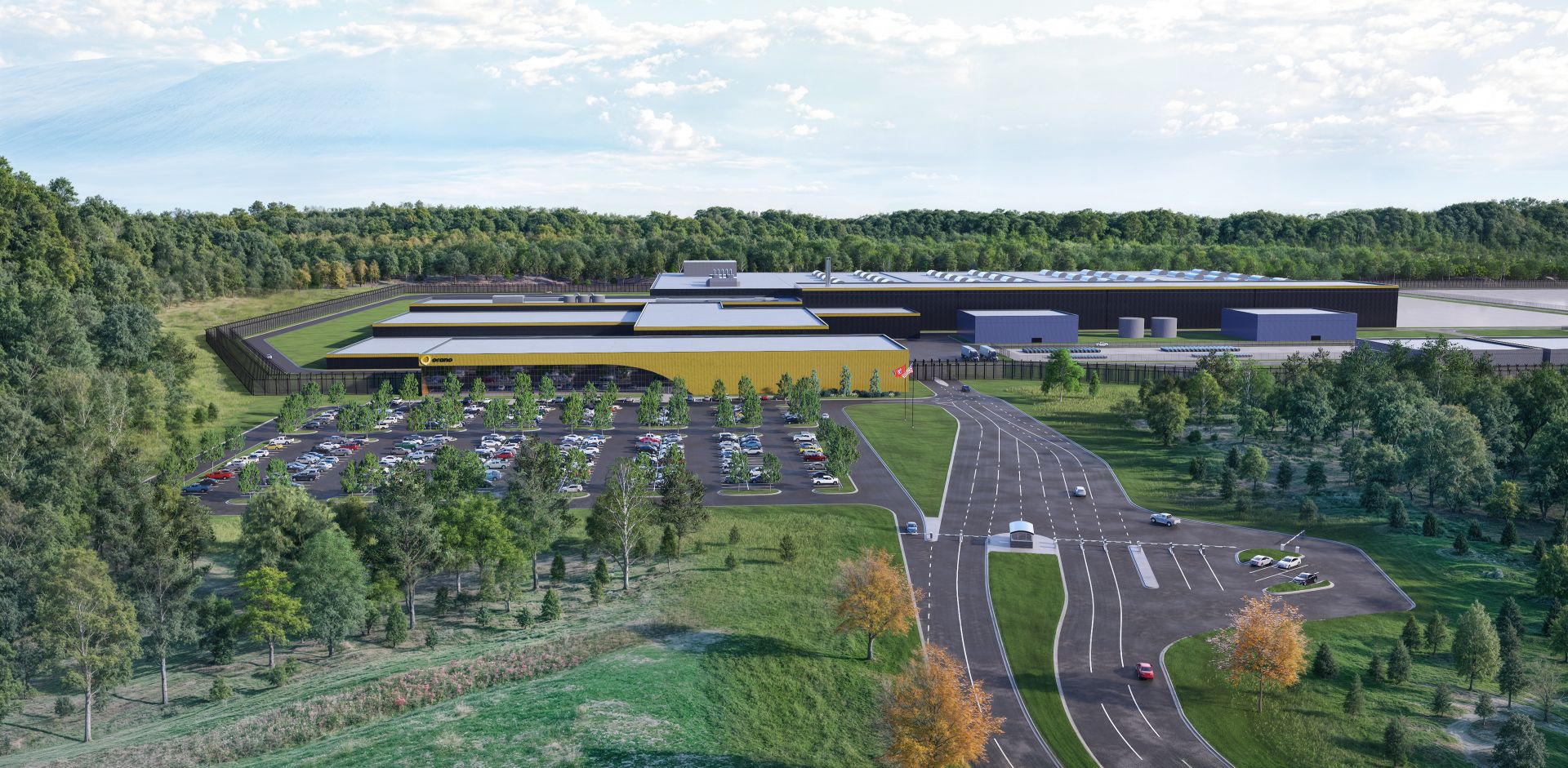
Concept art of Orano’s planned Project Ike facility in Oak Ridge, Tenn. (Image: Orano)
The Nuclear Regulatory Commission is to prepare an environmental impact statement in its review of Orano Enrichment’s license application to build and operate a new uranium enrichment facility near Oak Ridge, Tenn., and is asking the public for comments on the scope of its environmental review.
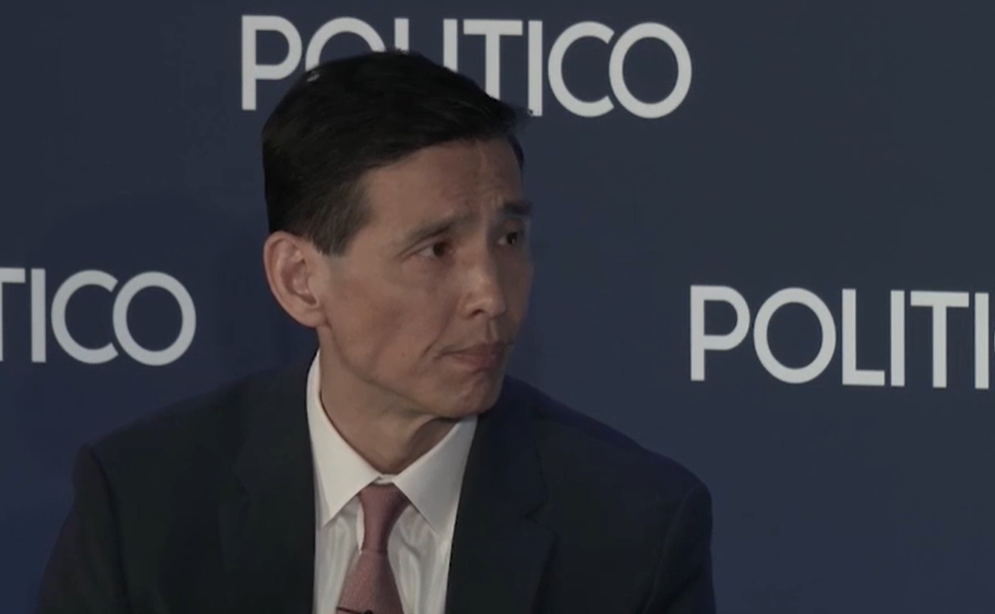
NRC Chairman Ho Nieh at the Politico Energy Summit. (Photo: Politico)
The digital publication Politico held its Energy Summit on Wednesday, gathering several prominent speakers to discuss the U.S. energy agenda, including nuclear power’s role. Nuclear Regulatory Commission Chairman Ho Nieh was among those who took the stage.
While he had only about 20 minutes to speak at the gathering, which was also broadcast virtually, Nieh broached several topics with Politico reporter Kelsey Tamborrino, including small modular reactors, licensing, the agency’s recruitment and retention efforts, and the NRC’s status and operations as an independent regulator.
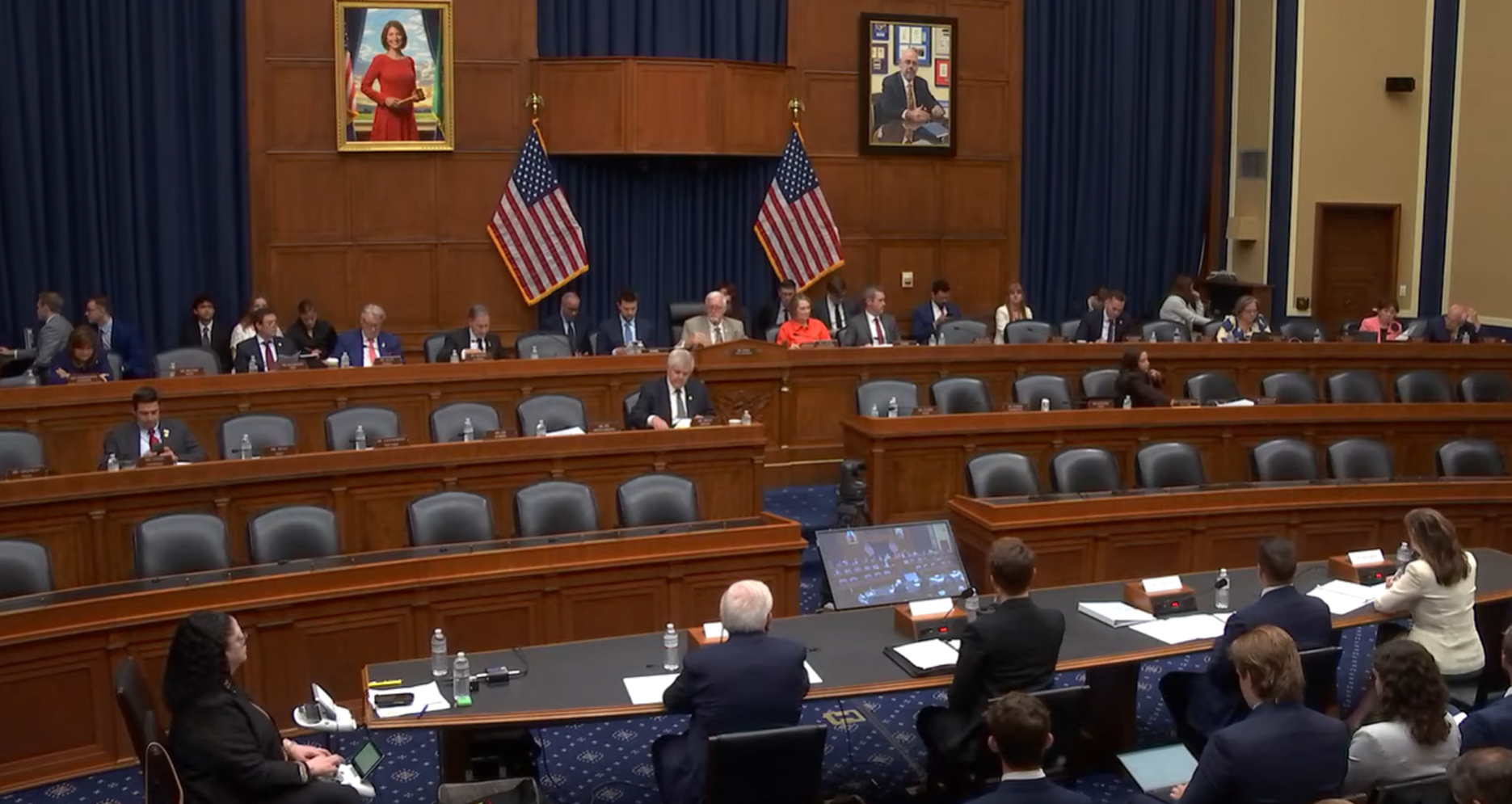
The U.S. House Energy and Commerce Committee’s Subcommittee on Energy on June 9, 2026. (Photo: House Energy and Commerce Committee)
The U.S. House Energy and Commerce Committee’s Subcommittee on Energy turned its attention to nuclear permitting reform at a June 9 hearing—looking at a total of six proposals.
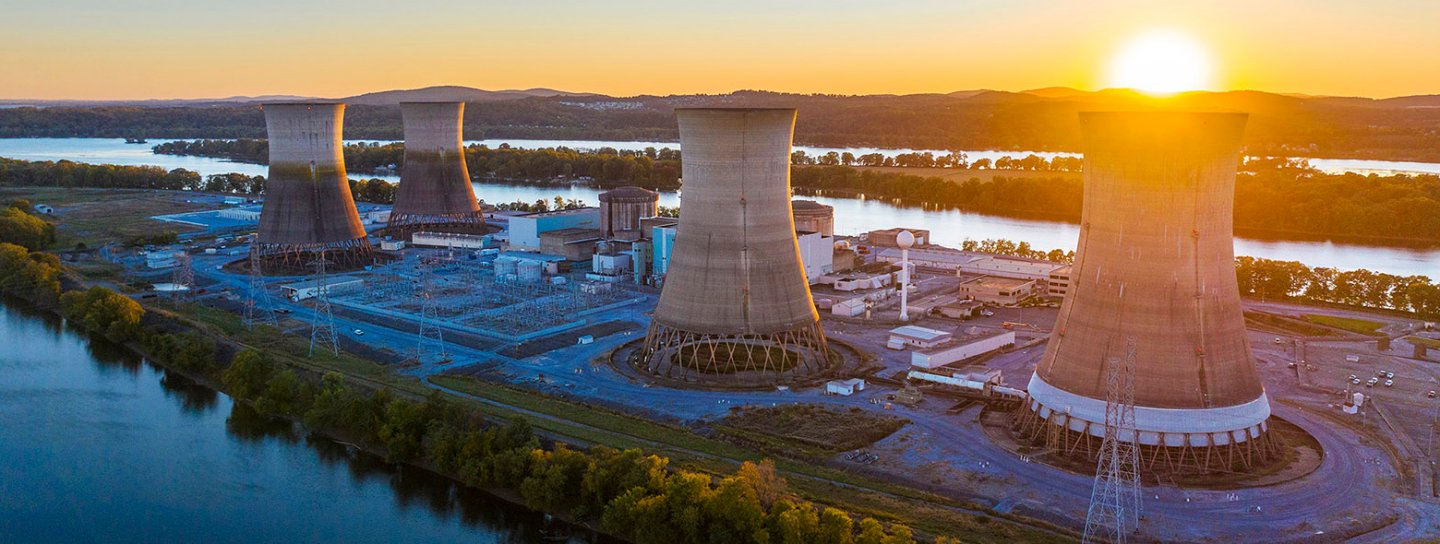
Constellation's Crane nuclear power plant. (Photo: Constellation)
On June 1, the planned restart of Crane nuclear power plant (formerly Three Mile Island-1) received a boost when the Federal Energy Regulatory Commission approved Constellation’s waiver request to transfer certain rights to the Middletown, Pa., plant.
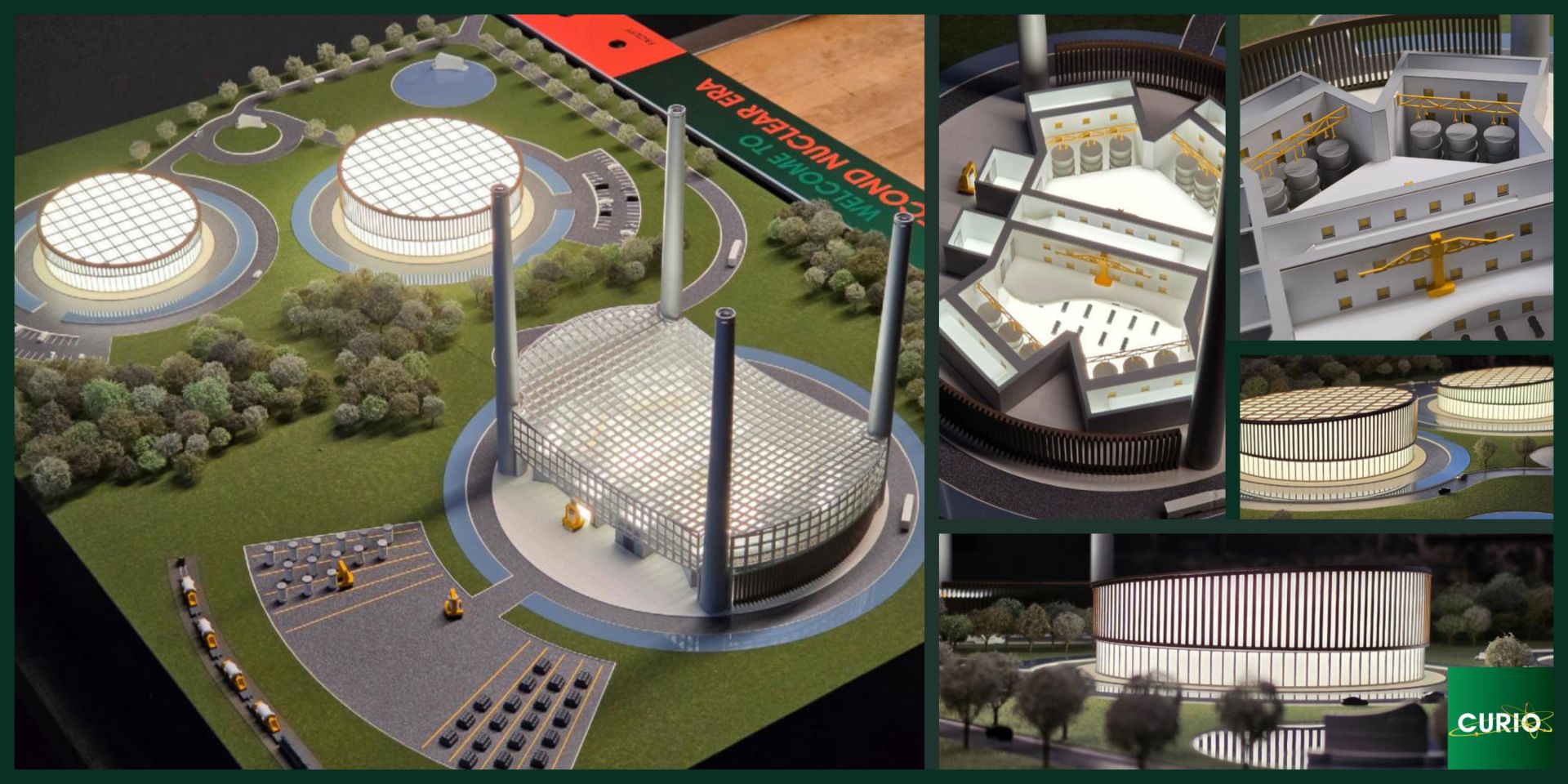
Concept art of Curio’s proposed NuCycle spent nuclear fuel recycling production facility. (Images: Curio)
Washington, D.C.-based Curio announced yesterday that it has submitted a letter of intent to the Nuclear Regulatory Commission to establish a docket for preapplication engagement activities and ultimately the submittal and review of a license application to operate a spent nuclear fuel recycling production facility.
Once a docket is established, Curio will develop a license application to meet all applicable regulations for a nuclear fuel recycling facility under 10 CFR Part 70.
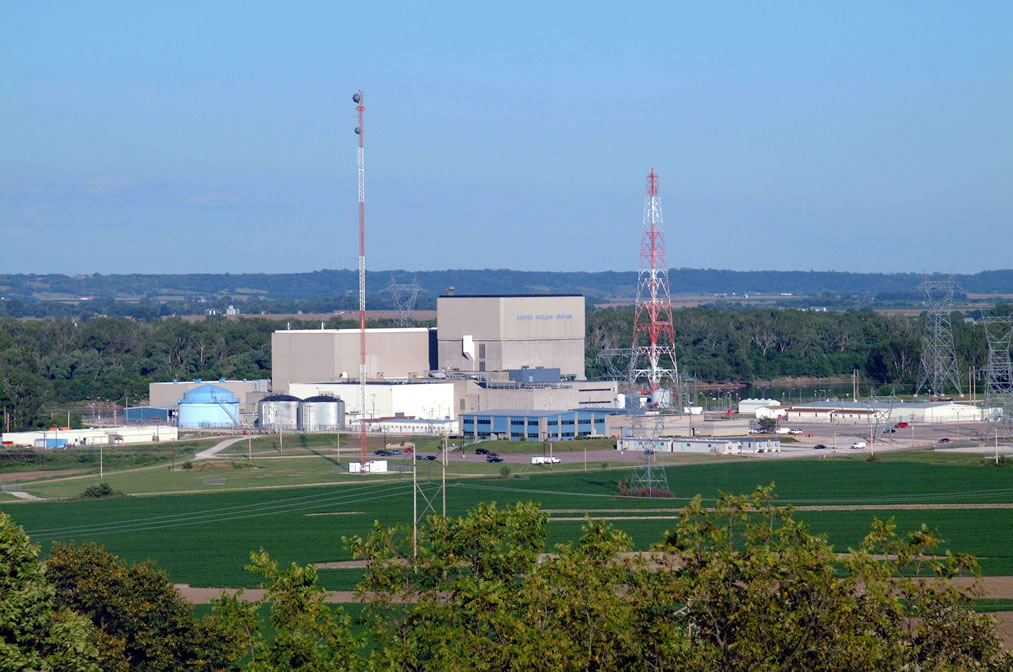
Nebraska Public Power District’s Cooper nuclear power plant. (Photo: NPPD)
Studies, regulatory control, and legislation are among the items Nebraska, Minnesota, Indiana, and North Carolina tackled in the month of May regarding nuclear energy.
Concept art of Orano’s planned Project Ike facility in Oak Ridge, Tenn. (Image: Orano)
The Nuclear Regulatory Commission said it intends to complete its review of Orano Enrichment’s license application to build and operate a new uranium enrichment facility near Oak Ridge, Tenn., in 12 months. Orano submitted its application for the multibillion-dollar facility, named Project Ike, in March.
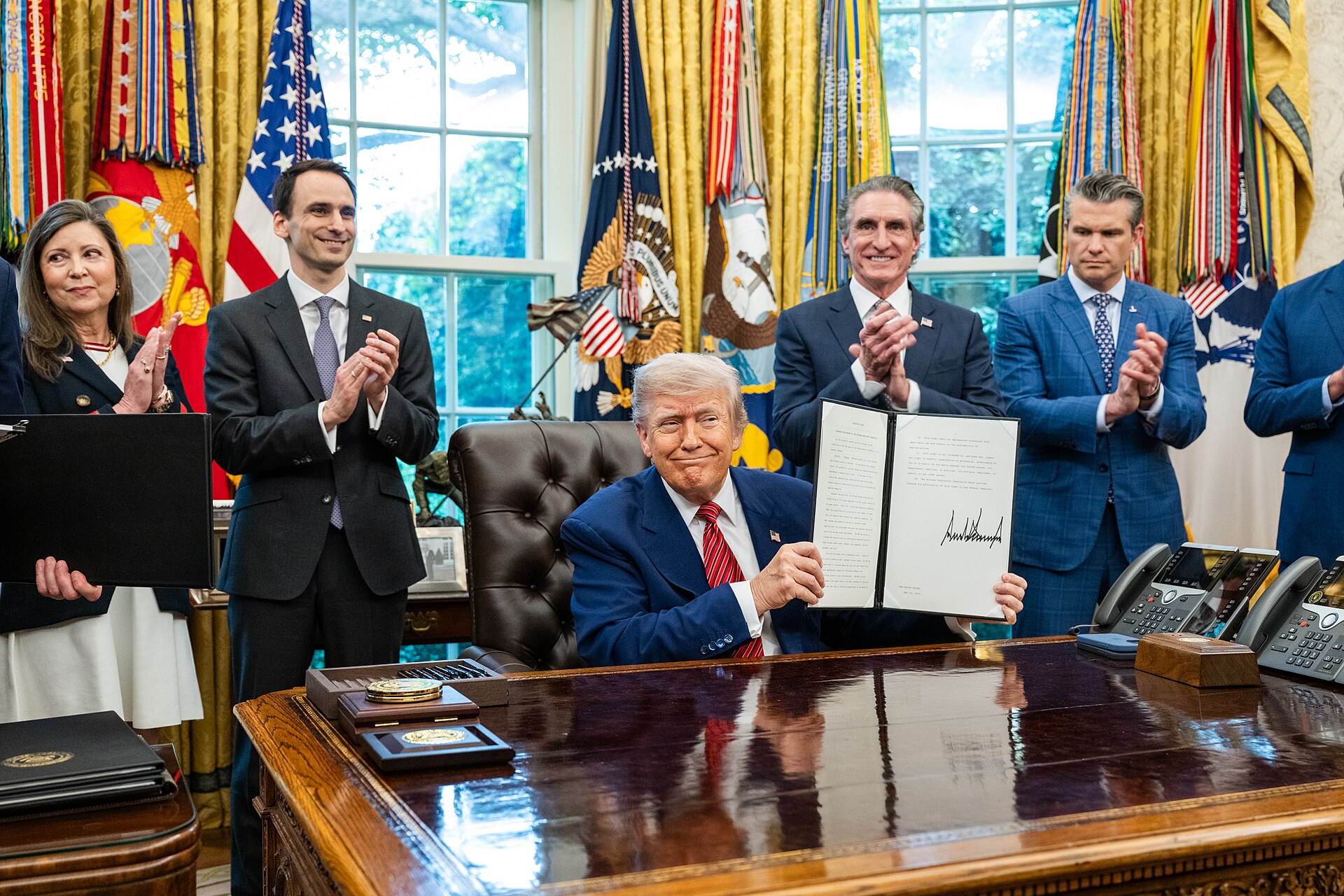
President Trump signing one of the nuclear EOs last year. (Photo: Official White House Photo)
This Saturday, May 23, will mark one year since President Trump issued four executive orders (EOs) that sought to implement sweeping changes across the U.S. nuclear industry. From regulatory reform at the Nuclear Regulatory Commission to new authorization projects at the Departments of Energy and Defense, the orders sent ripples throughout the industry.
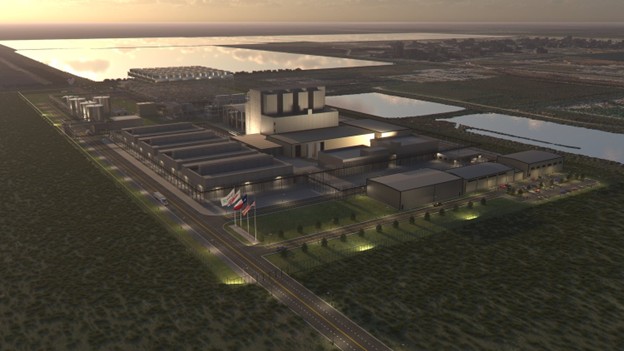
Xe-100 Dow Seadrift concept art. (Image: X-energy)
At the end of April, TerraPower announced that it had officially begun construction on its Natrium power plant in Kemmerer, Wyo.—one of the two full-scale demonstration projects in the Department of Energy’s Advanced Reactor Demonstration Program.
Now, the second ARDP-backed demonstration project, which aims to see the deployment of X-energy’s Xe-100 at a Dow chemical facility, has reached a new milestone of its own. On May 18, X-energy announced that the Nuclear Regulatory Commission has completed its environmental assessment of the proposed Long Mott Generating Facility and issued a finding of no significant impact (FONSI).