Hermes under construction in Oak Ridge, Tenn.
Kairos Power has finalized a contract with the Department of Energy to receive high-assay low-enriched uranium (HALEU) from the agency for the company’s Hermes low-power demonstration reactor, currently under construction in Oak Ridge, Tenn.
In partnership with Los Alamos National Laboratory, Kairos intends to use the DOE-provided material to produce HALEU TRISO fuel pebbles for Hermes. The company views the Hermes test reactor and the fuel fabrication program as crucial to the eventual success of its power-producing Hermes 2 demonstration plant, also to be sited in Oak Ridge, and future commercial fluoride salt–cooled high-temperature reactors.
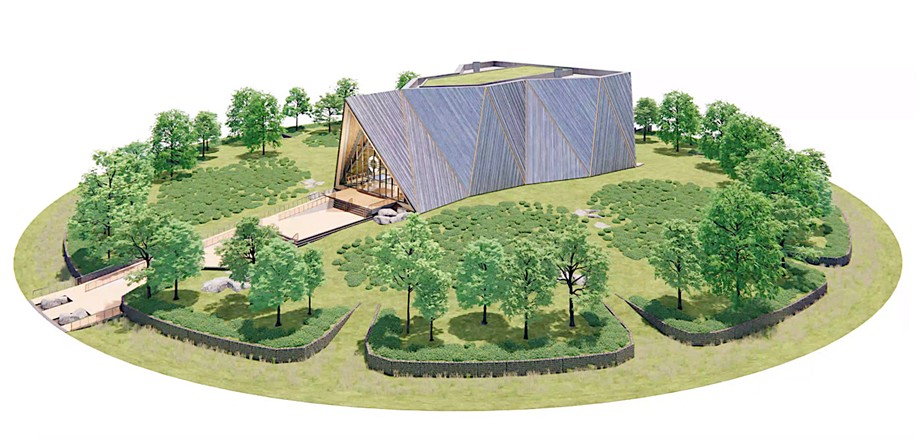
Concept art of LIS Technologies’ commercial enrichment facility on Duct Island. (Source: LIS Technologies)
On January 16, Tenn. Gov. Bill Lee, Deputy Gov. Stuart McWhorter, and officials from Laser Isotope Separation Technologies announced the company’s plans to expand in Oak Ridge, Tenn. That expansion will come with a $1.38 billion investment from LIS Technologies for what the company says will be the first commercial laser uranium enrichment plant in the United States.
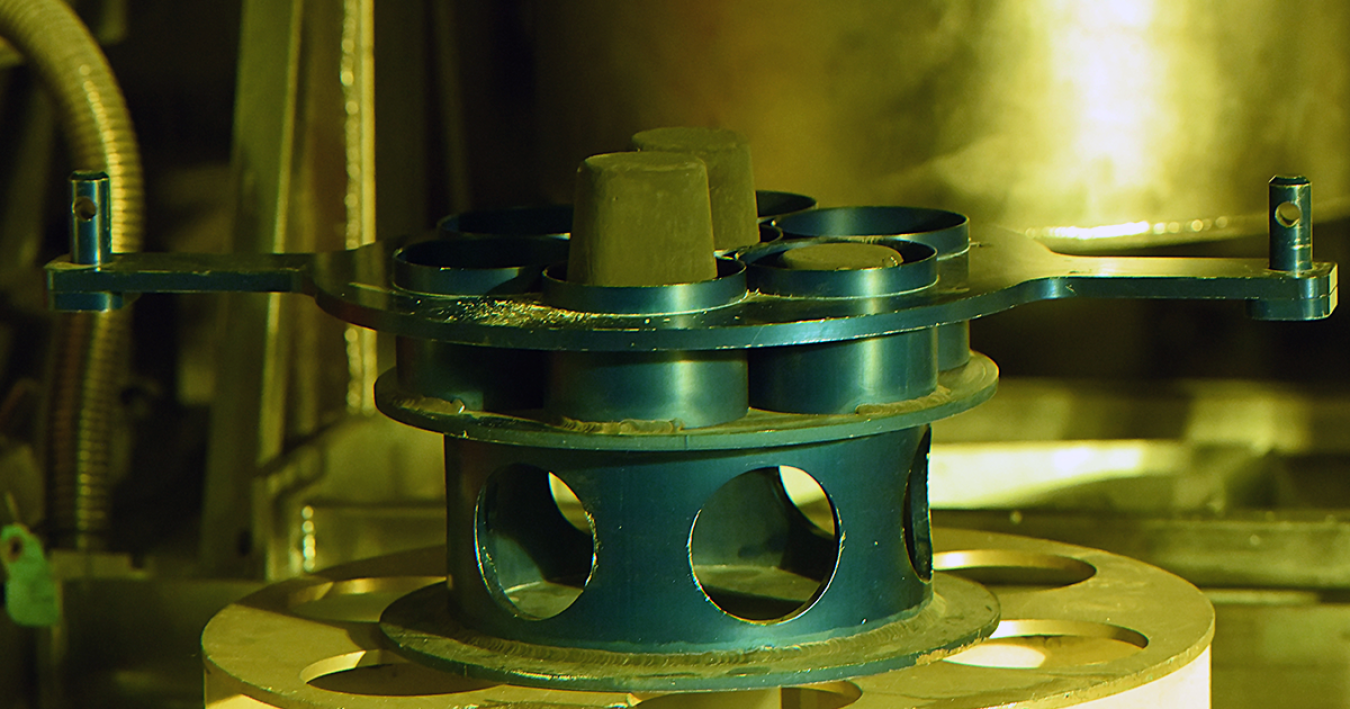
HALEU reguli fabricated from downblended high-enriched uranium recovered from legacy EBR-II fuel at Idaho National Laboratory. (Photo: DOE)
Five companies are the recipients of Department of Energy awards to support the development, modification, and licensing of transportation packages for high-assay low-enriched uranium (HALEU) fuel. HALEU, which is enriched between 5 percent and 20 percent, is the type of fuel required for the operation of many of the small advanced nuclear reactors that are being designed and developed by U.S. companies.
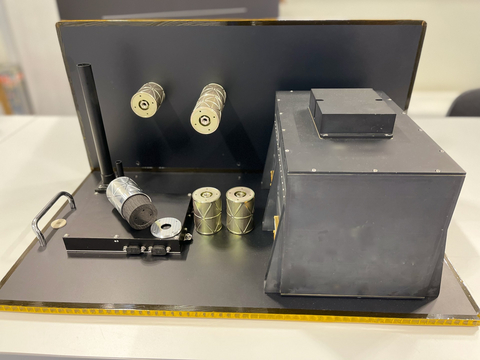
RHUs arranged in a spacecraft structure cutaway. (Photo: Perpetual Atomics)
U.K.-based Perpetual Atomics and U.S.-based QSA Global claim to have achieved a major step forward in processing americium dioxide to fuel radioisotope power systems used in space missions. Using an industrially scalable process, the companies said they have turned americium into stable, large-scale ceramic pellets that can be directly integrated into sealed sources for radioisotope power systems, including radioisotope heater units (RHUs) and radioisotope thermoelectric generators (RTGs).
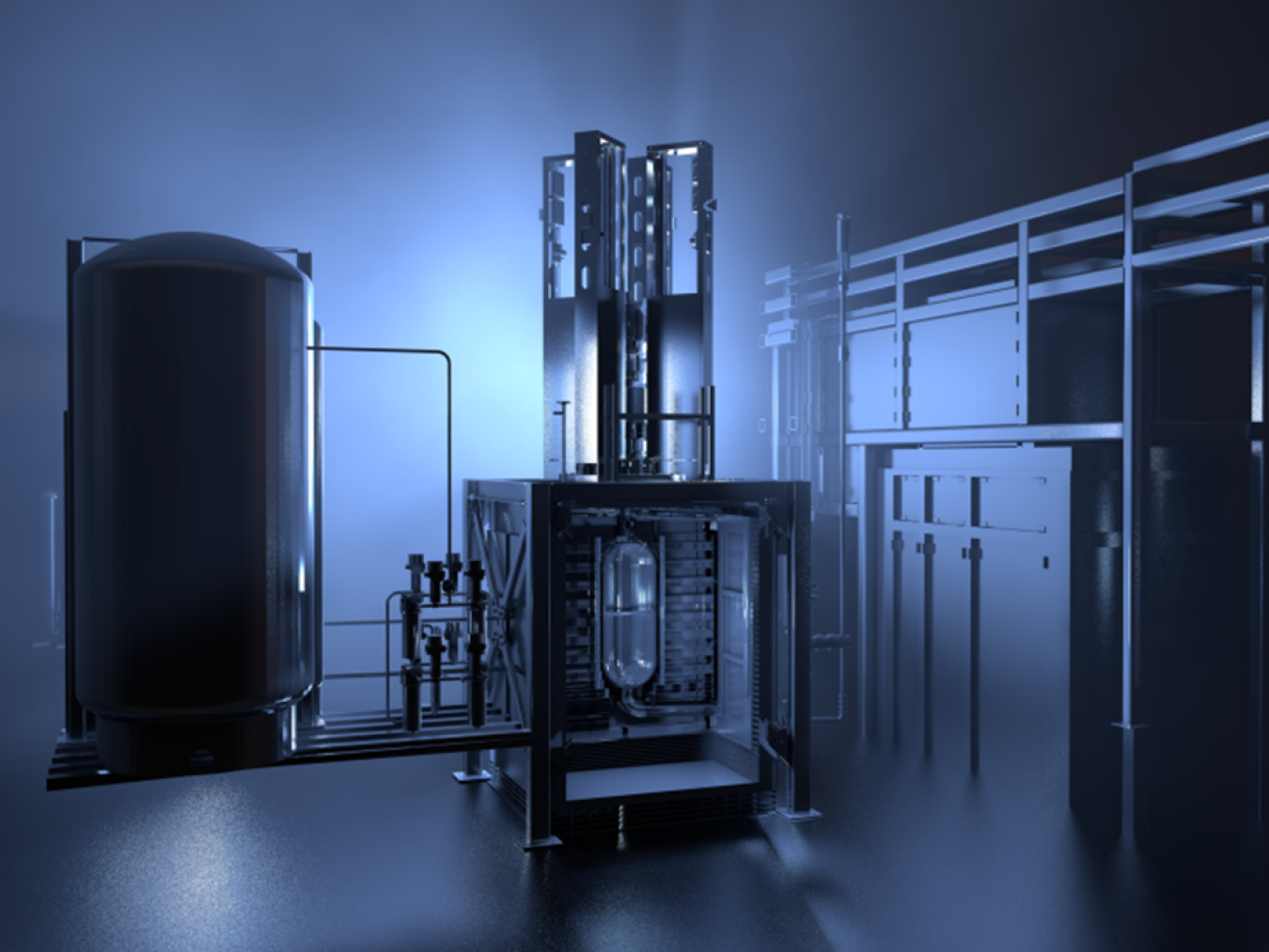
Rendering of MCRE. (Image: INL)
Idaho National Laboratory has announced the creation of the first batch of enriched uranium chloride fuel salt for the Molten Chloride Reactor Experiment (MCRE). INL said that its fuel production team delivered the first fuel salt batch at the end of September, and it intends to produce four additional batches by March 2026. MCRE will require a total of 72–75 batches of fuel salt for the reactor to go critical.
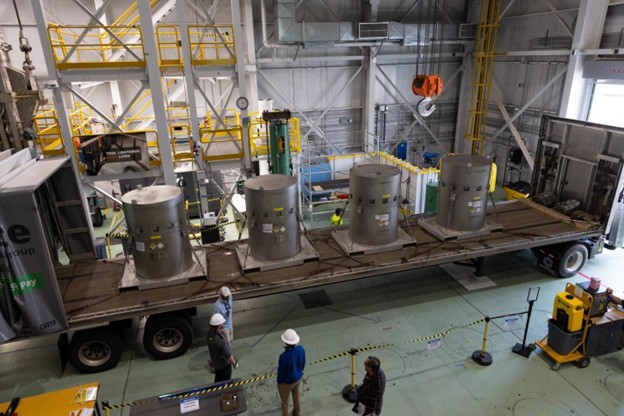
INL operations staff members prepare to unload casks containing TRISO fuel that will power Project Pele. (Photo: DOE)
This week, BWX Technologies, alongside Idaho National Laboratory and the Department of Defense’s Strategic Capabilities Office, announced the arrival of a full core of TRISO fuel at INL’s Transient Reactor Test Facility.
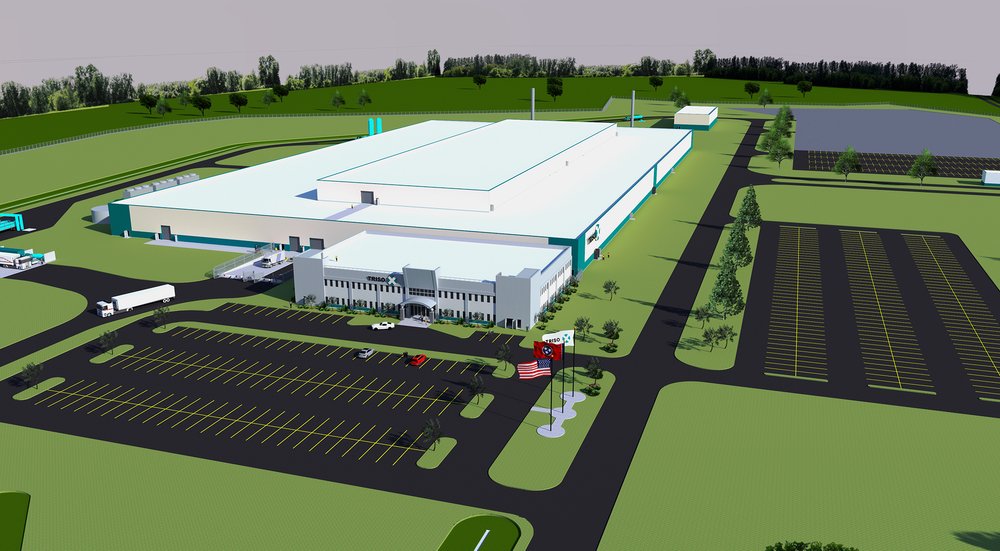
Concept art of the proposed TRISO-X TX-1 fuel facility in Oak Ridge, Tenn. (Image: X-energy)
Due to the days lost to the government shutdown, the Nuclear Regulatory Commission has extended the public comment period for a draft environmental impact statement for the TX-1 advanced nuclear fuel fabrication facility being built in Oak Ridge, Tenn.
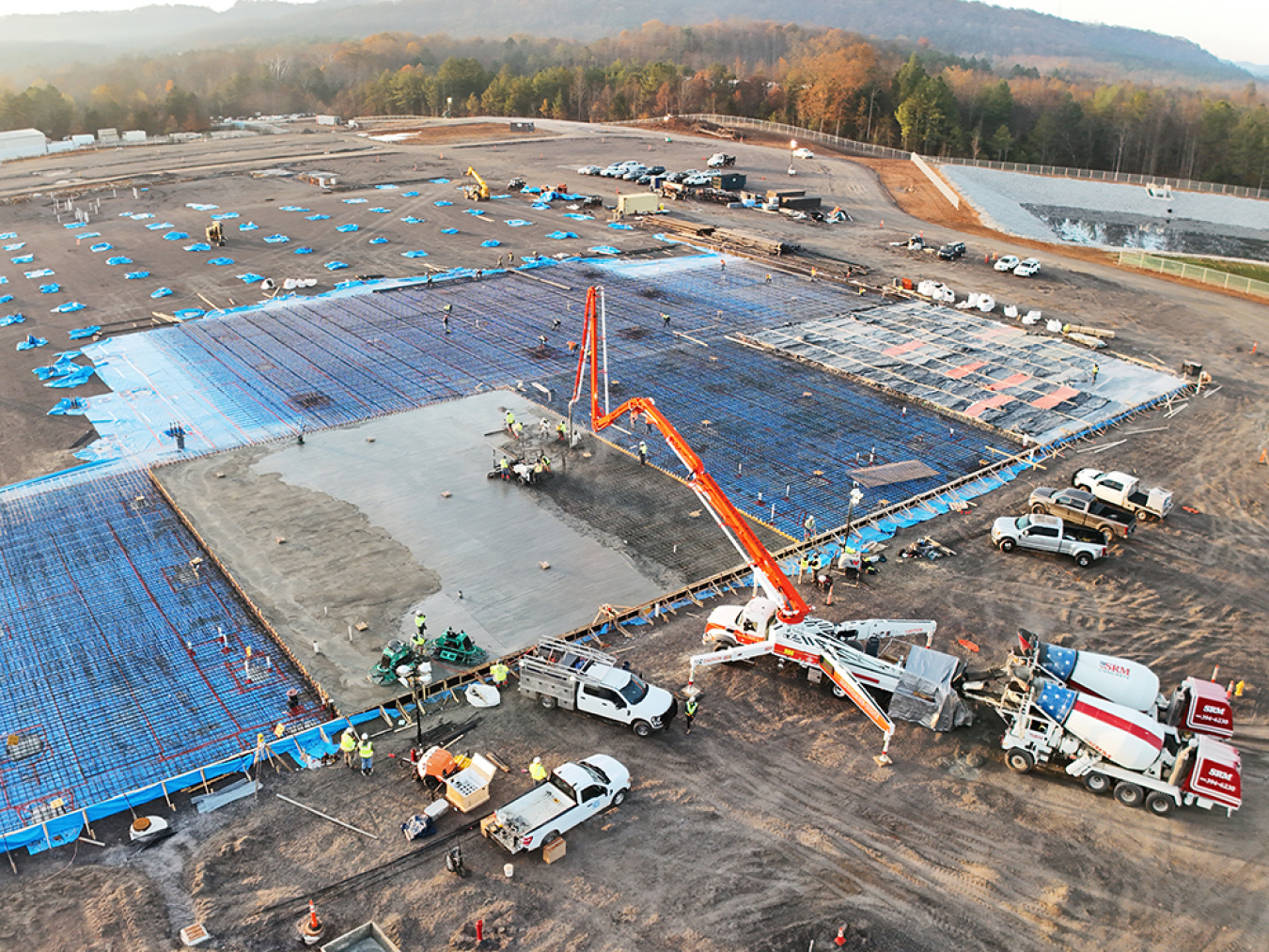
Work starts on X-energy’s advanced fuel fabrication facility in Oak Ridge, Tenn. (Photo: X-energy)
Small modular reactor developer X-energy and its subsidiary TRISO-X announced yesterday the start of aboveground construction for its TX-1 advanced nuclear fuel fabrication facility in Oak Ridge, Tenn. The first-in-the-nation facility will be the first of two Oak Ridge facilities built to manufacture the company’s TRISO fuel for use in its Xe-100 SMR.
Concept art of the Aurora Powerhouse. (Image: Oklo)
The Department of Energy’s Idaho Operations Office has approved the Nuclear Safety Design Agreement (NSDA) for Oklo Inc.’s Aurora Fuel Fabrication Facility (A3F) at Idaho National Laboratory. The A3F is being built to fabricate fuel assemblies for Oklo’s Aurora Powerhouse, a liquid metal–cooled, metal-fueled fast reactor with a maximum power of 75 MWe.
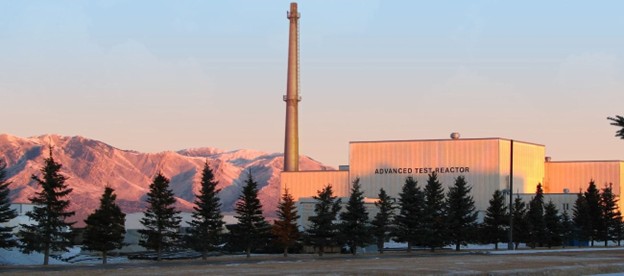
The Advanced Test Reactor site at Idaho National Laboratory. (Photo: INL)
Advanced reactor and fuel developer X-energy has officially begun confirmatory irradiation testing at Idaho National Laboratory on its TRISO-X fuel. The testing, which is taking place over the course of the next 13 months, will evaluate the fuel across a variety of operating scenarios and—if all goes according to plan—will be instrumental in qualifying it for commercial use.