“TEPCO has worked diligently to earn understanding from the local community, Niigata Prefecture, and society as a whole with regard to our initiatives for improving the safety of our power station by disseminating information during reactor startup, etc. We will continue to listen closely to the opinions and concerns of stakeholders while carefully advancing these engagement activities,” TEPCO officials said in a statement.
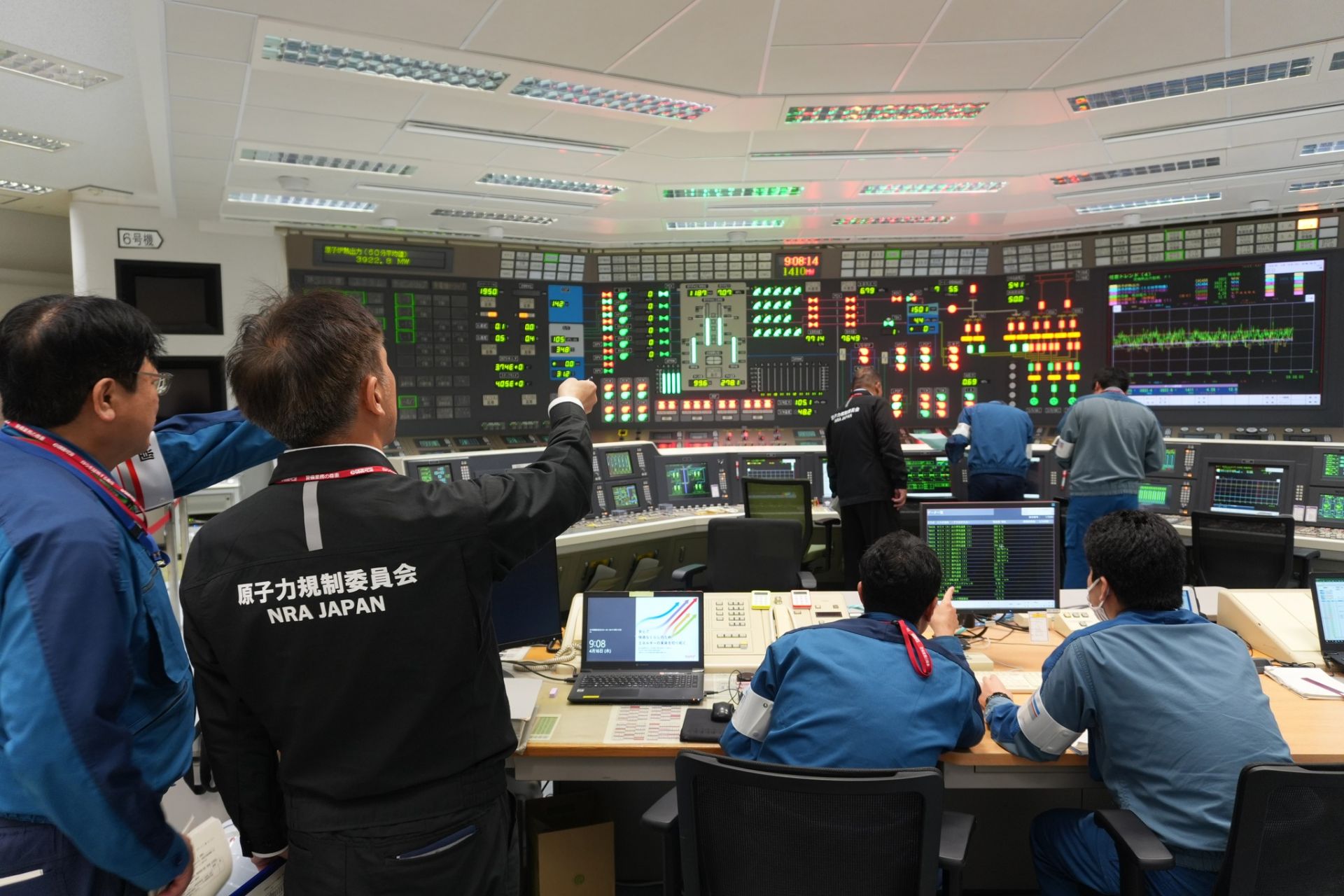
The restart comes on the heels of Japan’s Nuclear Regulation Authority issuing preoperational confirmation and preoperational inspection certificates. Commercial operations resumed at 4 p.m. local time on Thursday, April 16.
Background: TEPCO initiated startup procedures at Kashiwazaki Kariwa-6 on January 21; however, the process lasted just a few hours before operations were suspended due to an alarm sounding.
The restart resumed on February 9, with revised plans to begin commercial operations on March 18. But multiple news outlets reported that a minor electrical leak from the generator pushed back the commercial restart date into April.
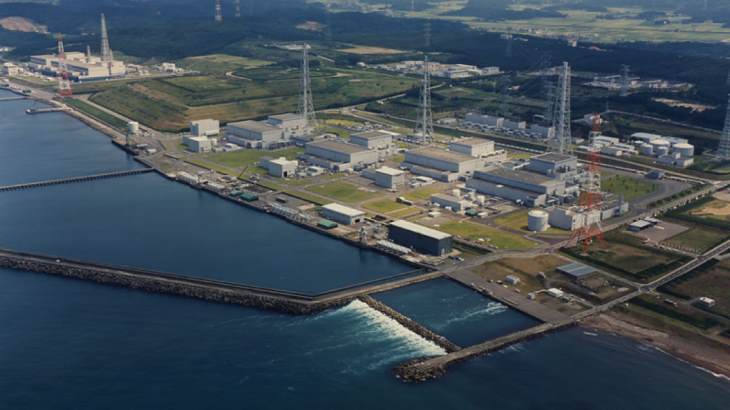
Kashiwazaki Kariwa is one of the world’s largest nuclear power plants, with seven reactors that have a combined capacity of nearly 8 GW. The station was completed in 1997, but all units were shut down following the events of March 2011. TEPCO plans to restart Kashiwazaki Kariwa-7—another 1,315-MWe BWR—by 2030. The fate of the other five reactors has not been determined.
With this most recent restart, 15 operable reactors have restarted in Japan since 2011, when all 54 of the country’s reactors were shut down following the Fukushima Daiichi accident.
Earthquake, tsunami updates: On Monday, just days after the commercial restart, a magnitude-7.7 earthquake hit off the Sanriku coast of northeastern Japan. This prompted tsunami warnings and advisories in several areas of northern Japan that were then downgraded to tsunami advisories and eventually to tsunami forecasts, according to the Japan Meteorological Agency.
The Nuclear Regulation Authority posted on social media that no abnormalities were observed at any nuclear facilities. TEPCO posted on its website that there were no abnormalities in its main power system. The earlier tsunami advisory issued for Fukushima Prefecture prompted TEPCO to issue evacuation orders for its workers at the Fukushima Daiichi and Daini power plants, according to the utility.

_70610.jpg)