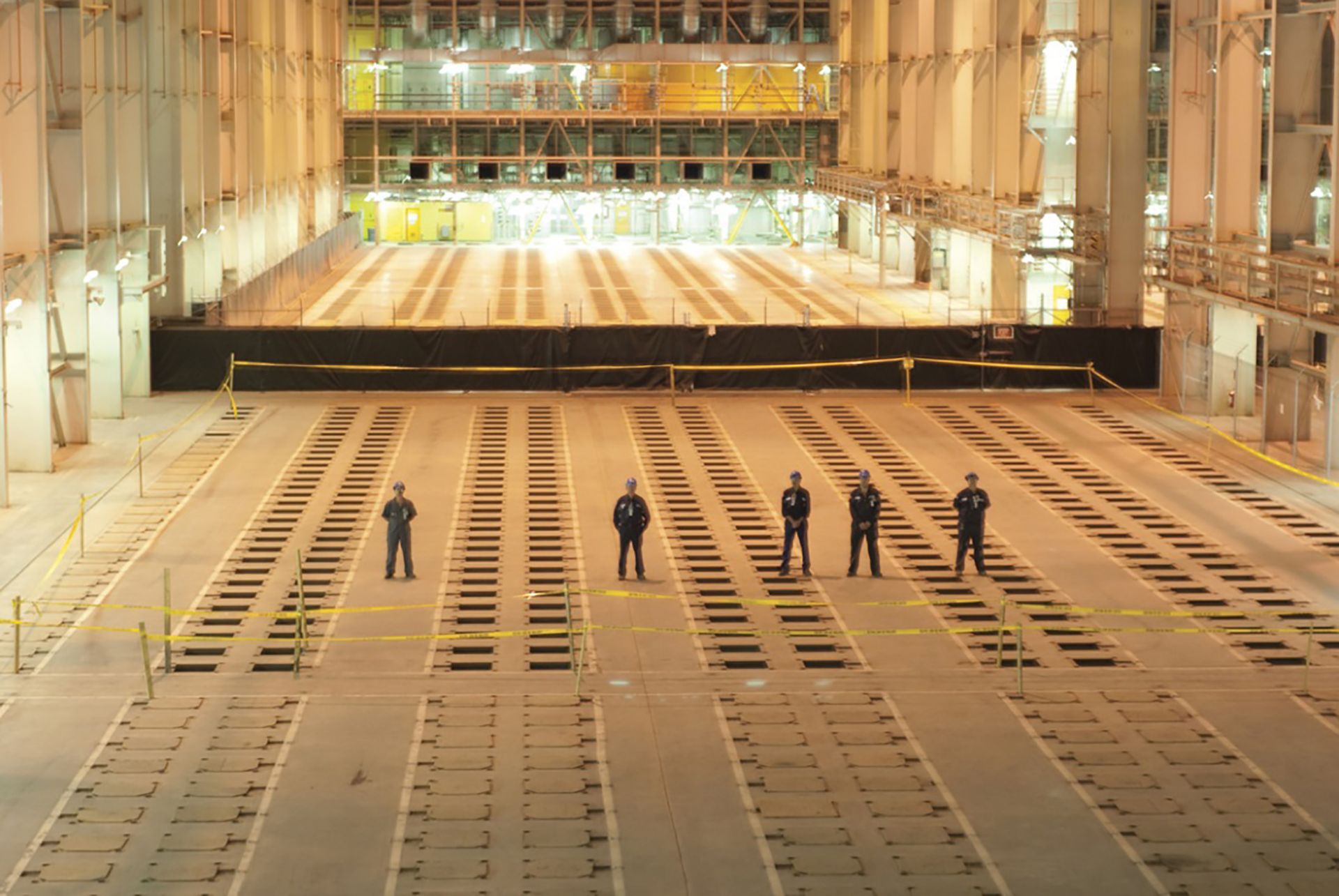
UWC 2020: A call for transformational change
Bowing to current COVID-19 realities but buoyed by the success of June’s virtual Annual Meeting, ANS event planners returned to the virtual realm for this year’s Utility Working Conference. Originally scheduled for August 9–12 at Marco Island, Fla., the condensed event was held Wednesday, August 11, wherever registrants’ computer devices happened to be located.
In addition to 26 educational sessions and workshops, UWC 2020 featured an opening plenary session titled “Achieving Transformational Change: A leadership discussion,” moderated by Bob Coward, MPR Associates principal officer and ANS past president (2017–2018). Plenary panelists included representatives from three utilities—Arizona Public Service (APS), Exelon, and Xcel Energy—plus the Institute of Nuclear Power Operations (INPO) and the Nuclear Regulatory Commission.
In addition to coverage of the opening plenary further below, Newswire also covered other UWC sessions from the day, which are available for reading here:
- More from UWC 2020 Click here
- More from UWC 2020: Round 2 Click here
- More from UWC 2020: Round 3 Click here
The opening plenary coverage starts directly below:
 House Democrats on June 30 rolled out a vision of what U.S. climate change policy might look like in the event the Democratic party holds its current House majority, retakes the Senate, and wins the White House in November. The vision was presented in the form of a sweeping 547-page majority staff report entitled

 Nuclear power plant performance includes both operational and safety aspects and is an outcome of numerous elements, such as the reliability of equipment, reduction in challenges to plant operations, protection of workers, and proficiency of operations. These elements are inextricably linked to each other and to the safety of each facility. In short, a well-run plant is a safe plant for the workers and the public, and a well-run plant is an efficient plant. By-products of high performance include improved regulatory performance, worker safety, plant reliability, and, most important, public health and safety.