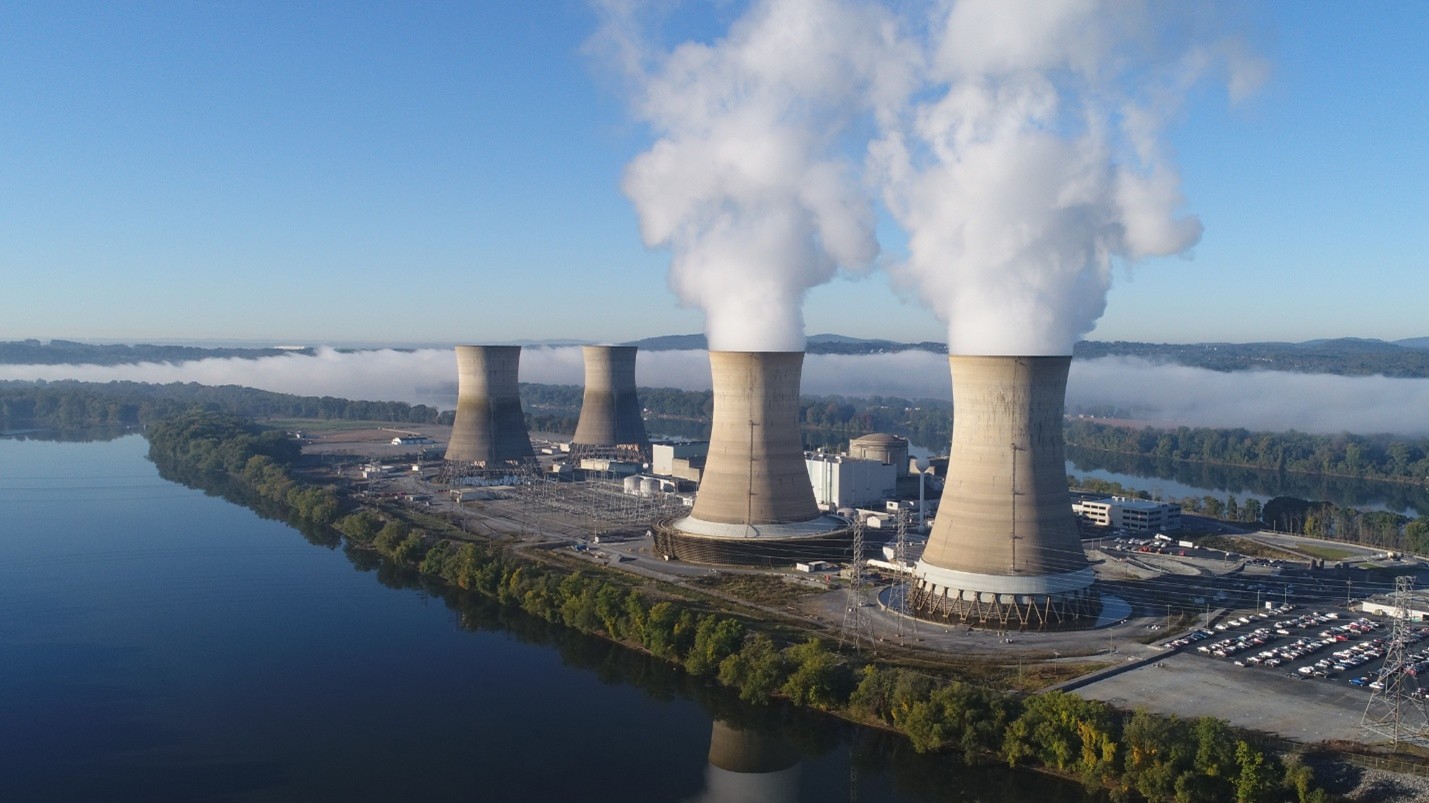
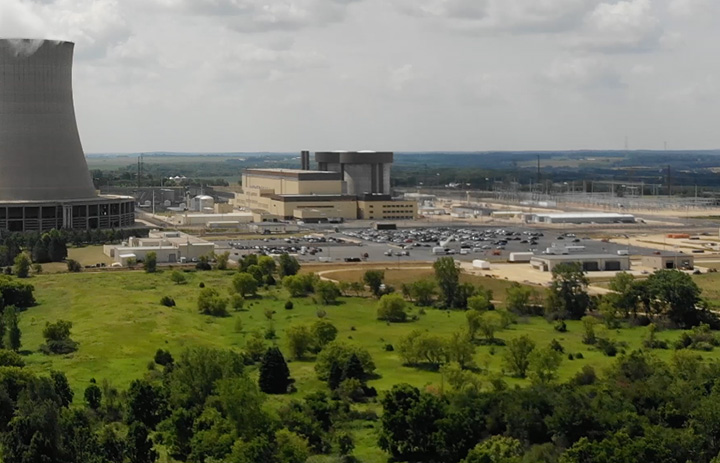
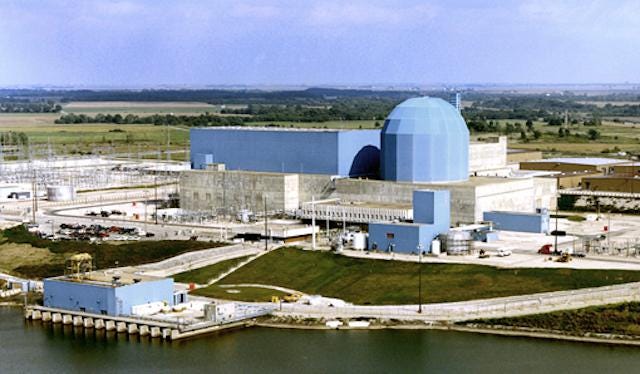
TMI-1 prior to its 2019 shutdown. (Photo: Constellation)
The Department of Energy announced on November 18 that it has closed on a $1 billion loan through its Loan Programs Office to Constellation to aid in financing the restart of the 835-MWe Crane Clean Energy Center, formerly Three Mile Island-1.
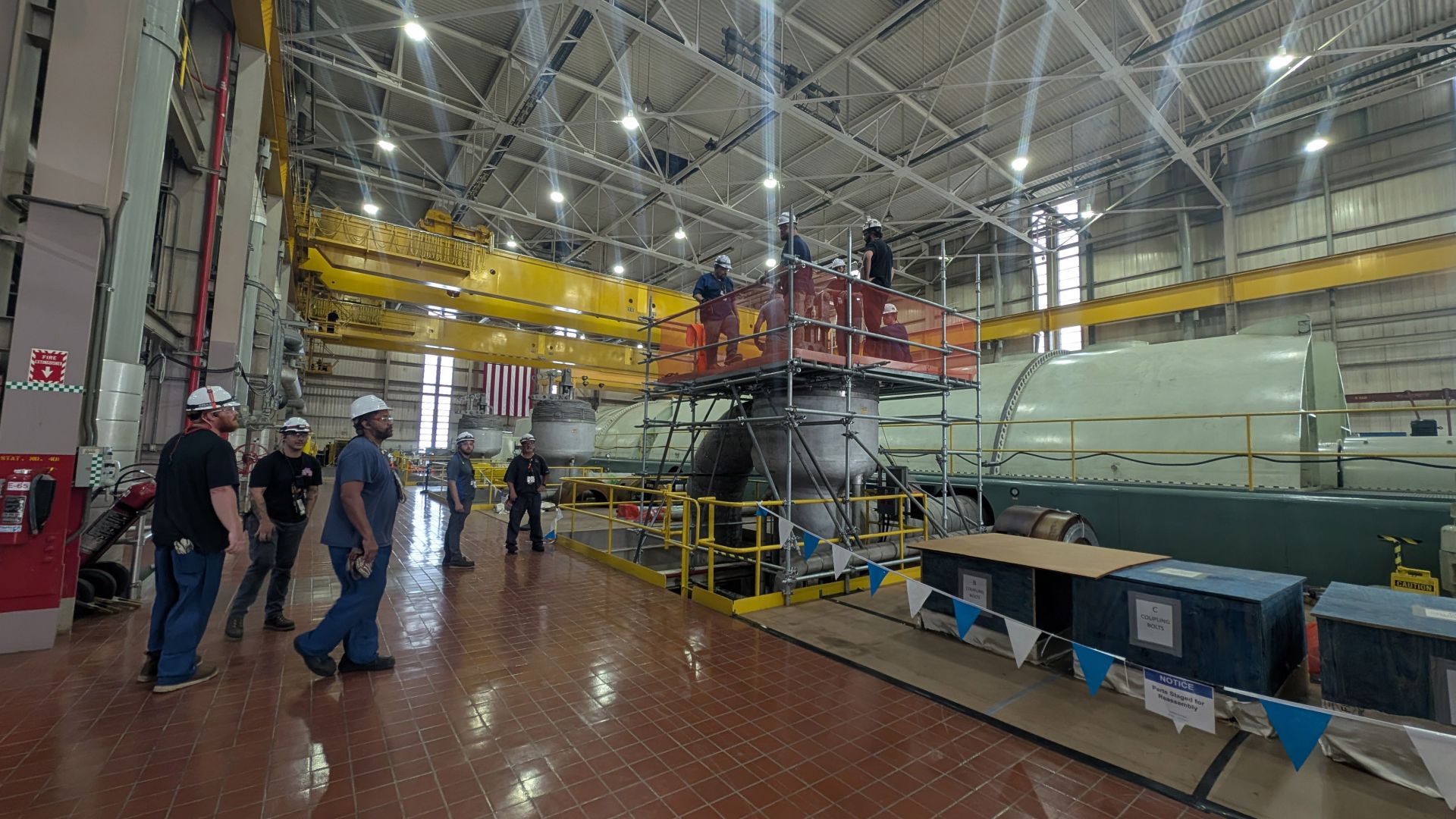
This summer, turbine specialists inspected and restored the Crane Clean Energy Center’s approximately 800-ton main turbine. (Photo: Constellation)
Mike Kramer has a background in finance, not engineering, but a combined 20 years at Exelon and Constellation and a key role in the deals that have Meta and Microsoft buying power from Constellation’s Clinton and Crane sites have made him something of a nuclear expert.
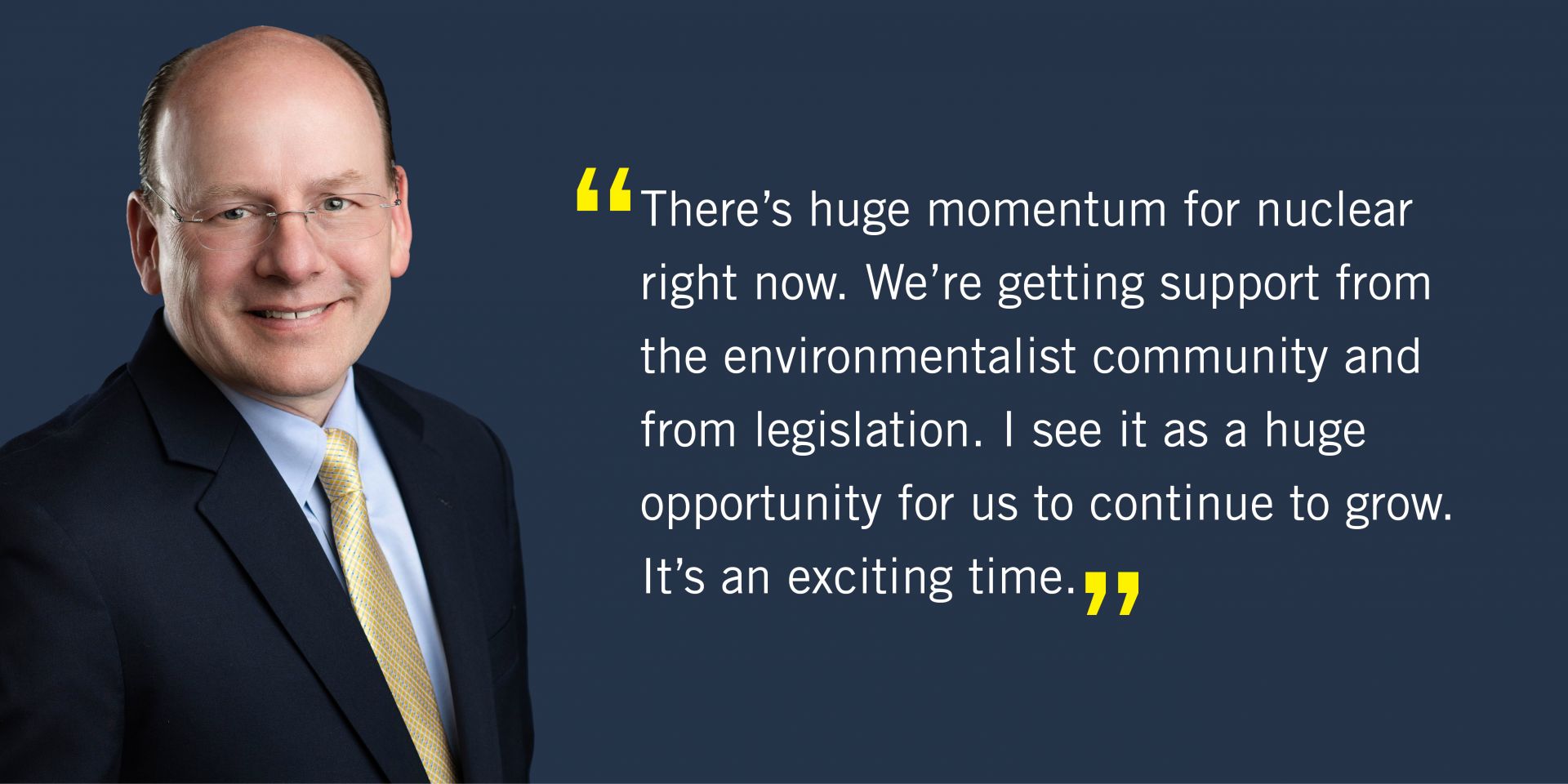
Kramer spoke with Nuclear News staff writer Susan Gallier in late August, just after a visit to Clinton in central Illinois to celebrate a power purchase agreement (PPA) with Meta that closed in June. As Constellation’s vice president for data economy strategy, Kramer was part of the deal-making—not just the celebration.
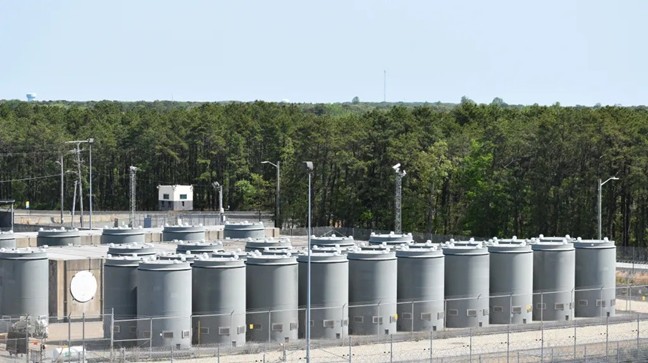
The Oyster Creek ISFSI. (Photo: Holtec International)
The Tax Court of New Jersey has ruled that Oyster Creek’s spent nuclear fuel storage casks are subject to taxation as real property.
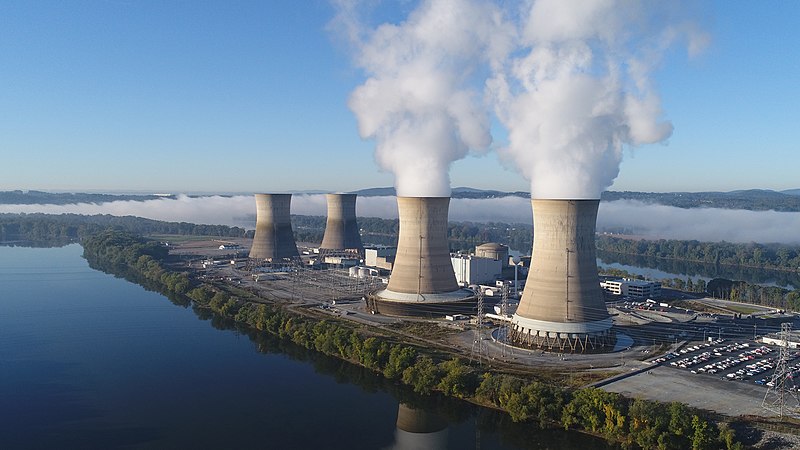
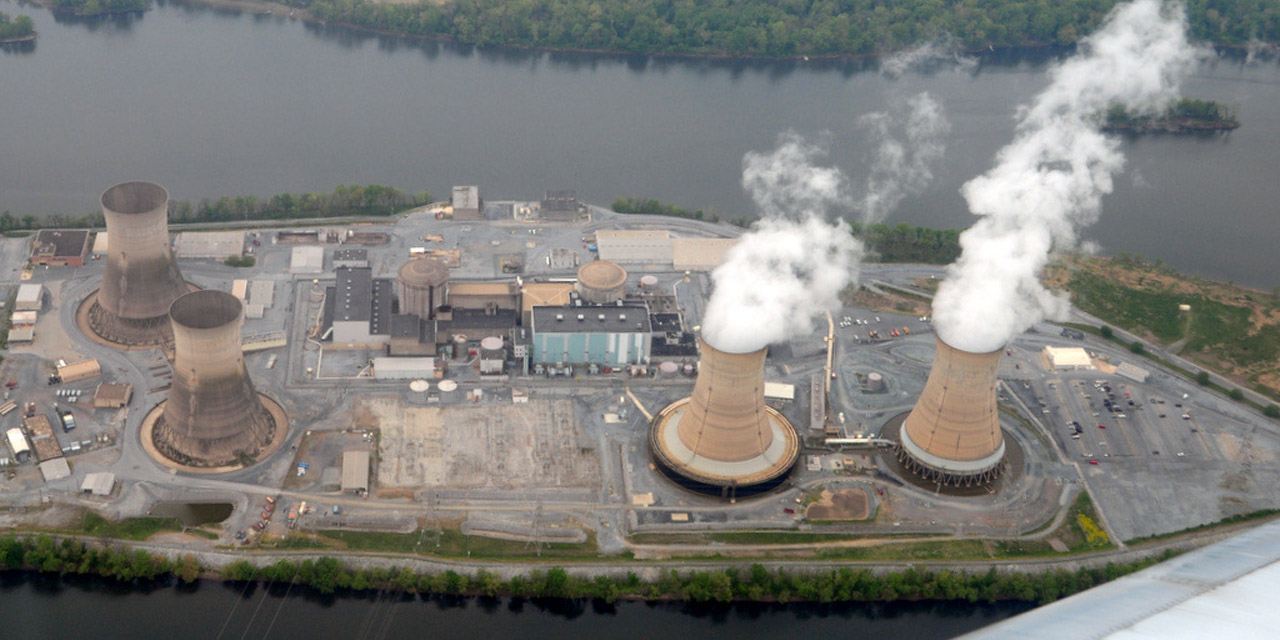
Before shutdown of the plant, the working cooling towers of TMI-1 are on the right. The dormant cooling towers on the left are for Unit 2, which was permanently closed because of the 1979 accident. (Photo: Constellation Energy)
Nuclear powerhouse Constellation announced today the signing of a 20-year power purchase agreement with Microsoft that will pave the way for the restart of Three Mile Island Unit 1—under a new name to honor Chris Crane, former chief executive of Exelon when Constellation was part of the larger company.
Byron nuclear power plant. (Photo: Constellation)
While no development details have been released, Constellation is asking to rezone 658.8 acres of land it owns around the Byron nuclear plant in Illinois for possible long-term use.
An aerial photo of the three mile island nuclear power station. (Photo: Constellation)
On the company’s earnings call this month, Constellation CEO Joe Dominguez was asked if there is a possibility of restarting the shuttered Three Mile Island plant—as is being proposed for the Palisades nuclear plant in Michigan.
“We’re not unaware that opportunity exists for us,” Dominguez said. “We’re obviously seen what’s happened with Palisades and I think that was brilliant. Brilliant for the nation. … We are doing a good bit of thinking about a number of different opportunities, and that would probably certainly be one of those that we would think about.”
The Zion nuclear plant site as it appeared earlier this year. (Photo: Tim Gregoire)
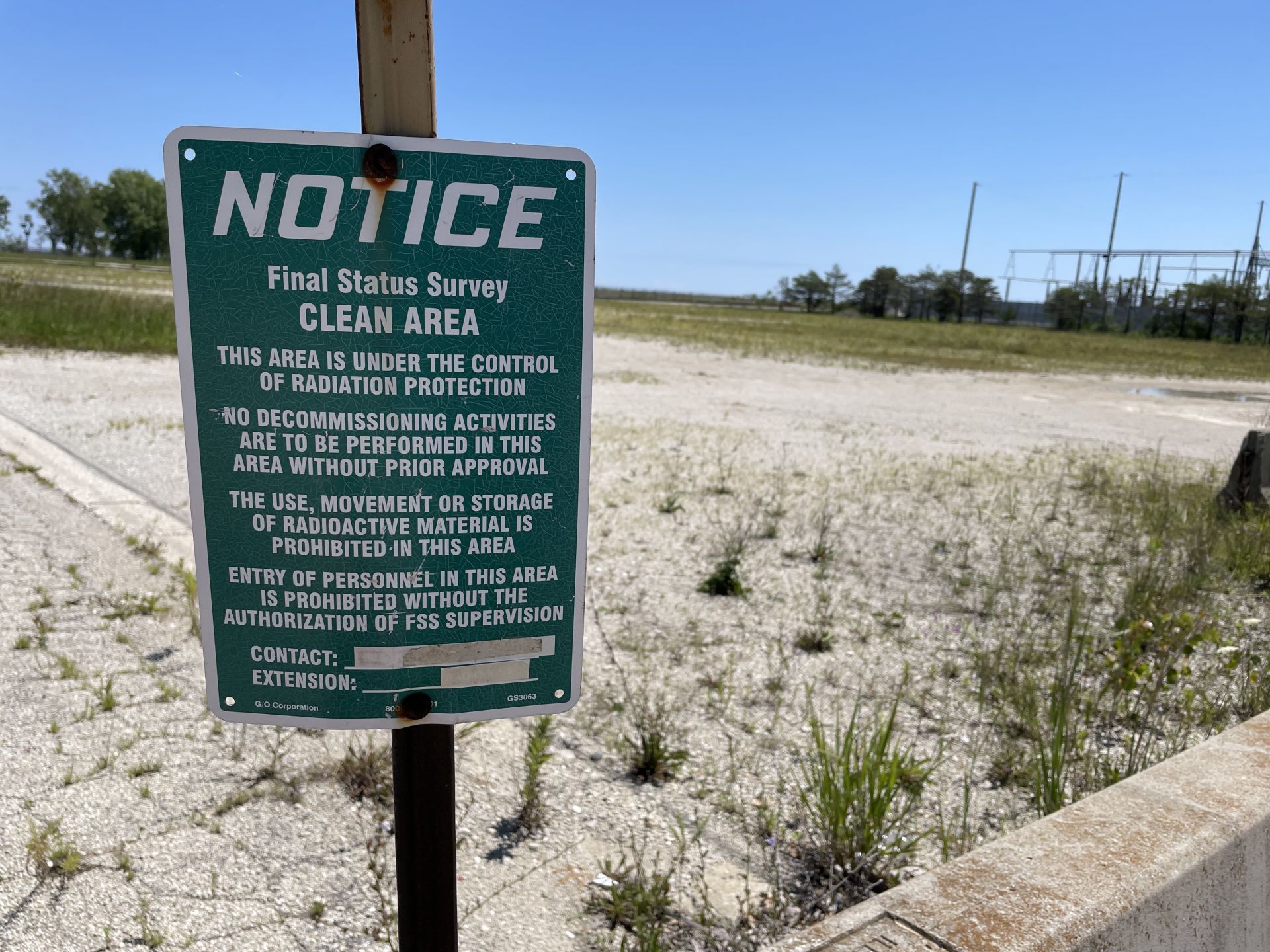
The Nuclear Regulatory Commission has released for “unrestricted use” most of the land on and around where the Zion nuclear power plant once operated in northeastern Illinois. This means that any residual radiation is below the NRC’s limits and there will be no further regulatory controls by the agency for that portion of the property.
Constellation Energy's Clinton nuclear power plant. (Photo: NRC)
Constellation Energy, owner and operator of the nation’s largest reactor fleet, will ask the Nuclear Regulatory Commission to extend the operating licenses of the Clinton and Dresden reactors by 20 years, the company announced Monday, adding that it expects to file license applications with the agency in 2024.
Holtec’s Advanced Manufacturing Division, in Camden, N.J. (Photo: Holtec)
The Department of Energy earlier this year approved part one of a loan application from Holtec International for small modular reactor construction and invited the firm to apply for a loan to help build four of its SMR-160 units and grow its manufacturing capacity to produce the first wave of SMRs.
Annie Caputo (left) and Bradley R. Crowell
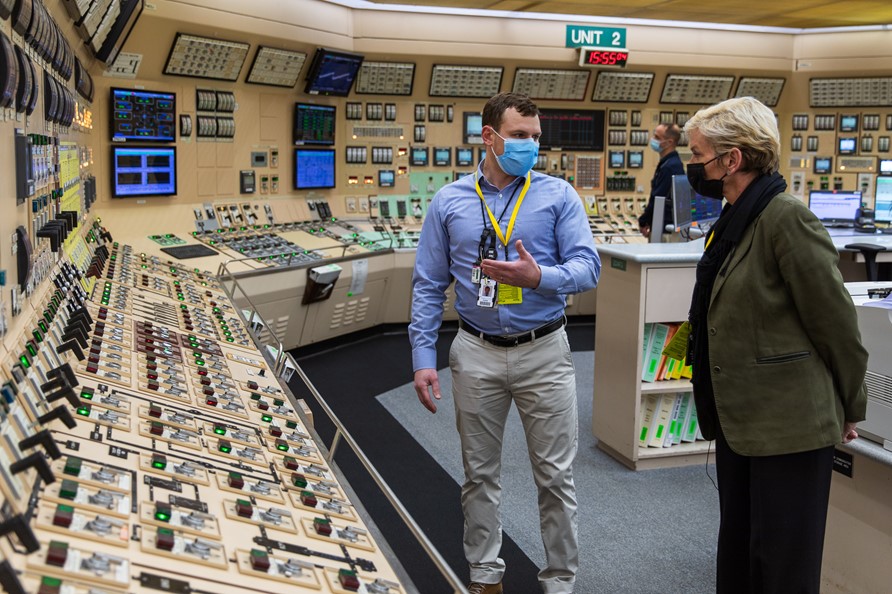
Energy secretary Jennifer Granholm tours the Braidwood control room on December 9. (Photo: Exelon)
Energy secretary Jennifer Granholm toured the Braidwood nuclear plant in Illinois last week as part of a statewide tour to promote the climate provisions in the recently passed trillion-dollar infrastructure law and the Build Back Better Act, over which the Senate continues to haggle.