
-3 2x1.jpg)
Game-playing AI technique may lead to cheaper nuclear energy
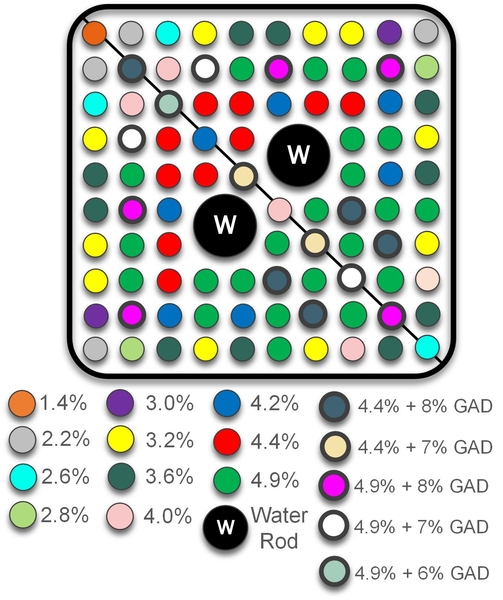
In this AI-designed layout for a boiling water reactor, fuel rods are ideally positioned around two fixed water rods to burn more efficiently. MIT researchers ran the equivalent of 36,000 simulations to find the optimal configurations. Colors correspond to varying amounts of uranium and gadolinium oxide in each rod. Image: Majdi Radaideh/MIT
Researchers at the Massachusetts Institute of Technology and Exelon show that by turning the nuclear fuel assembly design process into a game, an artificial intelligence system can be trained to generate dozens of optimal configurations that can make each fuel rod last about 5 percent longer, saving a typical power plant an estimated $3 million a year, the researchers report.
The AI system can also find optimal solutions faster than a human and can quickly modify designs in a safe, simulated environment. The results appear in the journal Nuclear Engineering and Design.
 In 1970, a bit more than 50 years ago, then–ANS President Nunzio Palladino gave an evening lecture in Brussels to the newly formed Belgian local section of the American Nuclear Society. It was the seed for what would become the Belgian Nuclear Society, but the story starts even earlier than that.
 The Department of Energy’s Office of Nuclear Energy created the Innovations in Fuel Cycle Research Awards program for university students in 2010. Now known as the Innovations in Nuclear Technology R&D Awards, the program aims to engage faculty and students in innovation and innovative thinking, increase experiential activities related to nuclear technology, and prepare students to engage in nuclear policy discussions.

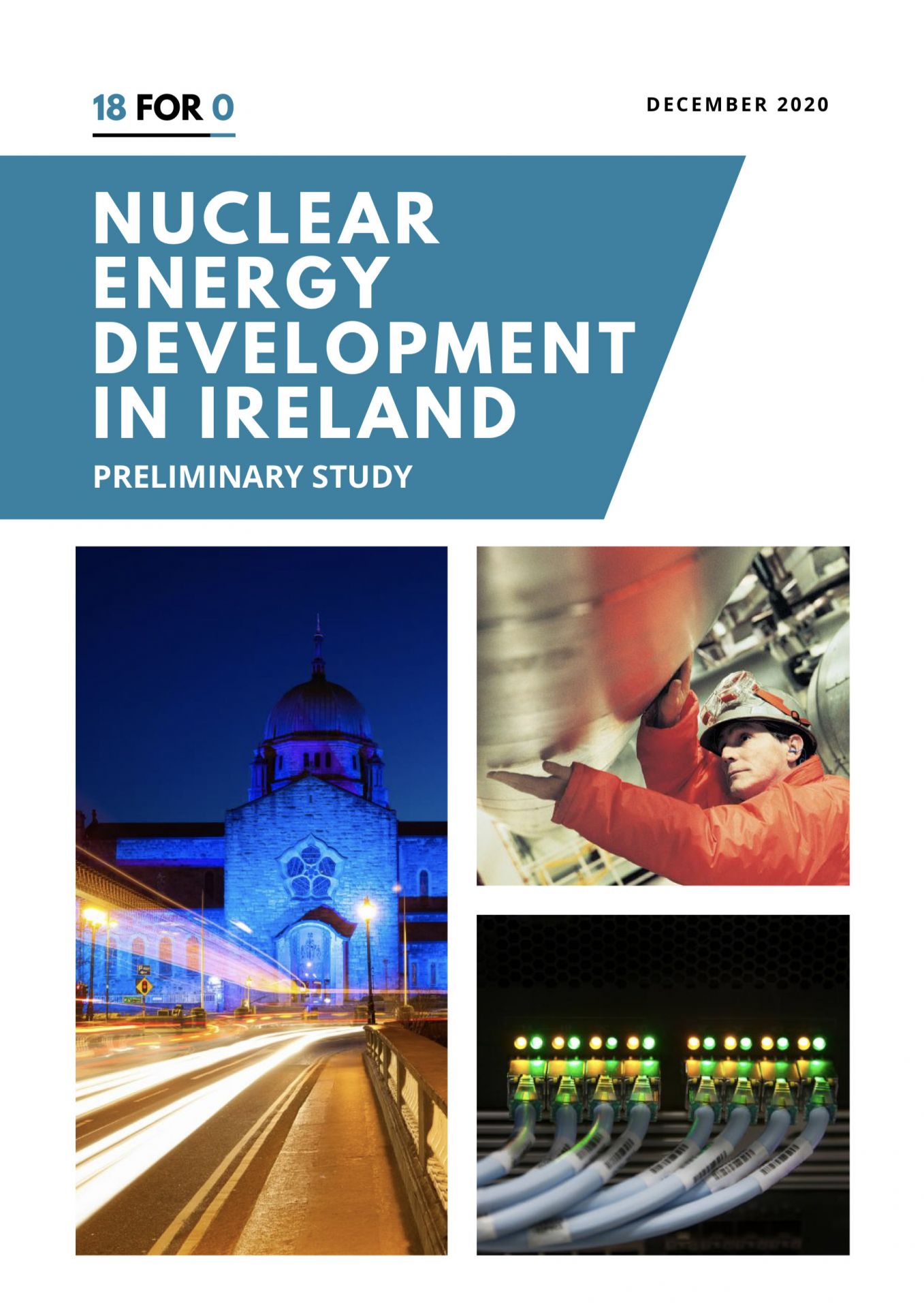 Just released by a group called 18 for 0, the 47-page preliminary study
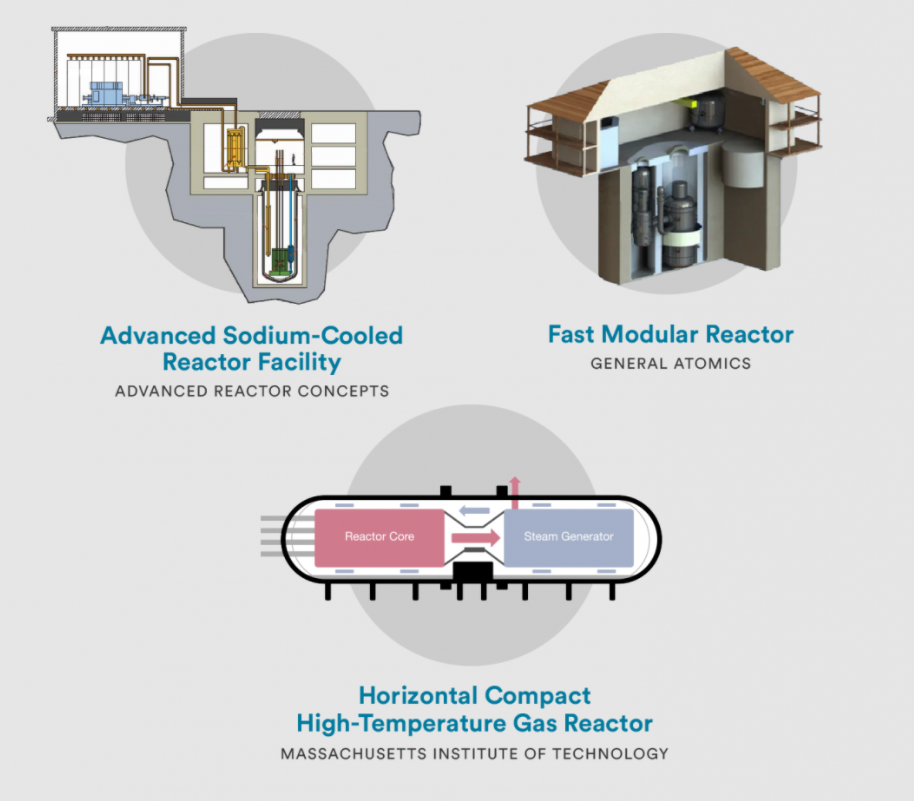
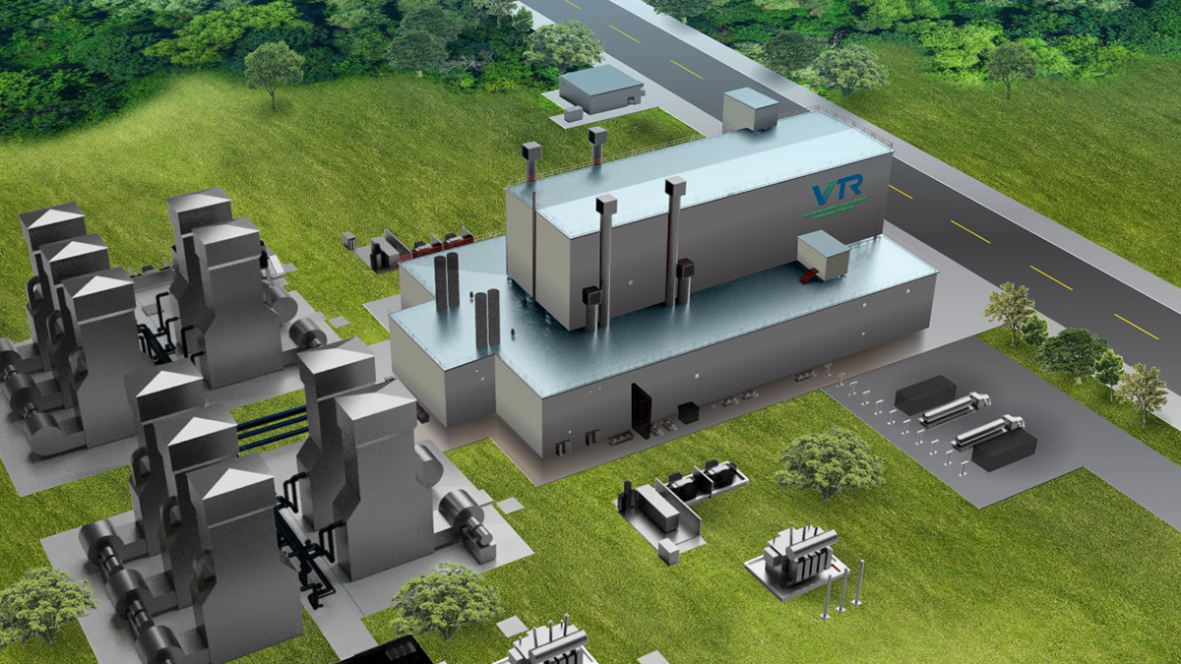 The Department of Energy has begun the environmental review of its proposed Versatile Test Reactor (VTR), releasing a
  Declaring small modular reactors to be “the next innovation that will help us reach net-zero emissions by 2050,” Canadian Minister of Natural Resources Seamus O’Regan last week introduced his government’s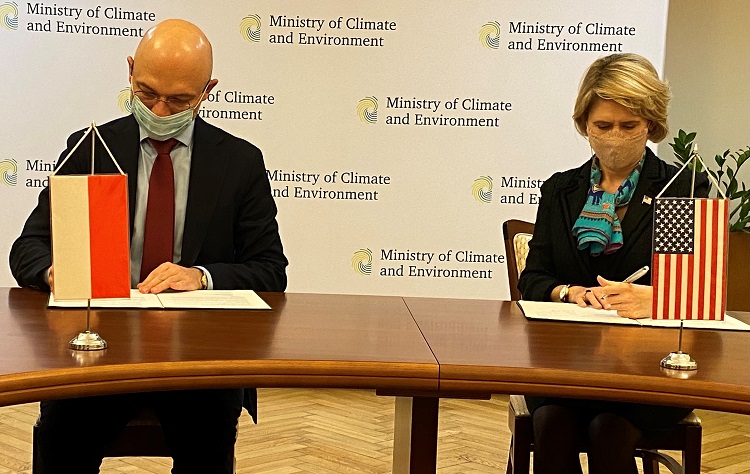
 This article presents responses from various community members about those who inspired them—or the events or things that inspired them—to go on to have careers in nuclear.