State legislation: Iowa governor pushing nuclear power

A pair of bills working their way through the Iowa statehouse aim to promote nuclear energy projects in the state—in part by changing how the plants would be regulated and funded.
-3 2x1.jpg)
A message from Curtiss-Wright
High-Temperature neutron flux detectors for Generation IV reactors and SMRs

A pair of bills working their way through the Iowa statehouse aim to promote nuclear energy projects in the state—in part by changing how the plants would be regulated and funded.

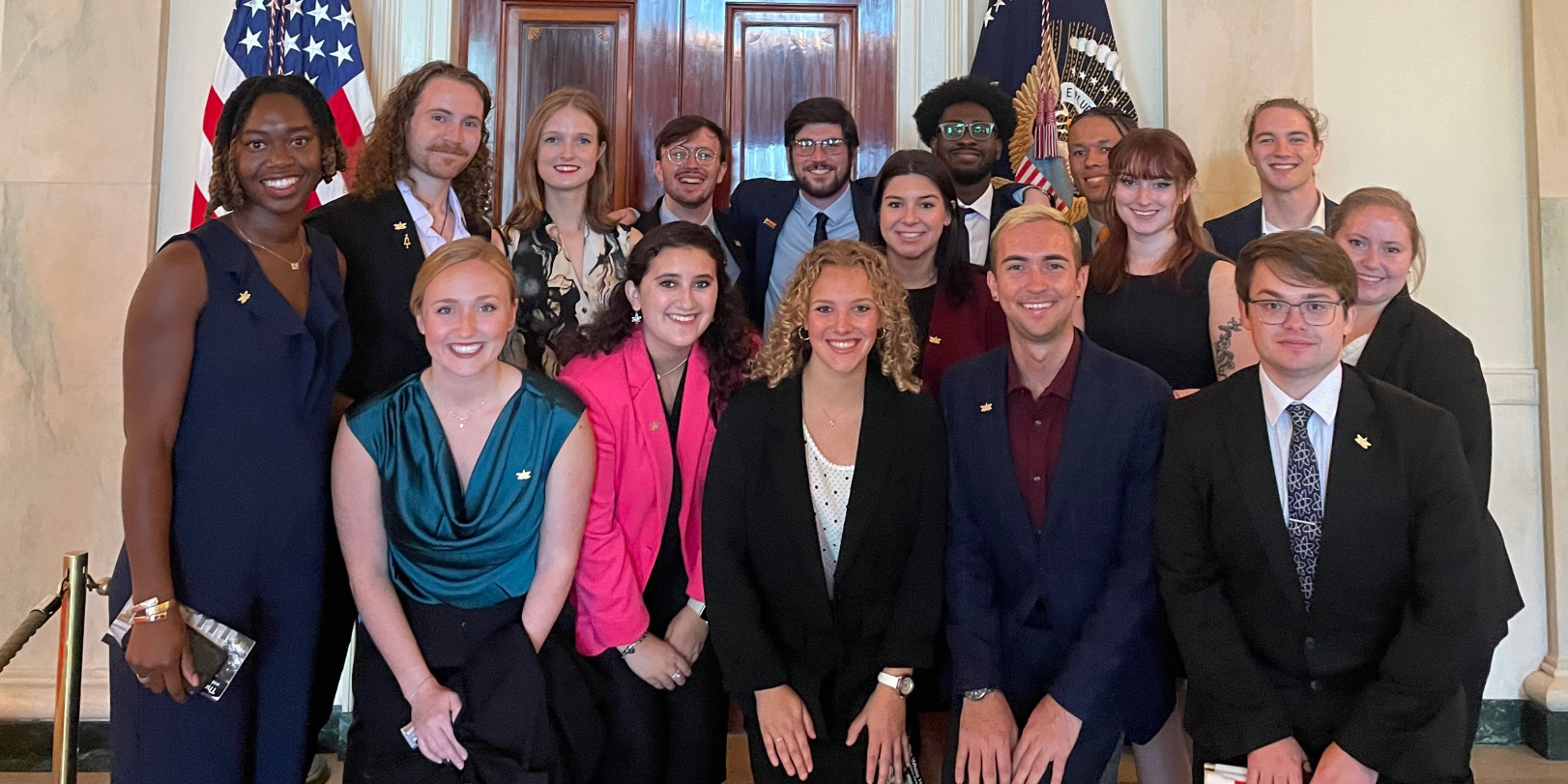
Applications for the 2025 Nuclear Engineering Student Delegation (NESD) are now open. Student delegates have a unique opportunity to directly engage with policymakers in Washington, D.C., educating them on and advocating for nuclear energy initiatives of critical importance to the United States.
Attend its official launch online March 20
A new report from the Atlantic Council Global Energy Center follows up on its 2024 workshops with recommendations for deploying advanced nuclear energy in the Appalachian area to spur economic development.

The American Nuclear Society election is now open. Members can vote for the Society’s next vice president/president-elect and treasurer as well as six board members (four U.S. directors, one non-U.S. director, and one student director). Completed ballots must be submitted by 1:00 p.m. (EDT) on Tuesday, April 15, 2025.

Merz
The conservative Christian Democratic Union came out on top in Germany’s February 23 election. CDU leader Friedrich Merz achieved a “lackluster win,” as the Associated Press termed it, but his party’s political agenda could mean a revival for nuclear energy in Germany.
The country shut down its final nuclear reactor in 2023, in large part as a reaction to the 2011 accident at Japan’s Fukushima Daiichi nuclear plant. Now many Germans are taking a renewed interest in clean, reliable nuclear power.
First, Merz and the CDU need to form a coalition to secure at least 316 votes in Parliament before he can be formally elected chancellor of Germany, the AP reports. Provisional results shared by Politico show that the CDU carried 28.5 percent of Sunday’s vote, trailed by the Alternative for Germany Party with 20.8 percent, the Social Democratic Party with 16.4 percent, and Alliance 90/the Greens with 11.6 percent.

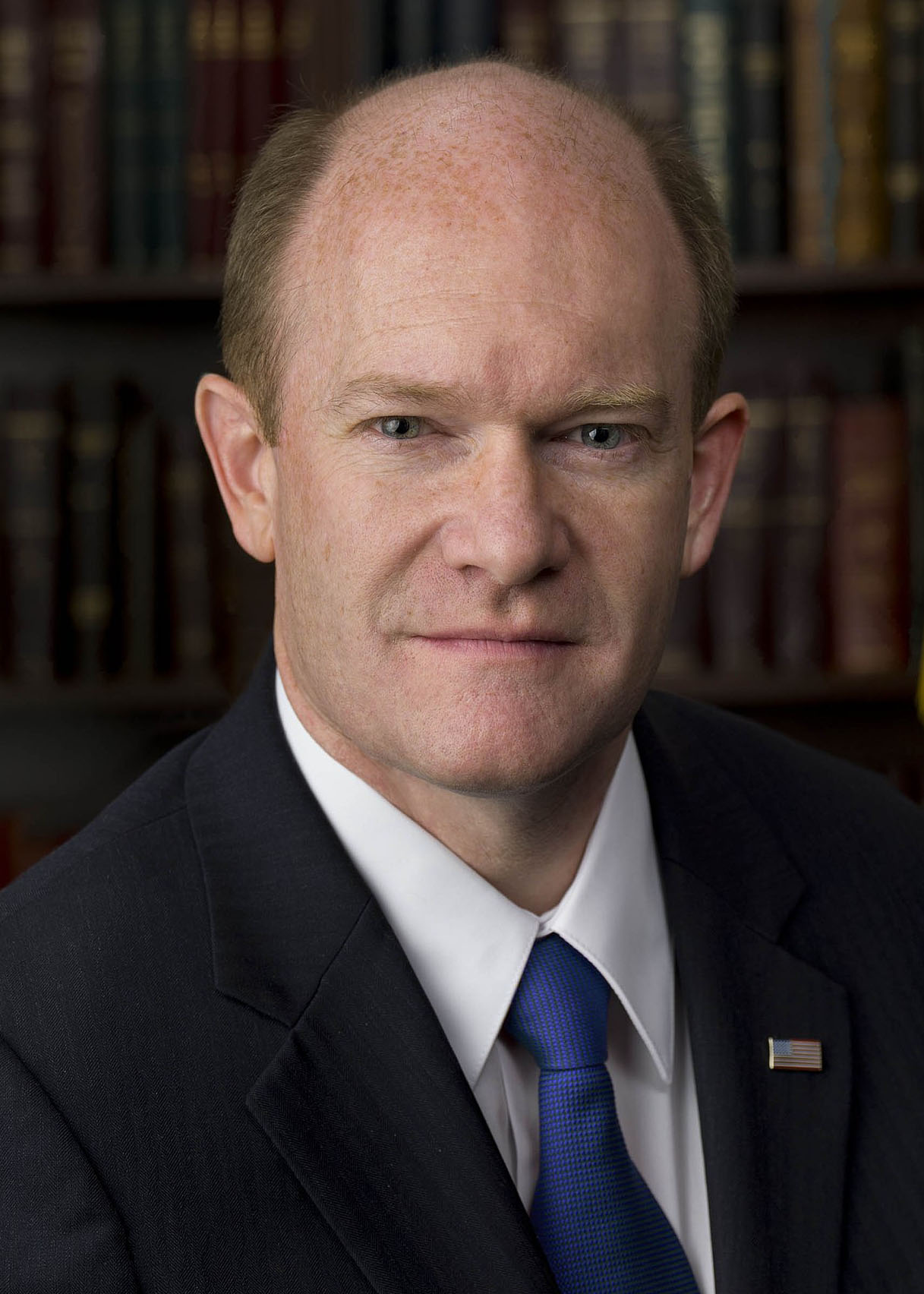
Coons

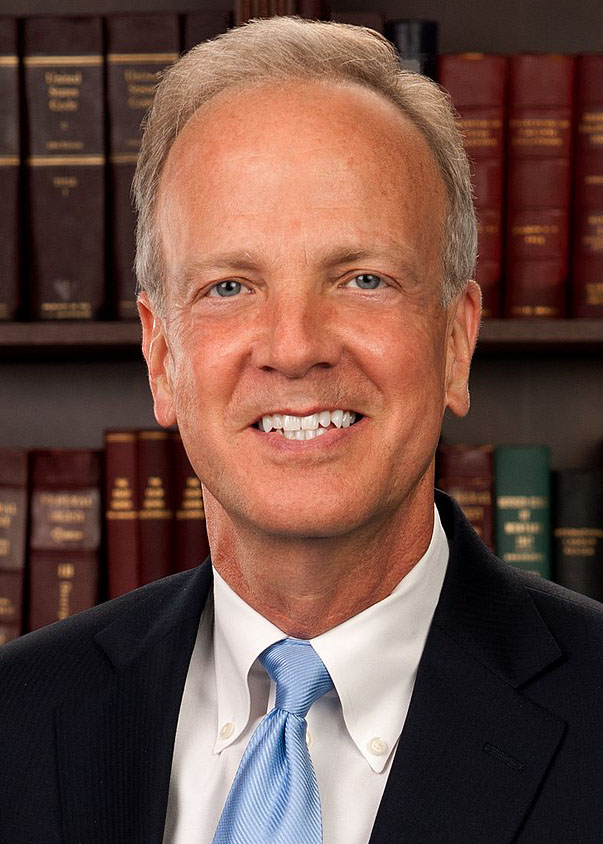
Moran
The bipartisan Financing Our Futures Act, which expands certain financing tools to all types of energy resources and infrastructure projects, was reintroduced to the U.S. Senate on February 20 by Sens. Jerry Moran (R., Kan.) and Chris Coons (D., Del.).
Via amendment to the Internal Revenue Code, the legislation would allow advanced nuclear energy projects to form as master limited partnerships (MLPs), a tax structure currently available only to traditional energy projects.
An MLP is a business structure that is taxed as a partnership but the ownership interests of which are traded like corporate stock on a market. Until the Internal Revenue Code is amended, MLPs will continue to be available only to investors in energy portfolios for oil, natural gas, coal extraction, and pipeline projects that derive at least 90 percent of their income from these sources. This change would take effect on January 1, 2026.
A new council within the president’s executive circle aims to advise Trump on strategies to “achieve energy dominance,” ultimately by boosting domestic energy production.

The Nuclear Regulatory Commission is looking for feedback on its proposed rule for fees for fiscal year 2025. The proposal was published in the February 19 Federal Register. The federal government's fiscal year is the 12-month period from October 1 to September 30.
The proposed rule includes instructions on how to submit written comments to the NRC. Comments will be accepted through March 21, 2025.
The American Nuclear Society has opened applications for the Glenn T. Seaborg Congressional Science and Engineering Fellowship. Congressional Fellows can directly contribute to the federal policymaking process, working in either a U.S. senator’s or representative’s personal office or with a congressional committee. They will be responsible for supplying Congress with their expertise in nuclear science and technology, having a hand in the creation of new laws while gaining a deeper understanding of the legislative process.
ANS strongly encourages interested members to apply. Application instructions can be found here.
Texas lawmakers are considering legislative action this session on recommendations made last November by the Texas Advanced Nuclear Reactor Working Group.
Senate Bill 1105 calls for the establishment of a state-run advanced nuclear energy authority, a state permitting office, and an advanced nuclear innovation fund. Republican state Sen. Tan Parker introduced the bill.
Nuclear footprint: Texas currently has two large nuclear plants—Commanche Peak and South Texas Project—comprising four reactors that supplied nearly 10 percent of the state’s power last year.
Small modular reactors are also planned in Texas. Dow Chemical and X-energy are targeting a cluster of SMRs to support Dow’s manufacturing site in Seadrift on the Gulf Coast. At Abeline Christian University, about 200 miles west of Dallas, Natura Resources plans to install a test reactor using molten-salt cooling.
A joint resolution under consideration in the Wisconsin legislature aims to declare and promote the state’s support for nuclear power and willingness to deploy additional sources.
Energy secretary Chris Wright outlined his priorities and plans this week, including a focus on modernizing nuclear power and “taking the politics out” of energy discussions, especially as they relate to climate change.

Craig Piercy
cpiercy@ans.org
Dear Secretary Wright:
On behalf of the U.S. nuclear professional community, I offer our sincere congratulations to you on your becoming the secretary of energy.
By now, I’m sure you have figured out that “Department of Energy” is a misnomer. If the Department of Government Efficiency ever requires truth in advertising, the DOE should be renamed the “Department of Nuclear Weapons, Security, Cleanup, and Sundry Energy and Science Programs.” That’s because more than 60 percent of the DOE’s budget is dedicated to “atomic energy defense activities”—making sure our nuclear bombs work, our aircraft carriers and submarines sail, and our Cold War messes get cleaned up.

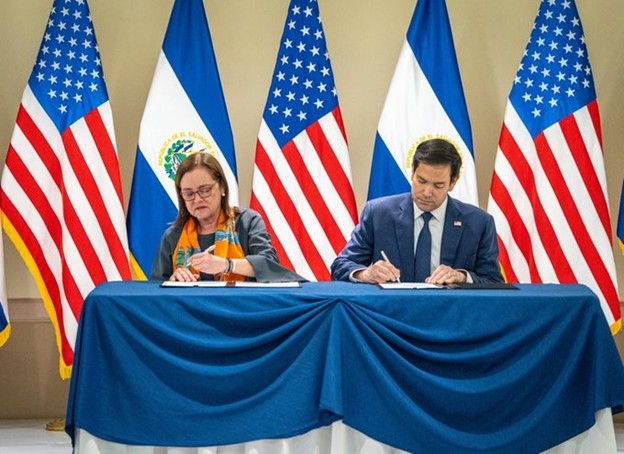
Officials from the United States and the Republic of El Salvador signed a memorandum of understanding Monday, agreeing to cooperate on strategic civil nuclear development.
In one of his first acts in office, U.S. secretary of state Marco Rubio signed the MOU with El Salvadoran foreign minister Alexandra Hill Tinoco during his recent visit.

Nuclear Newswire has learned that the Trump administration last week requested that all members of the Nuclear Waste Technical Review Board resign, except for the board’s chair, Peter Swift.
The ANS Public Policy Committee (PPC), represented by PPC chair Bradley Williams, approached the Board of Directors at the Winter Conference in November in Orlando with a request to approve a revision to Position Statement #12 regarding fusion energy.
The Nuclear Regulatory Commission has a new mission statement to formalize the agency’s pledge to “be a part of the solution” in bringing new nuclear energy projects to life across the country.

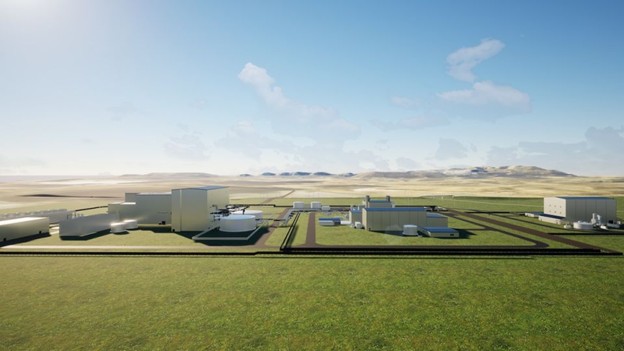
Progress continues for TerraPower’s Natrium plant, with the latest win coming in the form of a state permit for construction of nonnuclear portions of the advanced reactor.

Advanced nuclear reactor company Last Energy joined with two Republican state attorneys general in a lawsuit against the Nuclear Regulatory Commission, arguing that some microreactors should not require the commission’s approval.