Revisions for two ANS position statements approved
The ANS Public Policy Committee (PPC) approached the Board of Directors last November seeking approval of revisions to two position statements.
-3 2x1.jpg)
A message from Curtiss-Wright
High-Temperature neutron flux detectors for Generation IV reactors and SMRs
The ANS Public Policy Committee (PPC) approached the Board of Directors last November seeking approval of revisions to two position statements.
New guidelines for federal hydrogen production tax credits may leave legacy nuclear plants out in the cold.
The U.S. Treasury Department and the Internal Revenue Service have released proposed language about who would qualify for the 45V Clean Hydrogen Production Tax Credit created by the Inflation Reduction Act (IRA). The public comment period on the proposal is open until February 26.
At the ANS Winter Conference and Expo this past November, the ANS Board of Directors approved the creation of two new student sections—for the University of California–Los Angeles (UCLA) in California and the University of Wyoming (UW) in Laramie, Wyo.

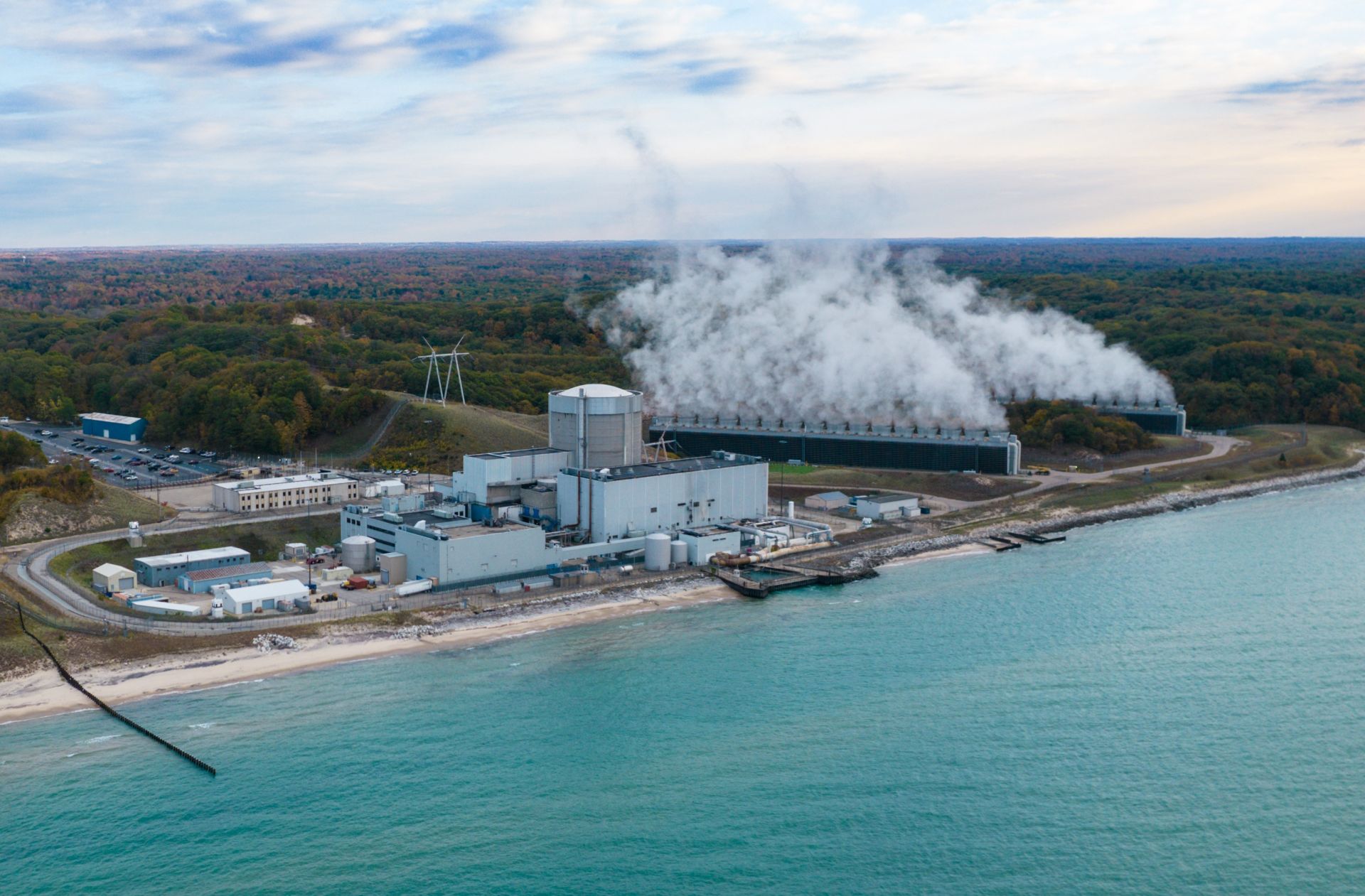
A bipartisan group of nine House members is calling on the Department of Energy to give “fair, full, and swift consideration” to Holtec International’s application for DOE Loan Programs Office funding to restart the company’s Palisades nuclear plant, closed last year by the facility’s previous owner, Entergy.
What happened at COP28, the annual United Nations climate event held this year in Dubai, was the greatest outpouring of global support for nuclear power the world has seen since the thunderous reception to Eisenhower’s Atoms for Peace call exactly 70 years ago. For the first time, nuclear energy was specifically mentioned in the closing statement of a COP event as one possible way to combat climate change.
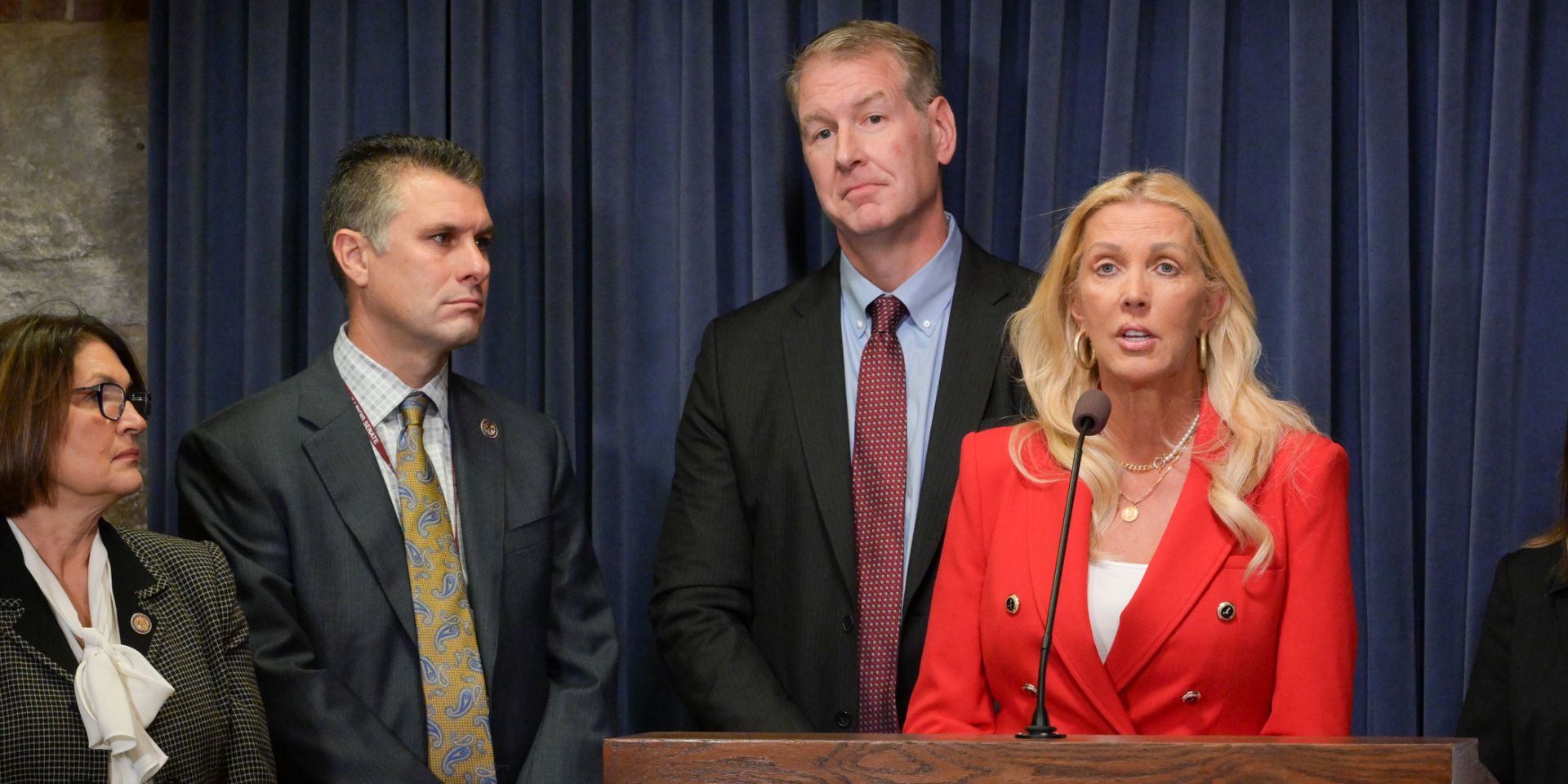
Illinois Gov. J. B. Pritzker returned to the good graces of the nuclear community last Friday, signing H.B. 2473, a bill that partially lifts the state’s decades-long moratorium on new nuclear power builds by permitting the construction of small modular reactors.
Pritzker had vetoed similar legislation, S.B. 76, in August, saying in a veto message that the bill included an overly broad definition of “advanced reactors,” which would “open the door to the proliferation of large-scale nuclear reactors that are so costly to build that they will cause exorbitant ratepayer-funded bailouts.” Pritzker had also asserted that S.B. 76 lacked “regulatory protections or updates to address the health and safety of Illinois residents who would live and work around these new reactors.”
As expected, a large number of nations at the COP28 climate conference in Dubai have issued a declaration to triple the world’s nuclear power capacity by 2050. John Kerry, U.S. special presidential envoy for climate, joined leaders and ministers from four continents on Saturday to announce the Declaration to Triple Nuclear Energy.
U.S.-endorsed declaration commits to tripling the world’s nuclear energy capacity by 2050
DUBAI, UNITED ARAB EMIRATES — Statement from American Nuclear Society (ANS) Executive Director and CEO Craig Piercy on the launching of the “Declaration to Triple Nuclear Energy” by the United States and twenty-one other countries during the World Climate Action Summit of the 28th Conference of the Parties (COP28) to the United Nations Framework Convention on Climate Change (UNFCCC):
The Nuclear Regulatory Commission has issued a final rule and associated regulatory guide applying risk-informed, performance-based emergency preparedness (EP) requirements to small modular reactors and other new technologies (ONT).

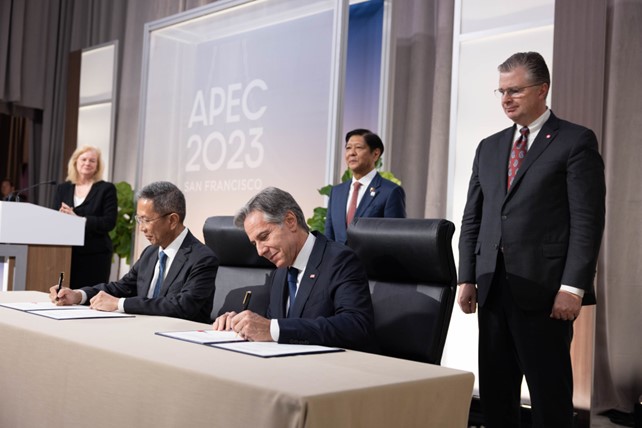
The United States and the Philippines last week signed a civil nuclear cooperation agreement—known in policy wonk jargon as a 123 Agreement.
The United States will spearhead a pledge at the upcoming COP28 summit in Dubai to triple the world’s nuclear power capacity by 2050, according to a November 15 Bloomberg exclusive.

While an initial bill aimed at lifting the decades-old ban on new nuclear construction in Illinois was vetoed in August by Gov. J. B. Pritzker, the state’s nuclear-friendly legislature is giving the effort another shot, opting to pursue new legislation rather than a veto override.

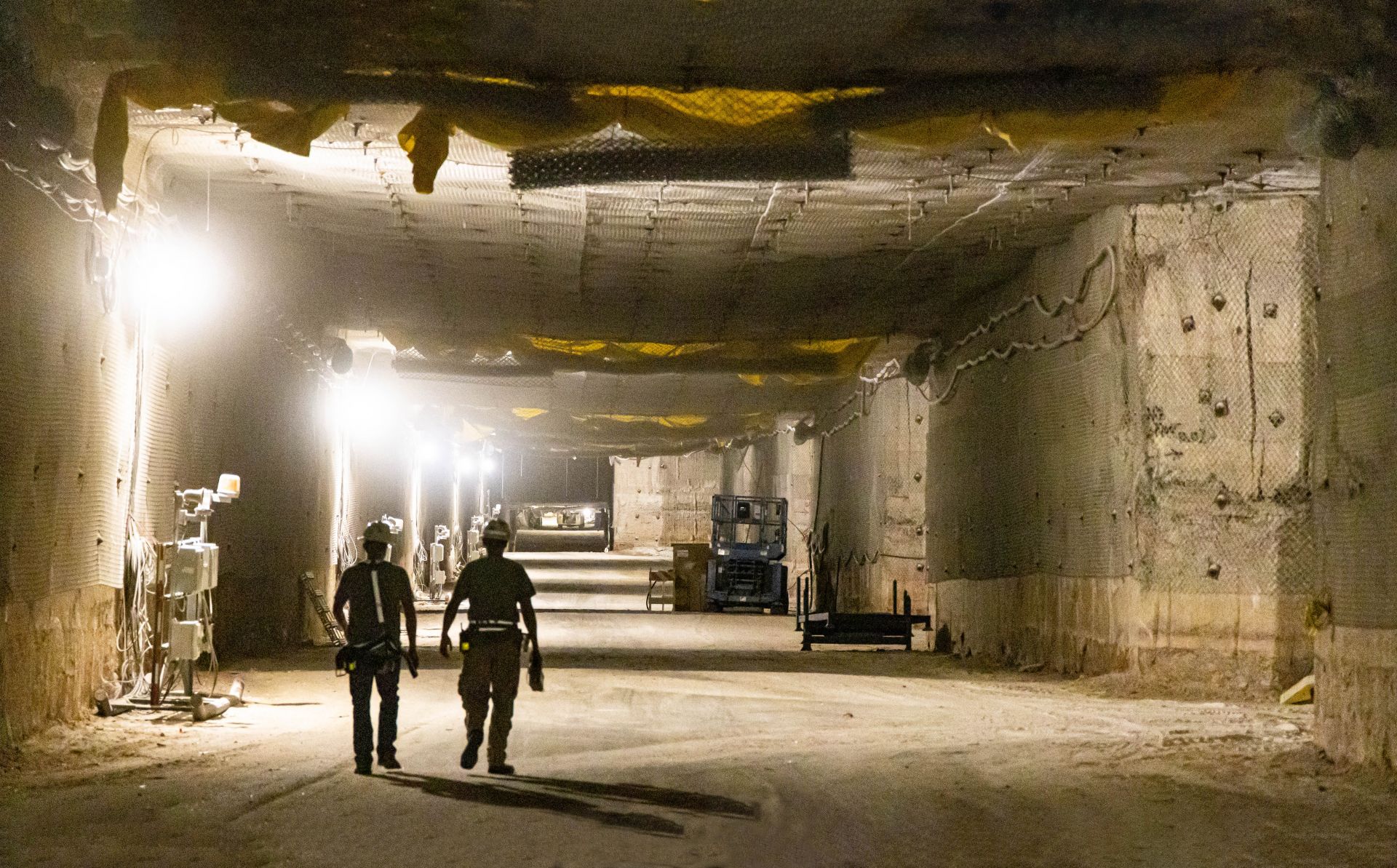
The American Nuclear Society coordinated an effort with eight nongovernmental organizations in asking Congress to update the Environmental Protection Agency’s generic standards for the safe, permanent disposal of spent nuclear fuel (SNF) and high-level radioactive waste.
With a new speaker finally seated, the GOP-led House of Representatives recently passed the fiscal year 2024 Energy and Water Development and Related Agencies Appropriations Act (H.R. 4394) in a near–party line vote of 210–199. A lone Republican—Rep. Ken Buck of Colorado—opposed the measure, as did all voting Democrats.

At a legislative markup session last week, a House Energy and Commerce subcommittee approved 17 energy bills for consideration by the full E&C committee, including 12 measures to boost and streamline the deployment of nuclear power. The nuclear-related bills cleared the subcommittee by voice vote with bipartisan support.
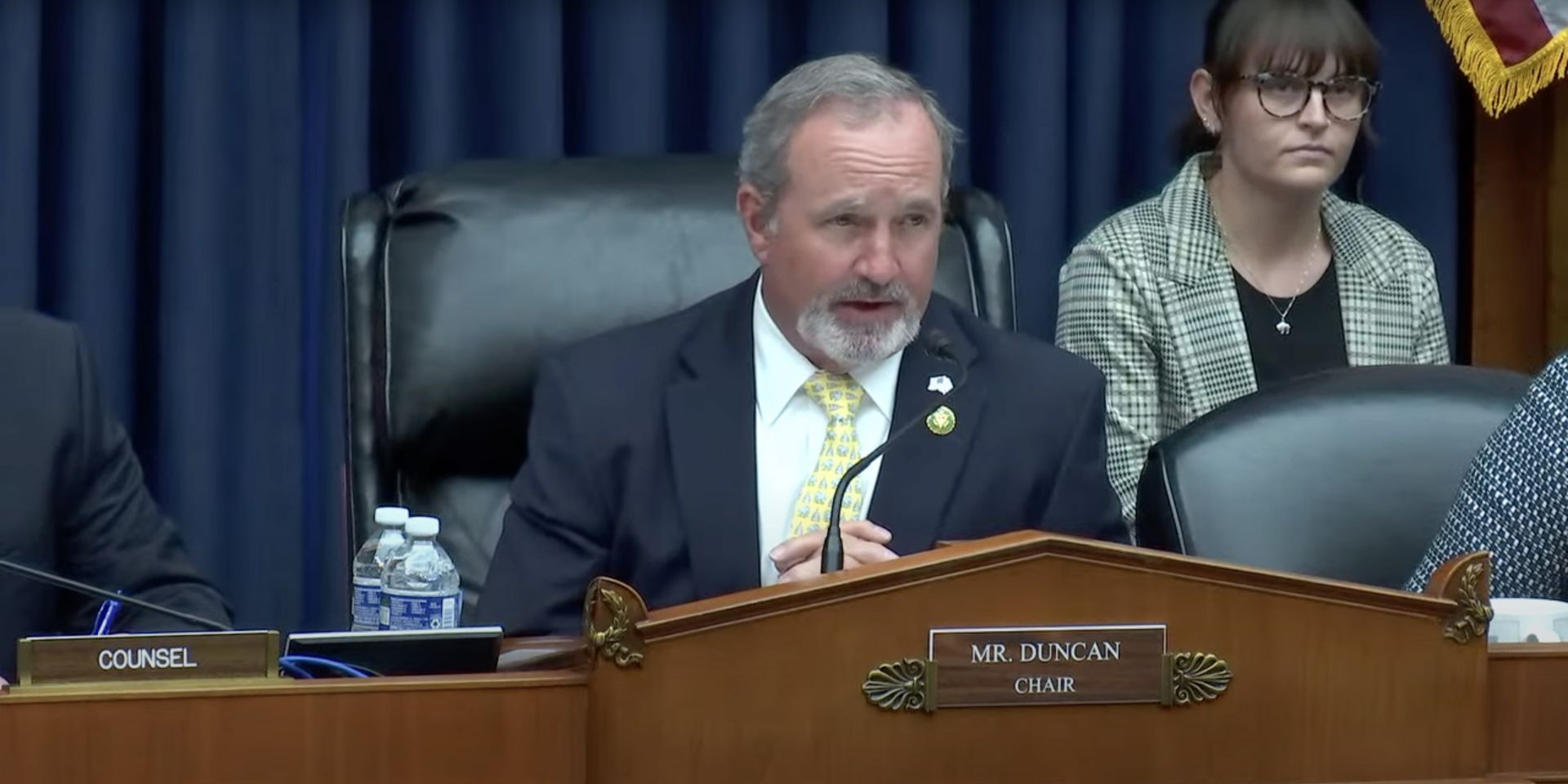
“Our shared goal in this committee is to advance bipartisan, durable policy that will expand nuclear energy and its benefits for the nation,” said Rep. Jeff Duncan (R., S.C.), chair of the E&C’s Energy, Climate, and Grid Security Subcommittee, in his opening remarks on October 24. “Chair Rodgers, ranking members Pallone and DeGette, and I sent a bipartisan request for information to a variety of stakeholders this past April. Based on feedback from this request and the hearings we’ve had since, it’s clear that more can be done to modernize the Nuclear Regulatory Commission and Department of Energy to advance nuclear energy in this country.”


Barnard
It’s late March 2023, and freshman state Rep. Stephanie Barnard (R., 8th Dist.) moves quickly through the halls of the capitol building in Olympia, Wash. She enters a room packed with state legislators—both Democrats and Republicans—who are waiting for a meeting to begin.
The event is part of the recently formed Nuclear Energy Caucus, and the featured speaker is Carol Browner, director of the Office of Energy and Climate Change Policy under President Obama and the administrator of the Environmental Protection Agency during the Clinton administration. The meeting is a success, with animated discussion following Browner’s address.
The North Carolina General Assembly has overridden Gov. Roy Cooper’s October 2 veto of S.B. 678—a measure aimed at incentivizing the development of nuclear power facilities in the state.

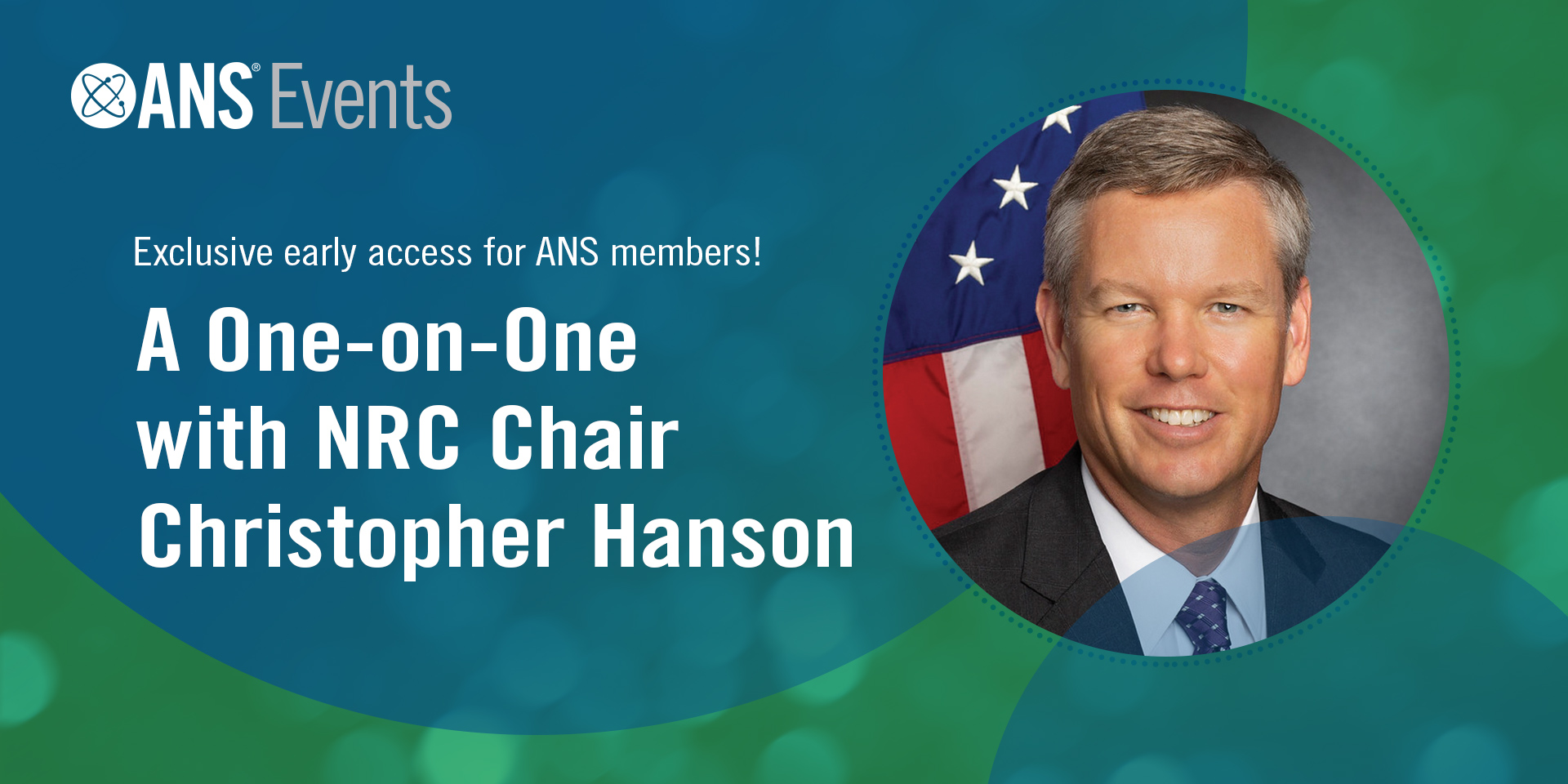
American Nuclear Society Executive Director/CEO Craig Piercy visited One White Flint North, where he sat down with U.S. Nuclear Regulatory Commission chair Christopher Hanson for a one-on-one interview on September 18, 2023. The interview is available exclusively to ANS members to watch this week before it is released to the public. ANS members won’t want to miss the hour-long discussion, where Hanson opens up about important topics facing the NRC and the nuclear community and what he sees as the big successes during his first term as chair.

Kerry
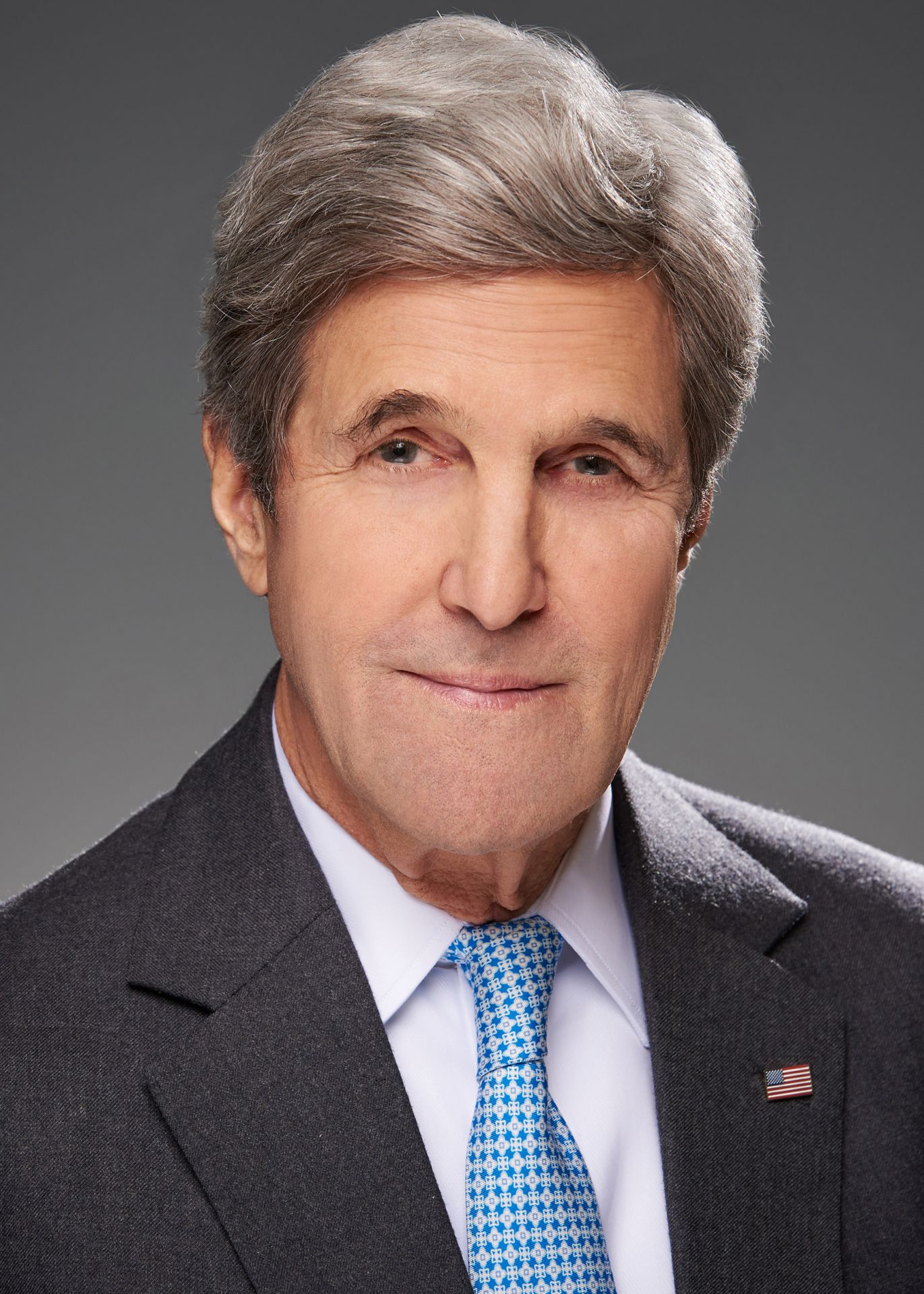
During a side event held at last week’s Three Seas Initiative Summit in Bucharest, Romania, special presidential envoy for climate John Kerry announced U.S. actions to further the role of new nuclear technologies in accelerating the clean energy transition in Europe.
These actions, according to a September 7 media note from the U.S. State Department, expand on Romania’s leadership role in deploying the first small modular reactor in Europe and in converting a former Romanian coal plant to an SMR facility.
Building on his rollout of the Project Phoenix initiative at last year’s COP27 climate change conference in Egypt, Kerry said that proposals from the Czech Republic, Poland, and Slovakia have been selected to participate in the project and will receive support for coal-to-SMR feasibility studies.
For the second consecutive year, the American Nuclear Society has selected two of its members to receive the Glenn T. Seaborg Congressional Science and Engineering Fellowship. The 2024 Congressional Fellows, Emily Caffrey and William Murray, will help the Society fulfill its strategic goal of enhancing nuclear policy by working in the halls of Congress, either in a congressional member’s personal office or with a committee, when their fellowship term begins in January.