Radium sources yield cancer-fighting Ac-225 in IAEA program

January 14, 2026, 3:15PMNuclear News
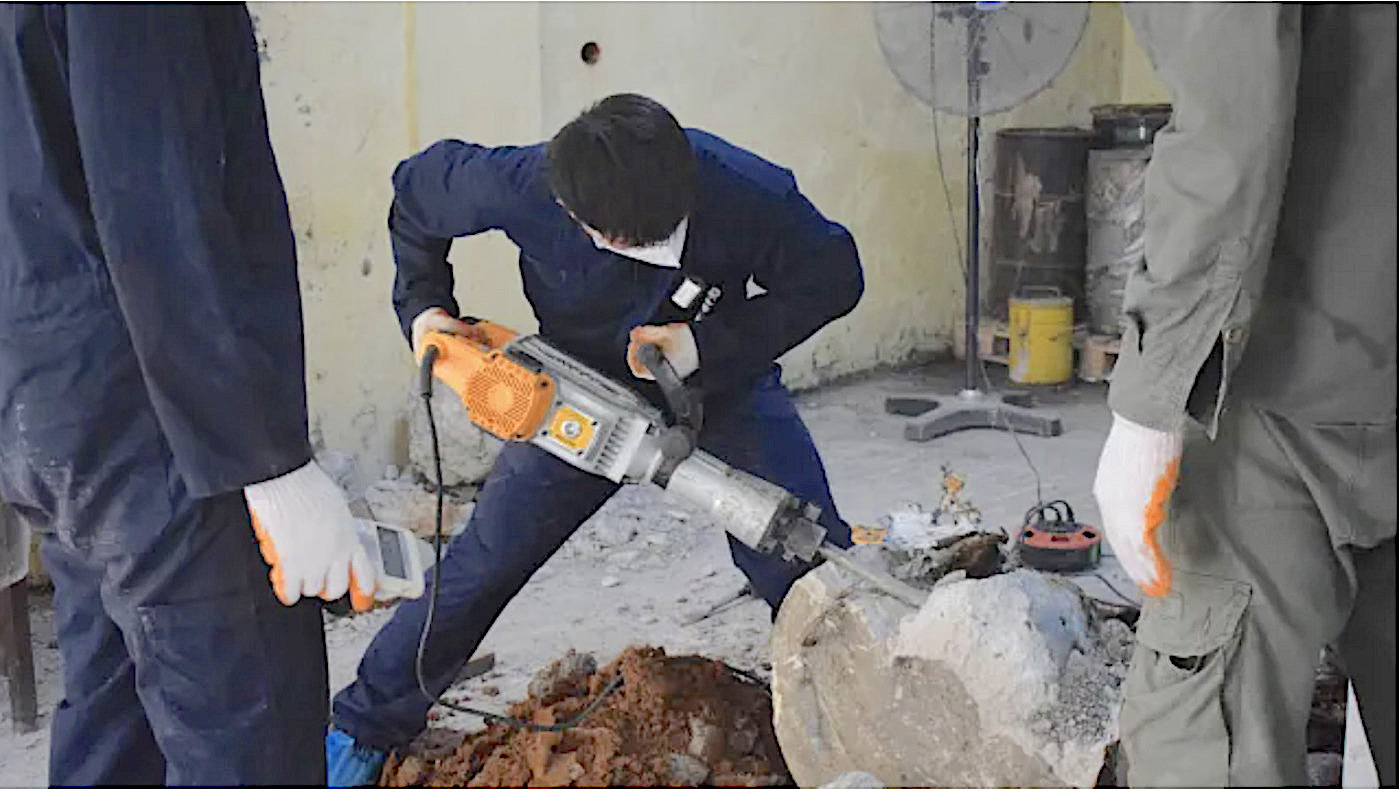
A worker recovers legacy Ra-226 sources that had been conditioned in cement during an IAEA expert mission to the Philippines. (Photo: Philippine Nuclear Research Institute)

The International Atomic Energy Agency has reported that, to date, 14 countries have made 14 transfers of disused radium to be recycled for use in advanced cancer treatments under the agency’s Global Radium-226 Management Initiative. Through this initiative, which was launched in 2021, legacy radium-226 from decades-old medical and industrial sources is used to produce actinium-225 radiopharmaceuticals, which have shown effectiveness in the treatment of patients with breast and prostate cancers and certain other cancers.

NASA, DOE solidify collaboration on a lunar surface reactor

January 14, 2026, 9:35AMNuclear News
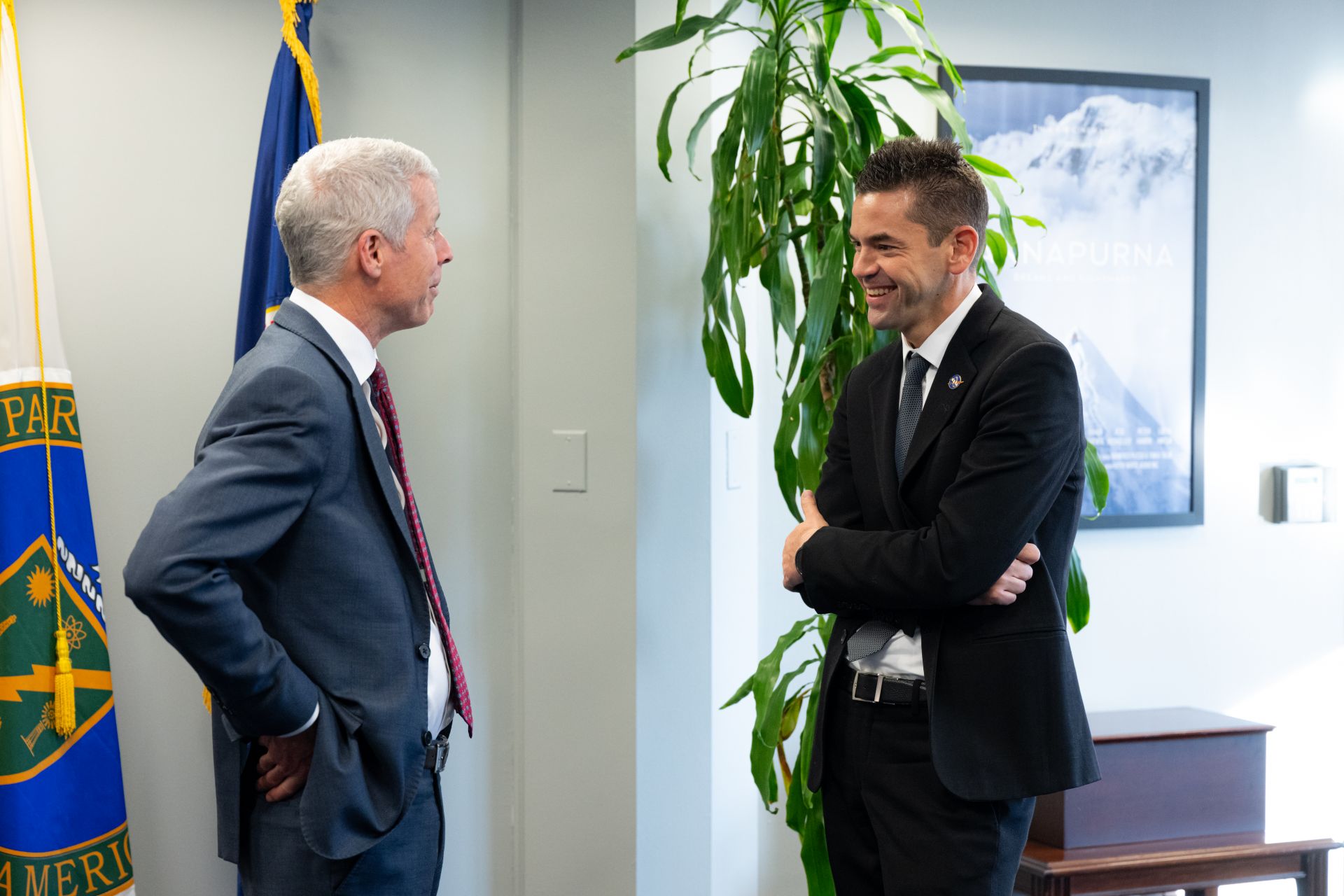
Secretary of Energy Chris Wright (left) and NASA Administrator Jared Isaacman (right) meet at DOE headquarters in Washington, D.C., on January 8. (Photo: NASA/John Kraus)

NASA and the Department of Energy have announced a “renewed commitment” to their mutual goal of supporting research and development for a nuclear fission reactor on the lunar surface to provide power for future missions. The agencies have signed a memorandum of understanding that “solidifies this collaboration and advances President Trump’s vision of American space superiority.”

Holtec submits partial construction permit application for SMRs at Palisades

January 14, 2026, 7:36AMNuclear News
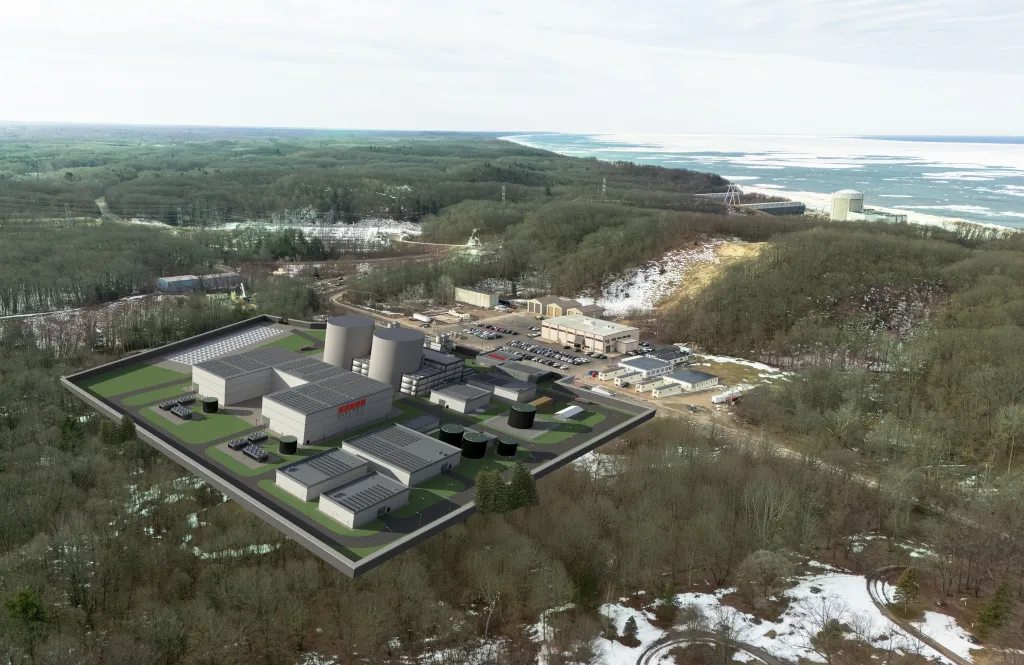
An image of the Palisades site, featuring two SMR-300 units in the foreground. (Image: Holtec)

On New Year’s Eve, Holtec International submitted Part 1 of a construction permit application to the Nuclear Regulatory Commission seeking a limited work authorization (LWA) to begin construction of a two-unit SMR-300 plant at the company’s site in Covert, Mich.

Named Pioneer-1 and -2, the twin 340-MWe pressurized water reactors would join the 777-MWe Palisades PWR that began operating in 1971, shut down in 2022, and is expected to reconnect to the grid—slightly delayed—early this year. According to Holtec’s application documents, Part 2 of its construction permit will be filed no later than mid-2027.

Meta’s new nuclear deals with Oklo and TerraPower: The details

January 13, 2026, 3:00PMNuclear News

Tech giant Meta is making big bets on TerraPower and Oklo. With the former, the hyperscaler could support the deployment of up to eight new reactors. With the latter, it could be as many as sixteen.

For both start-ups, Meta hopes its demand bolsters supply chains, the workforce, and the nuclear industry generally. For itself, the company is aiming to secure more generation to cleanly power its AI ambitions.

Supreme Court nixes Beyond Nuclear’s CISF challenge

January 13, 2026, 12:40PMRadwaste Solutions

The U.S. Supreme Court has denied a petition by antinuclear group Beyond Nuclear challenging the Nuclear Regulatory Commission’s licensing of Holtec International’s proposed consolidated interim storage facility (CISF) for spent nuclear fuel in New Mexico.

The denial of Beyond Nuclear’s writ of certiorari petition was part of a long list of orders released by the Supreme Court on Monday. The list also included a denial of Duke Energy’s appeal of a lower court’s ruling in an antimonopoly dispute.

The Meta-Vistra deal: A closer look

January 12, 2026, 3:29PMNuclear News
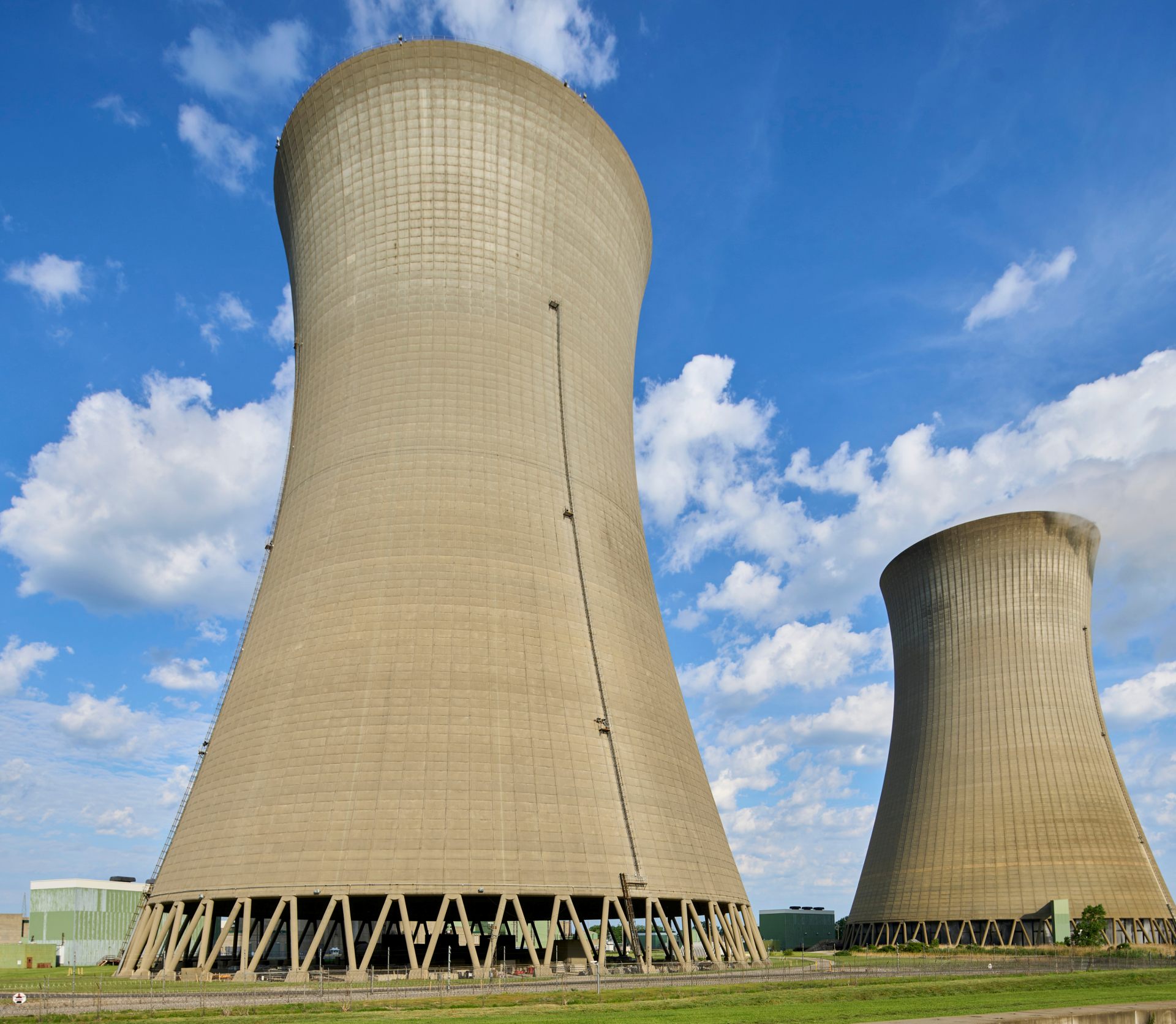
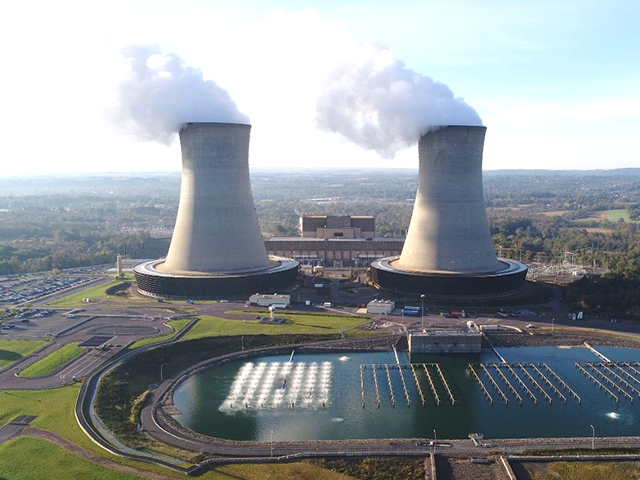
The cooling towers at Vistra's Beaver Valley nuclear power plant. (Photo: Vistra)

With last Friday's announcement regarding its vision for nuclear energy, Meta has entered into 20-year power purchase agreements (PPAs) for more than 2,600 MW of electricity from a combination of three Vistra-owned nuclear plants to support the tech behemoth's planned operations in the PJM region.

Communities and companies answer NYPA’s nuclear solicitations

January 12, 2026, 12:22PMNuclear News

Eight communities and 23 companies, including reactor developers, construction firms, and utilities, have expressed interest in participating in New York state’s plan to develop at least 1 gigawatt of new nuclear power in the upstate area. The communities and companies are responding to solicitations from the New York Power Authority for developers and partners who want to support the agency’s advanced nuclear power projects and are able to provide viable project concepts, as well as for communities to host nuclear facilities and backers that could support such projects.

Meta strikes deals with Vistra, Oklo, TerraPower

January 12, 2026, 10:03AMNuclear News

On January 9, tech giant Meta made waves by announcing three new agreements with Vistra, TerraPower, and Oklo. These deals aim to see Meta supporting both uprates at existing nuclear power plants and the development of new advanced reactor projects, and in total could see the company financing up to 6.6 GW of new and existing energy by 2035. These projects will support the hyperscaler’s ever-growing data center– and AI-driven energy needs.

2025: The year in nuclear

January 9, 2026, 3:37PMNuclear News

As Nuclear News has done since 2022, we have compiled a review of the nuclear news that filled headlines and sparked conversations in the year just completed. Departing from the chronological format of years past, we open with the most impactful news of 2025: a survey of actions and orders of the Trump administration that are reshaping nuclear research, development, deployment, and commercialization. We then highlight some of the top news in nuclear restarts, new reactor testing programs, the fuel supply chain and broader fuel cycle, and more.

Illinois lifts moratorium on new large nuclear reactors

January 9, 2026, 9:34AMNuclear News
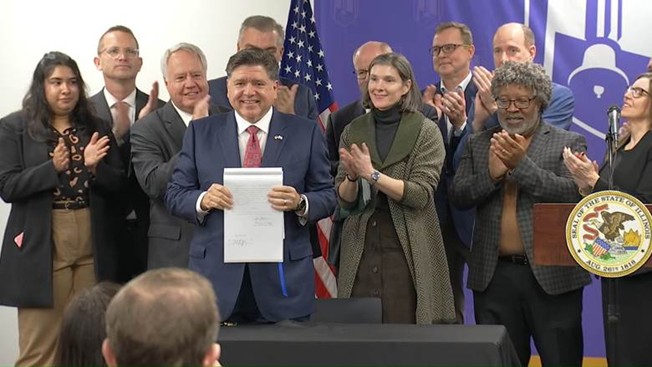
Illinois Gov. J. B. Pritzker displays the Clean and Reliable Grid Affordability Act during the signing ceremony in Joliet on January 8. (Image: Office of the Governor of Illinois)

New power reactors of any size can be now be sited in the state of Illinois, thanks to legislation signed by Gov. J. B. Pritzker on January 8. The Clean and Reliable Grid Affordability Act (CRGA)—which Pritzker says is designed to lower energy costs for consumers, drive the development of new energy resources in the state, and strengthen the grid—lifts the moratorium on new, large nuclear reactors that Illinois enacted in the late 1980s.

From Capitol Hill: Nuclear is back, critical for America’s energy future

January 8, 2026, 3:08PMNuclear News
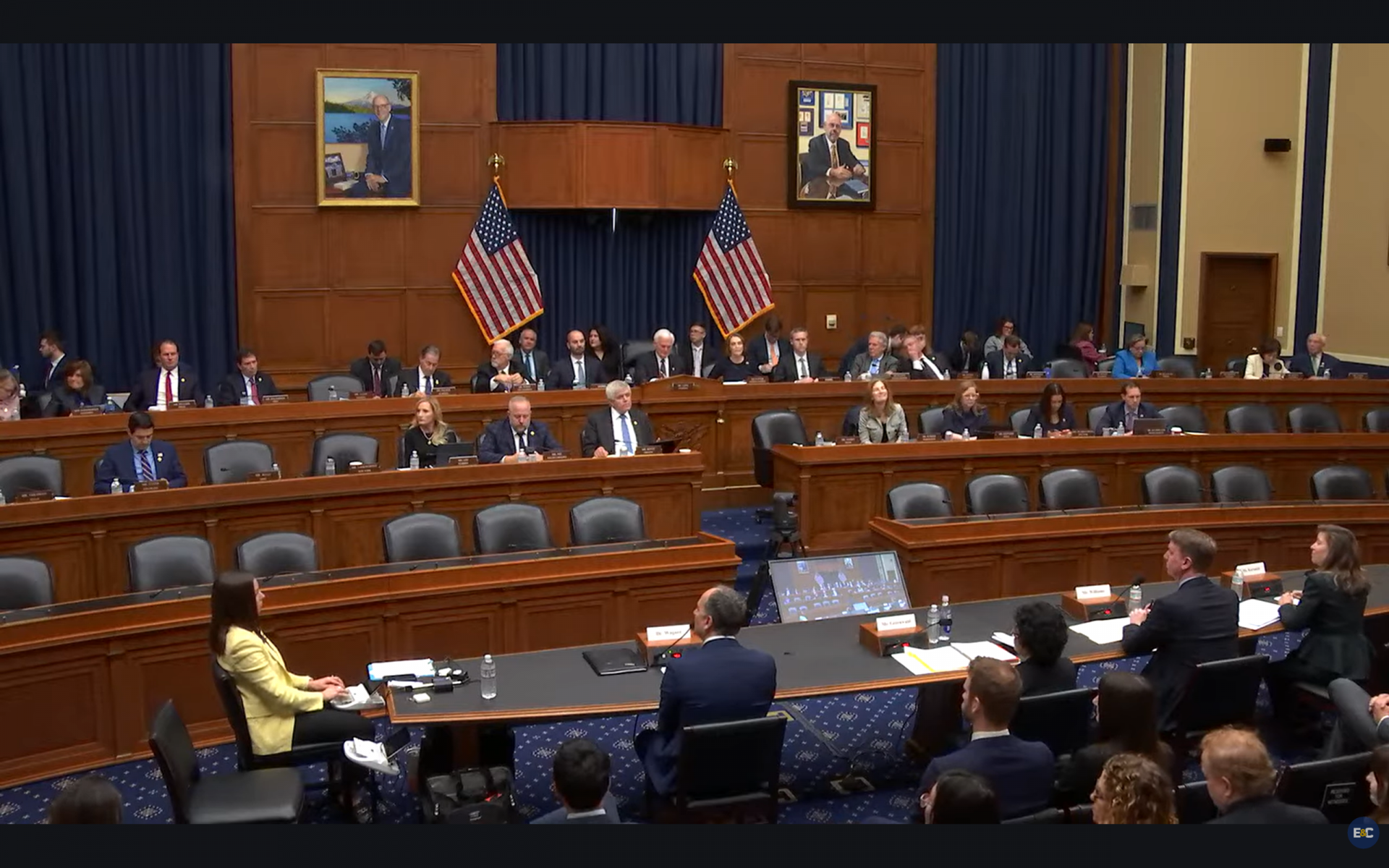
Still from a video of the Energy Subcommittee hearing, "American Energy Dominance: Dawn of the New Nuclear Era." (Credit: House Committee on Energy and Commerce)

The U.S. House Energy and Commerce Subcommittee on Energy convened its first hearing of the year, “American Energy Dominance: Dawn of the New Nuclear Era,” on January 7, where lawmakers and industry leaders discussed how nuclear energy can help meet surging electricity demand driven by artificial intelligence, data centers, advanced manufacturing, and national security needs.

CFS working with NVIDIA, Siemens on SPARC digital twin

January 8, 2026, 9:47AMNuclear News
Concept art of the SPARC digital twin. (Image: CFS)

Commonwealth Fusion Systems, a fusion firm headquartered in Devens, Mass., is collaborating with California-based computing infrastructure company NVIDIA and Germany-based technology conglomerate Siemens to develop a digital twin of its SPARC fusion machine. The cooperative work among the companies will focus on applying artificial intelligence and data- and project-management tools as the SPARC digital twin is developed.

NRC OKs I&C upgrade for Limerick

January 8, 2026, 7:05AMNuclear News
Constellation's Limerick nuclear power plant. (Photo: Constellation Energy)

The Nuclear Regulatory Commission has amended the operating licenses of the two boiling water reactors at Constellation Energy's Limerick nuclear power plant, giving the company the green light to replace the units' analog safety-related instrumentation and controls systems with a state-of-the-art digital system.

Canada begins regulatory approval process for spent fuel repository

January 7, 2026, 9:42AMNuclear News

Canada has formally initiated the regulatory process of licensing its proposed deep geological repository for spent nuclear fuel, with the country’s Nuclear Waste Management Organization (NWMO) announcing that it has submitted an initial project description to the Canadian government.

According to the NWMO, the initial project description is a foundational document, detailing the repository’s purpose, need, and expected benefits and explaining how the project will be implemented. It also provides a preliminary assessment of potential impacts and describes measures to avoid or mitigate them. The NWMO is the not-for-profit organization responsible for managing Canada’s nuclear waste.

Canada begins regulatory approval process for spent fuel repository

January 7, 2026, 9:36AMNuclear News

Canada has formally initiated the regulatory process of licensing its proposed deep geological repository for spent nuclear fuel, with the country’s Nuclear Waste Management Organization (NWMO) announcing that it has submitted an initial project description to the Canadian government.

According to the NWMO, the initial project description is a foundational document, detailing the repository’s purpose, need, and expected benefits and explaining how the project will be implemented. It also provides a preliminary assessment of potential impacts and describes measures to avoid or mitigate them. The NWMO is the not-for-profit organization responsible for managing Canada’s nuclear waste.

The Impact Assessment Agency of Canada and the Canadian Nuclear Safety Commission are to work together on an integrated assessment of the project, stating a goal of “one project, one review.” The initial project description was posted on the IAAC’s website on January 5, with the opportunity for public comments until February 4.

Under an agreement with the NWMO, Canada’s Wabigoon Lake Ojibway Nation (WLON) will lead its own regulatory assessment and approval process for the repository project.

Background: In November 2024, the NWMO announced the selection of a site in northwestern Ontario for the geologic repository, after WLON and the township of Ignace agreed to enter the regulatory decision-making phase as potential host communities for the repository. Canada began its consent-based process to select a repository site in 2010.

As proposed, the repository would be built to a depth of 650–850 meters in crystalline rock and would provide permanent storage for approximately 5.9 million spent fuel bundles, the projected total inventory of spent fuel estimated to be produced in Canada from the current fleet of reactors to end of life. The repository would operate for about 160 years, encompassing site preparation, construction, operation, and closure monitoring.

According to the NMWO, the project will remain subject to Canada’s Impact Assessment Act, Nuclear Fuel Waste Act, Nuclear Safety and Control Act, and numerous other federal and provincial licensing and regulatory requirements throughout its operational life.

Next steps: The NWMO is to submit an initial license application to the CNSC together with the project’s impact statement. The initial license application will include preliminary site work along with the development and construction of water management facilities, worker accommodations, and nonnuclear supporting infrastructure.

Quote: “For the NWMO, submitting the initial project description represents more than a regulatory requirement,” said Allan Webster, NWMO vice president of regulatory approvals. “It is a shared starting point that brings together engineering, environmental, indigenous knowledge, and community perspectives to guide how the project moves forward through impact assessment, licensing, design optimization, construction and operations.”


DOE announces awards for three university nuclear education outreach programs

January 7, 2026, 7:00AMNuclear News
Looking down into the pool of the 1-MW University of Wisconsin Nuclear Reactor. (Photo: University of Wisconsin)

The Department of Energy’s Office of Nuclear Energy has announced more than $590,000 in funding awards to help three universities enhance their outreach in nuclear energy education. The awards, which are part of the DOE Nuclear Energy University Program (NEUP) University Reactor Sharing and Outreach Program, are primarily designed to provide students in K-12, vocational schools, and colleges with access to university research reactors in order to increase awareness of nuclear science, engineering, and technology and to foster early interest in nuclear energy-related careers.

DOE awards $2.7B for HALEU and LEU enrichment

January 6, 2026, 3:43PMNuclear News

Yesterday, the Department of Energy announced that three enrichment services companies have been awarded task orders worth $900 million each. Those task orders were given to American Centrifuge Operating (a Centrus Energy subsidiary) and General Matter, both of which will develop domestic HALEU enrichment capacity, along with Orano Federal Services, which will build domestic LEU enrichment capacity.

The DOE also announced that it has awarded Global Laser Enrichment an additional $28 million to continue advancing next generation enrichment technology.

U.S. and Kazakhstan launch initiatives to facilitate SMR deployment

January 6, 2026, 1:37PMNuclear News
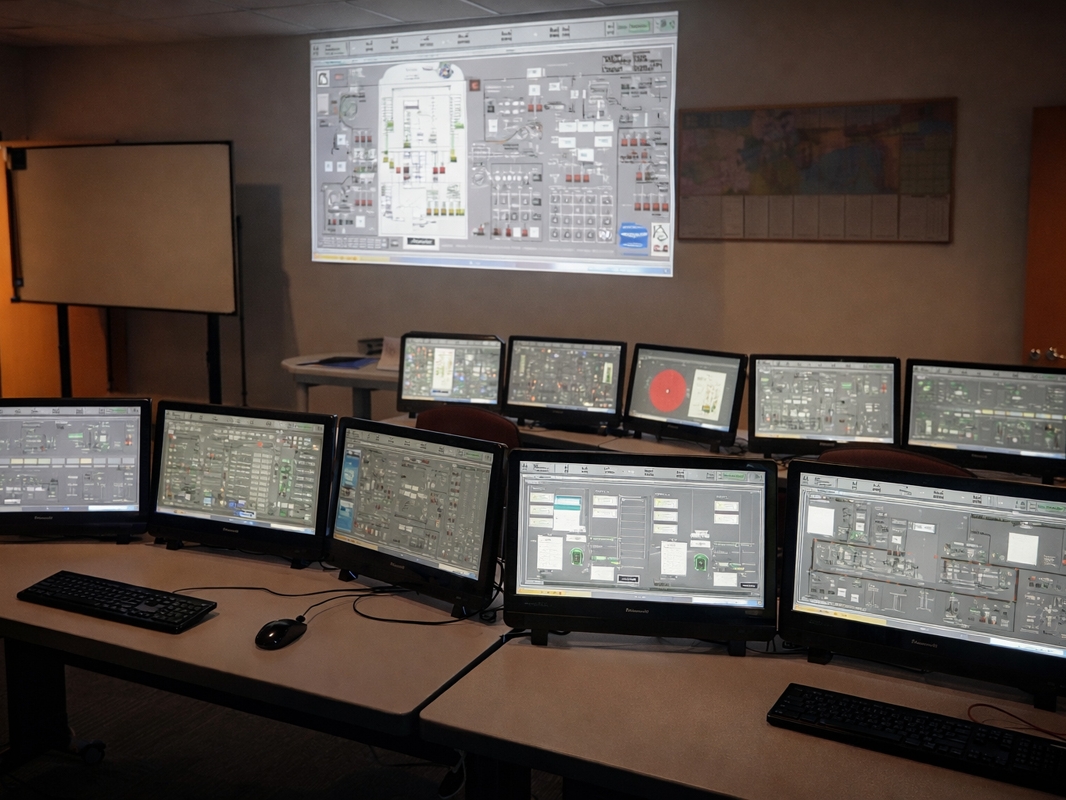
A nuclear reactor simulator made by WSC Inc. (Photo: WSC Inc.)

The United States Embassy and Consulate in Kazakhstan announced in December that the two countries are expanding their partnership in civil nuclear energy with a new educational initiative about small modular reactors.

DOE announces “monumental step” in SRS target recovery program

January 6, 2026, 7:01AMNuclear News
A Mark-18A target assembly stored at the Savannah River Site. (Photo: SRNL)

The Department of Energy has announced the successful transfer of the first Mark-18A target from the Savannah River Site to Savannah River National Laboratory, marking “the beginning of operations for a newly established radiochemical separation capability to recover valuable isotopes.” The agency stated that the Mark-18A Target Recovery Program—which involves the DOE National Nuclear Security Administration, the Office of Environmental Management, and the Office of Science—is demonstrating “how legacy materials previously destined for disposal can be recovered and transformed into valuable resources.”