V.C. Summer update: MOU signed with Brookfield

Santee Cooper, South Carolina’s state-owned electric and water utility, recently announced that it has signed a memorandum of understanding with Brookfield Asset Management.
HSB Global Inspection and Engineering Services – We provide specialized inspection and certification services for boilers, pressure vessels, nuclear components, and power plants worldwide. Wherever your business takes you, we’re at your side. Global reach. Local presence.

Santee Cooper, South Carolina’s state-owned electric and water utility, recently announced that it has signed a memorandum of understanding with Brookfield Asset Management.

Nieh
The Nuclear Regulatory Commission is now back up to four commissioners. Following a 66–32 confirmation vote in the U.S. Senate last month, Ho Nieh was officially sworn in last week.
He fills the seat left vacant following the dismissal of Christopher Hanson and is set to serve through the remainder of a term that will expire June 30, 2029.
Quotable: “I am grateful for the opportunity to return to the NRC to work alongside such a competent and dedicated workforce," said Nieh, in the NRC’s press release announcing his being sworn in. "This agency shaped my career and my commitment to nuclear safety. It is an incredible honor to have been appointed by President Trump to serve on the Commission, and I look forward to serving alongside Chairman Wright, Commissioner Crowell, and Commissioner Marzano. I am energized by the opportunities the NRC has to enable the safe use of nuclear technologies for America during this pivotal period in its history.”

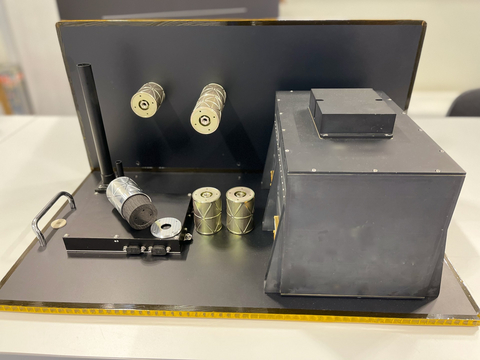
U.K.-based Perpetual Atomics and U.S.-based QSA Global claim to have achieved a major step forward in processing americium dioxide to fuel radioisotope power systems used in space missions. Using an industrially scalable process, the companies said they have turned americium into stable, large-scale ceramic pellets that can be directly integrated into sealed sources for radioisotope power systems, including radioisotope heater units (RHUs) and radioisotope thermoelectric generators (RTGs).

Idaho National Laboratory has announced the creation of the first batch of enriched uranium chloride fuel salt for the Molten Chloride Reactor Experiment (MCRE). INL said that its fuel production team delivered the first fuel salt batch at the end of September, and it intends to produce four additional batches by March 2026. MCRE will require a total of 72–75 batches of fuel salt for the reactor to go critical.

With about seven months left in the race to bring DOE-authorized test reactors on line by July 4, 2026, via the Reactor Pilot Program, Deep Fission has announced that it will break ground on its associated project on December 9 in Parsons, Kansas. It’s one of many companies in the program that has made significant headway in recent months.

The two reactors at Dominion Energy’s Surry plant are among the oldest in the U.S. nuclear fleet. Yet when the plant celebrated its 50th anniversary in 2023, staff could raise a toast to the future. Surry was one of the first plants to file a subsequent license renewal (SLR) application, and in May 2021, it became official: the plant was licensed to operate for a full 80 years, extending its reactors’ lifespans into 2052 and 2053.

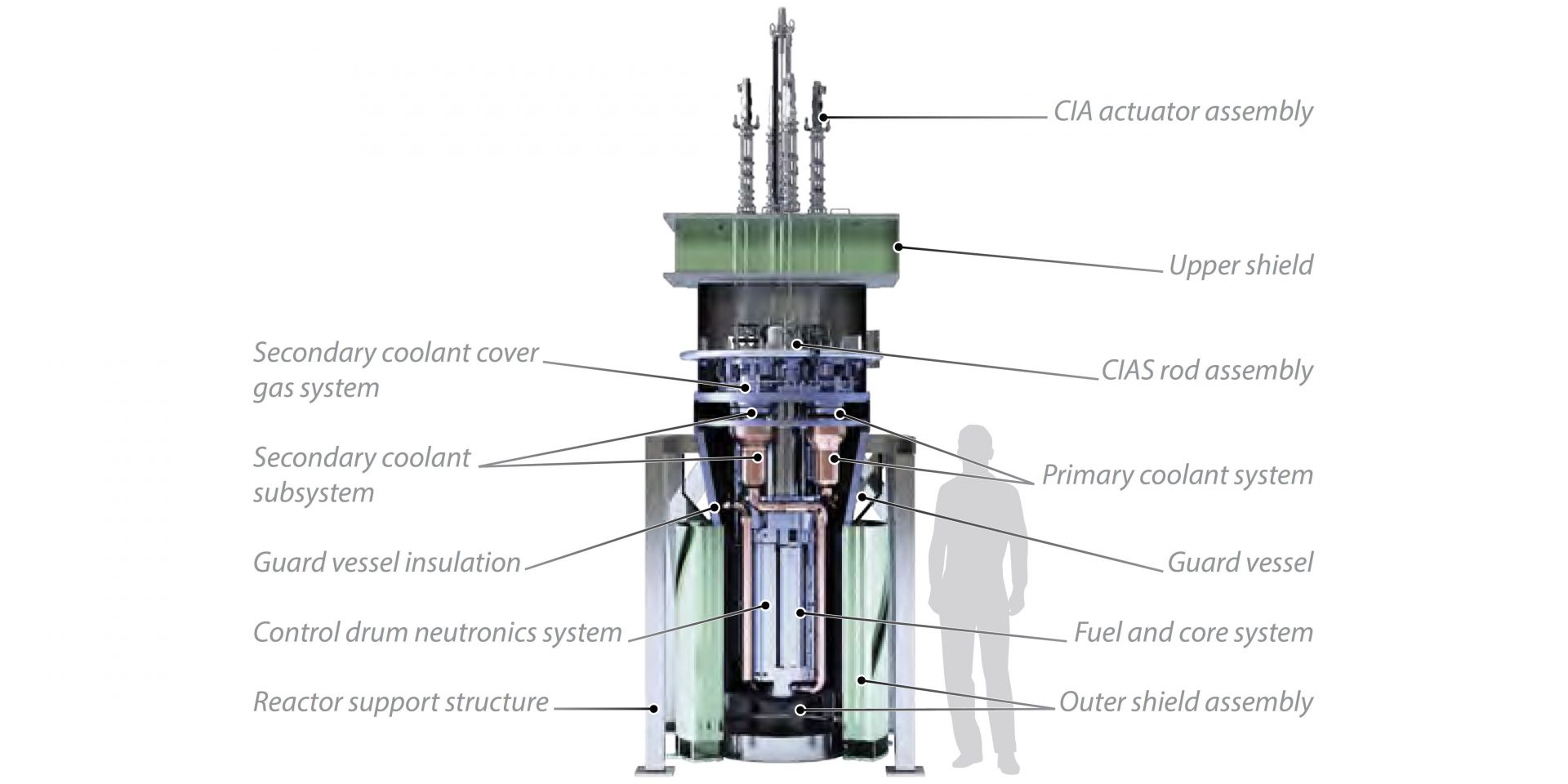
Idaho National Laboratory has selected five teams for its Microreactor Application Research Validation and Evaluation (MARVEL) Project to develop a sodium-potassium–cooled microreactor designed to test microreactor applications, create regulatory processes, and explore electrical and nonelectrical uses.
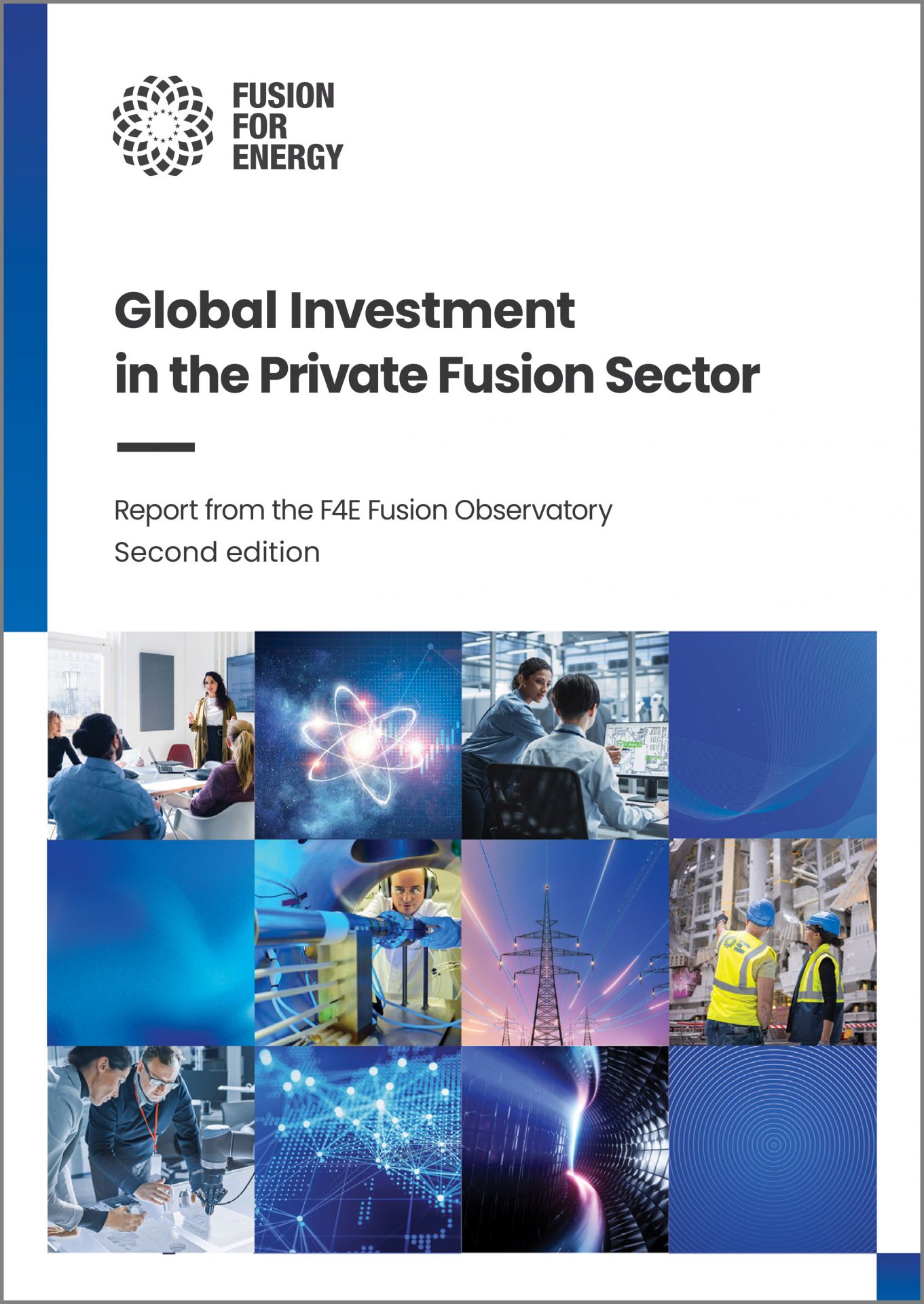
A new report from the F4E Fusion Observatory highlights the robust growth of investments in private companies that are developing fusion energy technologies. The report, Global Investment in the Private Fusion Sector, is an updated release of a previous F4E Fusion Observatory report, published “in response to the unprecedented acceleration of investments in fusion companies since June 2025, which are consolidating fusion as a fast-growing emerging market.”
Global funding: According to the report, the cumulative global funding in private fusion companies between June and September 2025 increased from €9.9 billion to €13 billion (about $11.6 billion to $15.17 billion). Funding for the private fusion sector in September was more than eight times greater than in 2020. The report also identifies 77 companies that are in the “fusion private ecosystem.”

The spot price of uranium at the end of November declined to $75.80 per pound, down from $80.00/lb at the end of October, according to uranium company Cameco. The high-water mark this year was in September, at $82.63/lb. The lowest price of 2025 was at the end of March, at $64.23/lb.

Candidates have officially been named to fill six ANS leadership positions with terms beginning in June 2026. Candidates for the one-year term as vice president/president-elect will succeed Mark Peters, who will in turn succeed Hash Hashemian as current ANS president.

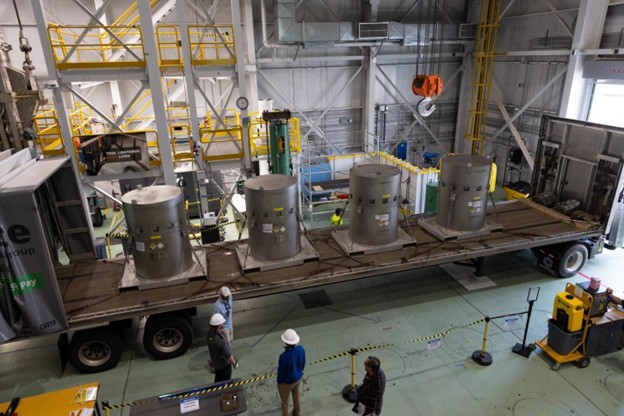
This week, BWX Technologies, alongside Idaho National Laboratory and the Department of Defense’s Strategic Capabilities Office, announced the arrival of a full core of TRISO fuel at INL’s Transient Reactor Test Facility.

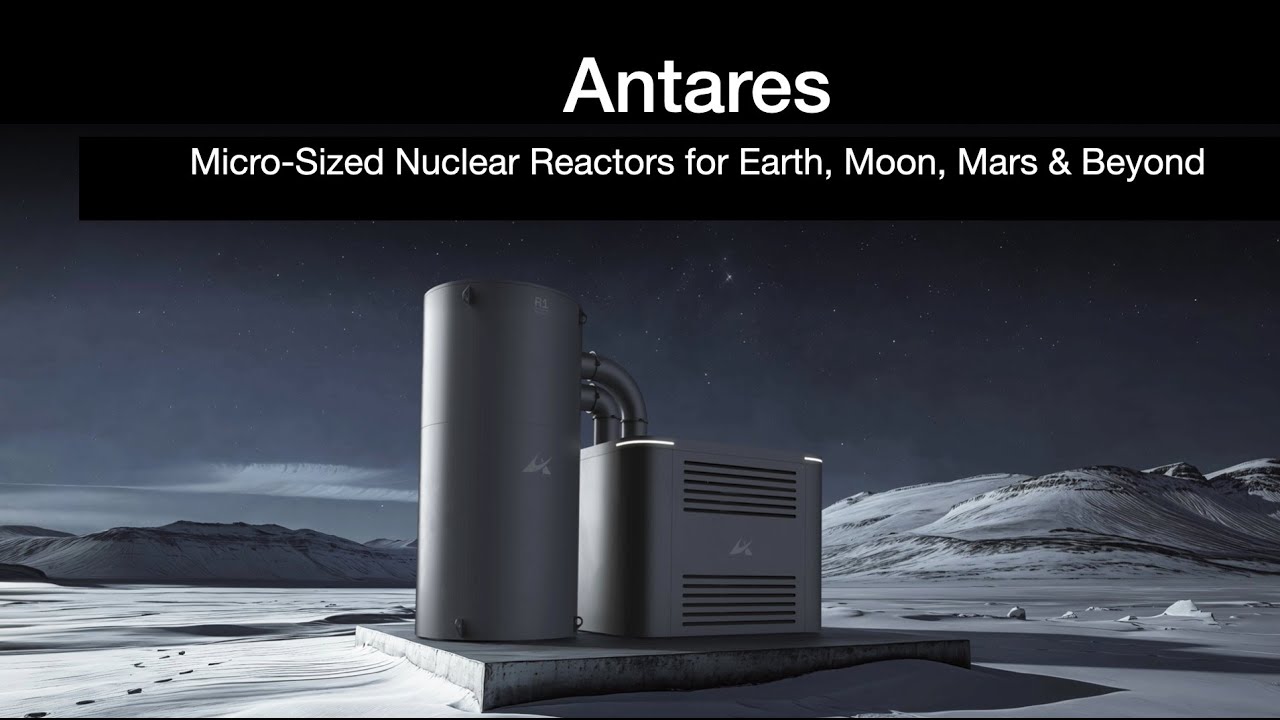
Advanced nuclear energy start-up Antares has announced the close of a $96 million Series B funding round, led by Shine Capital with participation from Alt Capital, Caffeinated, FiftyThree Stations, Industrious, and other investors. The round raised $71 million in new equity capital and $25 million in debt for equipment, factory build-out, and uranium procurement.

The Department of Energy has selected the Tennessee Valley Authority and Holtec Government Services to support the early deployments of light water small modular reactors in the United States. The companies will each receive as much as $400 million in federal cost-shared funding to advance their initial SMR projects in Tennessee and Michigan, respectively, including follow-on projects and associated supply chains.
Four public electric utilities—three based in Nebraska and one in Oklahoma—recently signed a memorandum of understanding to form the Great Plains New Nuclear Consortium. The first goal of that new consortium is to explore the feasibility of deploying 1–2 GW of new nuclear (potentially in the form of small modular reactors) within Nebraska.

The Nuclear Regulatory Commission recently announced that it has completed its final safety evaluation (SE) for the construction permit application for Kemmerer Power Station Unit 1 in Kemmerer, Wyo. The application was submitted by TerraPower on behalf of its wholly owned subsidiary, US SFR Owner (USO).
The Department of Energy recently announced that General Atomics has successfully completed the conceptual design of its new helium gas–cooled fast modular reactor (FMR). This milestone moves the company one step closer to a target demonstration in the 2030s.
Here is a recap of recent industry happenings:
Agreement signed on advanced nuclear technology in space
Texas-based space technology and orbital logistics developer Space Ocean Corporation and New Mexico–based space nuclear power systems developer Space Nuclear Power Corporation (SpaceNukes) have signed a letter of intent to explore the integration of advanced nuclear reactor technology into future space missions. Space Ocean agreed to test SpaceNukes’ 10-kilowatt microreactor aboard its ALV-N satellite and, if performance criteria are met, to use SpaceNukes as a core supplier of reactors for future Space Ocean lunar and planetary missions. The companies also agreed to examine the integration of fluid delivery systems with reactor modules, to collect operational data to support technology readiness certification, and to form a joint working group to pursue additional space infrastructure and commercial opportunities.

Six universities in Africa, Asia, Latin America, and the Caribbean now offer postgraduate courses in nuclear law with support from the International Atomic Energy Agency, expanding legal education in the nuclear community.

One of the executive orders issued by President Trump in November —“Launching the Genesis Mission”—focuses on a national effort to accelerate the use of AI in scientific research. The Genesis Mission EO preceded a reorganization of the Department of Energy and further tightens links between science and security under the administration’s quest for “global technology dominance in the development of artificial intelligence.”
In a recent press release, the Department of Energy announced an organizational realignment aimed at “expanding American energy production, accelerating scientific and technological leadership, and ensuring the continued safety and readiness of the nation’s nuclear weapons stockpile.”