Second-quarter updates from Constellation: New PPAs, Crane restart, and more
Constellation signed new long-term power purchase agreements during the second quarter that will ultimately provide roughly 920 MW in nuclear power to these new partners.
These nuclear contracts were among the topics Constellation executives broached during the second-quarter earnings call, along with existing power generation, the Crane restart, and New York and Illinois’s nuclear energy plans.
New PPAs: The long-term PPAs are between 15 and 20 years in length, according to Constellation executives. They're all set to begin between 2029 and 2032.
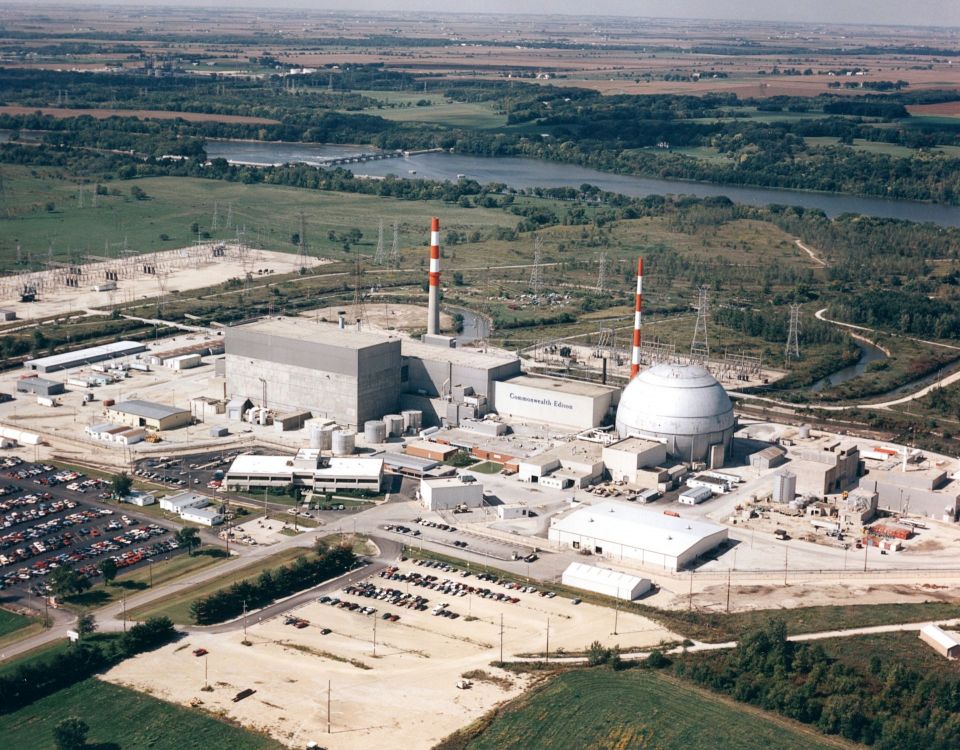
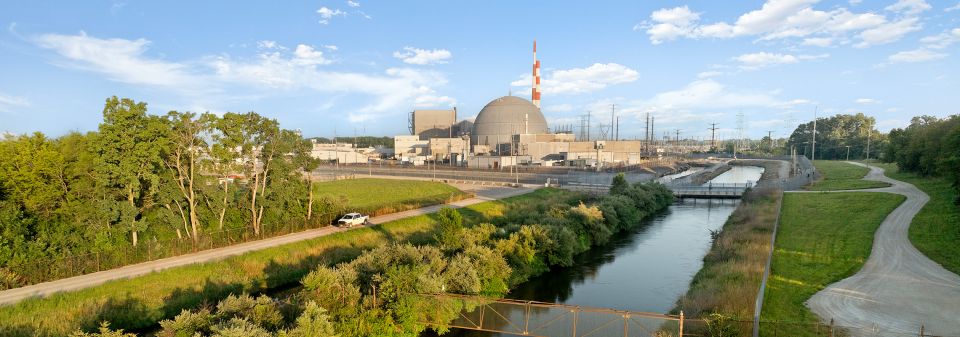
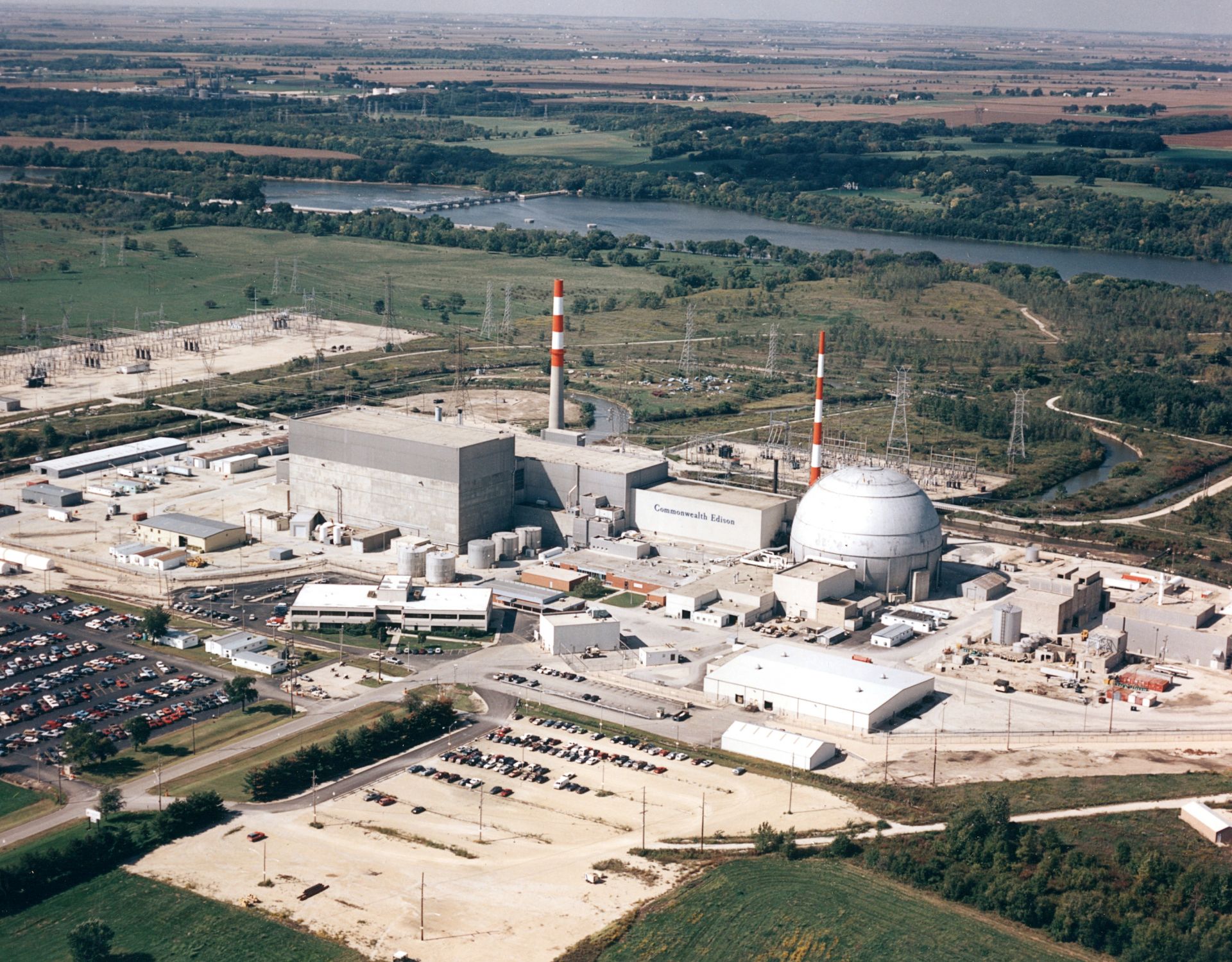
Constellation president and CEO Joe Dominguez did not name the customers who signed the PPAs, save one—Walmart. The two companies announced in June they had reached an agreement for the utility to provide 176 MW of electricity from its Dresden nuclear power plant to the retail giant, primarily to support a high-tech distribution center in Illinois. As was relayed in the June announcement, Dominguez said it was the first nuclear PPA Walmart had signed, and that this PPA was the first of its kind involving a large retailer.
“Walmart is helping to define how corporate customers think about nuclear energy,” he said during the earnings call.
Roughly 890 MW of the 920 MW will come from existing power generation. The remainder will come from a planned 30-MW uprate at Dresden, which will support the Walmart PPA.
Data centers and existing generation: Dominguez also discussed data centers during the earnings call, saying he believes existing power generation and infrastructure will be the “bedrock” of “this early phase of the data economy.”
“That's where the existing resources are going to be able to provide quick solution sets. Otherwise, we’d be waiting for every data center, for every megawatt to be interconnected and built,” he said. “If that's the case, we might as well hand over the keys to China.”
Dominguez continued, “We’re never going to build this economy if the outcome is going to be we've got to wait for new power plants to be built before we can connect any data center.”
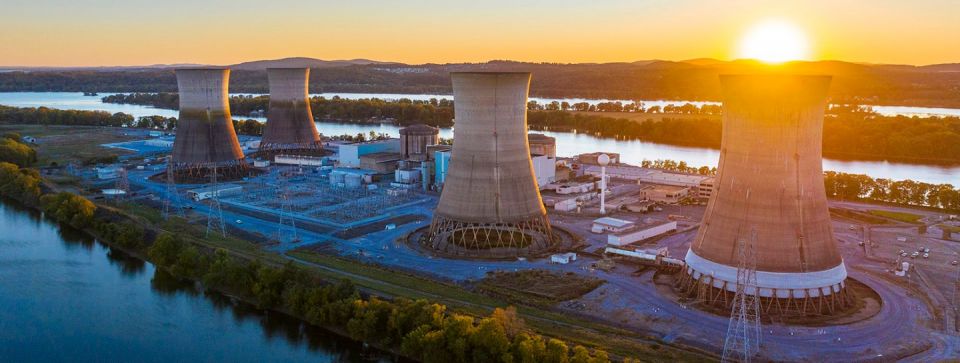
Crane updates: The restart of Three Mile Island-1 (renamed the Crane Clean Energy Center) in Pennsylvania cleared two regulatory hurdles in the second quarter when the Nuclear Regulatory Commission and the Federal Energy Regulatory Commission approved fuel license amendment and waiver requests, respectively. Dominguez said this paves the way for Crane to restart in the second half of 2027.
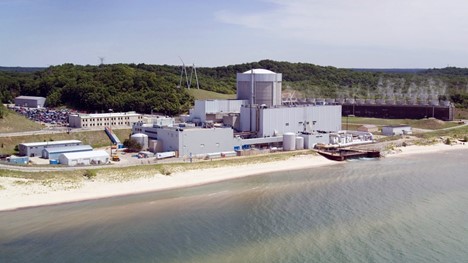
New York and Illinois: On Constellation’s list of second-quarter highlights were its subsequent license renewal application filings to the NRC for two of its three power plants in New York. In June, Constellation submitted an application for the one-unit Ginna power plant. And in April, the NRC accepted Constellation’s SLR application for Nine Mile Point-1.
When asked about whether Constellation was investing more in new nuclear in the state, Dominguez said that while they were having good conversations with New York about the topic, “there’s nothing right now I would describe as imminently on the horizon for investment in new nuclear.”
“New York is a very exciting opportunity for us, and that's something we’re pursuing with Gov. [Kathy] Hochul and her administration,” he added. “But it’s not yet going to show up on financial disclosures for capital, it’s not that imminent.”
He said New York’s approach to expanding nuclear power is a model Illinois should emulate as the state seeks communities interested in hosting new nuclear facilities. Much like New York, Constellation has a strong presence in Illinois, operating six plants there.
“We'll see what they come up with . . . . We think New York is a wonderful template for what Illinois should be looking to do,” he said.
Second-quarter nuclear operations: Constellation’s nuclear fleet produced 44,160 gigawatt-hours in the second quarter, down from 45,170 gigawatt-hours in the second quarter of 2025. According to Constellation, the nuclear fleet achieved a 93 percent capacity factor in the second quarter, down from 94.8 percent one year earlier, excluding Constellation’s share of Salem and South Texas Project. Constellation reported 86 planned refueling outage days in the second quarter, up from 41 in the second quarter of 2025. The 20 non-refueling outage days in the second quarter, meanwhile, were fewer than the 22 reported during the same period in 2025.