NRC issues subsequent license renewal to Monticello plant

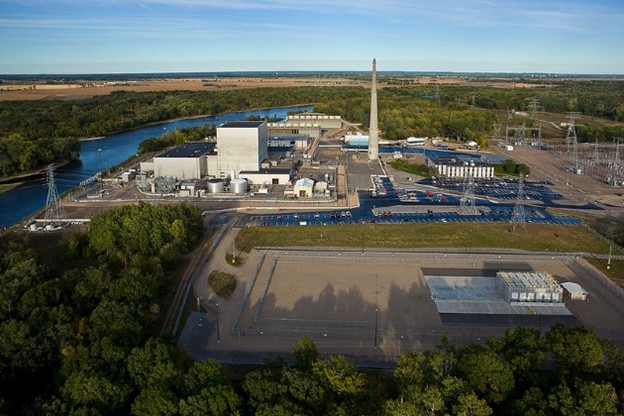
The Nuclear Regulatory Commission has renewed for a second time the operating license for Unit 1 of Minnesota’s Monticello nuclear power plant.
-3 2x1.jpg)
A message from Curtiss-Wright
High-Temperature neutron flux detectors for Generation IV reactors and SMRs

The Nuclear Regulatory Commission has renewed for a second time the operating license for Unit 1 of Minnesota’s Monticello nuclear power plant.

The Department of Energy has offered up to $80 million of Inflation Reduction Act funding to back potential advancements in high-assay low-enriched uranium production. The new funding opportunity, announced in December, will prioritize technological advancement developing innovative technologies and approaches to strengthen the front-end of the HALEU supply chain. Applications are due by 5:00 p.m. (EST) on February 26, 2025.

TerraPower announced this week that it has awarded the major manufacturing contracts for its Natrium plant reactor enclosure system.
These vendor awards help advance deployment and commercialization of what the company is calling “America’s first advanced reactor,” according to TerraPower’s press release. The news is also a major milestone in establishing the advanced nuclear supply chain, the company added.

David Wright
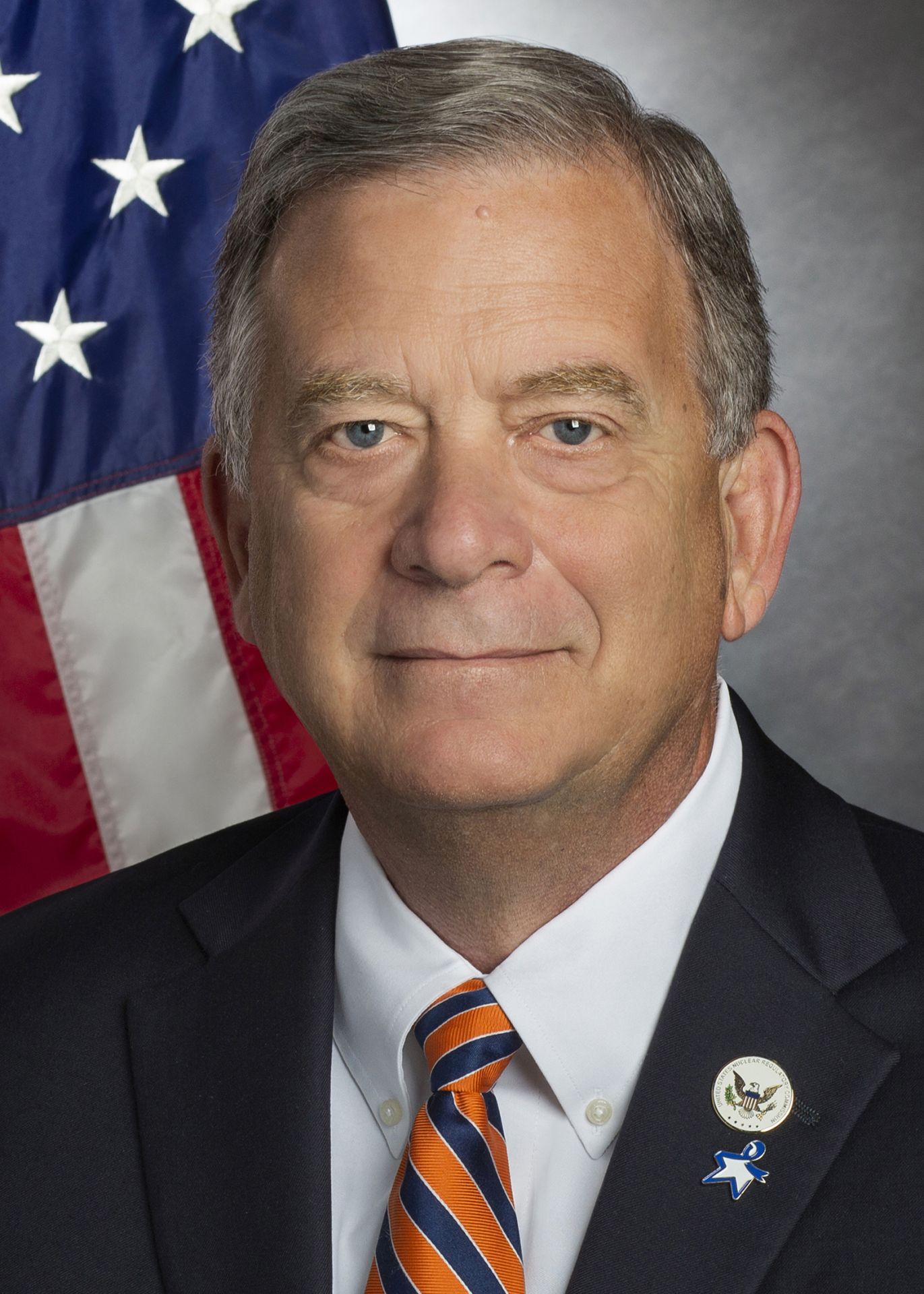
There is a modern-day parable that NRC commissioner David Wright likes to reflect on from time to time, the story of a janitor on a mission. On a visit to NASA in the 1960s, or so the story goes, amid all the action and excitement and VIPs, President Kennedy stopped a janitor who was pushing his broom down the hallway. Kennedy asked the man what he was doing and he said, “Well, I’m putting a man on the moon.”
Wright believes people—all the people—are how jobs get done. And the people of the Nuclear Regulatory Commission have a very big job ahead of them. Whether it is meeting the requirements of the ADVANCE Act, bringing 10 CFR Part 53 closer to the finish line, or working with its counterparts in other countries toward climate goals and international agreements, the NRC is moving mountains, one sweep of the broom at a time.

Constellation is launching a pilot program that allows its Washington, D.C., customers to purchase 100 percent nuclear energy for their homes.

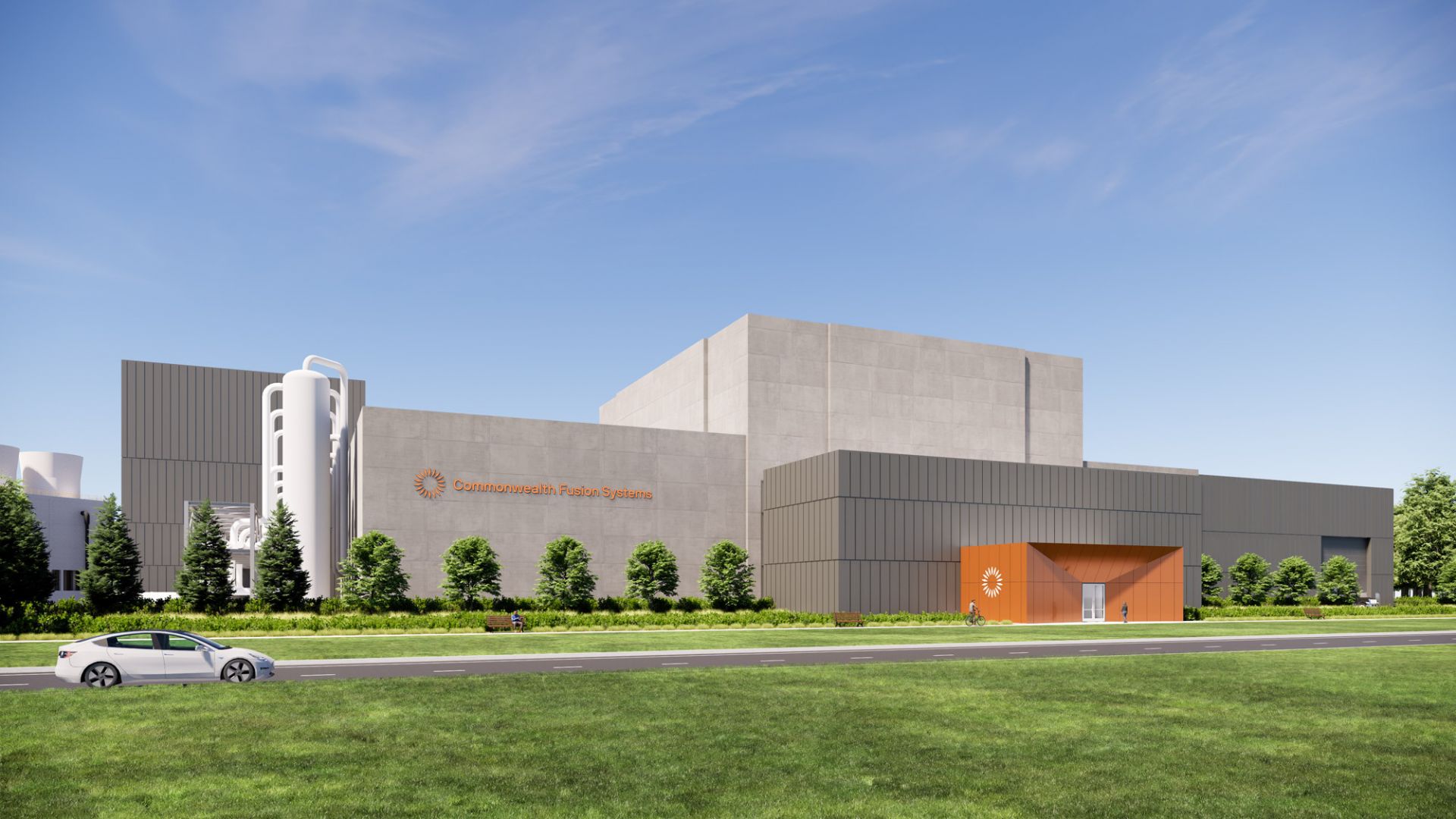
Commonwealth Fusion Systems (CFS) has announced that it plans to build a fusion power plant, named ARC, at the James River Industrial Park in Chesterfield County, Va.—and that it expects to be the first company to make fusion power available at grid scale.
BWXT Canada, a subsidiary of BWX Technologies, is partnering with Westinghouse Electric Company to build new nuclear projects in Canada and globally.
Comments on the rule are being accepted until February 28
The U.S. Nuclear Regulatory Commission will host two public meetings in early January to educate and field questions about a proposed rule to allow more flexibility in licensing nuclear plants.

NuScale Power Corporation this week announced the opening of its Energy Exploration (E2) Center at the Ohio State University in Columbus.

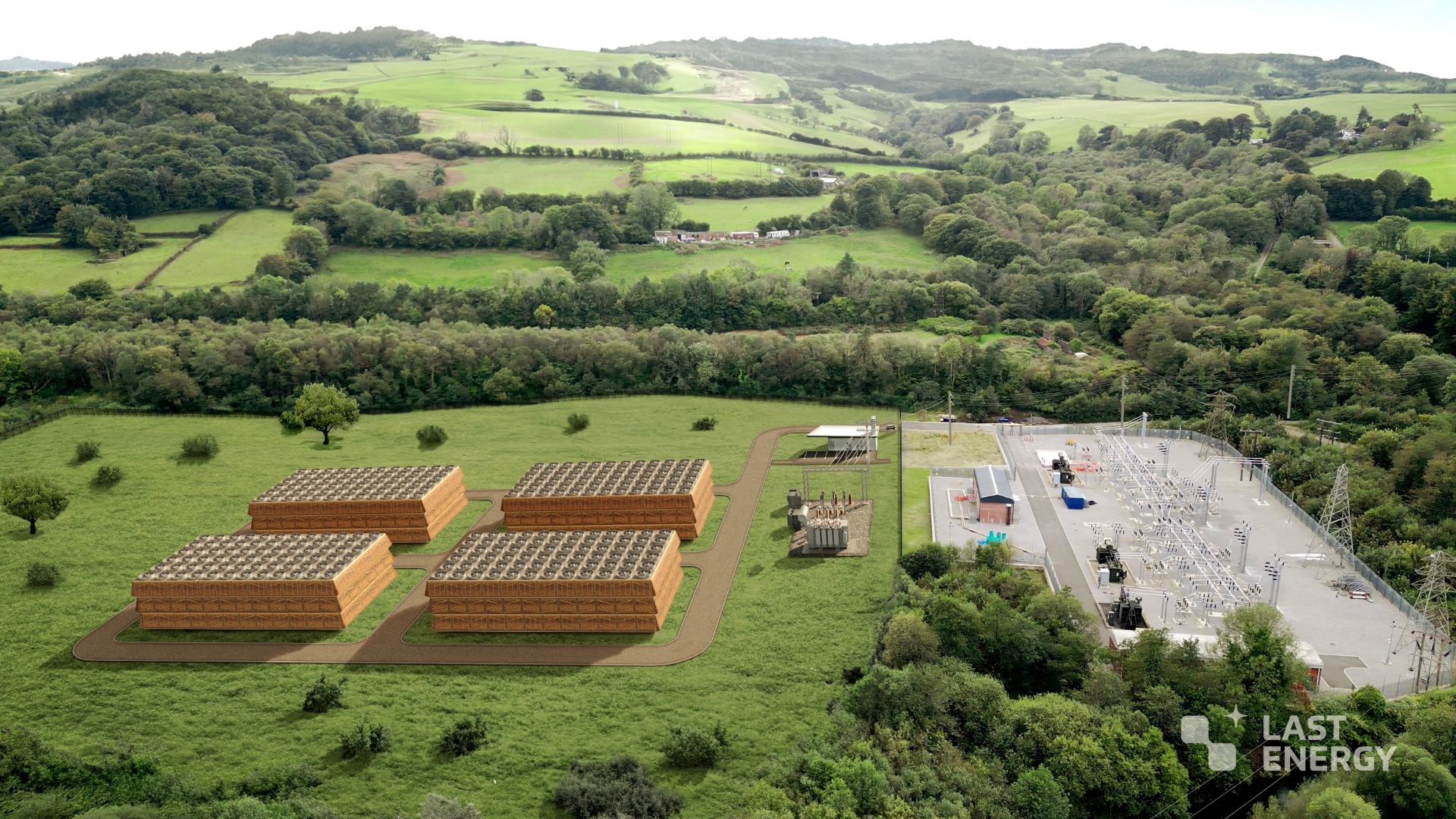
American start-up Last Energy has received a letter of interest from the Export-Import Bank of the United States (EXIM), confirming the bank’s willingness to move forward with due diligence for $103.7 million in financing for the company’s project in southern Wales.

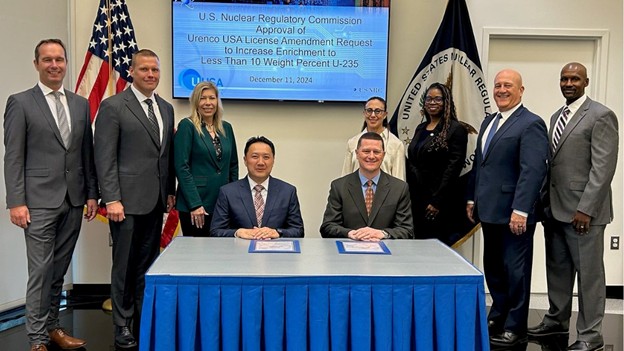
Just one day after Urenco USA (UUSA) was picked by the Department of Energy as one of six contractors eligible to compete for future low-enriched uranium task orders, the Nuclear Regulatory Commission on December 11 formally approved the company’s license amendment request to boost uranium enrichment levels at its Eunice, N.M., enrichment facility to 10 percent fissile uranium-235—up from its current limit of 5.5 percent.

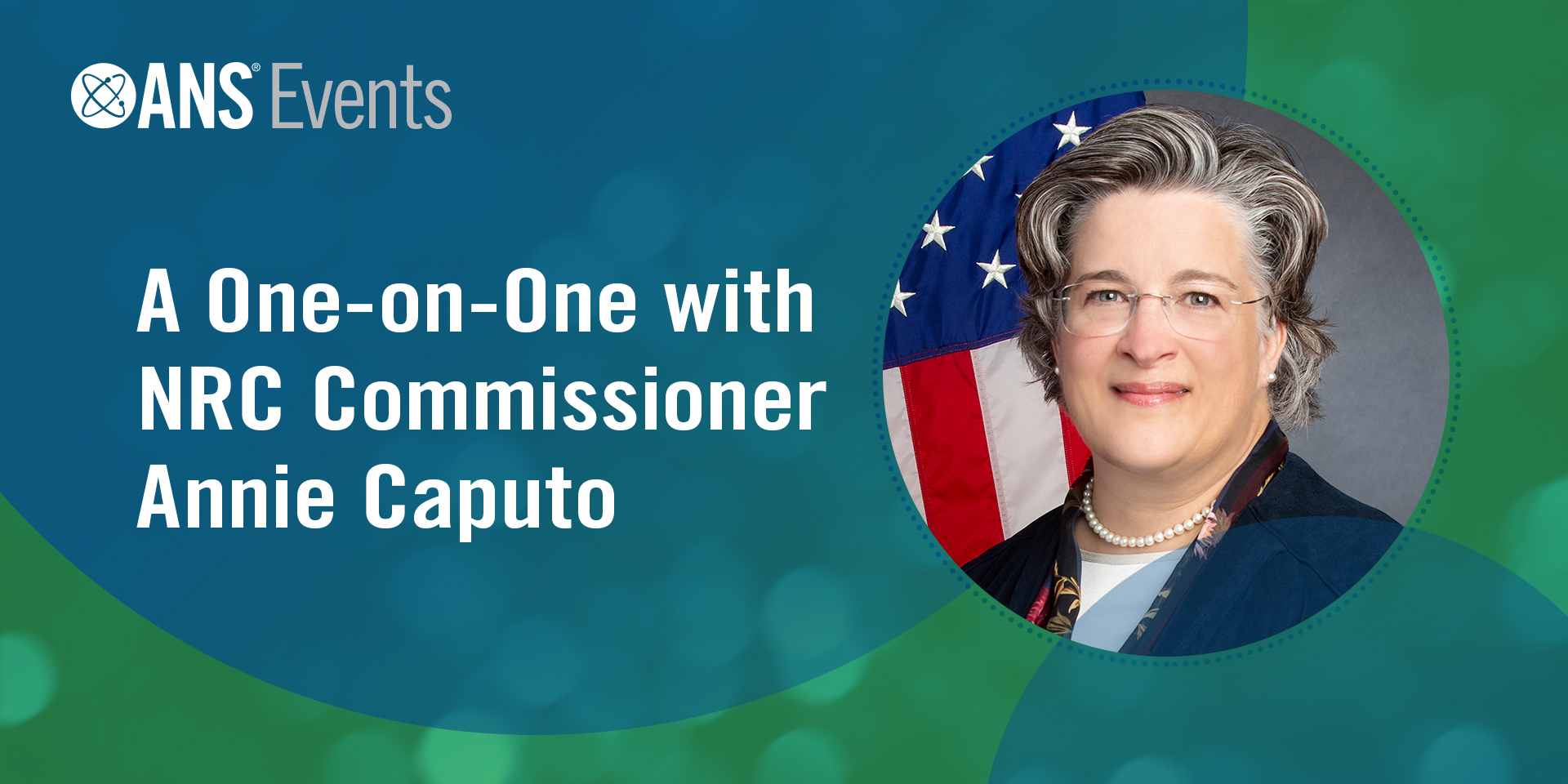
In a one-on-one interview with the American Nuclear Society’s chief executive officer/executive director Craig Piercy, Nuclear Regulatory Commission commissioner Annie Caputo shared her journey in the nuclear community and her vision for the future of nuclear energy.

Pointing to the consequences of ignoring the perils of nuclear weapons, Rafael Mariano Grossi at last week’s Nobel Peace Prize forum called for diplomacy and dialogue to reduce nuclear tensions.
Read Grossi’s full speech and watch his keynote address here.

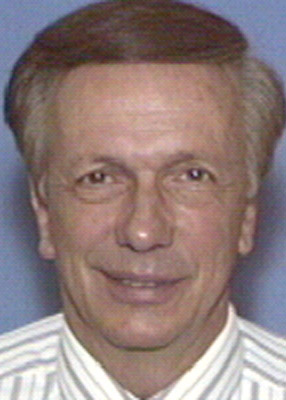
Jay F. Kunze
We welcome ANS members with long careers in the community to submit their own stories so that the personal history of nuclear power can be captured. For information on submitting your stories, contact nucnews@ans.org.
I was born and raised in Pittsburgh, Pa. In 1959, I received my Ph.D. in experimental nuclear physics utilizing the 400-MeV synchrocyclotron at Carnegie Mellon University, involving measuring the scattering of pi-mesons from protons (as a liquid hydrogen target). I joined ANS in January 1960.
I later joined General Electric’s Aircraft Nuclear Propulsion project to build a nuclear jet engine at the National Reactor Testing Station at Idaho Falls (now Idaho National Laboratory). In January 1961, the U.S. Army’s experimental nuclear reactor SL-1 blew up, killing three army personnel. At first, the Air Force would not permit General Electric to take part in the cleanup, but after the Aircraft Nuclear Propulsion project was canceled by President Kennedy in March, GE took on the SL-1 disassembly and analysis project. I oversaw the analysis, which took nearly two years.

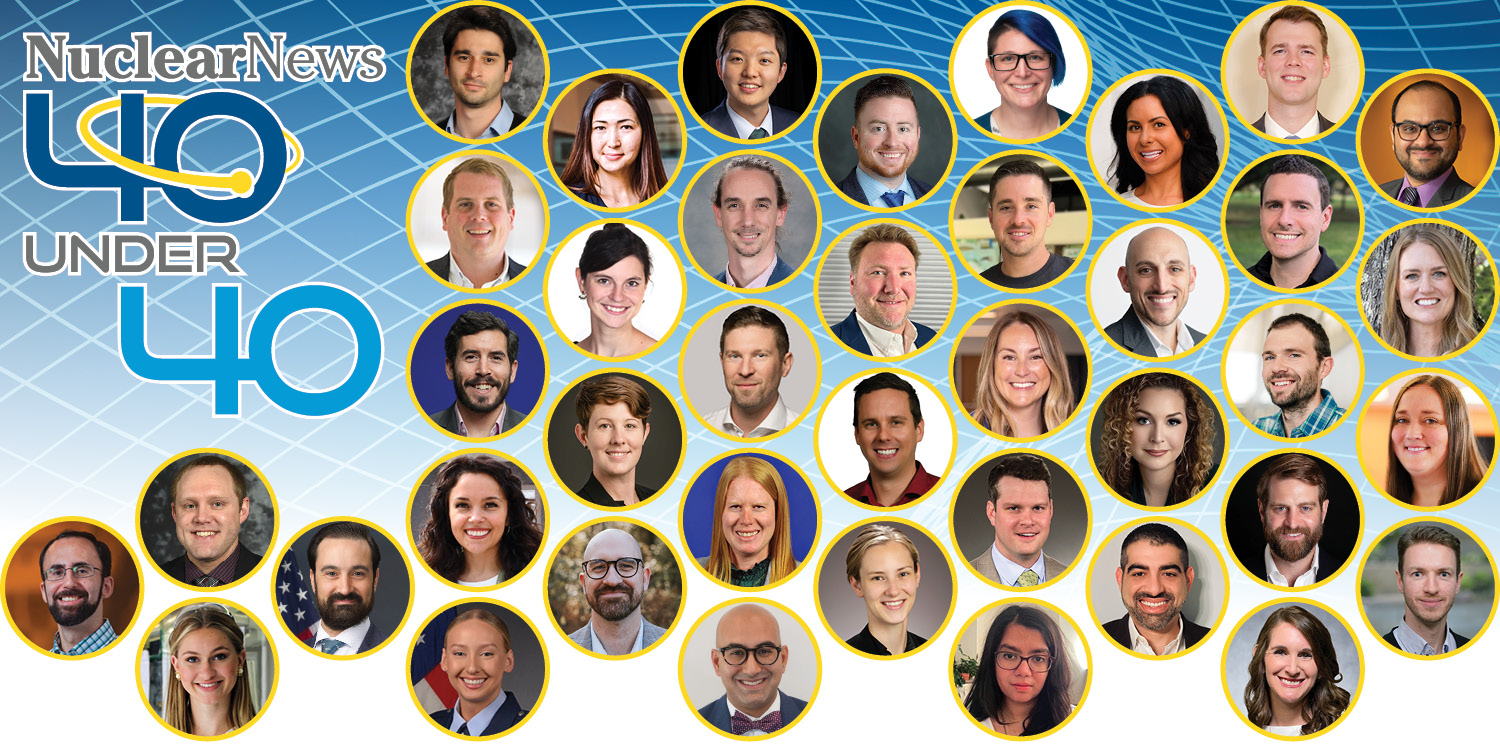
Welcome to the inaugural Nuclear News 40 Under 40! A year in the making, this list was a difficult undertaking for the NN staff, there being so many qualified and enthusiastic candidates to review. The task was further complicated by the great diversity of roles that exist within the nuclear community—from academia to labs and from utilities to government positions. Whatever their specific niche, those selected represent the exceptional talent, vision, and drive that is transforming the nuclear sector across the community. These 40 young professionals have shown remarkable commitment, innovation, and leadership in advancing nuclear science and technology, paving the way for a future in which nuclear power and applications will continue to play a vital role in addressing global challenges.

Houghtalen
The promise of nuclear power—clean, dispatchable, and reliable—positions it to match the ambitions of tech, industrial, and utility giants. But how do we turn ambition into action?
Uncertainty around nuclear energy’s capital cost is daunting, and the financial risk of pioneering new builds must be addressed.
Reliable nuclear power has incredible lifetime value. The ultimate project cost will pencil out over 40 or more years. We must focus on reducing the key risk: construction cost uncertainty for new nuclear.
A nuclear engineer, former reactor operator, and nuclear navy educator earned U.S. Senate approval today to take a seat on the Nuclear Regulatory Commission.
Matthew Marzano was confirmed in a 50–45 vote in the Senate and steps into an existing five-year term that will expire June 30, 2028. He joins the five-member commission, which has been without a tiebreaker vote since June 2023, when Jeff Baran’s term expired.
Marzano brings more than a decade of industry experience both working in nuclear plants and advising energy policy on Capitol Hill.

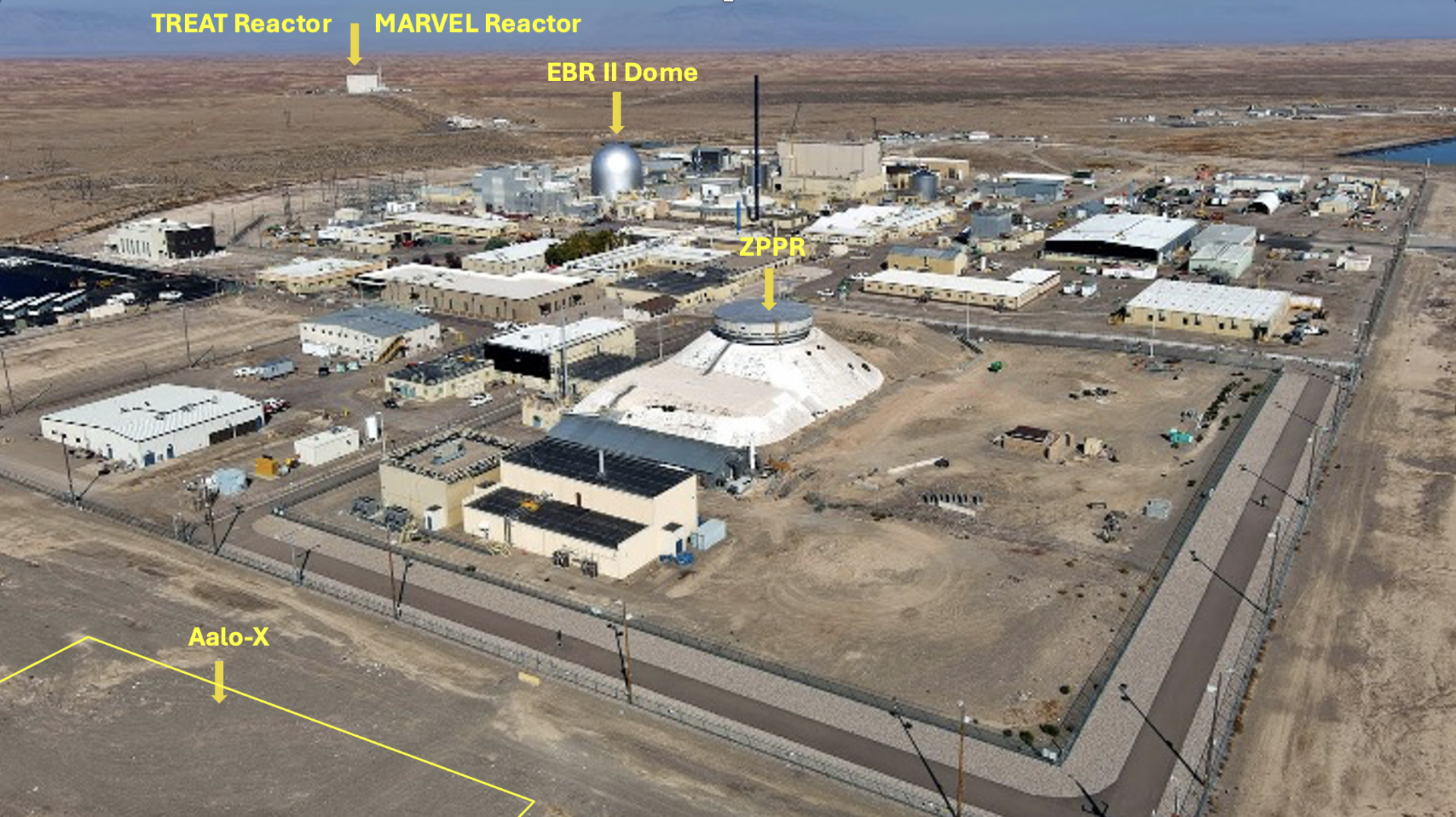
Aalo Atomics and the Department of Energy announced yesterday that the company has worked with Battelle Energy Alliance and the DOE’s Idaho Operations Office to develop a plan—described as “provisional,” “potential,” and “tentative”—to grant Aalo a one-acre plot of land at Idaho National Laboratory site to build a new facility that would house an experimental reactor. Aalo hopes the reactor, dubbed Aalo-X, will help the company license and commercialize Aalo-1, a 10-MWe sodium-cooled reactor.

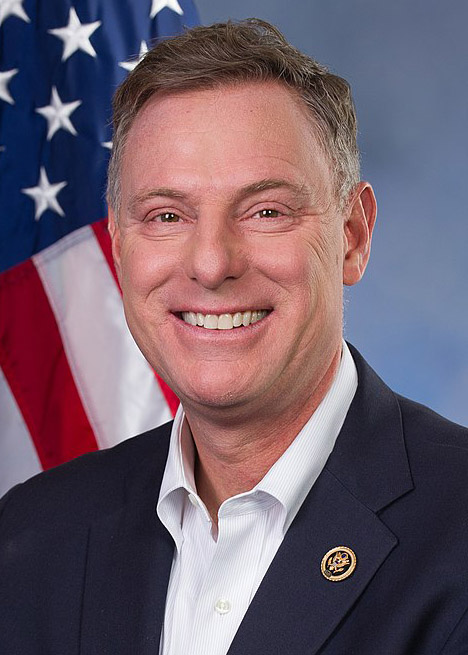
Peters

Latta
To streamline the licensing requirements for nuclear fuel recycling facilities and help increase investment in nuclear energy in the United States, U.S. Reps. Bob Latta (R., Ohio) and Scott Peters (D., Calif.) have introduced the bipartisan Nuclear REFUEL Act in the House of Representatives.
The bill, introduced on December 6, would amend the definition of “production facility” in the Atomic Energy Act, clarifying that a reprocessing facility producing uranium-transuranic mixed fuel would be licensed only under 10 CFR Part 70. According to the lawmakers, this single-step licensing process would significantly streamline the licensing requirements for fuel recycling facilities.