Versatility, leadership, and “the highest fast neutron flux in the history of ever”: Highlights from INL’s VTR webinar
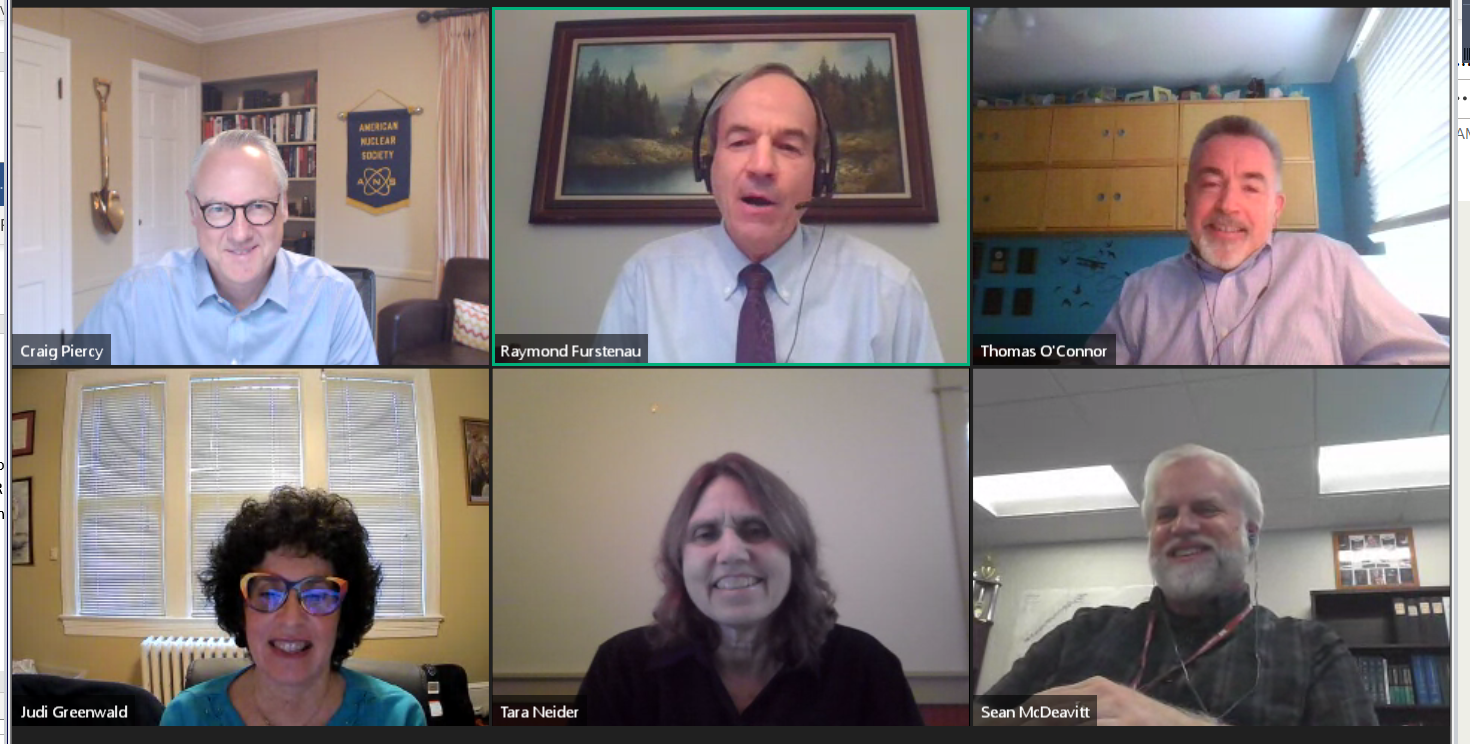
Clockwise from top left are Craig Piercy, Ray Furstenau, Tom O’Connor, Sean McDeavitt, Tara Neider, and Judi Greenwald.
The Versatile Test Reactor’s conceptual design was approved in September, and a draft environmental impact statement could be released within the week. The completion of more project milestones leading to operation in 2026, however, will depend on congressional appropriations. An expert panel described the need for a state-of-the-art test reactor and the value that the VTR could bring to the U.S. nuclear R&D community over its 60-year lifetime during a recent webinar—“Advanced U.S. Nuclear Research and Development: A Briefing and Discussion on the VTR”—hosted by Idaho National Laboratory.
Craig Piercy, ANS executive director/CEO, moderated the webinar, introducing a project update from VTR executive director Kemal Pasamehmetoglu and facilitating a Q&A session with representatives of the Nuclear Regulatory Commission, the Department of Energy, universities, reactor developers, and the Nuclear Innovation Alliance. A recording of the October 29 webinar is available online. INL also has a video and information online on the VTR.
“I think that the VTR represents part of a larger effort to modernize our infrastructure, develop a new set of technologies, and really preserve our global leadership in the field,” said Piercy. Read on to learn more about the promise the VTR holds for the nuclear community.
 The Nuclear Regulatory Commission last week announced the publication of the 2020–2021 Information Digest, which describes the agency's mission, responsibilities, accomplishments, and activities and provides general information on nuclear-related topics. The digest is published annually and, beginning this year, will be available electronically only on the NRC’s website.
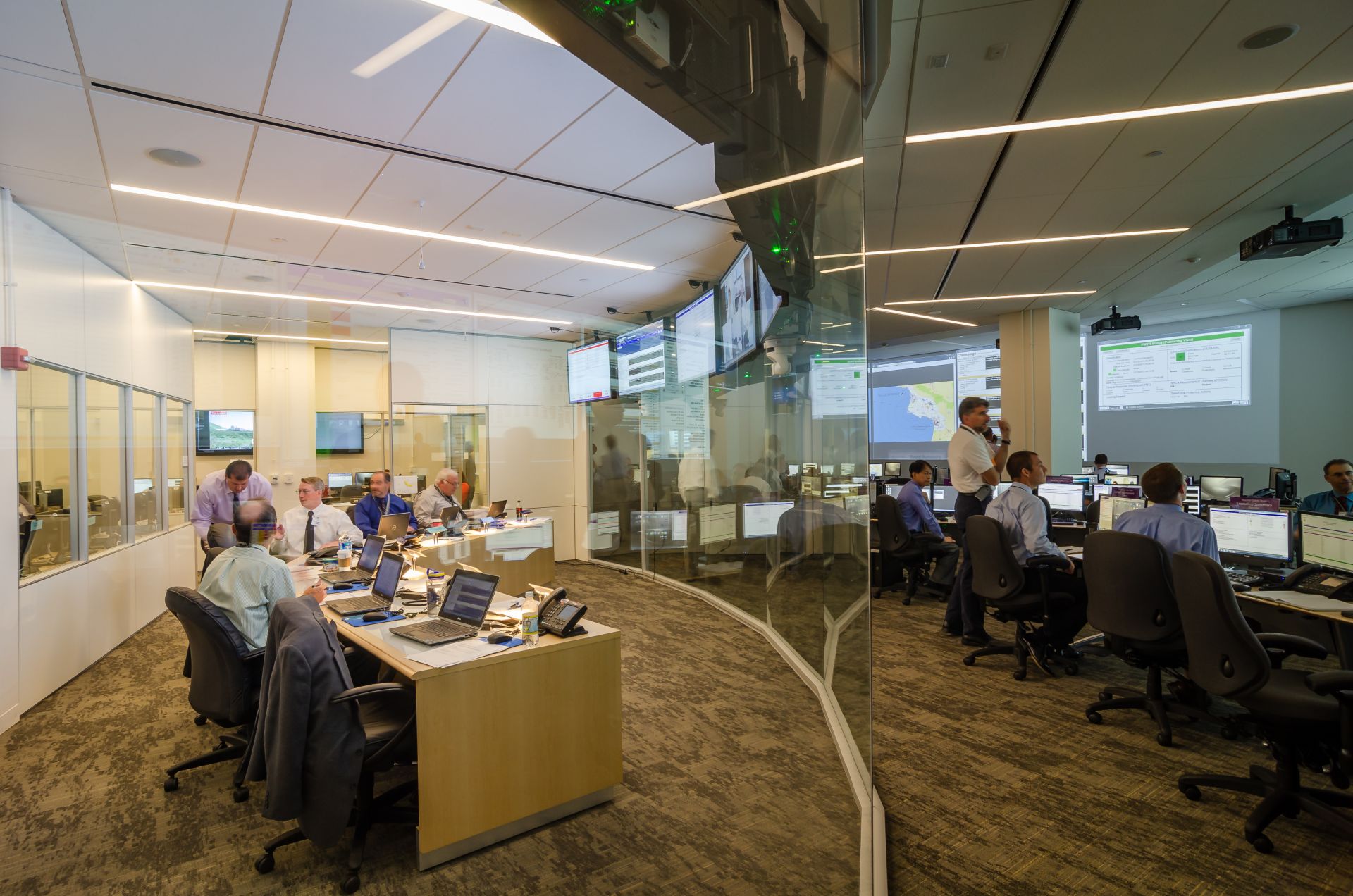 One essential lesson from the events at Three Mile Island-2 in March 1979 can be summed up in three words: Preparedness takes practice. The emergency response capacity of the Nuclear Regulatory Commission and nuclear plant operators is more than just a set of procedures. Active training and evaluation are required to coordinate effectively with local and state authorities and protect the public in the event of an off-site radiological release.