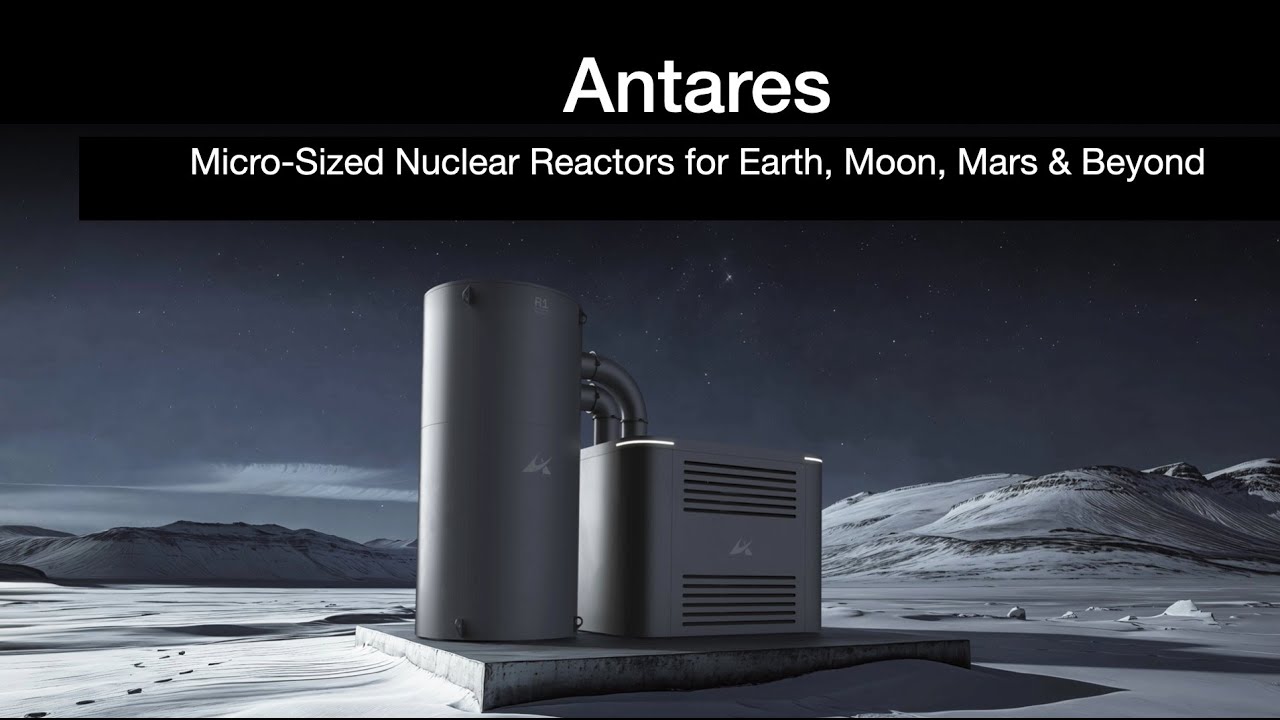
An illustration of SR-1 Freedom. (Image: NASA)
Last week, the Department of Energy announced a conditional commitment to provide high-assay low-enriched uranium to NASA for its Space Reactor-1 Freedom rocket and to Radiant Industries for its microreactor expected to be sited at Buckley Space Force Base.
The announcement comes a few weeks after Centrus Energy signed a contract to finalize the terms of a $900 million DOE task order to expand production capacity for HALEU at its American Centrifuge Plant in Piketon, Ohio.
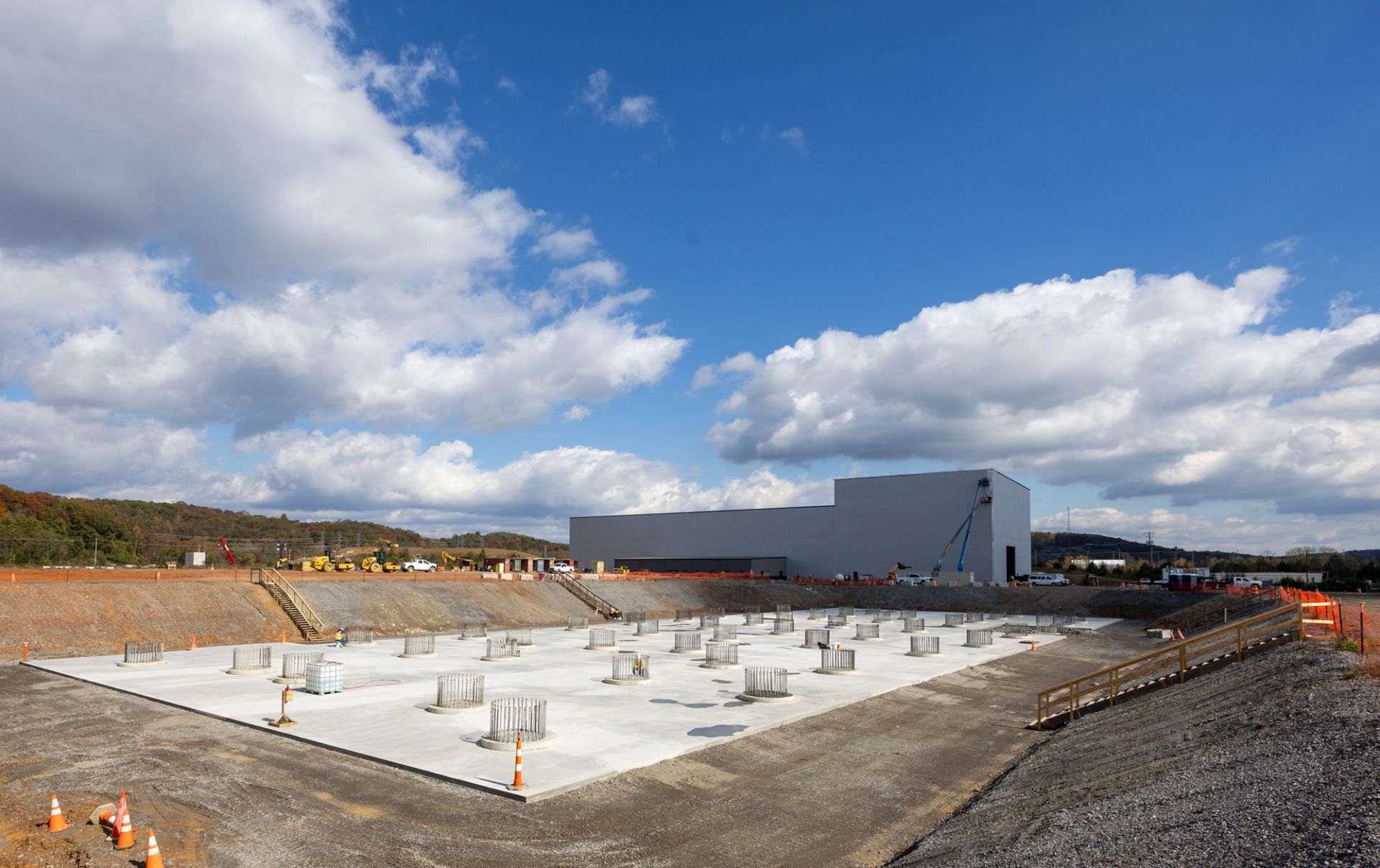
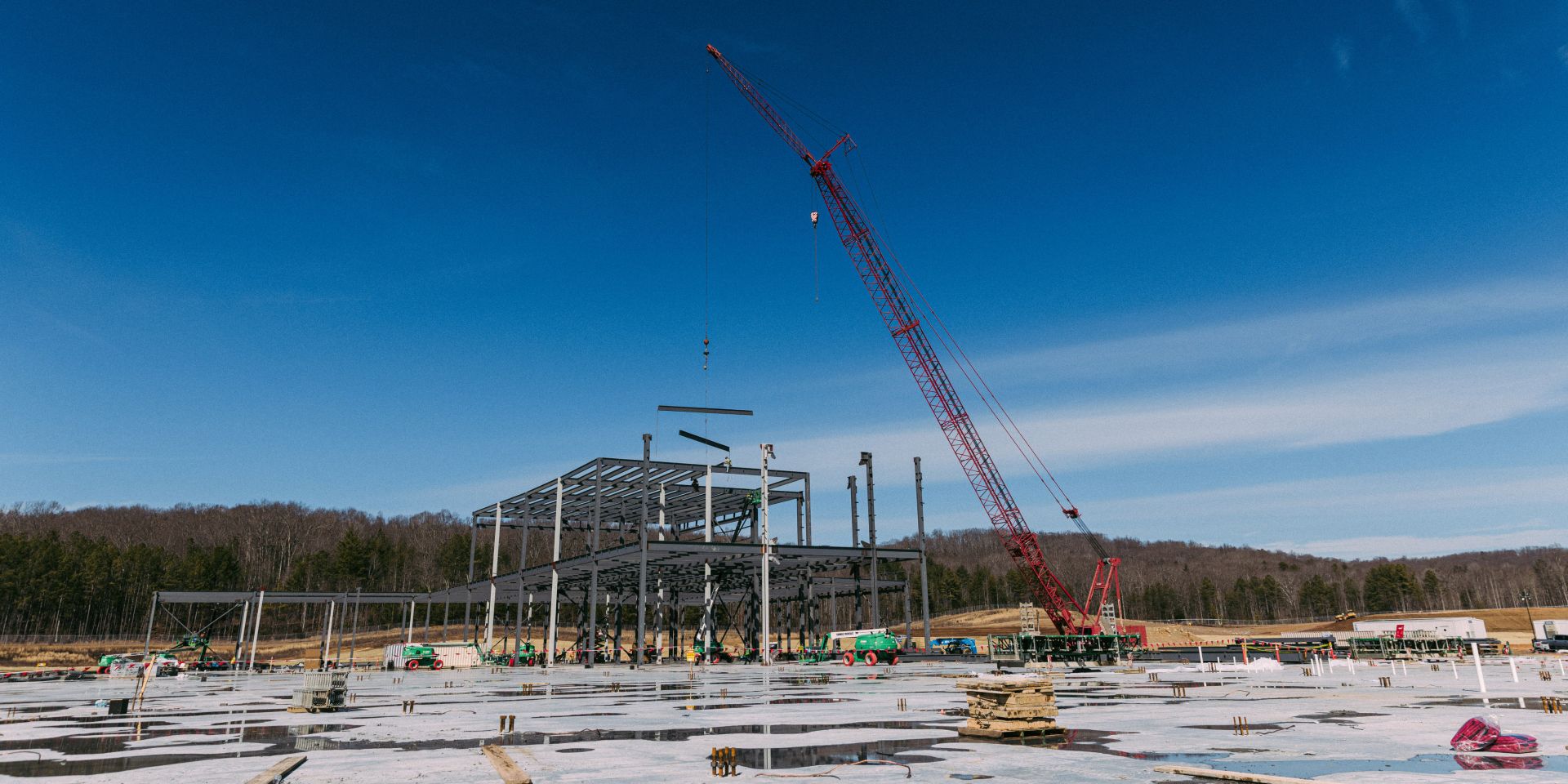
TRISO-X’s TX-1 fuel fabrication facility under construction in Oak Ridge, Tenn. (Photo: X-energy)
X-energy subsidiary TRISO-X has received an economic development grant valued at $11 million from Tennessee’s Nuclear Energy Supply Chain Investment Fund, which was established in 2023 to “support nuclear energy business investment, workforce development programs, and site development across Tennessee.” The grant will be used for the ongoing construction of TRISO-X’s fuel fabrication campus at the Horizon Center Industrial Park in Oak Ridge, Tenn.
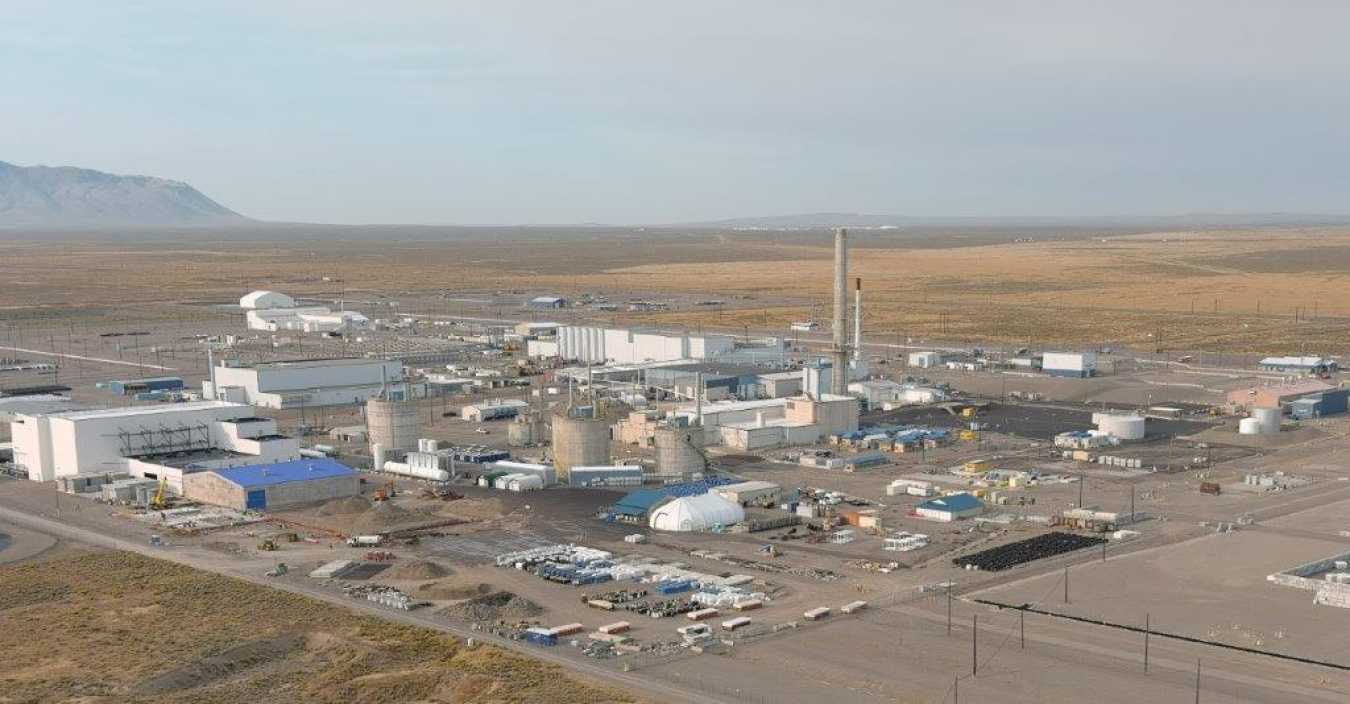
The Idaho Nuclear Technology and Engineering Center. (Photo: DOE)
The quest of the Department of Energy’s Office of Environmental Management to find a private-sector partner to design, build, and operate a commercial-scale facility to recycle defense-related used fuel at Idaho National Laboratory has transitioned to the review and selection phase, the DOE said July 7. Responses to a request for applications were due on June 19.
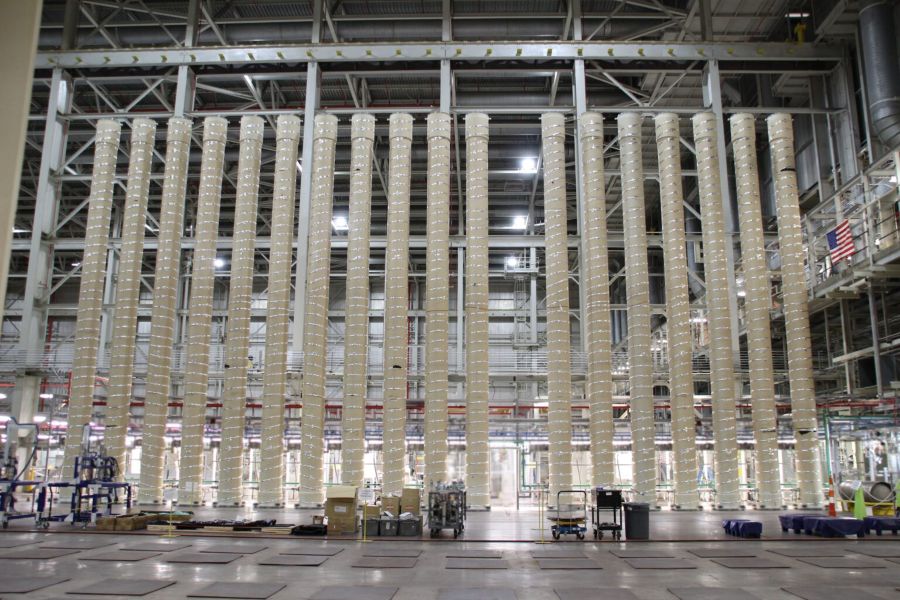
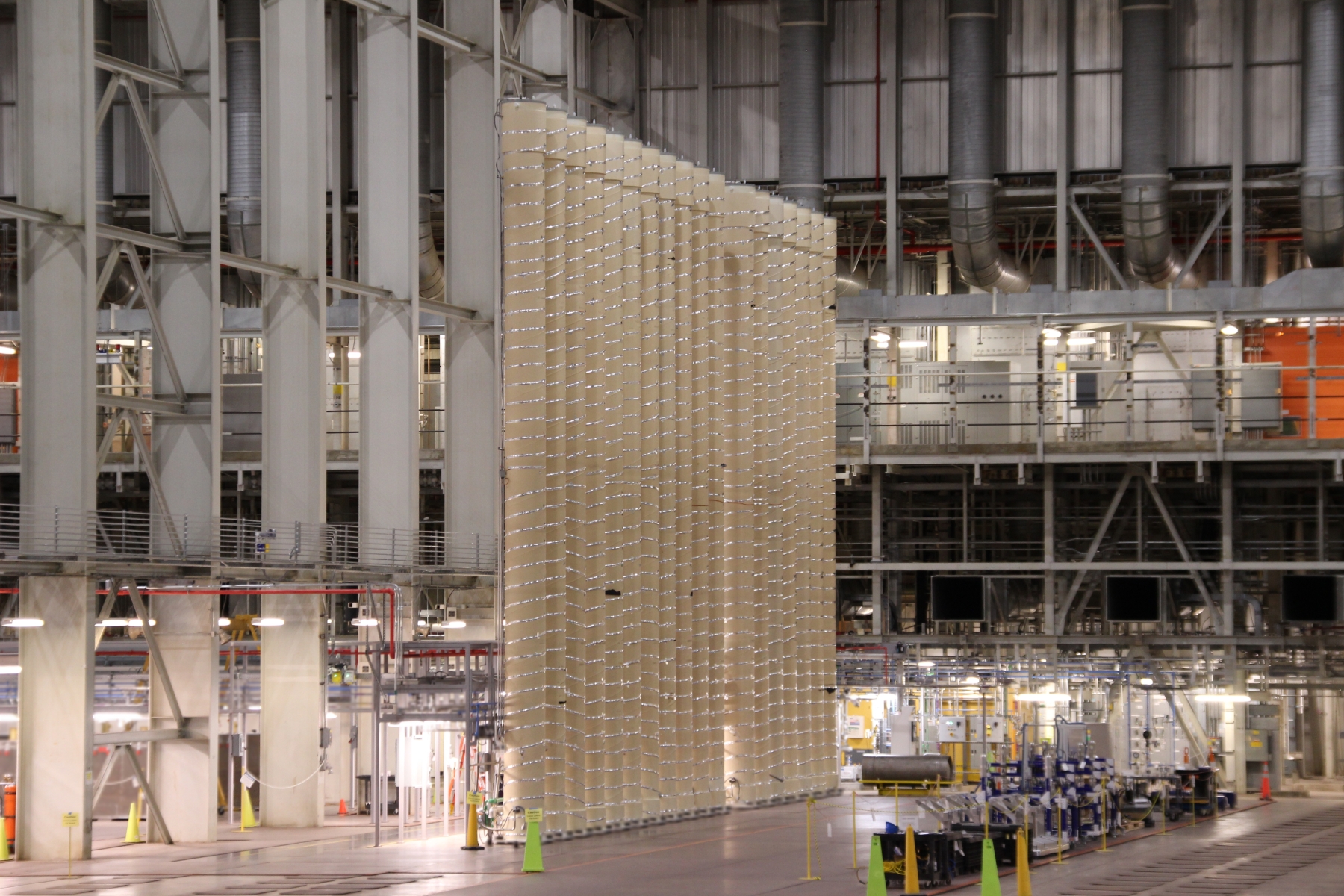
Centrus’s demonstration HALEU enrichment cascade. (Photo: Centrus)
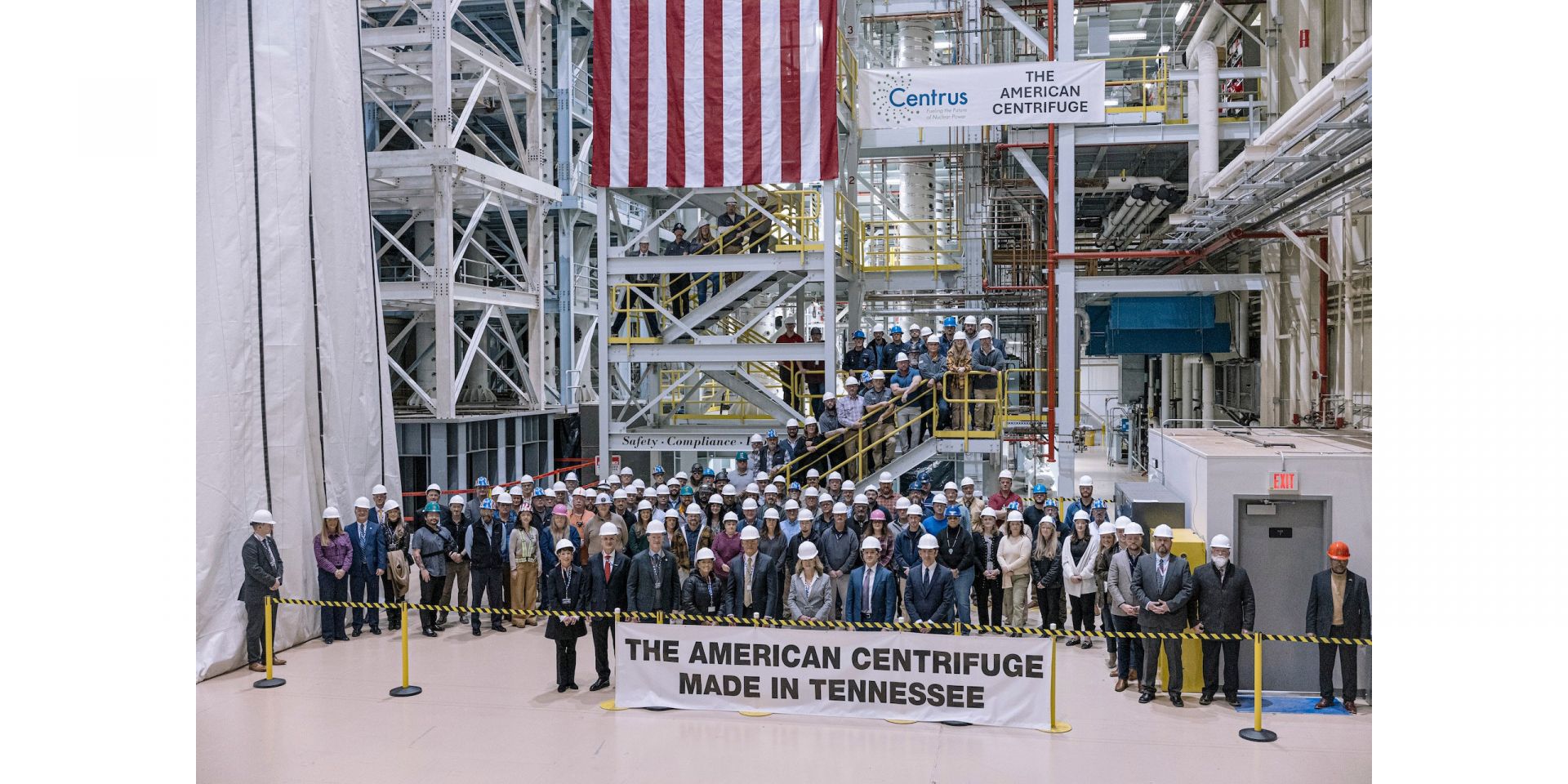
In the latest twist in a long-term, multistep contracting arrangement with the Department of Energy, Centrus Energy has signed a contract to finalize terms of a $900 million DOE task order to expand production capacity for high-assay low-enriched uranium at its American Centrifuge Plant in Piketon, Ohio. The expansion is part of Centrus’s multibillion-dollar capacity expansion that also includes low-enriched uranium.
The new DOE award allows the company to transition its HALEU production cascade to a commercial-scale operation at Piketon. The contract also includes options for as much $170 million in HALEU purchases for DOE missions, for a total contract value of $1.07 billion. Those options are subject to the discretion of DOE.
Natura is to work with QNI to source HALEU fuel. (Image: Natura Resources)
Molten salt reactor developer Natura Resources announced that it has entered into a formal agreement with New York–based start-up Quadrant Nuclear Industries to receive high-assay low-enriched uranium for Natura’s commercial reactor systems.
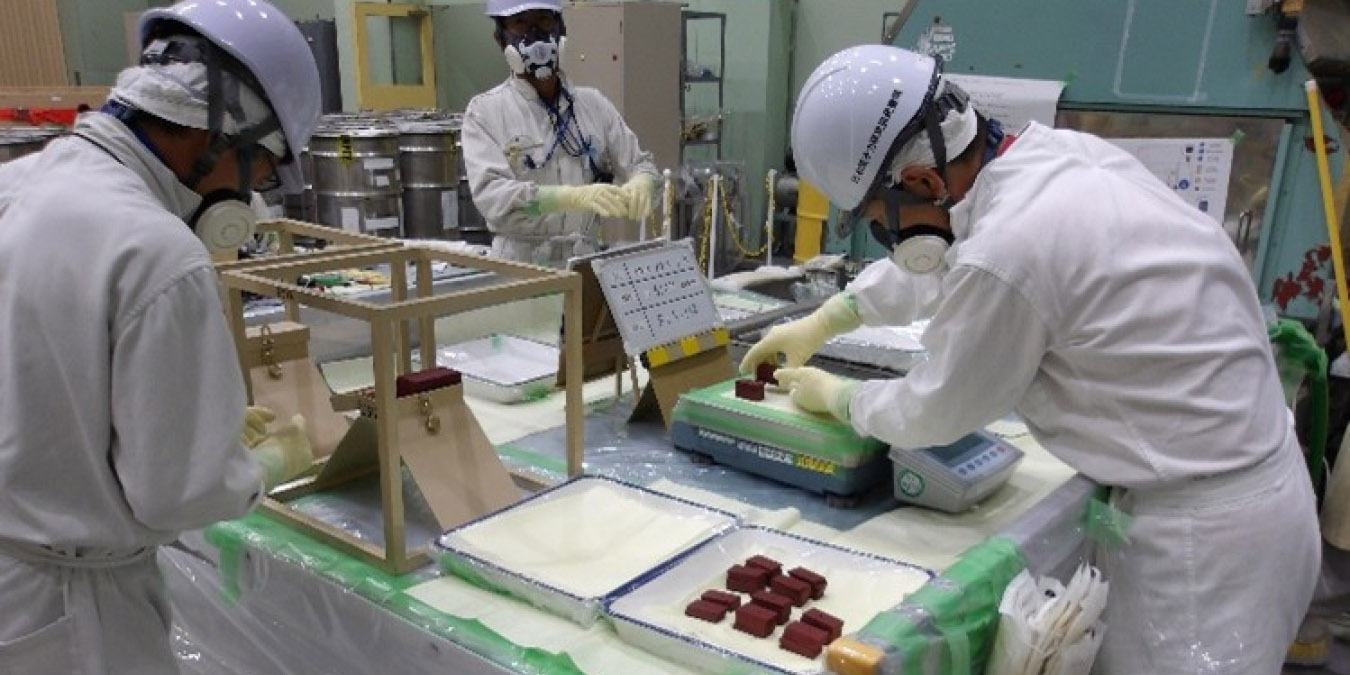
Members of the Japanese team package HALEU at Japan’s Fast Critical Assembly for shipment to the United States. (Photo: DOE/NNSA)
The Department of Energy’s National Nuclear Security Administration announced last week that it has transferred 1.7 metric tons of high-assay low-enriched uranium from Japan to the United States.
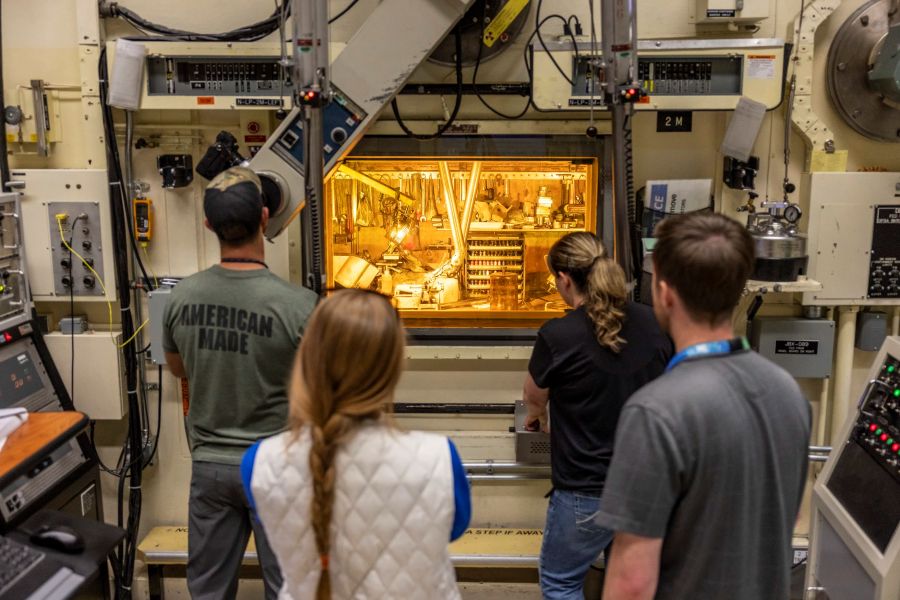
ANEEL fuel rodlets undergoing postirradiation examination at INL’s Hot Fuel Examination Facility. (Photo: Clean Core Thorium Energy)
Clean Core Thorium Energy has announced the completion of its nearly two-year ANEEL fuel irradiation testing and qualification campaign at Idaho National Laboratory.
The idea behind ANEEL (Advanced Nuclear Energy for Enriched Life) fuel is to provide existing pressurized heavy water reactors with a fuel option that has increased high-burnup performance without requiring any modification to the reactors.
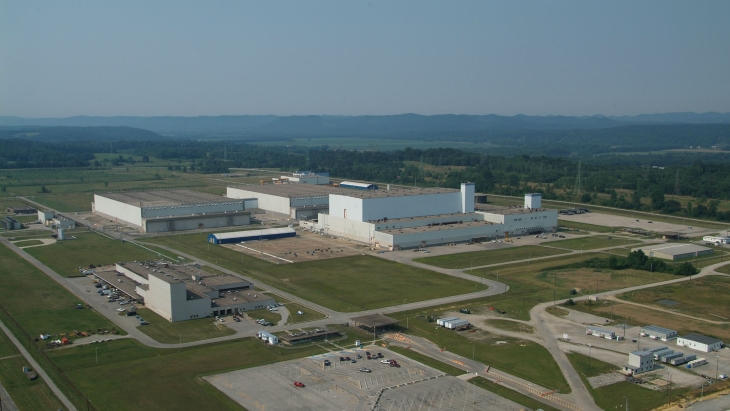
Centrus’s American Centrifuge Plant, in Piketon, Ohio. (Photo: Centrus Energy)
A newly announced potential joint venture between reactor and fuel-recycling developer Oklo and uranium enricher Centrus Energy could be coming to Ohio. The two companies have agreed to pursue discussions on jointly establishing deconversion services for high-assay low-enriched uranium and other fuel-cycle technologies at Centrus’s uranium enrichment plant in Piketon, Ohio, which is adjacent to Oklo's proposed 1.2-GW power campus. That campus, which has been targeted to be on line by 2030, will use Oklo’s Aurora Powerhouse microreactor to support data centers for Meta.
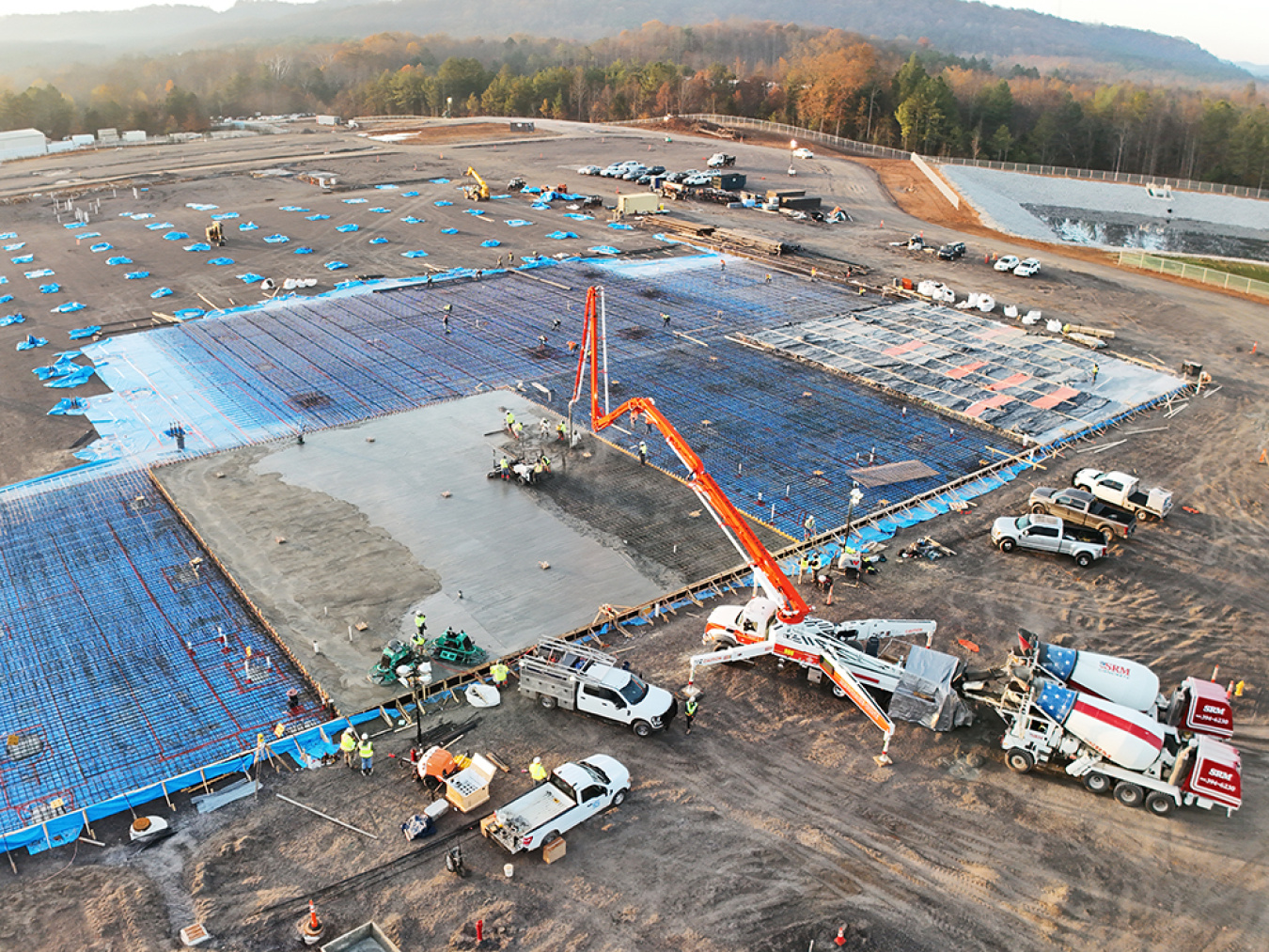
Work started on X-energy’s advanced fuel fabrication facility in Oak Ridge, Tenn., in November 2025. (Photo: X-energy)
The Nuclear Regulatory Commission has granted X-energy subsidiary TRISO-X a special nuclear material license for high-assay low-enriched uranium fuel fabrication. The license applies to TRISO-X’s first two planned commercial facilities, known as TX-1 and TX-2, for an initial 40-year period. The facilities are set to be the first new nuclear fuel fabrication plants licensed by the NRC in more than 50 years.
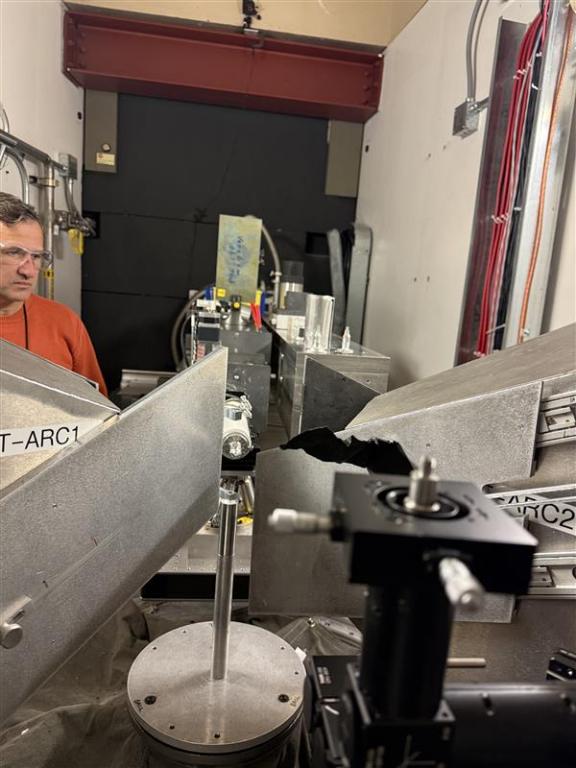
A scientist at ORNL’s Spallation Neutron Source aligns a neutron beam collimator to facilitate neutron scattering measurements on TRISO fuel. (Photo: Will Cureton/ORNL)
Oak Ridge National Laboratory is reporting a development in TRISO fuel research that could help evaluate high-temperature gas reactor fuels. ORNL researchers used the Spallation Neutrons and Pressure Diffractometer at the lab’s Spallation Neutron Source to make neutron scattering measurements on TRISO fuel particles containing high-assay low-enriched uranium (HALEU).
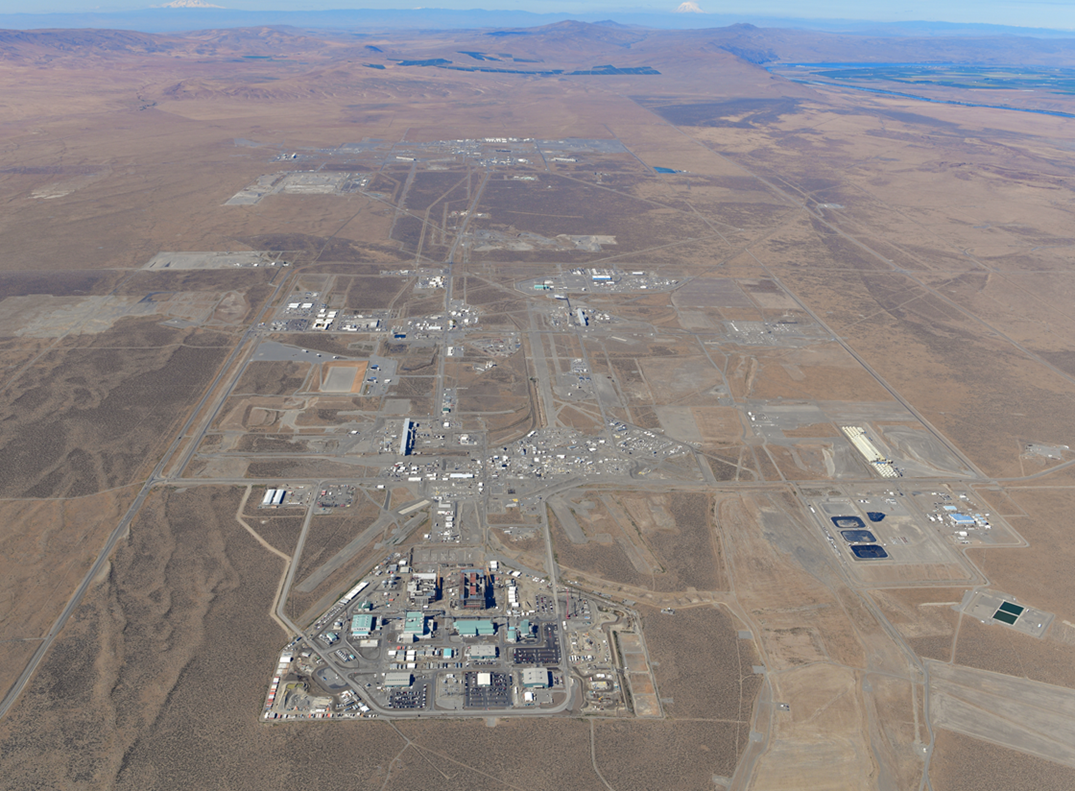
An aerial view of the Hanford Site. (Photo: DOE)
The Department of Energy's Office of Environmental Management (EM) on Tuesday announced a partnership with California-based nuclear fuel company General Matter for the potential use of the long-idle Fuels and Materials Examination Facility (FMEF) at the Hanford Site in Washington state.
According to the announcement, the DOE and General Matter have signed a lease to explore the FMEF's potential to be used for advanced nuclear fuel cycle technologies and materials, in part to help satisfy the predicted future requirements of artificial intelligence.
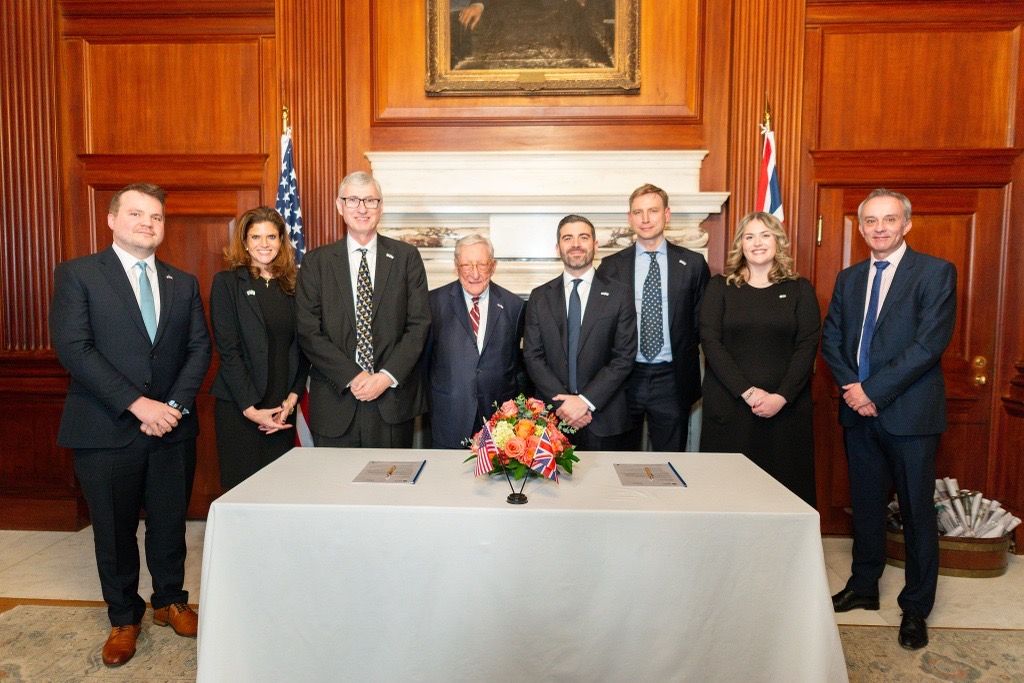
The agreement was signed at the British Embassy in Washington, D.C., with assistant secretary for nuclear energy Ted Garrish (fourth from left) in attendance. (Photo: Westinghouse)
Nuclear Transport Solutions and Westinghouse have signed a strategic agreement to codevelop NTS’s Pegasus—a transport package for high-assay, low-enriched uranium fuel.
The companies signed the agreement at the British Embassy in Washington, D.C., on January 22, taking what Westinghouse called “an important step in making HALEU available to enable advanced nuclear energy in the U.S. and UK.”
Hermes under construction in Oak Ridge, Tenn.
Kairos Power has finalized a contract with the Department of Energy to receive high-assay low-enriched uranium (HALEU) from the agency for the company’s Hermes low-power demonstration reactor, currently under construction in Oak Ridge, Tenn.
In partnership with Los Alamos National Laboratory, Kairos intends to use the DOE-provided material to produce HALEU TRISO fuel pebbles for Hermes. The company views the Hermes test reactor and the fuel fabrication program as crucial to the eventual success of its power-producing Hermes 2 demonstration plant, also to be sited in Oak Ridge, and future commercial fluoride salt–cooled high-temperature reactors.
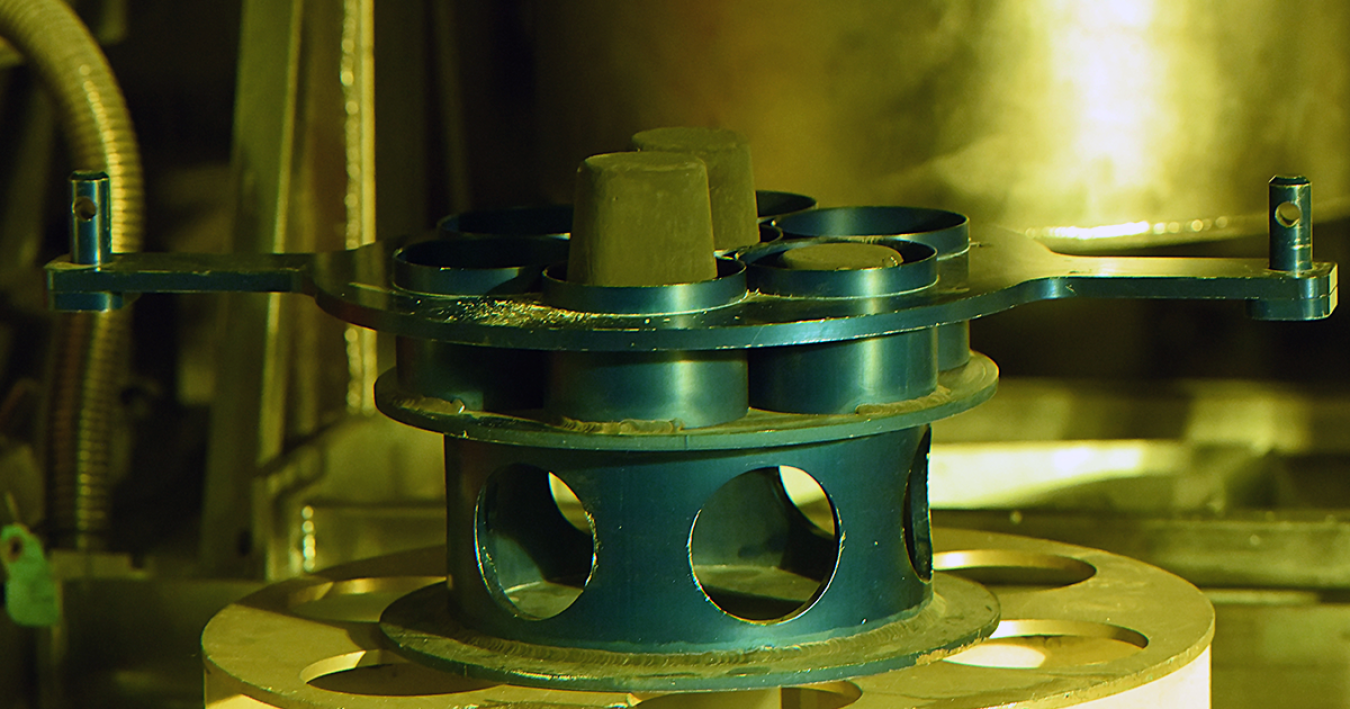
HALEU reguli fabricated from downblended high-enriched uranium recovered from legacy EBR-II fuel at Idaho National Laboratory. (Photo: DOE)
Five companies are the recipients of Department of Energy awards to support the development, modification, and licensing of transportation packages for high-assay low-enriched uranium (HALEU) fuel. HALEU, which is enriched between 5 percent and 20 percent, is the type of fuel required for the operation of many of the small advanced nuclear reactors that are being designed and developed by U.S. companies.


.jpg)