Secretary of Energy Chris Wright (left) and NASA Administrator Jared Isaacman (right) meet at DOE headquarters in Washington, D.C., on January 8. (Photo: NASA/John Kraus)
NASA and the Department of Energy have announced a “renewed commitment” to their mutual goal of supporting research and development for a nuclear fission reactor on the lunar surface to provide power for future missions. The agencies have signed a memorandum of understanding that “solidifies this collaboration and advances President Trump’s vision of American space superiority.”
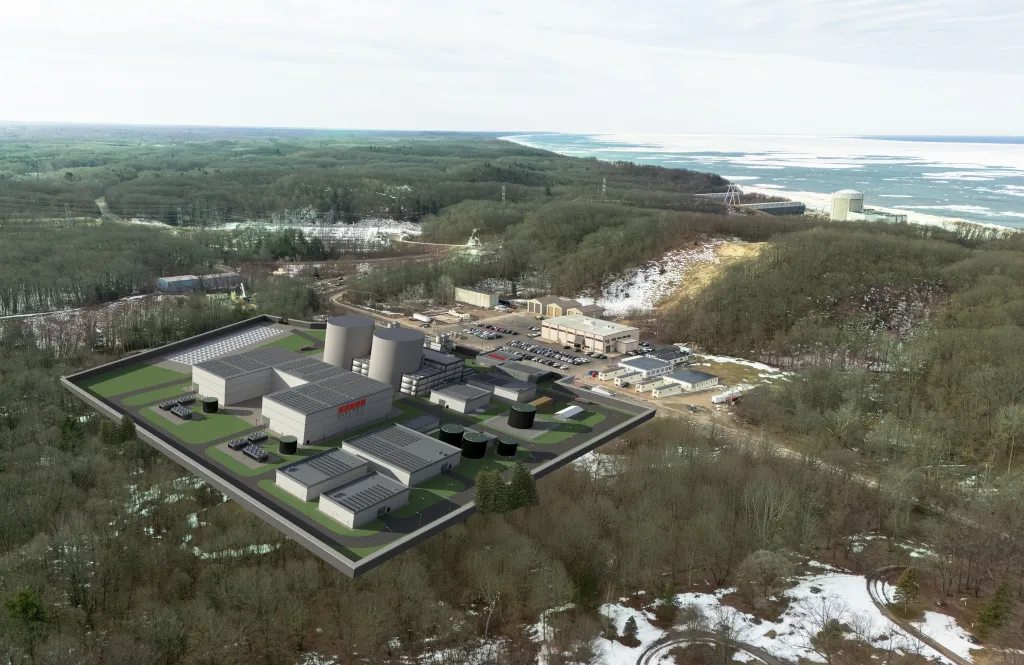
An image of the Palisades site, featuring two SMR-300 units in the foreground. (Image: Holtec)
On New Year’s Eve, Holtec International submitted Part 1 of a construction permit application to the Nuclear Regulatory Commission seeking a limited work authorization (LWA) to begin construction of a two-unit SMR-300 plant at the company’s site in Covert, Mich.
Named Pioneer-1 and -2, the twin 340-MWe pressurized water reactors would join the 777-MWe Palisades PWR that began operating in 1971, shut down in 2022, and is expected to reconnect to the grid—slightly delayed—early this year. According to Holtec’s application documents, Part 2 of its construction permit will be filed no later than mid-2027.
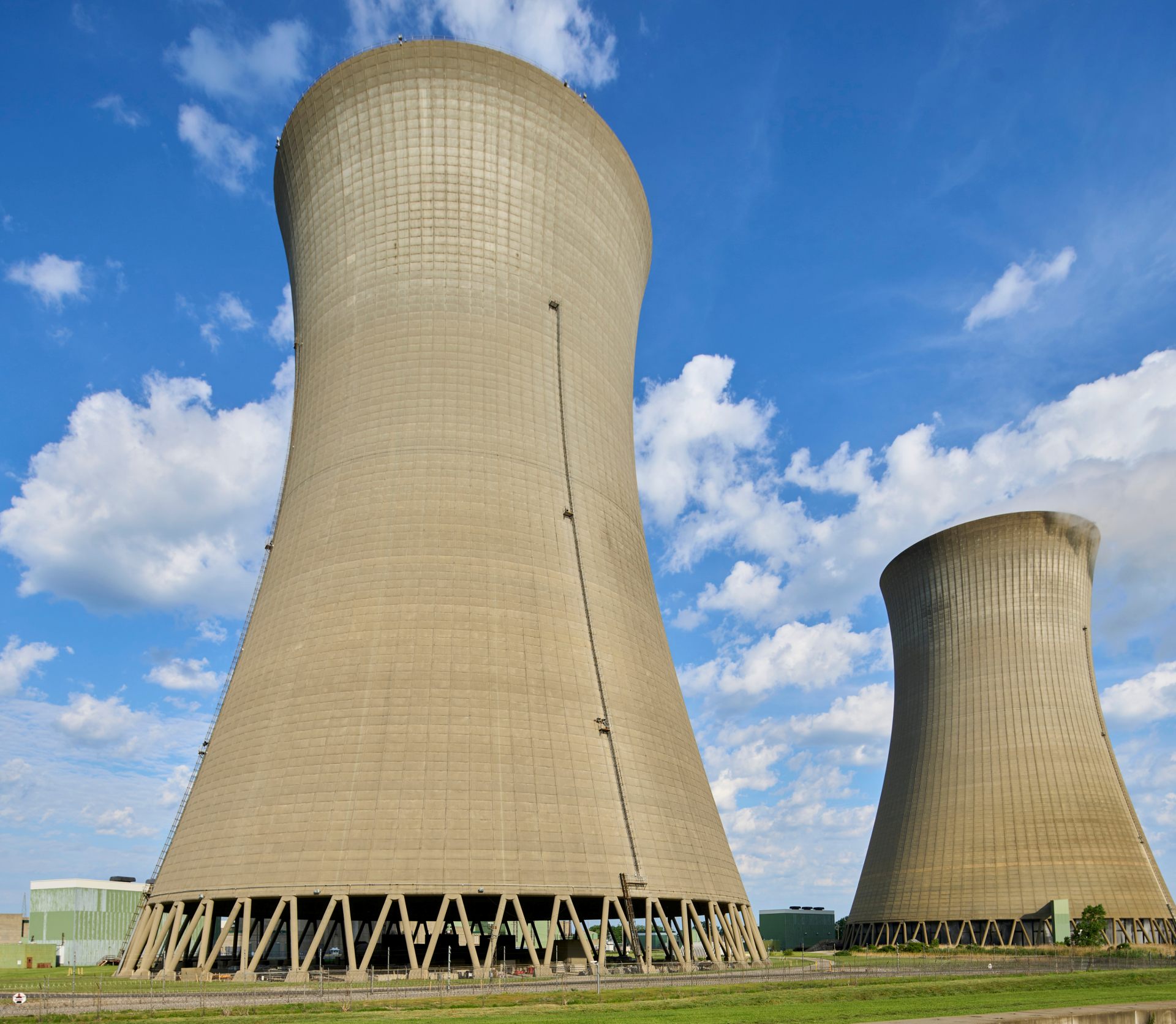
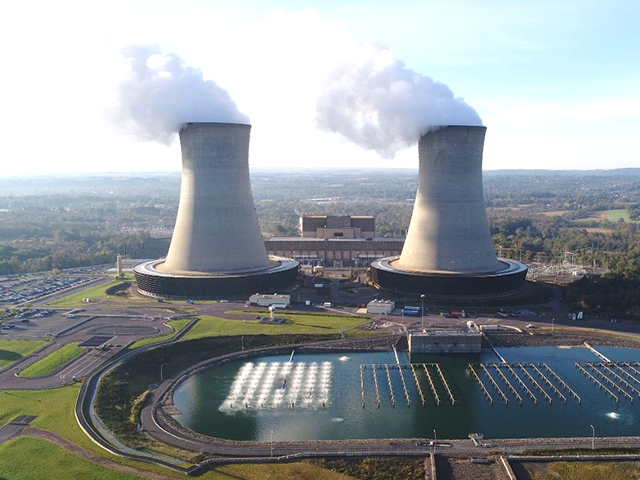
The cooling towers at Vistra's Beaver Valley nuclear power plant. (Photo: Vistra)
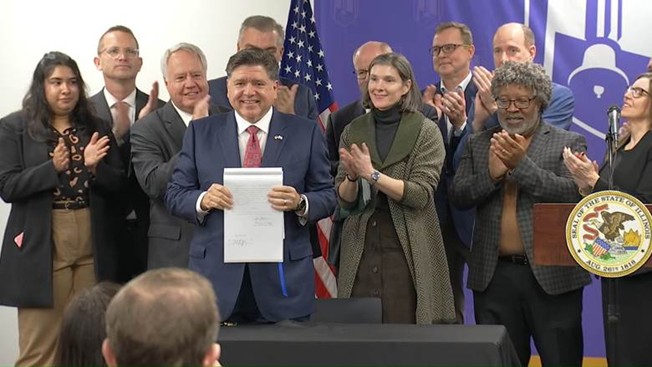
Illinois Gov. J. B. Pritzker displays the Clean and Reliable Grid Affordability Act during the signing ceremony in Joliet on January 8. (Image: Office of the Governor of Illinois)
New power reactors of any size can be now be sited in the state of Illinois, thanks to legislation signed by Gov. J. B. Pritzker on January 8. The Clean and Reliable Grid Affordability Act (CRGA)—which Pritzker says is designed to lower energy costs for consumers, drive the development of new energy resources in the state, and strengthen the grid—lifts the moratorium on new, large nuclear reactors that Illinois enacted in the late 1980s.
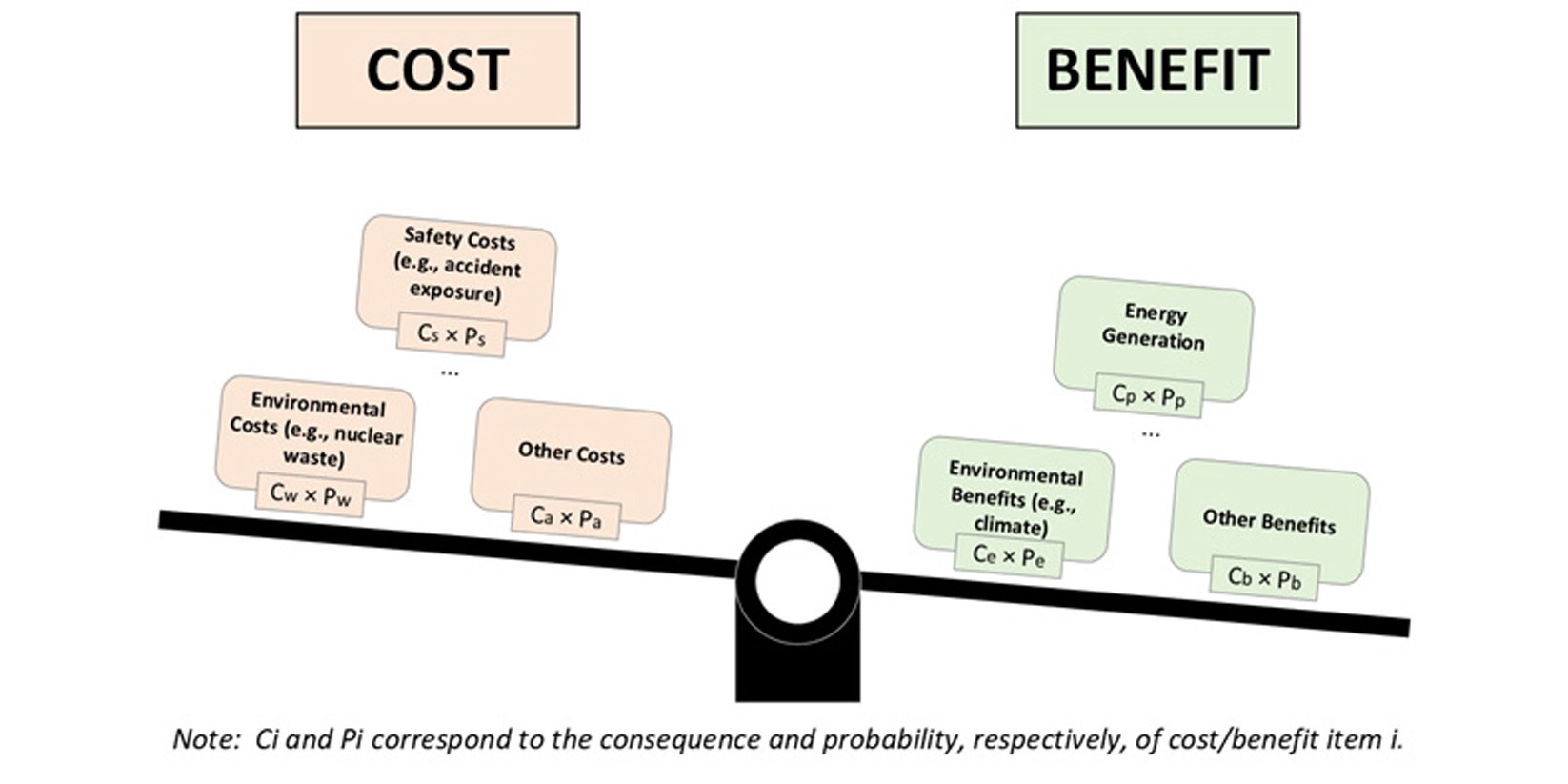
January 8, 2026, 5:12PMNuclear NewsGeorge Joslin, Arden Rowell, Ha Bui, Justin Valentino, Ziwei Che, Seyed Reihani, and Zahra Mohaghegh Fig. 1. Example of a cost-benefit analysis for efficient and safe nuclear licensing. This framework illustrates how safety risk, traditionally quantified through PRA, must be combined with other relevant cost and benefit dimensions to meet statutory expectations of efficiency.
The U.S. nuclear industry is standing at its most volatile regulatory moment yet—one that will shape the trajectory and safety of the industry for decades to come. Recent judicial, legislative, and executive actions have converged to rewrite the rules governing the licensing and regulation of nuclear power reactors. Although these changes are intended to promote and accelerate the deployment of new nuclear energy technologies, the collision of multiple legal shifts—occurring simultaneously and intersecting with profound technological uncertainties—is overwhelming the Nuclear Regulatory Commission and threatening to destabilize investor and industry expectations.
Teller’s (left) and Ulam’s Los Alamos Manhattan Project badge photographs, 1943–1944.
In early 1951, Los Alamos scientists Edward Teller and Stanislaw Ulam devised a breakthrough that would lead to the hydrogen bomb [1]. Their design gave the United States an initial advantage in the Cold War, though comparable progress was soon achieved independently in the Soviet Union and the United Kingdom.
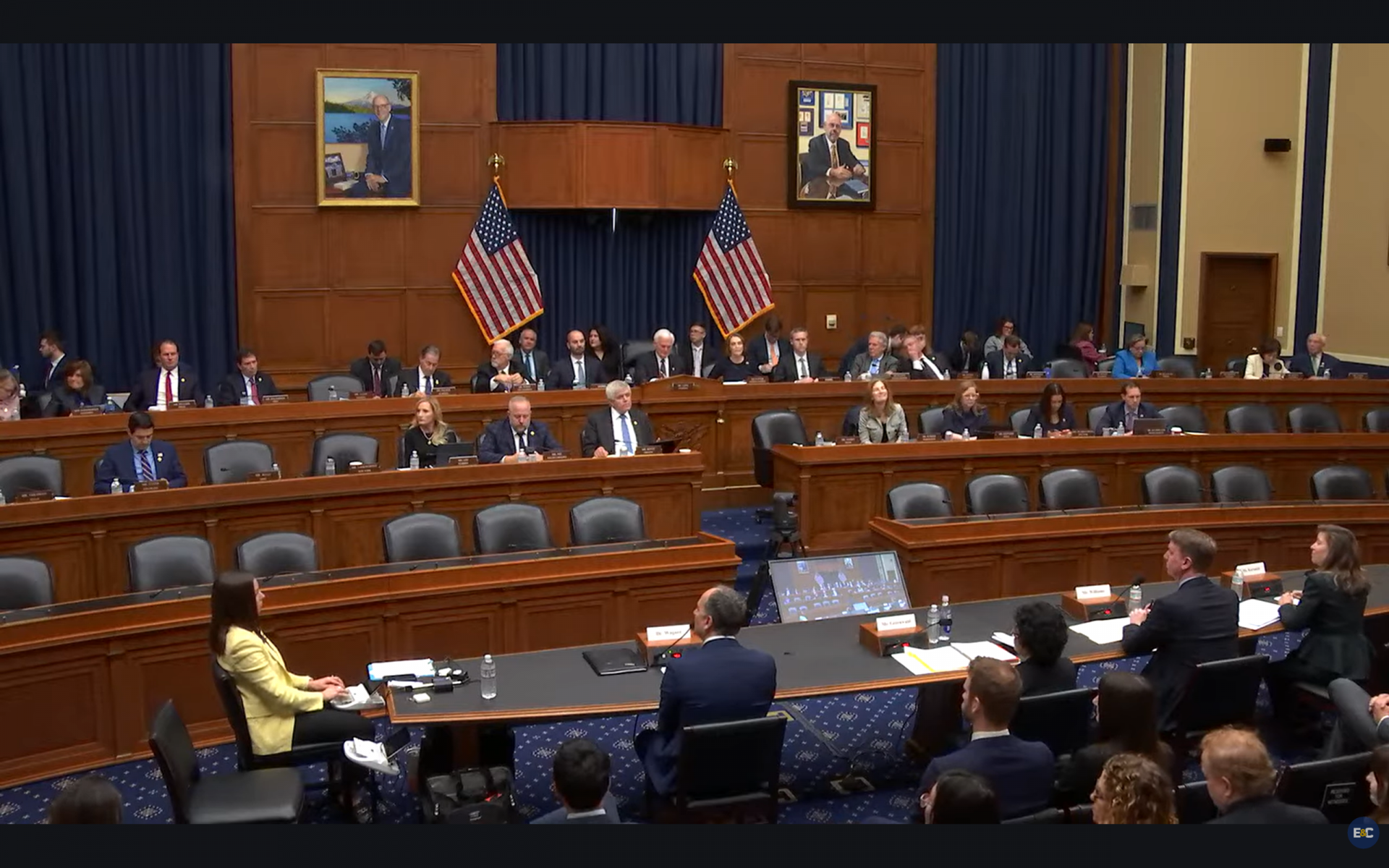
Still from a video of the Energy Subcommittee hearing, "American Energy Dominance: Dawn of the New Nuclear Era." (Credit: House Committee on Energy and Commerce)
The U.S. House Energy and Commerce Subcommittee on Energy convened its first hearing of the year, “American Energy Dominance: Dawn of the New Nuclear Era,” on January 7, where lawmakers and industry leaders discussed how nuclear energy can help meet surging electricity demand driven by artificial intelligence, data centers, advanced manufacturing, and national security needs.
Concept art of the SPARC digital twin. (Image: CFS)
Commonwealth Fusion Systems, a fusion firm headquartered in Devens, Mass., is collaborating with California-based computing infrastructure company NVIDIA and Germany-based technology conglomerate Siemens to develop a digital twin of its SPARC fusion machine. The cooperative work among the companies will focus on applying artificial intelligence and data- and project-management tools as the SPARC digital twin is developed.
Constellation's Limerick nuclear power plant. (Photo: Constellation Energy)
The Nuclear Regulatory Commission has amended the operating licenses of the two boiling water reactors at Constellation Energy's Limerick nuclear power plant, giving the company the green light to replace the units' analog safety-related instrumentation and controls systems with a state-of-the-art digital system.
Concept art of Atomic Alchemy’s radioisotope pilot facility. (Image: Hillside Architecture)
This week, the Department of Energy has finalized two new other transaction agreements (OTAs) with participating companies in its Reactor Pilot Program, which aims to get one or two fast-tracked reactors on line by July 4 of this year. Those companies are Terrestrial Energy and Oklo.