-3 2x1.jpg)
HPS's Eric Goldin: On health physics
 Eric Goldin, president of the Health Physics Society, is a radiation safety specialist with 40 years of experience in power reactor health physics, supporting worker and public radiation safety programs. A certified health physicist since 1984, he has served on the American Board of Health Physics, and since 2004, he has been a member of the National Council on Radiation Protection and Measurements’ Program Area Committee 2, which provides guidance for radiation safety in occupational settings for a variety of industries and activities. He was awarded HPS Fellow status in 2012 and was elected to the NCRP in 2014.
Goldin’s radiological engineering experience includes ALARA programs, instrumentation, radioactive waste management, emergency planning, dosimetry, decommissioning, licensing, effluents, and environmental monitoring.
The HPS, headquartered in Herndon, Va., is the largest radiation safety society in the world. Its membership includes scientists, safety professionals, physicists, engineers, attorneys, and other professionals from academia, industry, medical institutions, state and federal government, the national laboratories, the military, and other organizations.
The HPS’s activities include encouraging research in radiation science, developing standards, and disseminating radiation safety information. Its members are involved in understanding, evaluating, and controlling the potential risks from radiation relative to the benefits.
Goldin talked about the HPS and health physics activities with Rick Michal, editor-in-chief of Nuclear News.
 One essential lesson from the events at Three Mile Island-2 in March 1979 can be summed up in three words: Preparedness takes practice. The emergency response capacity of the Nuclear Regulatory Commission and nuclear plant operators is more than just a set of procedures. Active training and evaluation are required to coordinate effectively with local and state authorities and protect the public in the event of an off-site radiological release.
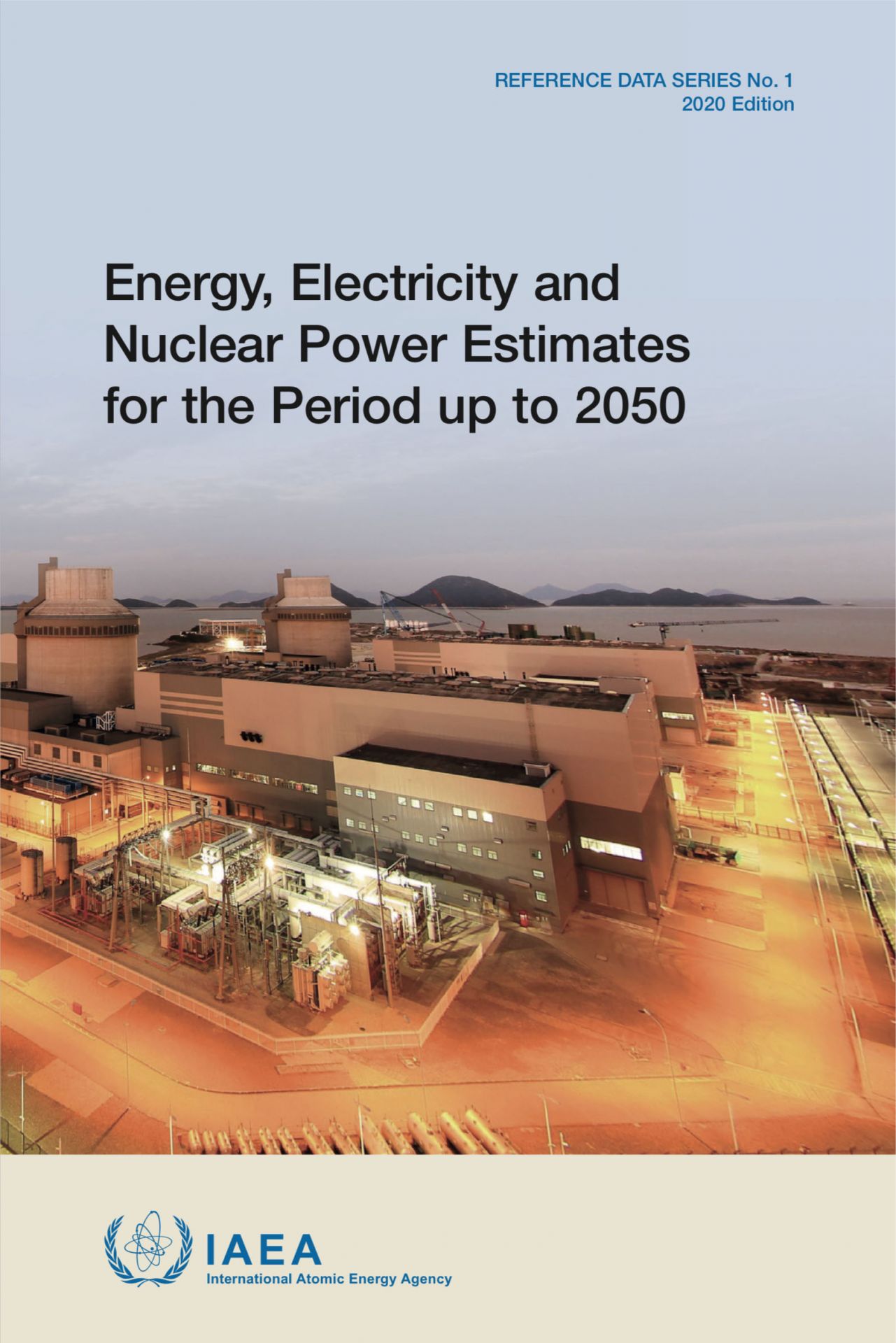 The International Atomic Energy Agency has just released its latest projections for energy, electricity, and nuclear power trends over the next 30 years. Compared with the previous year, the new projections are largely unchanged.
 The board of directors of the Energy Communities Alliance (ECA), an organization known more for its work in advancing the cleanup of Department of Energy sites, is launching a
 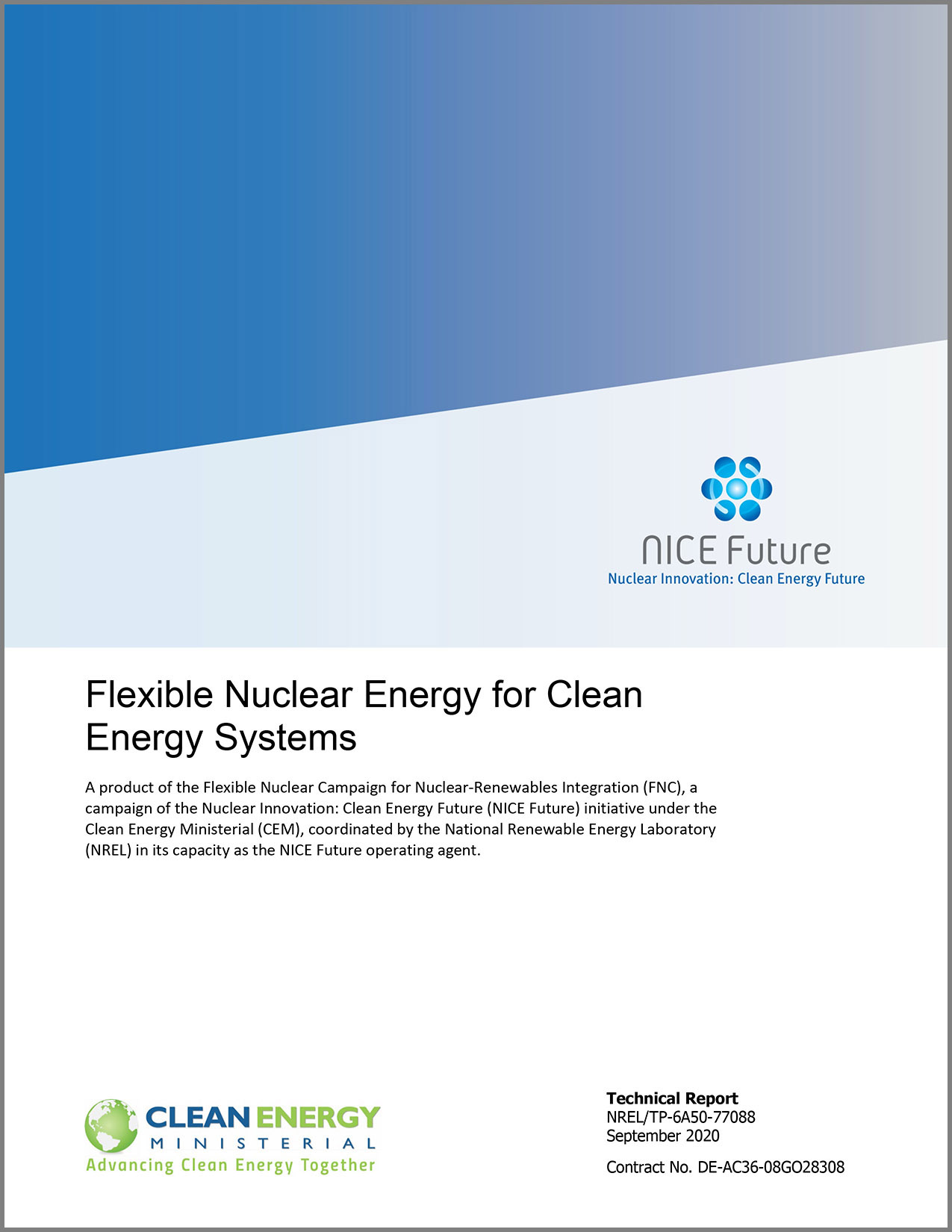 A report just released from the Clean Energy Ministerial’s (CEM) Nuclear Innovation: Clean Energy (NICE) Future initiative examines the potential roles that flexible nuclear energy generation can play in both current and future clean energy systems.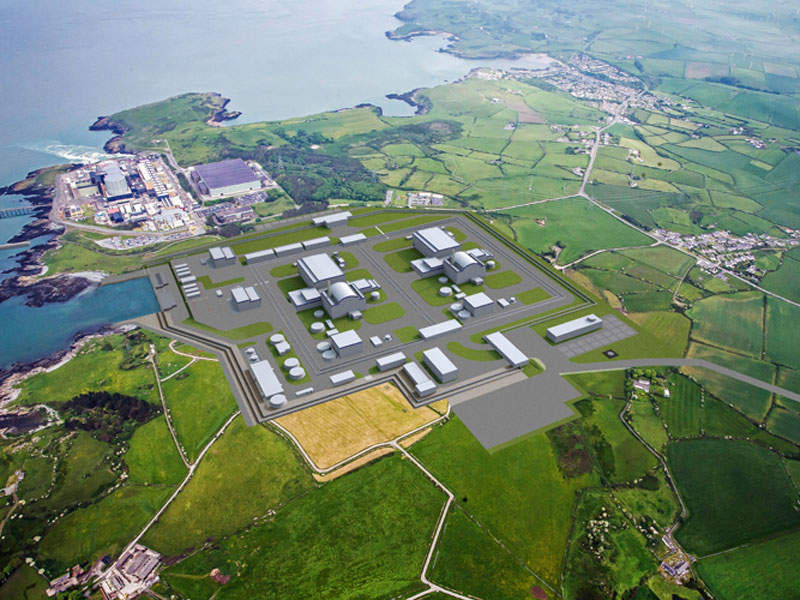
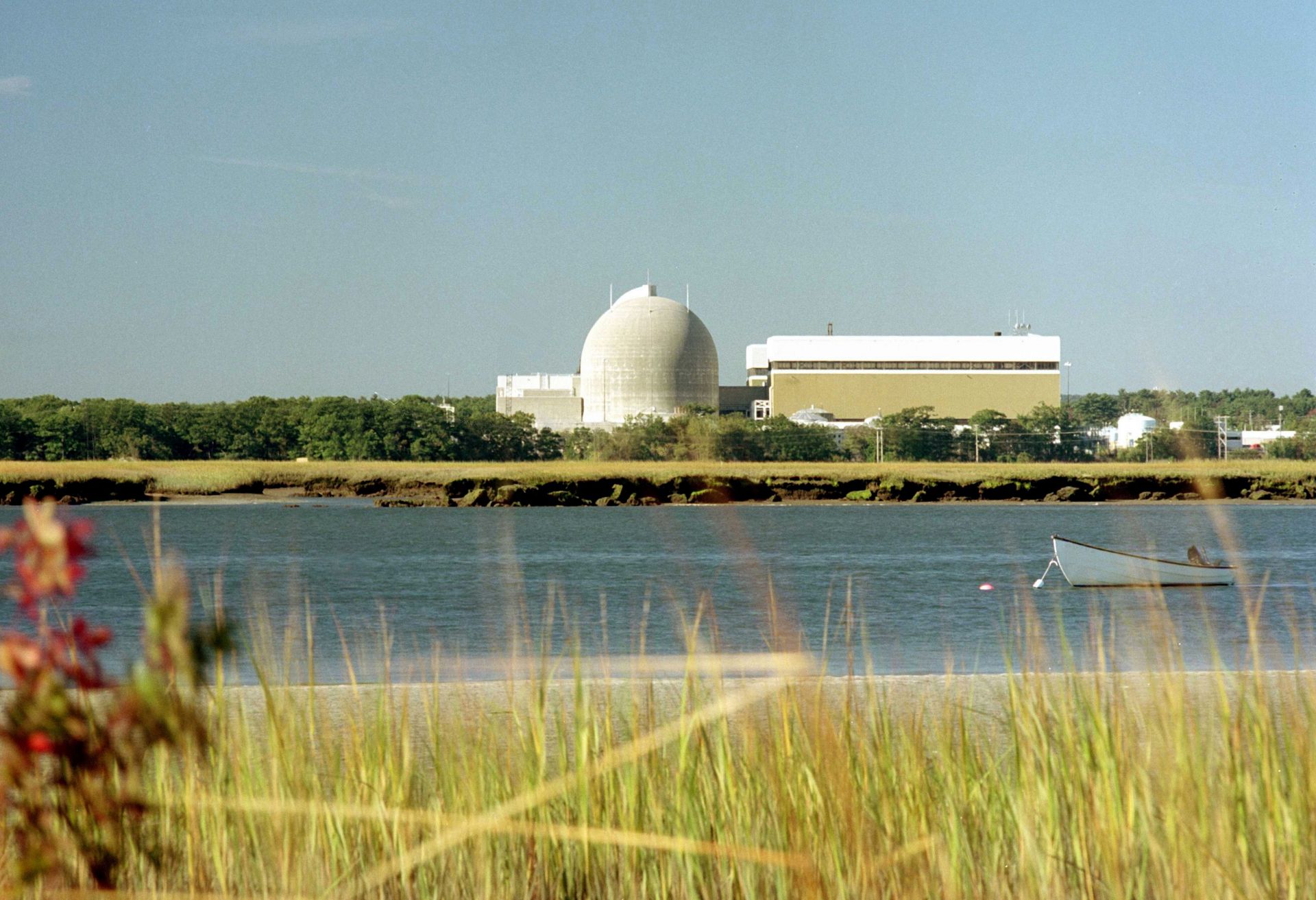
 Radiation has benefited mankind in many ways, including its use as an energy source and an indispensable tool in medicine. Since the turn of the 20th century, society has sought ways to harness its potential, while at the same time recognizing that radiological exposures need to be carefully controlled. Out of these efforts, and the work of many dedicated professionals, the principles of justification, optimization, and limitation have emerged as guiding concepts.