New plant review ordered following Japan’s earthquakes
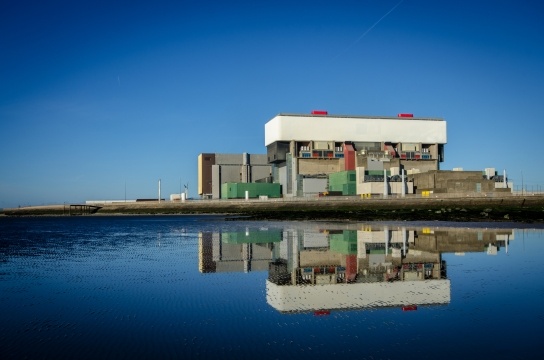
Japanese regulators have ordered further review at a nuclear power plant in central Japan following a series of deadly earthquakes that rocked the country on New Year’s Day.
Nuclear projects demand precision, trust, and proven expertise. Element supports utilities, manufacturers, and engineering teams with testing and qualification services that keep systems safe, compliant, and ready to perform—delivering data-driven insight to meet regulations and extend asset life.
Japanese regulators have ordered further review at a nuclear power plant in central Japan following a series of deadly earthquakes that rocked the country on New Year’s Day.

Another calendar year has passed. Before heading too far into 2024, let’s look back at what happened in 2023 in the nuclear community. In today's post, compiled from Nuclear News and Nuclear Newswire are what we feel are the top nuclear news stories from October through December 2023.
Stay tuned for the top stories from the rest of the past year.

Furstenau
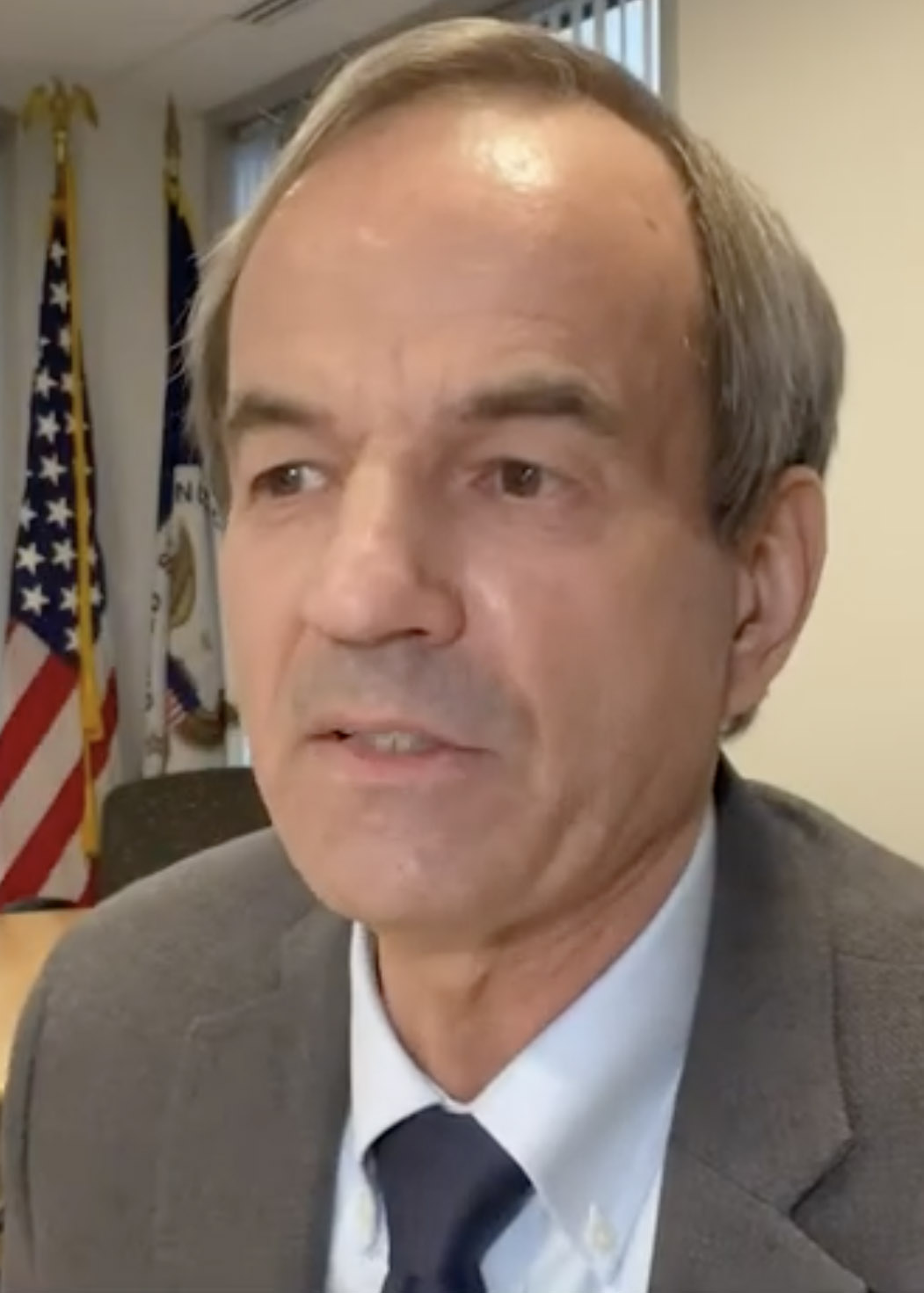
Raymond V. Furstenau, currently head of the Nuclear Regulatory Commission's Office of Research, has been named acting executive director for operations, effective January 27, upon Daniel Dorman's retirement and until a permanent replacement has been selected.
The EDO is the highest-ranking NRC career position and carries the responsibilities of overseeing the agency's operational and administrative functions and serving as the chief operating officer.
Praise: "Ray is a seasoned executive with exemplary communication and management skills. He's the right person to lead the NRC staff while the commission works together to identify a permanent executive director for operations," said NRC chair Christopher Hanson.

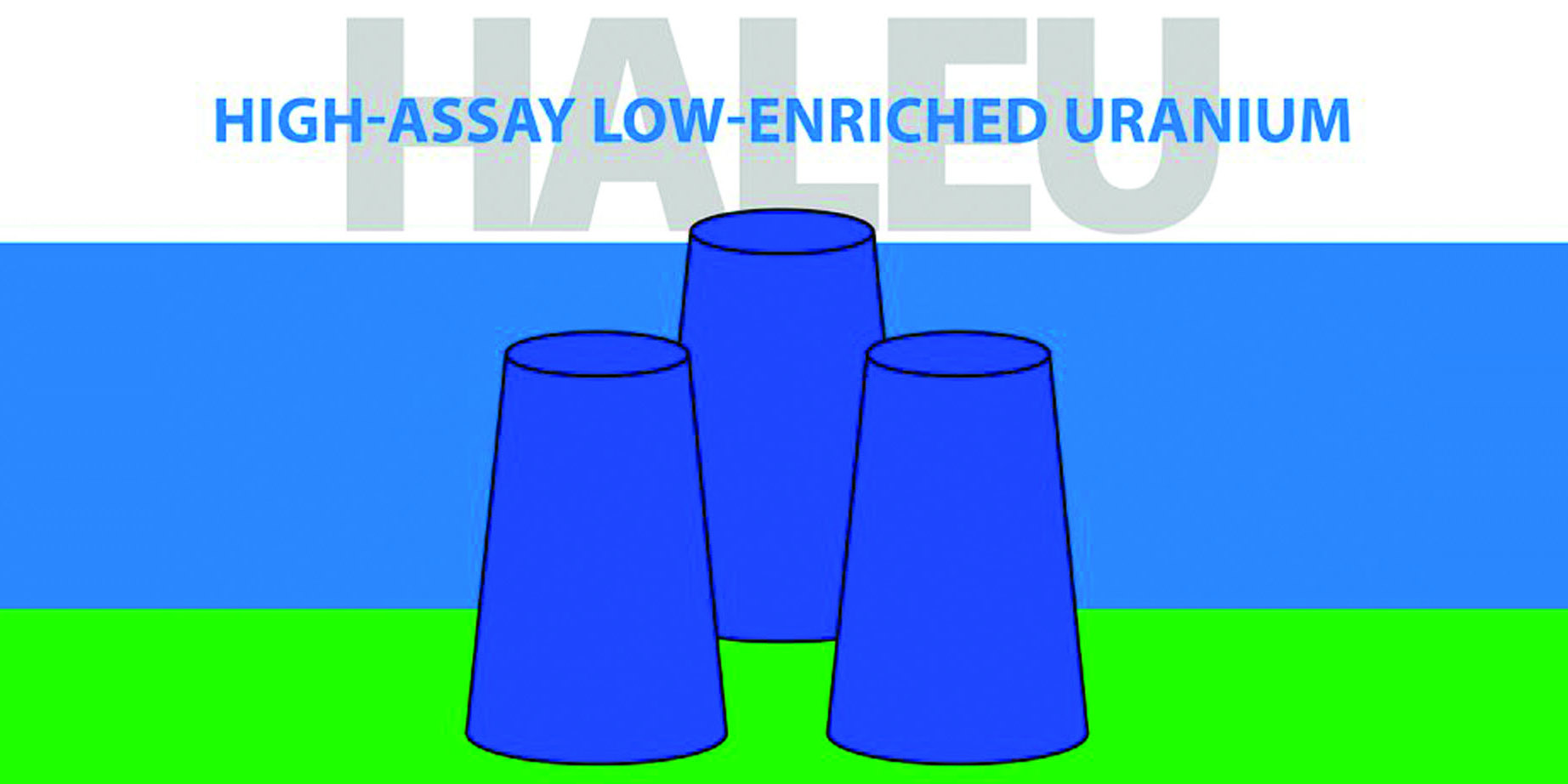
The United Kingdom’s Department for Energy Security and Net Zero announced plans on January 7 to invest £300 million (about $383 million) to build a high-assay low-enriched uranium (HALEU) enrichment facility in northwest England. The goal? To “end Russia’s reign as the only commercial producer of HALEU.” Britain is now the first European country to declare that it will begin HALEU enrichment in a bid for supply chain security.
The United Kingdom released plans yesterday for the biggest expansion of nuclear power in 70 years. Officials outlined Civil Nuclear: Roadmap to 2050 as an opportunity to improve the United Kingdom’s energy independence from foreign sources as it looks to build a new power station and invest in advanced nuclear fuel production.

Another calendar year has passed. Before heading too far into 2024, let’s look back at what happened in 2023 in the nuclear community. In today's post, compiled from Nuclear News and Nuclear Newswire are what we feel are the top nuclear news stories from July through September 2023.
Stay tuned for the top stories from the rest of the past year.

French energy supplier Électricité de France announced this week it will invest $1.7 billion to keep its U.K. fleet in production through 2026.

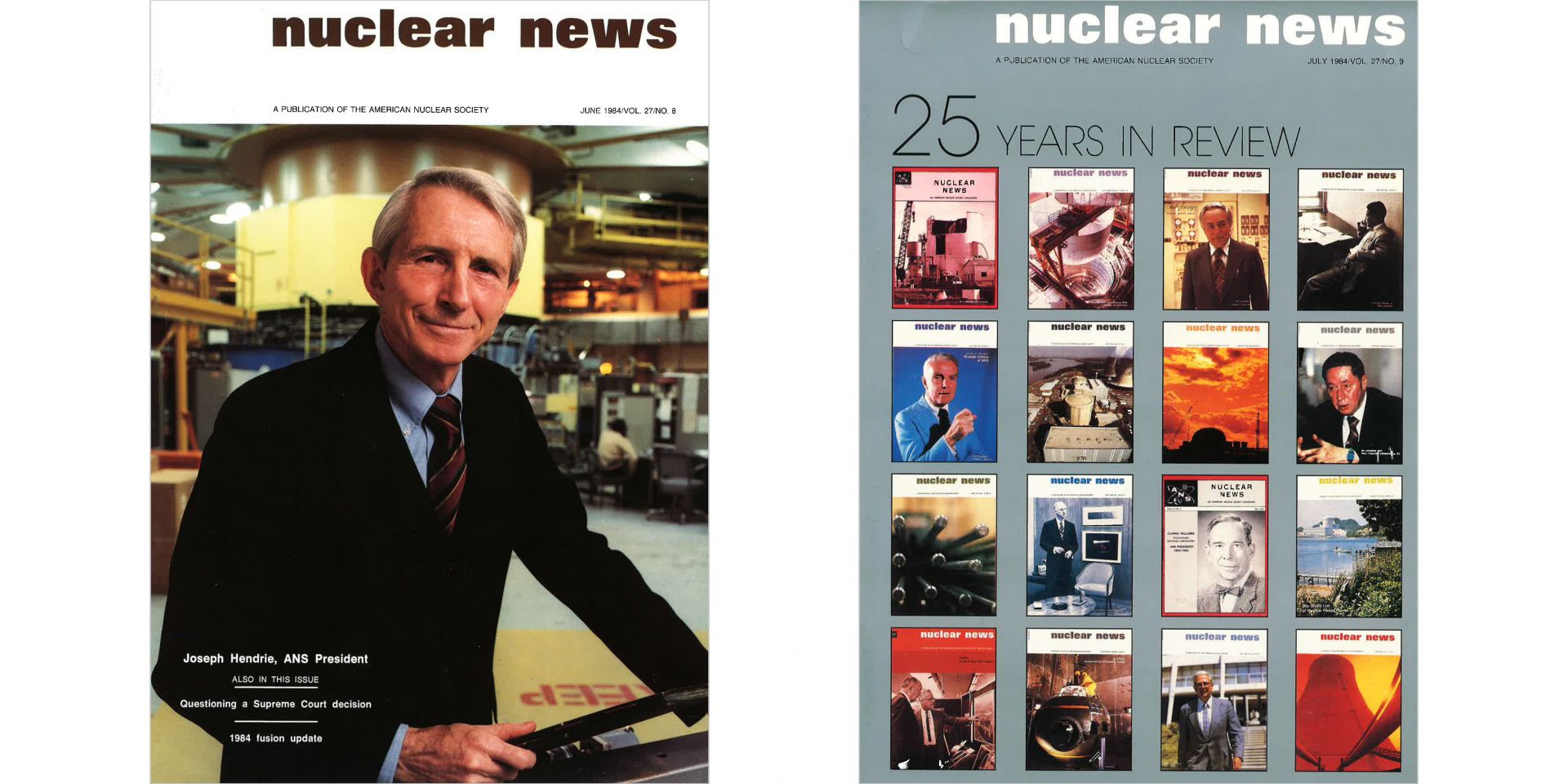
Joseph Hendrie, Brookhaven National Laboratory physicist, NRC chair, and ANS past president (1984–1985), passed away in his home in Bellport, N.Y., on December 26 at the age of 98.
Hendrie, an American Nuclear Society member since 1956, was a leader in the nuclear community for much of his 45 years in nuclear reactor safety research. He served as the deputy director for technical review of the Atomic Energy Commission’s Directorate of Licensing from 1972 to 1974 and then was appointed chair of the NRC in 1977 (serving a second stint as chair in 1981—the only person to serve two nonconsecutive terms in that role).
As Spain prepares to shutter its fleet of seven nuclear power plants, France considers adding more than 14 new ones.

Another calendar year has passed. Before heading too far into 2024, let’s look back at what happened in 2023 in the nuclear community. In today's post, compiled from Nuclear News and Nuclear Newswire are what we feel are the top nuclear news stories from April through June 2023.
Stay tuned for the top stories from the rest of the past year.

The Department of Energy issued a final request for proposals (RFP) on January 9 for uranium enrichment services to help establish a commercial domestic supply of high-assay low-enriched uranium (HALEU) to fuel a potential fleet of advanced reactors. Without HALEU, advanced reactors will not be able to proceed past the demonstration stage. And given the investments of capital and time required to license and build a nuclear power plant—even a smaller, more efficient advanced reactor—eliminating fuel uncertainty could be what a utility needs to invest in new construction.

Another calendar year has passed. Before heading too far into 2024, let’s look back at what happened in 2023 in the nuclear community. In today's post, compiled from Nuclear News and Nuclear Newswire are what we feel are the top nuclear news stories from January through March 2023.
Stay tuned for the top stories from the rest of the past year.

Radiopharmaceutical biotech company ITM Isotope Technologies Munich announced it has received regulatory approval to begin production of the medical radioisotope lutetium-177 at the company’s NOVA facility in Neufahrn, near Munich, Germany.

NuScale announced today a 28 percent reduction in full-time staff, affecting 154 workers, as part of the company’s move to focus resources on “key strategic areas”— including deployment of its small modular reactor.
New guidelines for federal hydrogen production tax credits may leave legacy nuclear plants out in the cold.
The U.S. Treasury Department and the Internal Revenue Service have released proposed language about who would qualify for the 45V Clean Hydrogen Production Tax Credit created by the Inflation Reduction Act (IRA). The public comment period on the proposal is open until February 26.
Ukraine’s Zaporizhzhia nuclear power plant has taken action to ensure an immediate supply of backup electricity at the site in case the main external power line is lost.
Amid Ukraine's ongoing military conflict with Russia, Zaporizhzhia has experienced frequent power cuts. Since August 2022, the plant has suffered eight events with a complete loss of off-site power, according to a statement from International Atomic Energy Agency director general Rafael Mariano Grossi.
Here is a recap of industry happenings from the recent past:
DOE, DOD support X-energy’s microreactor work
The Department of Energy’s Office of Nuclear Energy has signed a one-year cooperative agreement with X-energy designed to advance the development of a design for a transportable mobile microreactor. Under the agreement, the DOE will support X-energy’s work on the architecture and technology for the 3- to-5-MWe microreactor’s preliminary design. X-energy is also the recipient of a Department of Defense contract to develop an enhanced engineering design for a transportable microreactor that will be suitable for both defense and commercial applications.
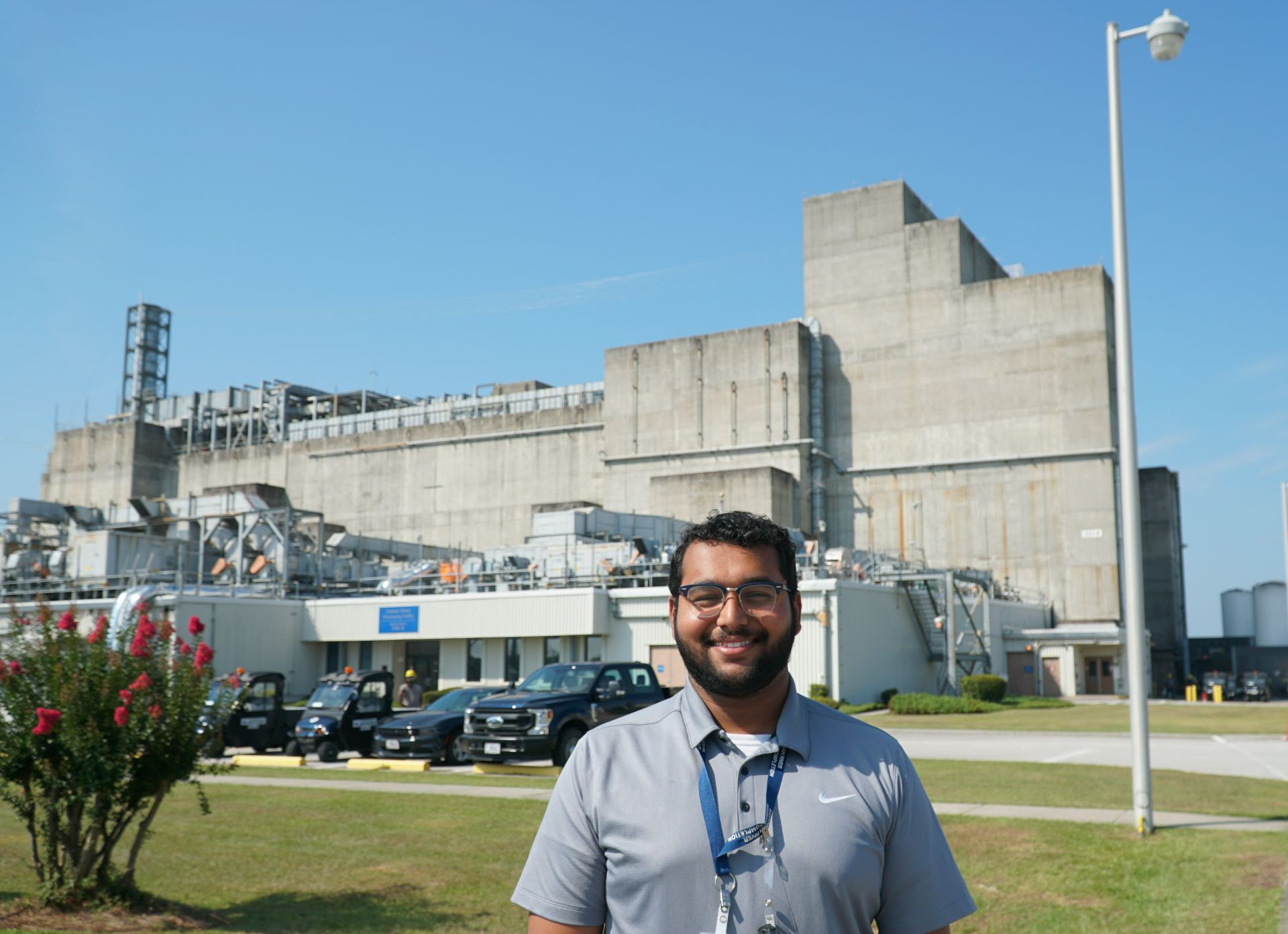
The Department of Energy Office of Environmental Management’s liquid waste contractor at the Savannah River Site is giving nine college students the opportunity to jump-start their careers this year through a hybrid work program that allows them to finish their engineering or computer science studies while also interning at SRS.

Grossi
Recent observations have indicated that warm water has been discharged near the light water reactor at the Yongbyon Nuclear Scientific Research Center in North Korea, which is consistent with the purported commissioning of the LWR—a process that takes time for any new reactor—and suggests that the reactor has now reached criticality.
“The LWR, like any nuclear reactor, can produce plutonium in its irradiated fuel, which can be separated during reprocessing, so this is cause for concern,” said Rafael Mariano Grossi, director general of the International Atomic Energy Agency. “It remains the case that without access to the facility, the agency cannot confirm its operational status.”
Safety concern: Grossi went on to say that the agency does not have sufficient information to make an assessment about the Democratic People’s Republic of Korea site, but that nuclear safety remains the paramount issue when starting a new reactor. Agency inspectors have had no access to North Korea since they were expelled in 2009.