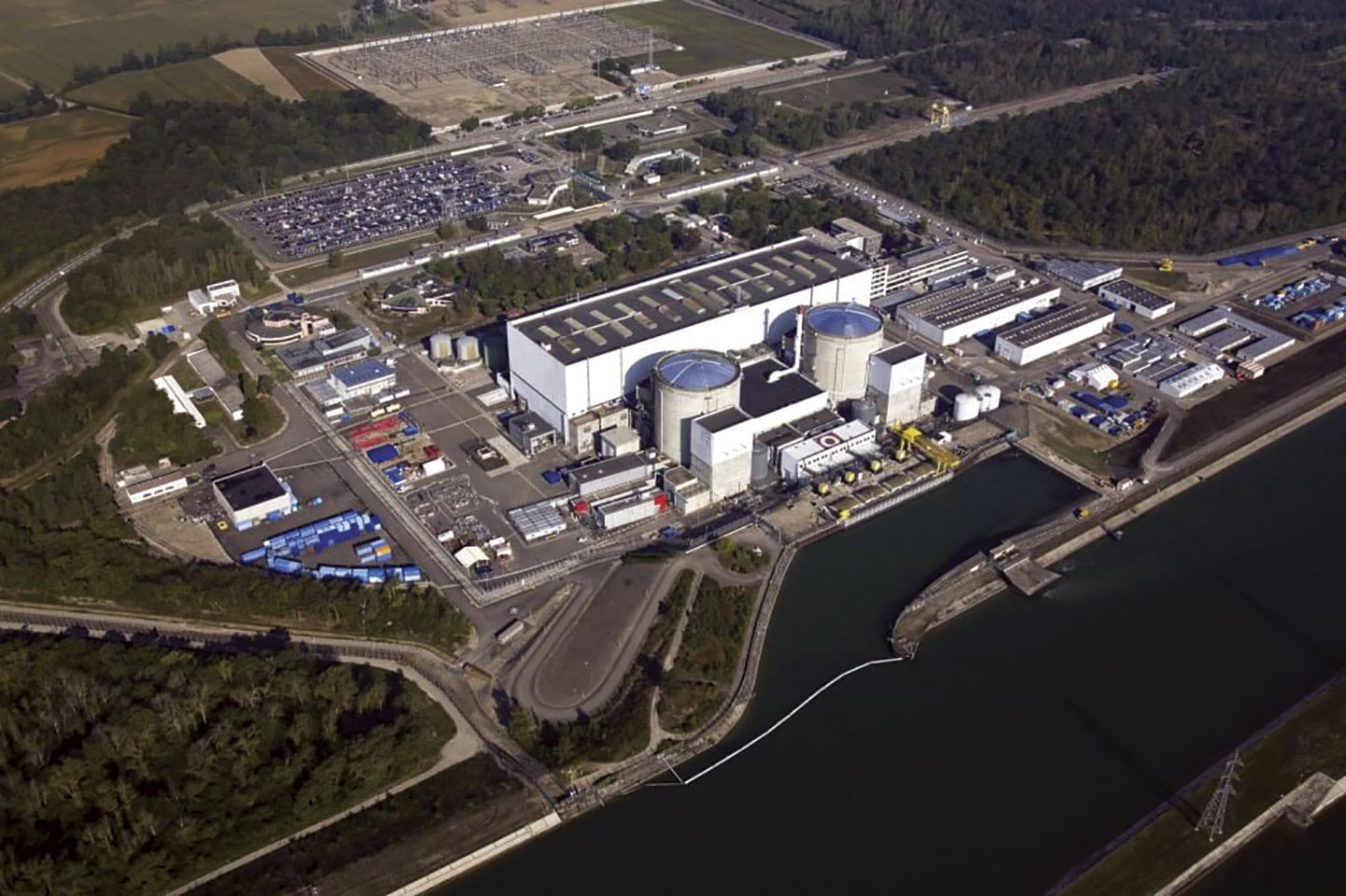
Russia builds lab for developing quantum artificial intelligence
July 13, 2020, 7:23AMNuclear News
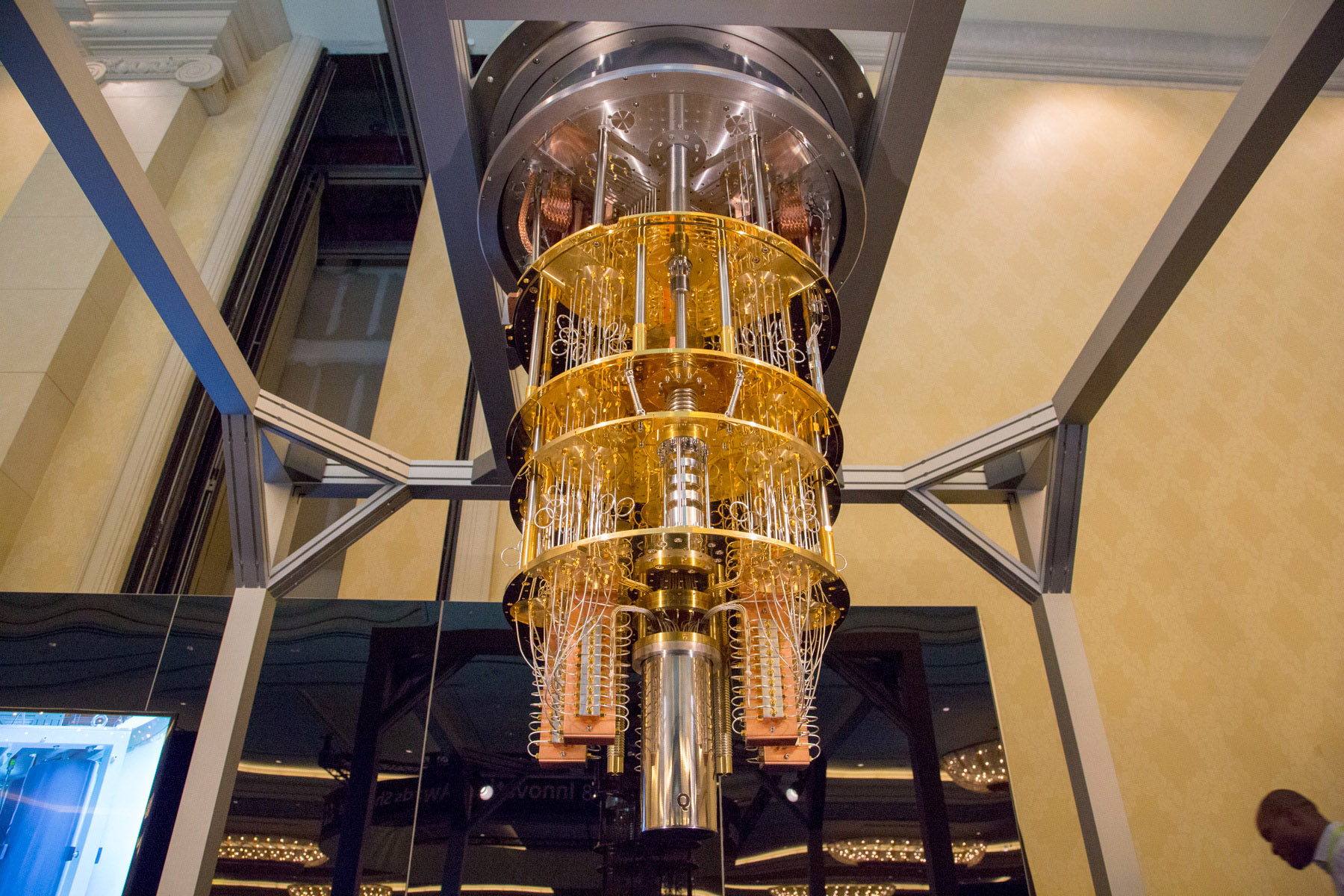
A quantum computer, such as this 50-bit version that IBM demonstrated at the International Consumer Electronics Show in 2018, is capable of solving tasks inaccessible to the most powerful “classic ” supercomputer. (Photo: IBM)
Rosatom, Russia’s state atomic energy corporation, and the Russian Quantum Center (RQC) on July 7 announced the creation of the first laboratory in Russia to research and develop machine learning and artificial intelligence (AI) methods on quantum computers, specializing in the application of these technologies in the nuclear industry. An agreement was signed between the RQC and Tsifrum, a Rosatom subsidiary that was created in 2019 to support the implementation of Rosatom’s digitalization strategy.
To continue reading, log in or create a free account!
Tags:
Share:
 A new report from the American Institute of Physics declares the physical sciences to be at a “tipping point” between a “perilous” future and a “vibrant” one as a result of the coronavirus pandemic. The 28-page report,
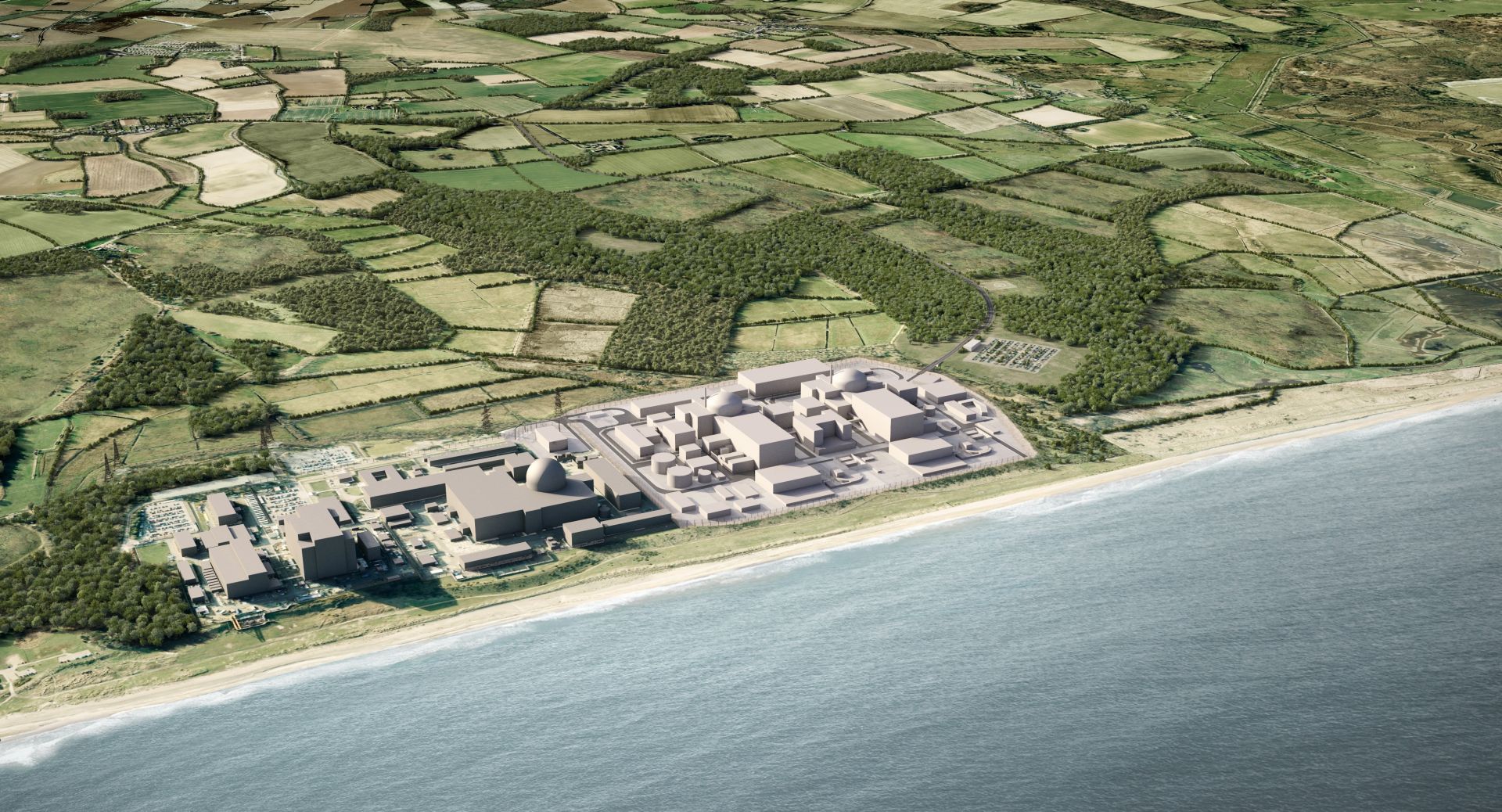
 A new report from the Paris-based OECD Nuclear Energy Agency declares that nuclear power is needed for countries to meet their Paris Agreement decarbonization and energy security policy goals, but that governmental support for a rapid reduction in the cost of new nuclear capacity through the creation of certain policy frameworks is likely necessary.
 House Democrats on June 30 rolled out a vision of what U.S. climate change policy might look like in the event the Democratic party holds its current House majority, retakes the Senate, and wins the White House in November. The vision was presented in the form of a sweeping 547-page majority staff report entitled