-3 2x1.jpg)
Nuclear waste policy status and prospects in 2021
March 11, 2021, 9:29AMNuclear News
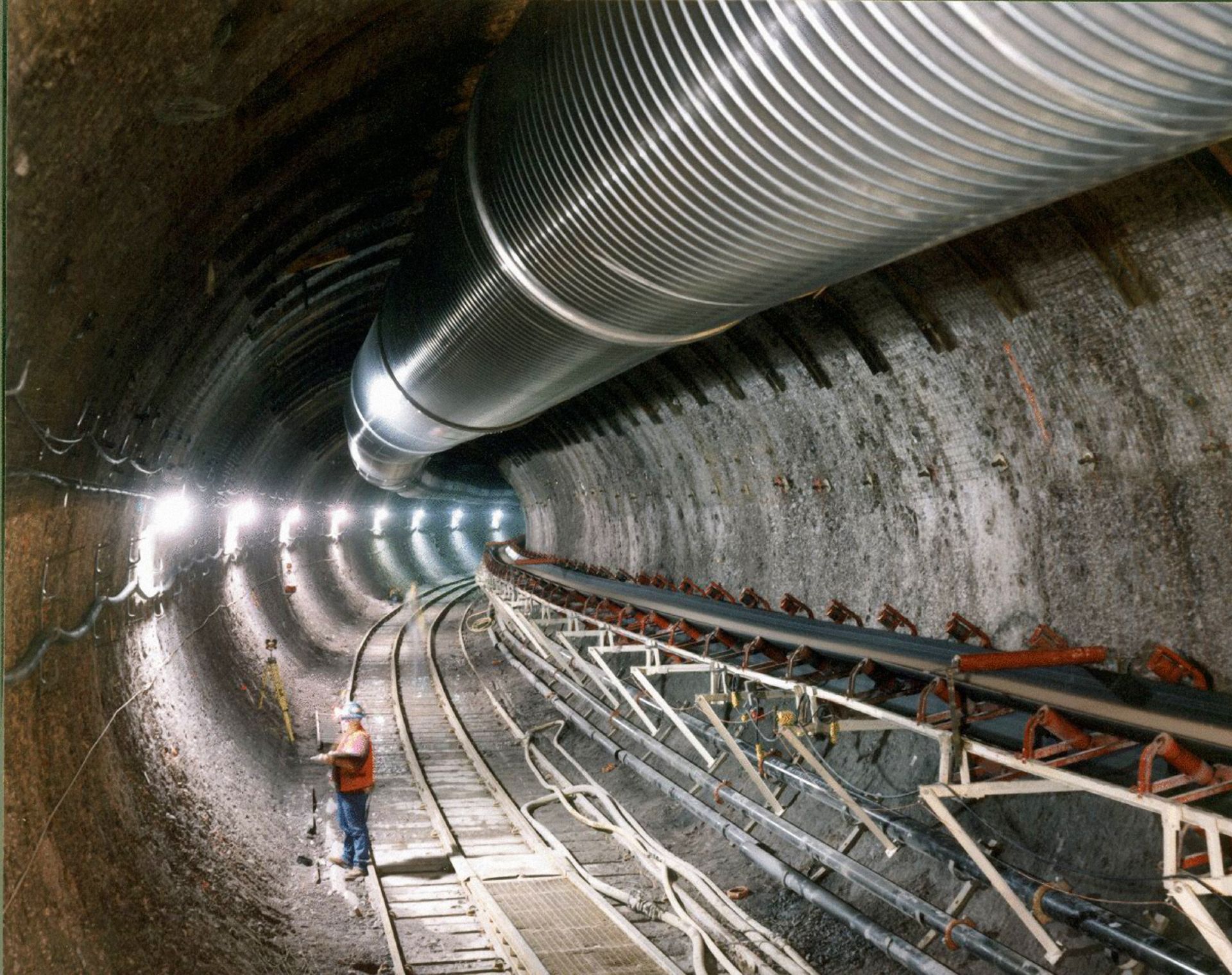
Sooner or later, any discussion of the future of the role of nuclear power leads to the question, “What are you going to do with the waste?” Nuclear technology professionals recognize that there are good solutions available for the management and disposal of nuclear waste, but implementing them requires overcoming societal and political barriers that have proven daunting in this country. Currently, the United States has a nuclear waste policy, but the federal government lacks the will to implement it or change it. The past decade has been extremely frustrating to those dedicated to addressing waste issues here and now, rather than kicking them down the road. Prospects for the next decade are uncertain, at best.
To continue reading, log in or create a free account!

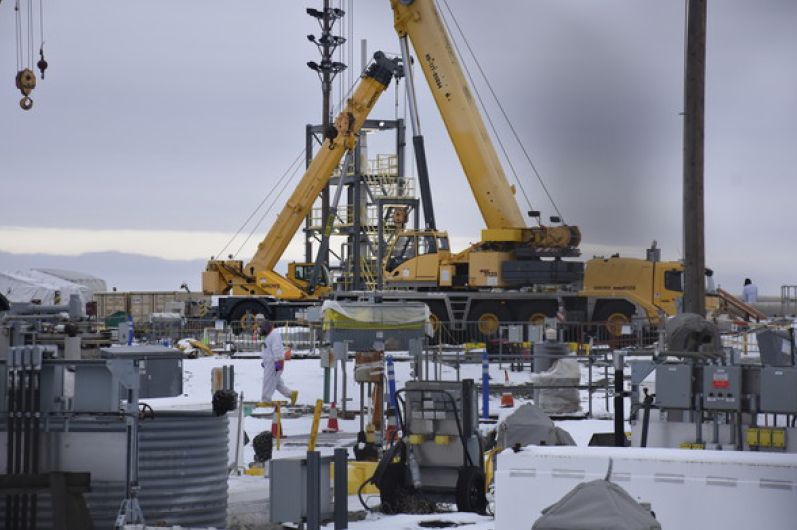
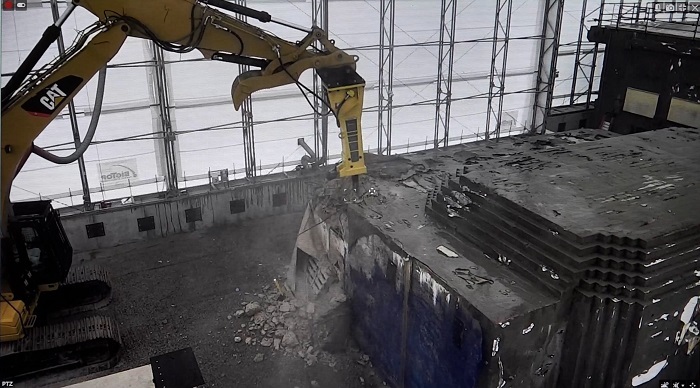
 The Environmental Protection Agency has awarded three contracts for cleanup efforts at more than 50 abandoned uranium mine sites in and around the Navajo Nation in the southwestern United States. The Navaho Area Abandoned Mine Remedial Construction and Services Contracts, worth up to $220 million over the next five years, were awarded to the Red Rock Remediation Joint Venture, Environmental Quality Management, and Arrowhead Contracting, the agency announced on February 11.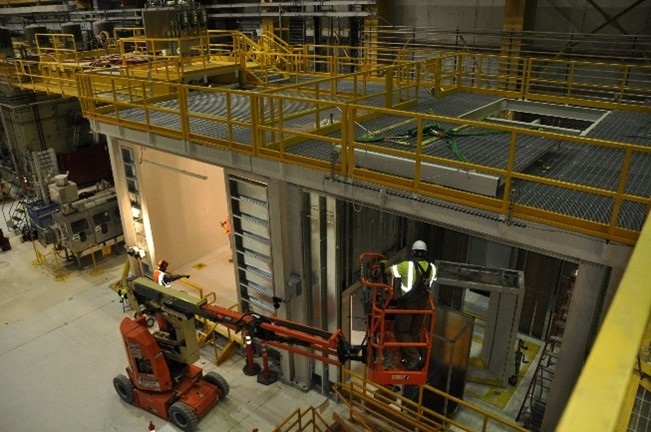
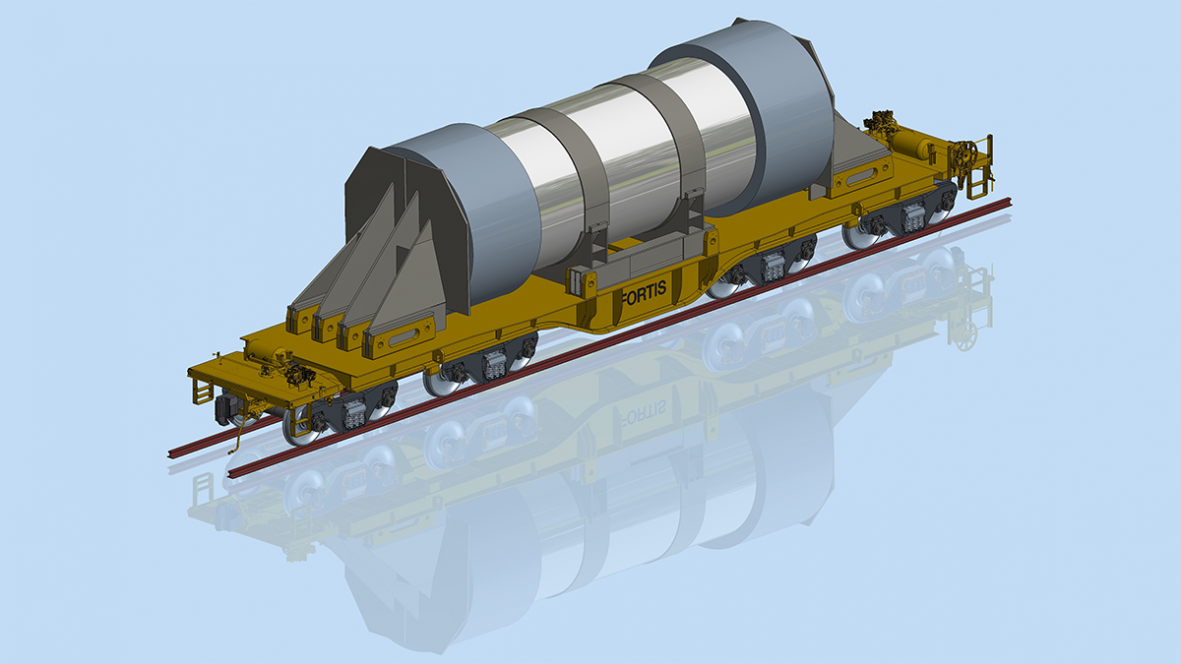
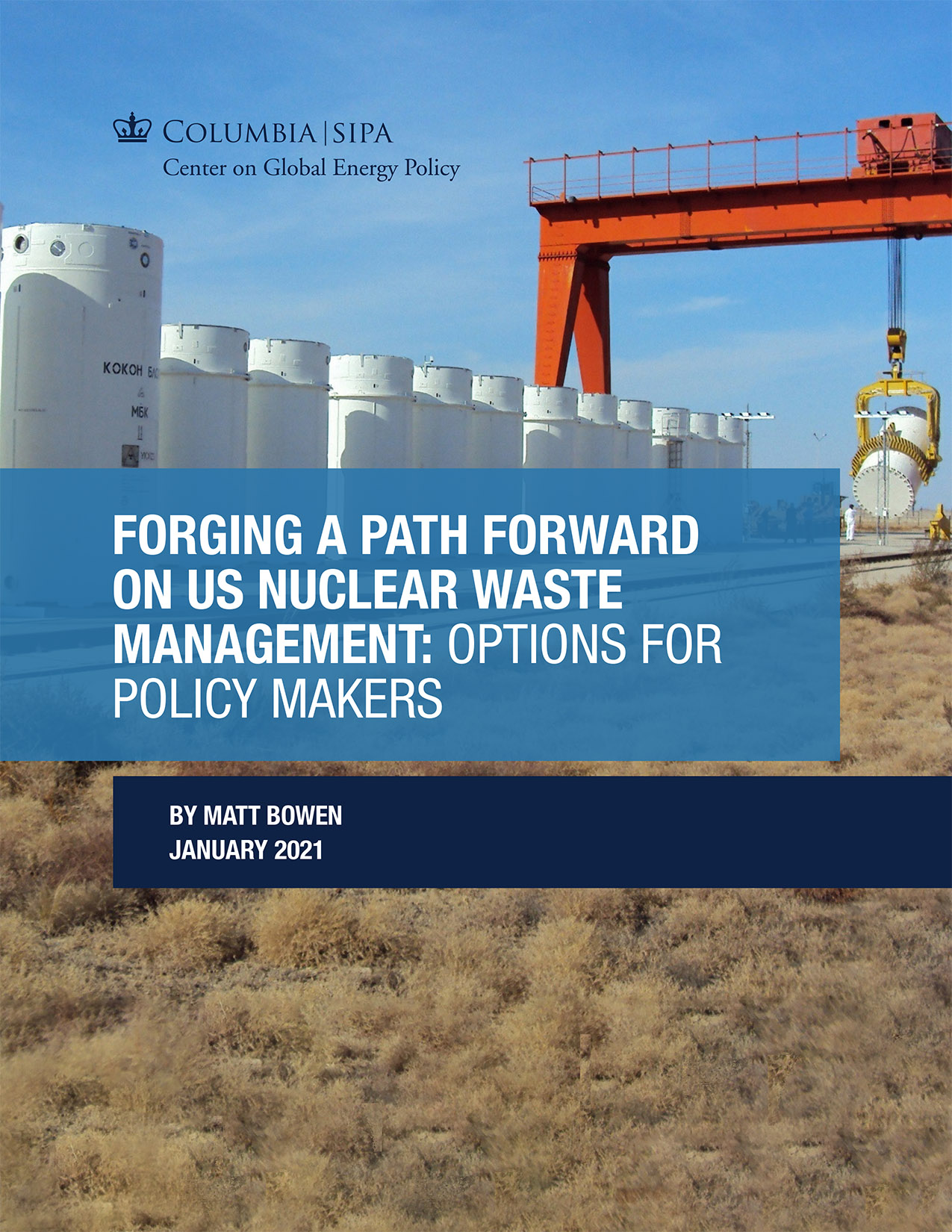 A new report out of Columbia University’s Center on Global Energy Policy (CGEP) offers a number of recommendations for improving the management of spent nuclear fuel and high-level radioactive waste in the United States.