
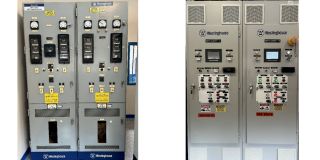
RaFTS: The Radiation Field Training Simulator
Training for the realities of radiological incidents and emergencies
July 9, 2021, 2:43PMNuclear News
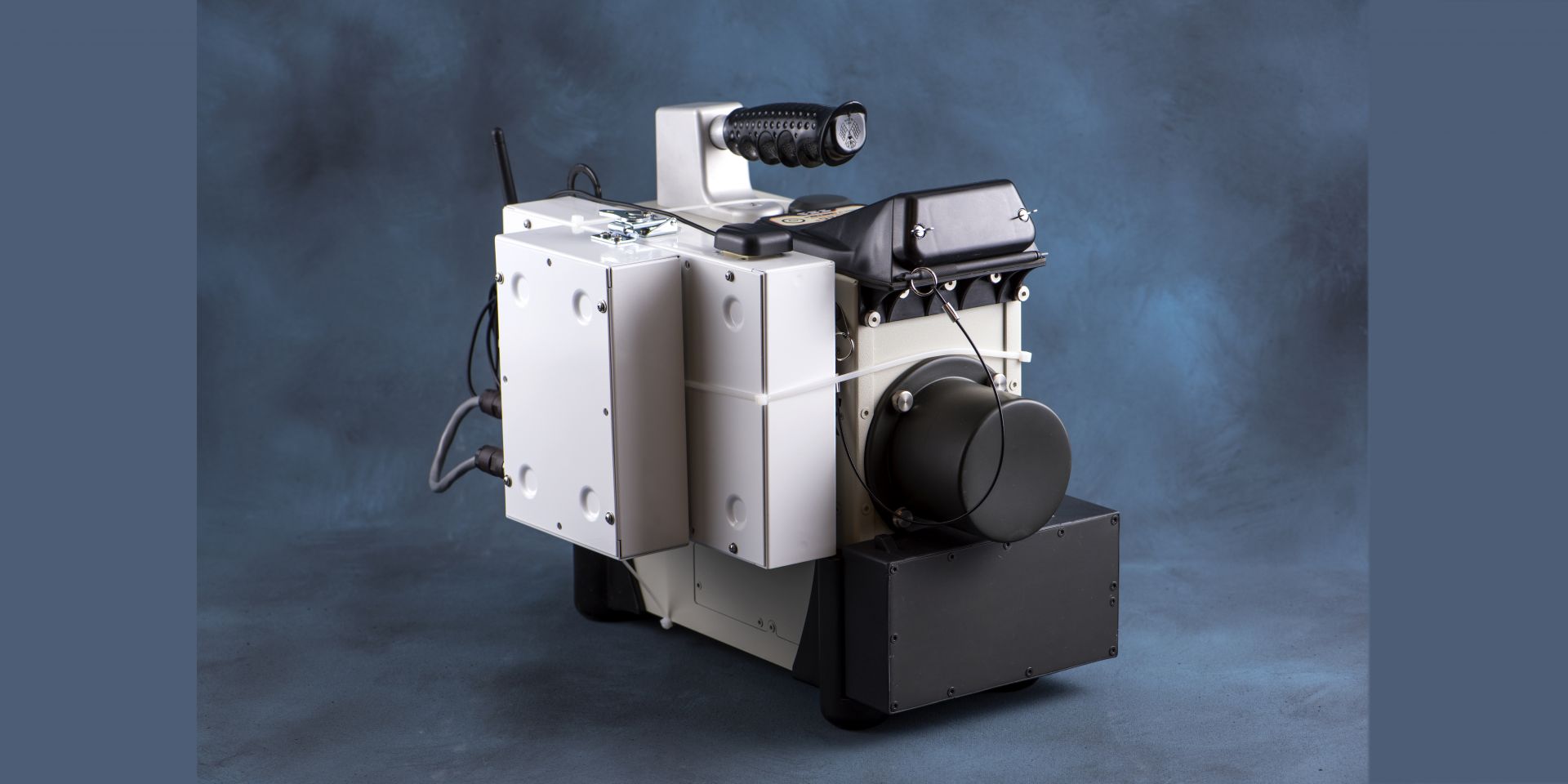
One of the biggest challenges in training for incidents and emergencies that involve high-radiation-dose hazards is balancing between realism and safety. To be truly prepared for the realities of real-world nuclear and radiological emergencies, responder personnel need experience against those hazards but without introducing additional and very personal risks associated with unnecessary radiation exposure. The difficulty is in figuring out how we can achieve a level of realism that encompasses the entire process, from the initial detection of a hazard or threat, through its characterization, to recommending actions and leadership decision-making.
To continue reading, log in or create a free account!
.jpg)



.jpg)
 A film titled
  Wisconsin-based SHINE Medical Technologies announced on November 4 that its Therapeutics division has made its first commercial sales of lutetium-177 to multiple customers. Lu-177 is a therapeutic isotope in demand by clinical trial sponsors because of its potential to treat a range of cancers.
 Radiation has benefited mankind in many ways, including its use as an energy source and an indispensable tool in medicine. Since the turn of the 20th century, society has sought ways to harness its potential, while at the same time recognizing that radiological exposures need to be carefully controlled. Out of these efforts, and the work of many dedicated professionals, the principles of justification, optimization, and limitation have emerged as guiding concepts.
 The latest season of