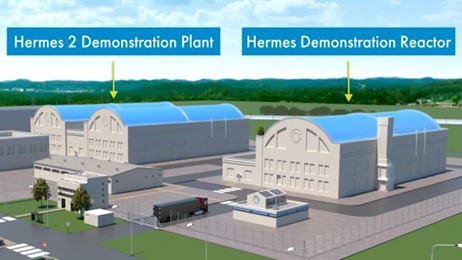
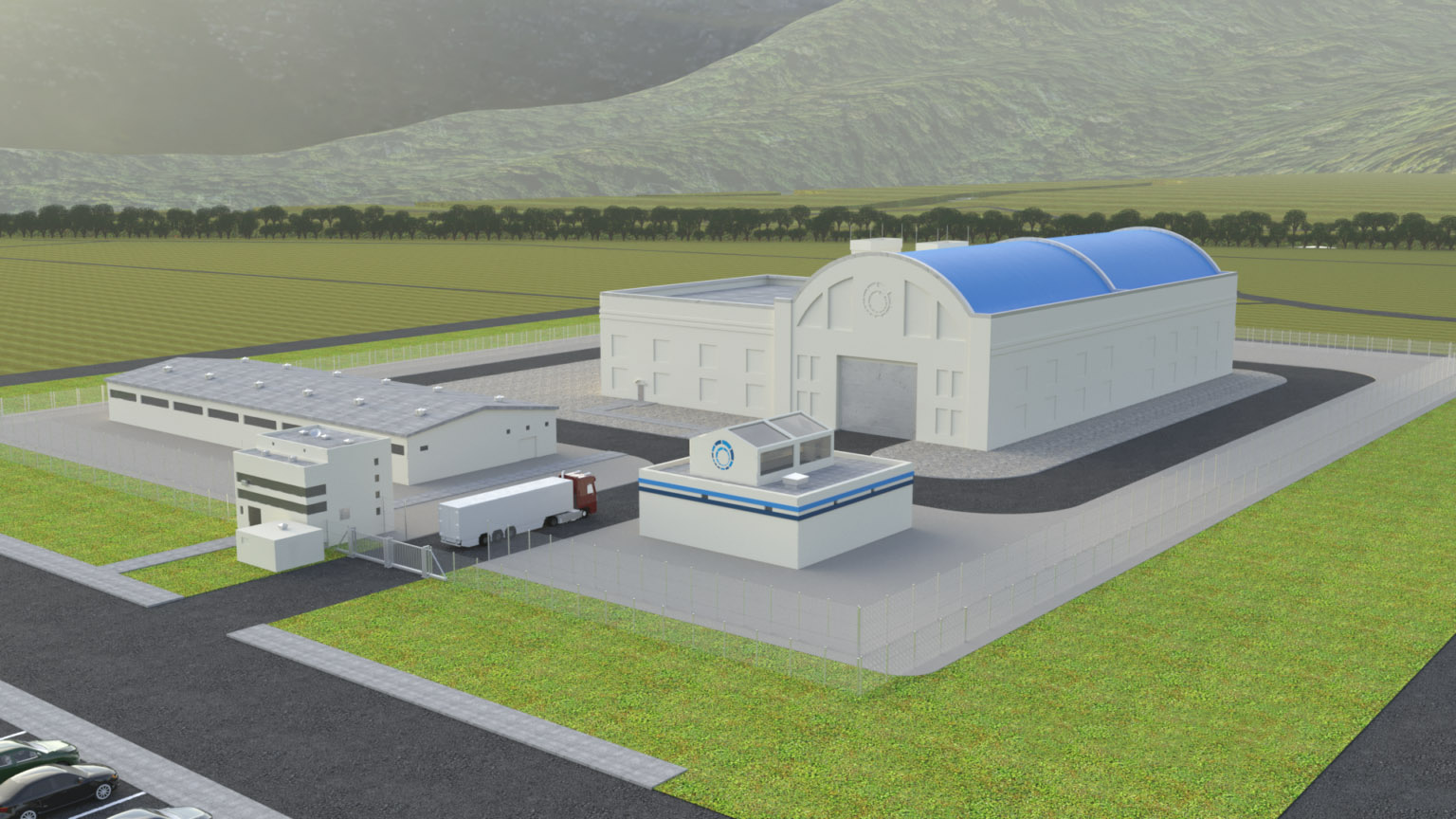
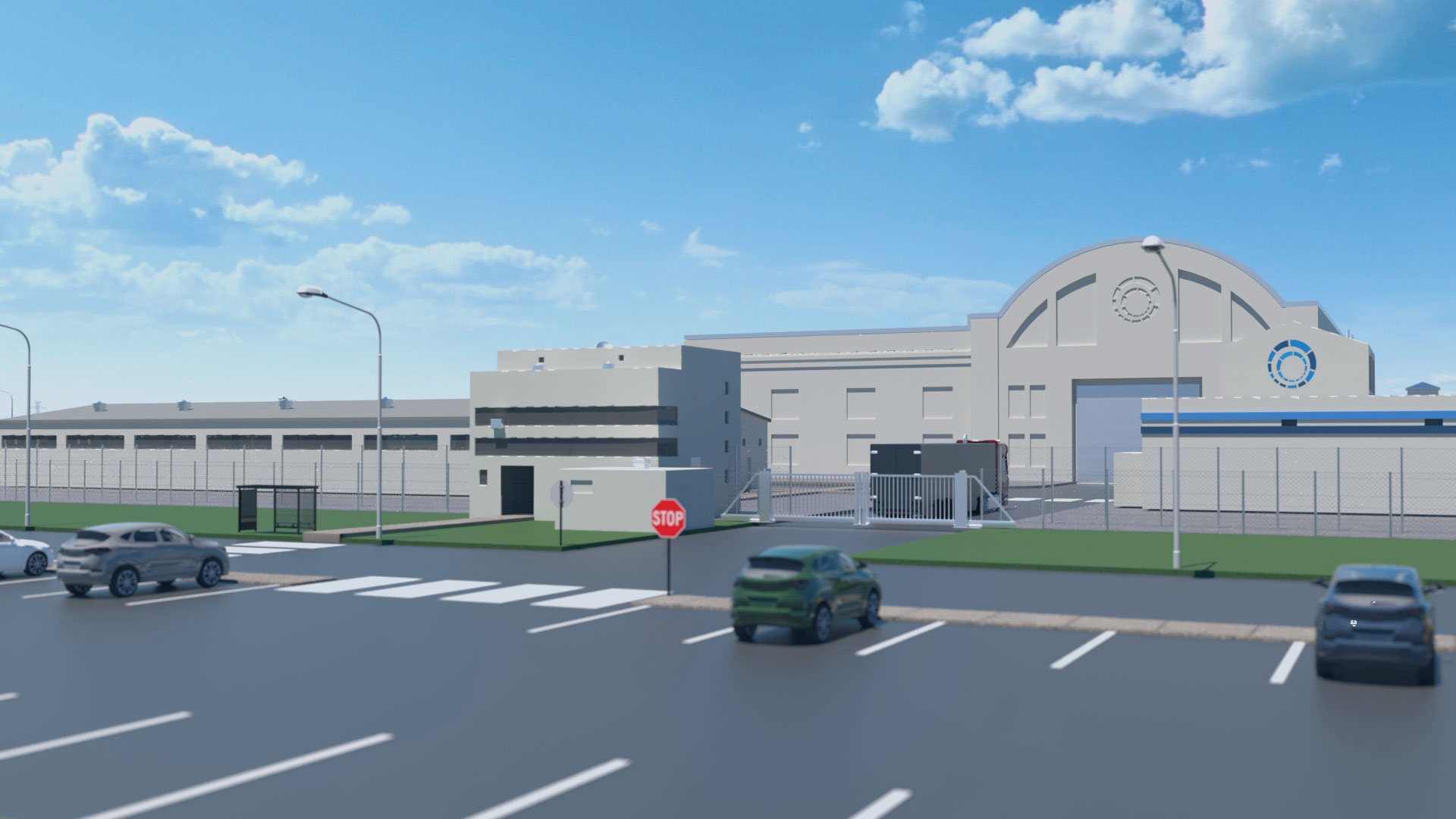
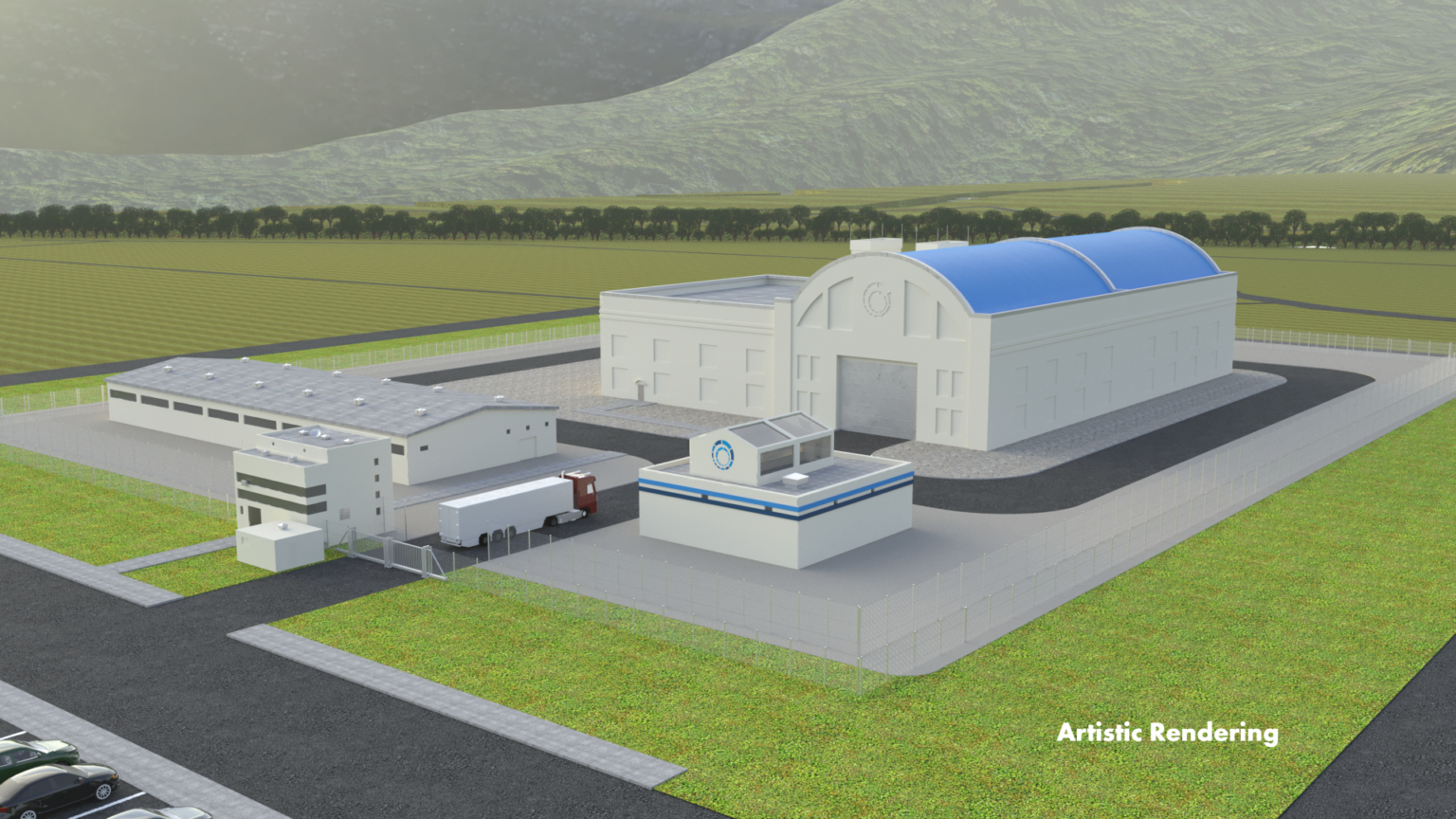
A rendering of the Hermes low-power demonstration reactor. (Image: Kairos Power)
Having completed its review of the construction permit application for Kairos Power’s Hermes test reactor early last month, the Nuclear Regulatory Commission’s Advisory Committee on Reactor Safeguards (ACRS) recently submitted its conclusions to the agency, recommending approval.
An artist’s rendering of Hermes. (Image: Kairos Power)
The Nuclear Regulatory Commission issued a draft environmental impact statement (EIS) recently on Kairos Power’s application for a permit to construct Hermes, a 35-MW nonpower version of the company’s fluoride salt–cooled reactor design (KP-FHR), at the East Tennessee Technology Park in Oak Ridge, Tenn.
How Kairos Power is applying rapid iterative development to the licensing process as part of its strategy to deliver on cost
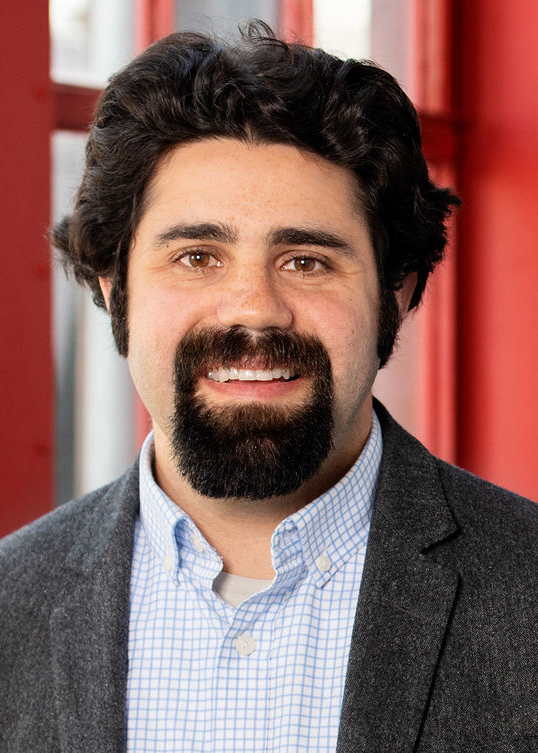
Laufer
Developing a first-of-a-kind reactor is a daunting endeavor. To be successful, advanced reactor designers need to achieve cost certainty by delivering a safe and affordable product at the promised cost. To meet this goal, Kairos Power structured its approach around four key strategies: 1) achieving technology certainty through a rapid iterative approach; 2) achieving construction certainty by demonstrating the ability to build it; 3) achieving licensing certainty by proving Kairos can license it; and 4) achieving supply chain certainty by vertically integrating critical capabilities. By mitigating risk in these four key areas, Kairos Power is confident that it will get true cost certainty for our future products.
The third prong in Kairos’s strategy—achieving licensing certainty—was a key driver in the decision to build the Hermes low-power demonstration reactor, and it remains a major workstream as the company’s construction permit application (CPA) undergoes review by the U.S. Nuclear Regulatory Commission. Licensing a new nuclear technology is no small challenge, and there are multiple approaches companies can take. Here’s a look at how we at Kairos are approaching it.
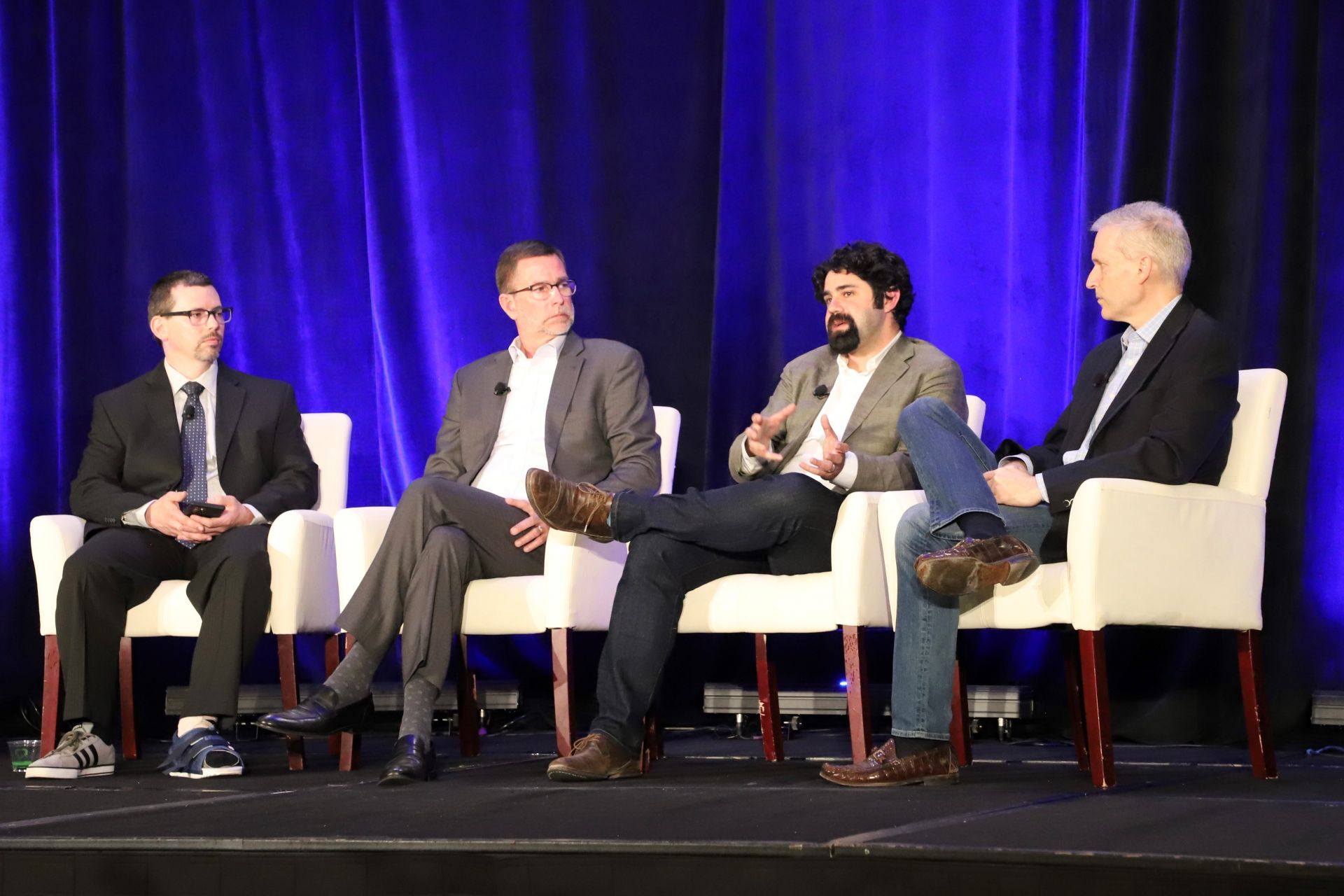
Panelists (from left) Adam Stein, Jon Ball, Mike Laufer, and Michl Binderbauer during the Breaking Through: Assessing the Current State and Prospects of Nuclear Innovation in the Race to Decarbonize session at the ANS Annual Meeting.
If nuclear innovators are in a race to decarbonize, it is a race with one finish line—affordable, clean, and reliable power—and many ways to get there. Over 40 fission developers and 20 fusion developers are in the running, and while attendees of the June 13 ANS Annual Meeting executive session on Breaking Through: Assessing the Current State and Prospects of Nuclear Innovation in the Race to Decarbonize heard from representatives of just three of those companies, they presented very different designs and deployment approaches, aptly reflecting the broader diversity of nuclear power innovation.
Session chair Adam Stein, director of nuclear energy innovation at the Breakthrough Institute, welcomed representatives from an advanced non–light water reactor developer (Mike Laufer, Kairos Power), a small modular light water reactor developer (Jon Ball, GE Hitachi Nuclear Energy), and a fusion power developer (Michl Binderbauer, TAE Technologies). Together they explored the challenge of engineering a significant commercial scale-up of advanced nuclear technology by the end of the decade, tackling questions of cost, schedule, supply chain, regulation, and more.
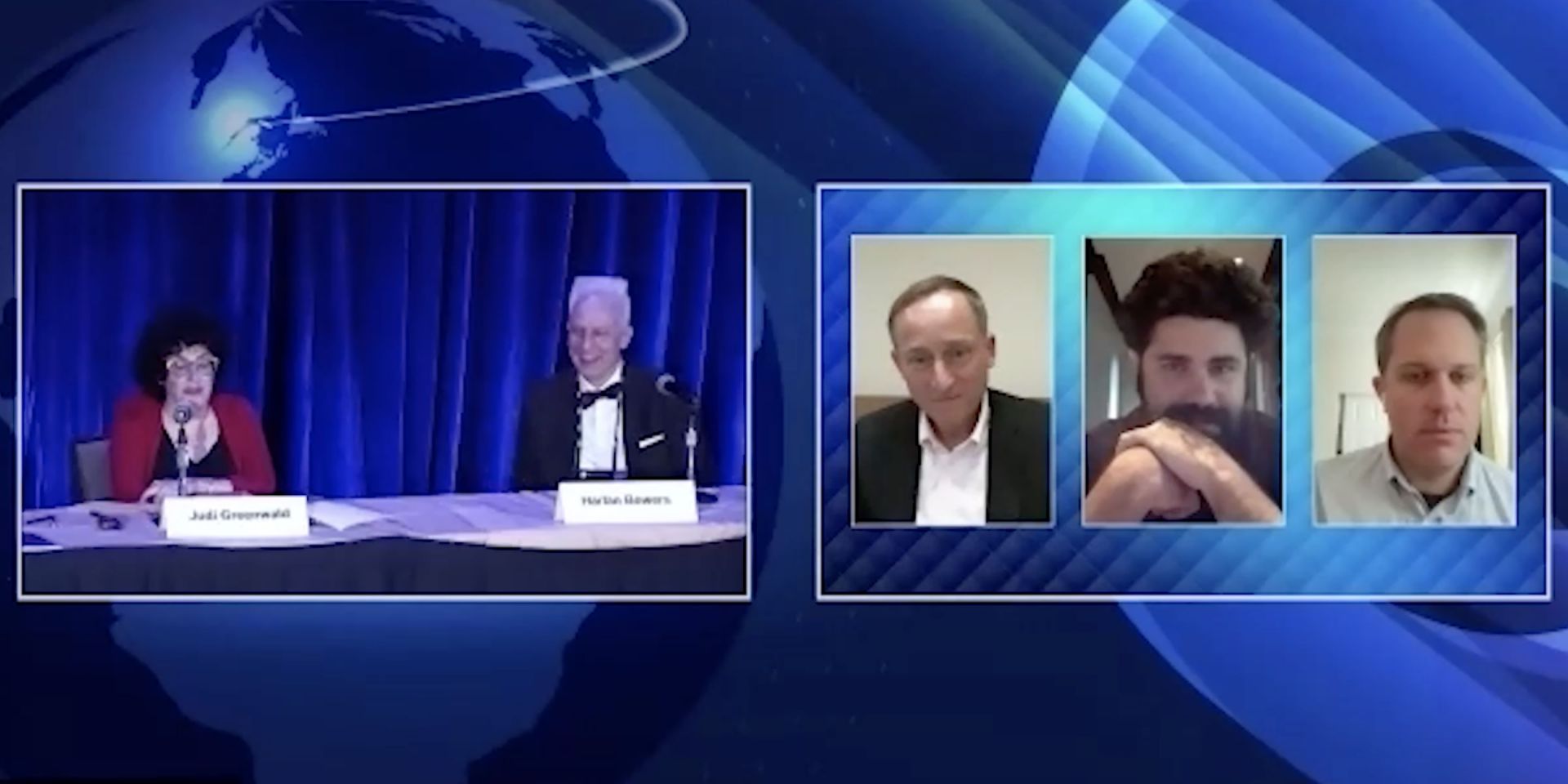
Still image from the session. From left to right are Judi Greenwald, Harlan Bowers, Simon Irish, Mike Laufer, and Jake DeWitte.
The 2021 ANS Winter Meeting included an executive session on advanced reactor licensing, featuring the leaders of four of the top advanced reactor companies: Mike Laufer, chief executive officer of Kairos Power; Jake DeWitte, CEO of Oklo; Simon Irish, CEO of Terrestrial Energy; and Harlan Bowers, president of X-energy.
Building instrumentation and control technologies into the design of the next generation of advanced nuclear reactors will help the industry meet zero-carbon-emissions goals.
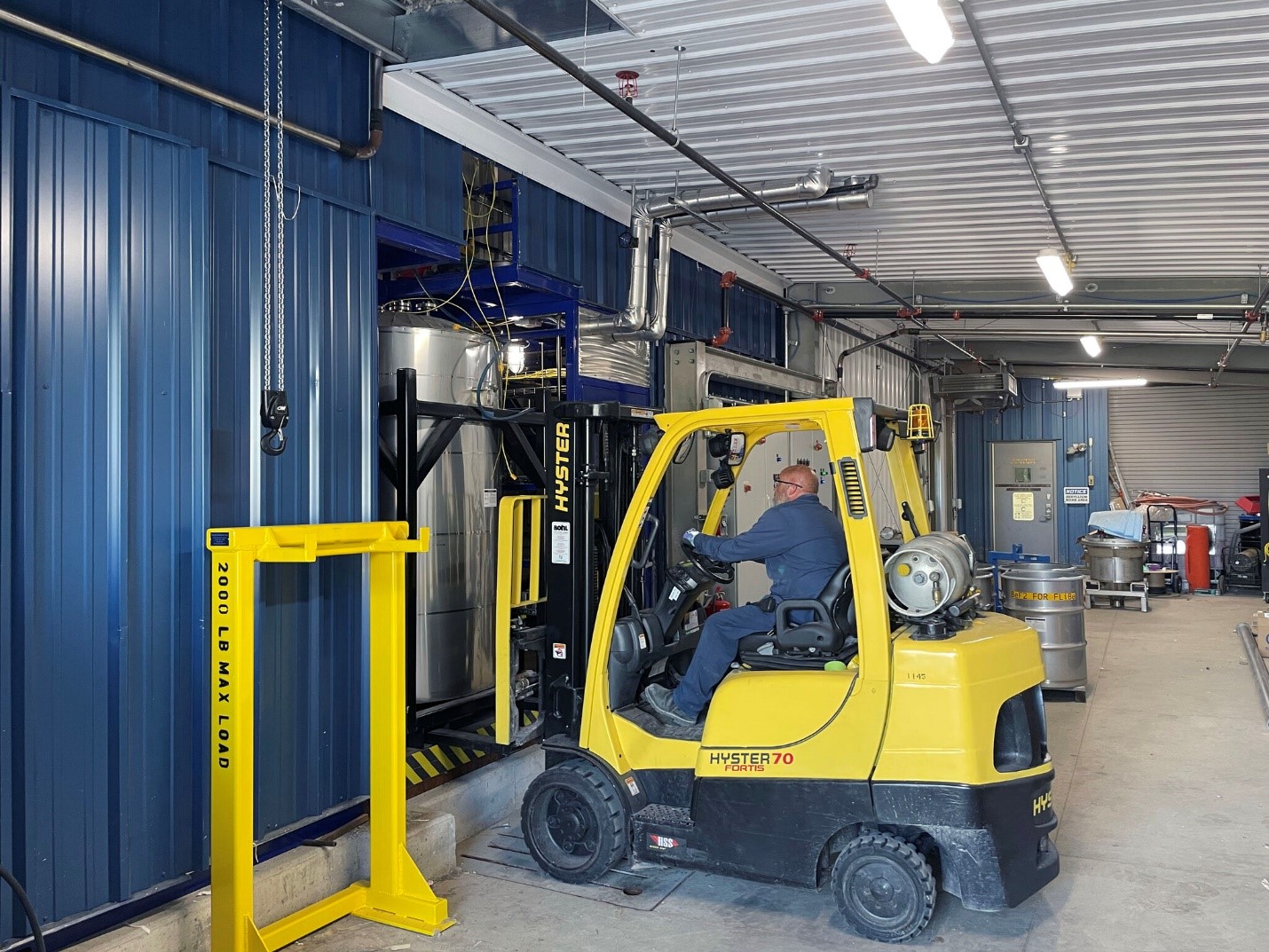
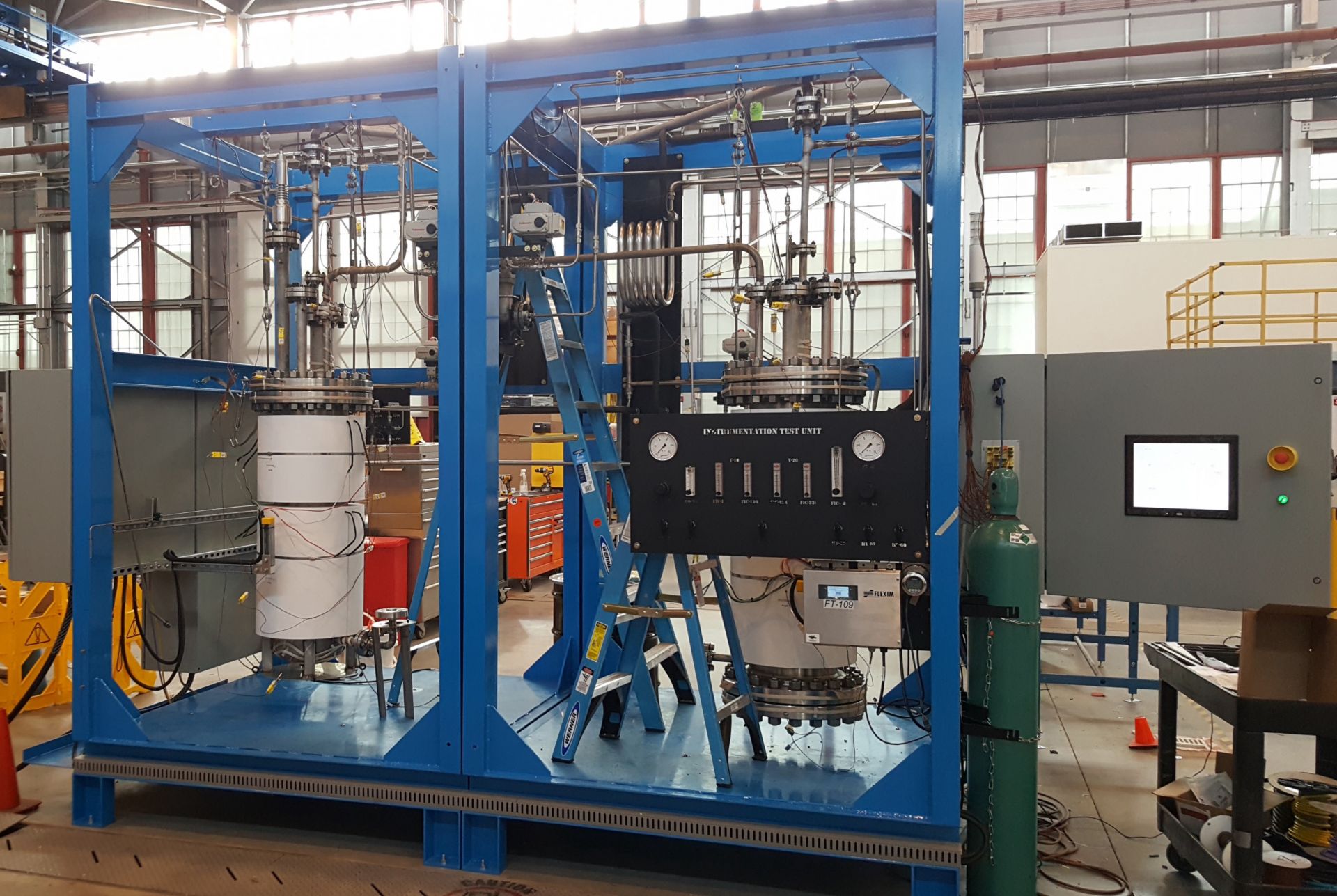
December 23, 2021, 3:00PMNuclear NewsAlexander Heifetz, Matthew Weathered, Nathan Hoyt, Mark Anderson, Scott Sanders, Anthonie Cilliers Kairos Power’s Instrumentation Test Unit
As a source of carbon-free electricity, nuclear energy currently dominates in the United States. However, the light water reactors in the U.S. are approaching the end of their licensed service lives. Meanwhile, low-cost electricity generated by fossil fuel–based sources (such as natural gas) poses an ongoing challenge to the economic viability of commercial nuclear reactors. To enhance the competitiveness of the nuclear industry, we need to bring down the high operating and maintenance (O&M) costs through savings available from utilizing modern, efficient sensing and automation technologies.
Artistic rendering of the Hermes low-power demonstration reactor, a scaled-down demo of the KP-FHR. (Image: Kairos Power)
The Nuclear Regulatory Commission recently issued a draft safety evaluation report indicating initial acceptance of Kairos Power’s source term methodology for its fluoride salt–cooled high-temperature reactor (KP-FHR).
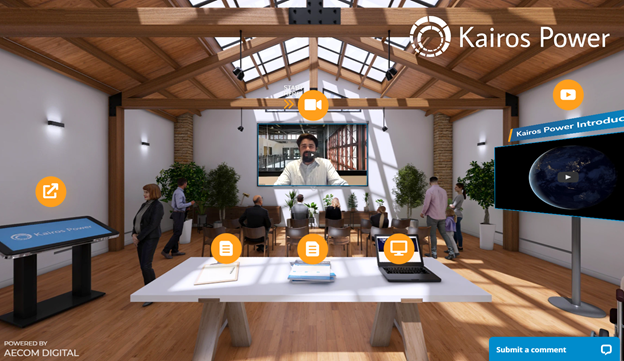
Explore Kairos Power’s plans in a virtual open house.
By 2030, Kairos Power aims to demonstrate electricity production from a full-scale, 140-MWe fluoride salt–cooled high-temperature reactor, the KP-X. In service of that goal, Kairos plans to demonstrate Hermes, a scaled-down 35-MWth nonpower reactor, in Oak Ridge, Tenn.
Hermes is being built to “prove our ability to deliver affordable nuclear heat,” said Mike Laufer, Kairos Power chief executive officer and cofounder, as he explained Kairos’s plans to the local community during a September 28 webinar now available to view on demand. Laufer took questions, and Kairos took the opportunity to introduce a virtual open house that visitors can tour to view videos and interactive features and even submit comments.
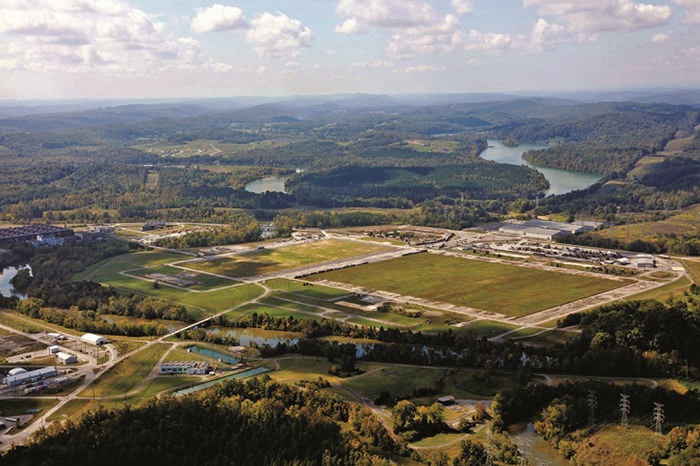
An aerial view of the ETTP site. Photo: Heritage Center, LLC
Back in July, officials from the state of Tennessee and Kairos Power met in Nashville to celebrate Kairos’s plans to construct a low-power demonstration reactor in the East Tennessee Technology Park in Oak Ridge, Tenn. The demonstration facility is a scaled-down version of Kairos’s Fluoride Salt–Cooled High Temperature Reactor (KP-FHR), dubbed Hermes. The company first announced plans in December 2020 to redevelop the ETTP’s former K-33 gaseous diffusion plant site for construction of Hermes.
Artistic rendering of the Hermes low-power demonstration reactor. (Image: Kairos Power)
Today, Tennessee governor Bill Lee joined Department of Economic and Community Development commissioner Bob Rolfe and Kairos Power officials in Nashville, Tenn., to celebrate Kairos’s plans to construct a low-power demonstration reactor in the East Tennessee Technology Park in Oak Ridge, Tenn. The company first announced its plans to redevelop the former K-33 gaseous diffusion plant site at the Heritage Center, a former Department of Energy site complex, in December 2020.