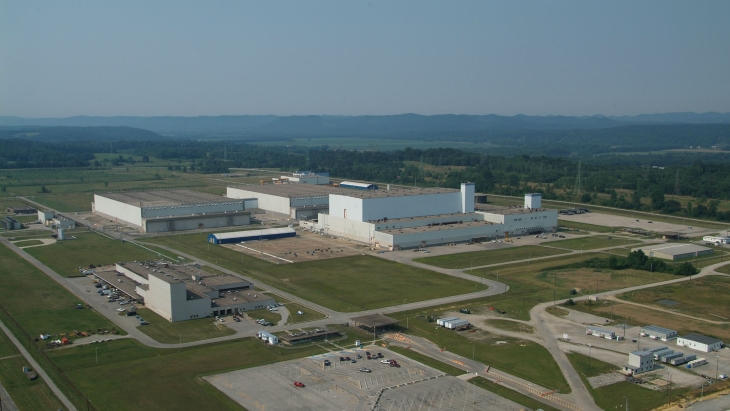
August 14, 2026, 4:04PMNuclear NewsNatalia Amosova and Seth Grae Centrus’s American Centrifuge Plant, in Piketon, Ohio. (Photo: Centrus Energy)
The global nuclear revival, which is fueled by unprecedented demand for firm, affordable, dispatchable power for artificial intelligence and data center build-out, energy security imperatives, and climate commitments, has exposed a structural reality of the Western fuel cycle: No single allied nation currently possesses the full suite of front-end capabilities. From mining through conversion, enrichment, fabrication, and the emerging deconversion and metallization steps required for reactor fuels, capability is distributed across Canada, France, Japan, the United Kingdom, and the United States (collectively, the “Sapporo Five”), as well as a small group of close partners.
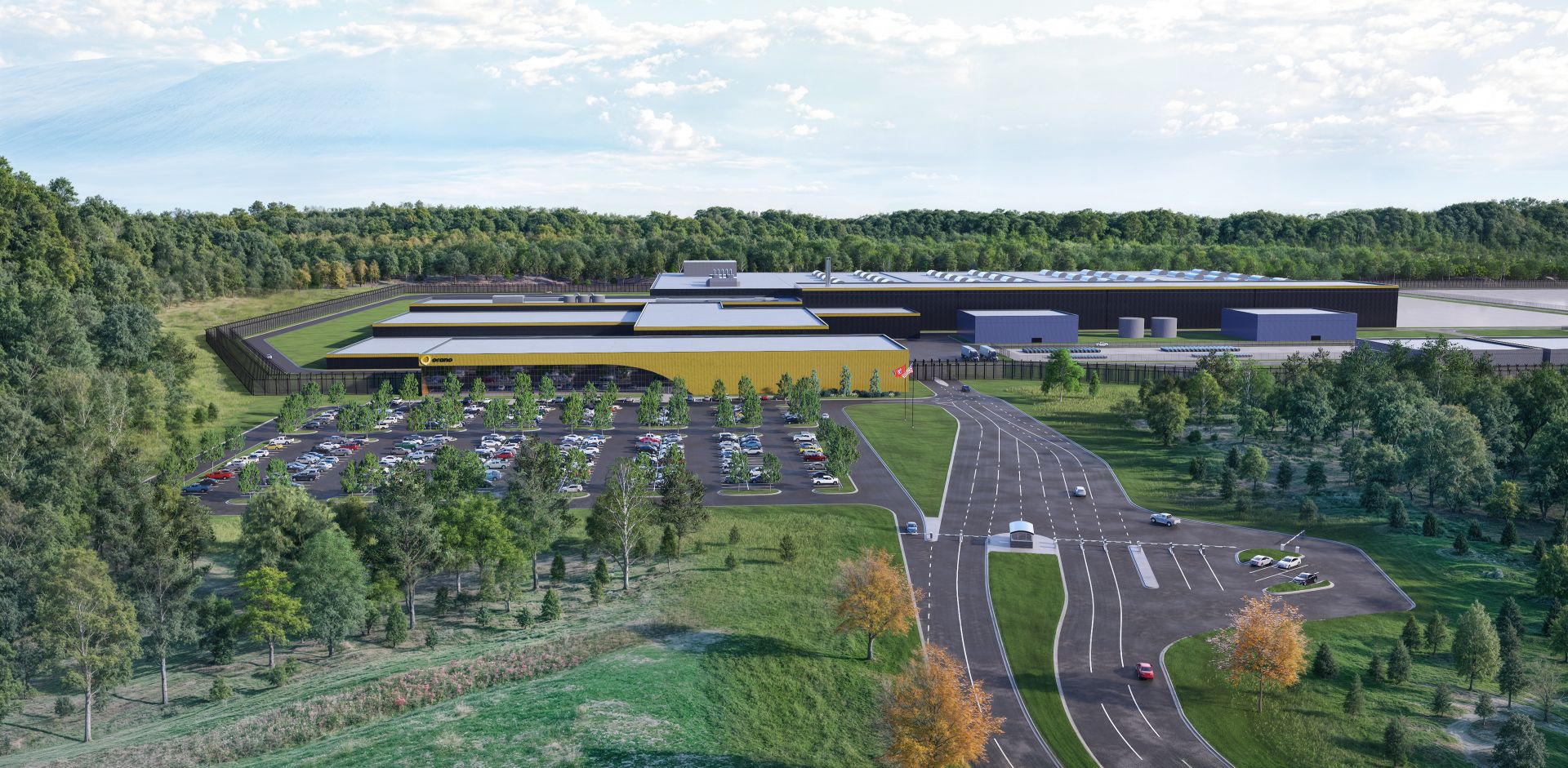
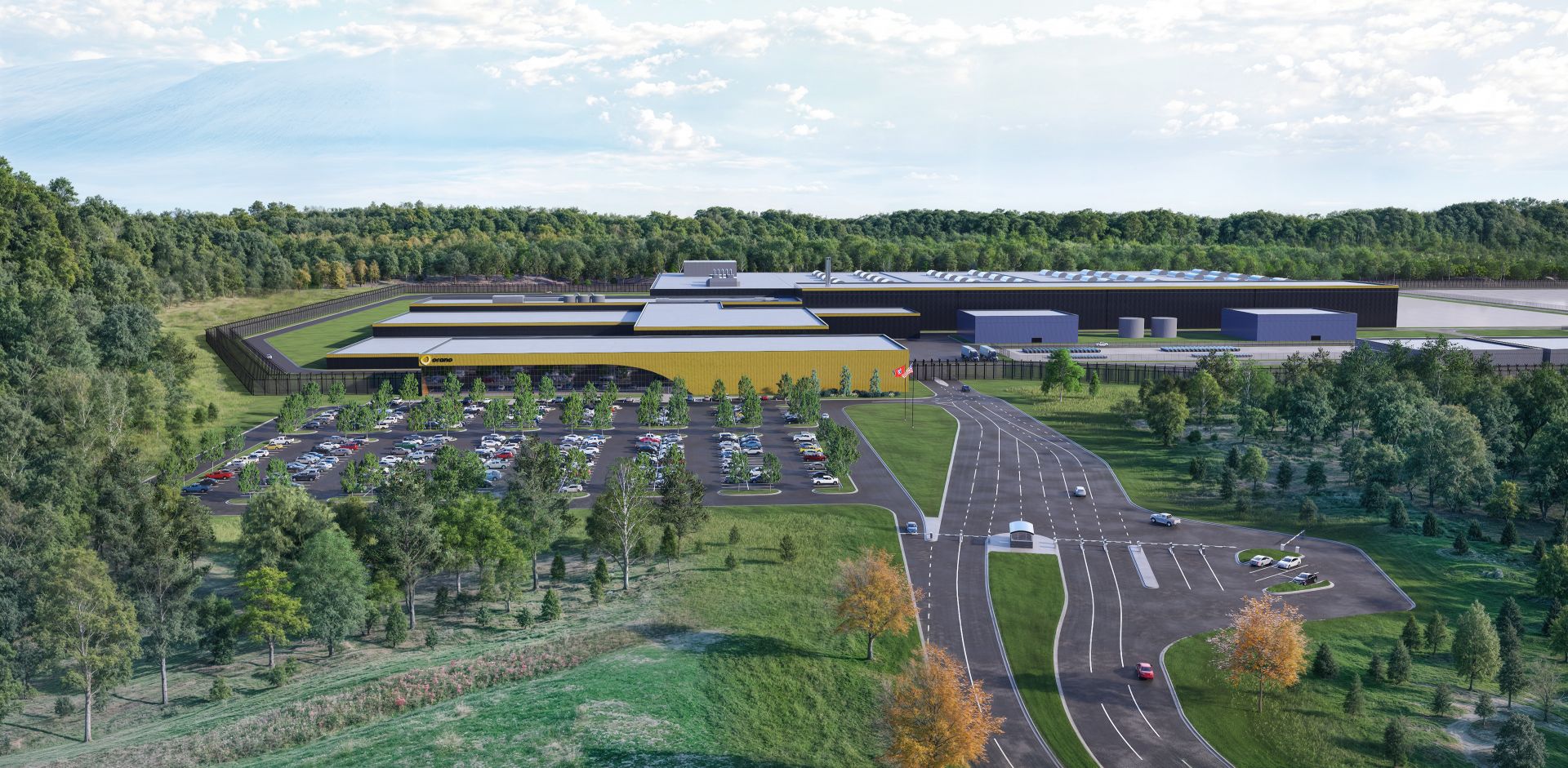
Concept art of Orano’s planned Project Ike facility in Oak Ridge, Tenn. (Image: Orano)
The Nuclear Regulatory Commission is to prepare an environmental impact statement in its review of Orano Enrichment’s license application to build and operate a new uranium enrichment facility near Oak Ridge, Tenn., and is asking the public for comments on the scope of its environmental review.
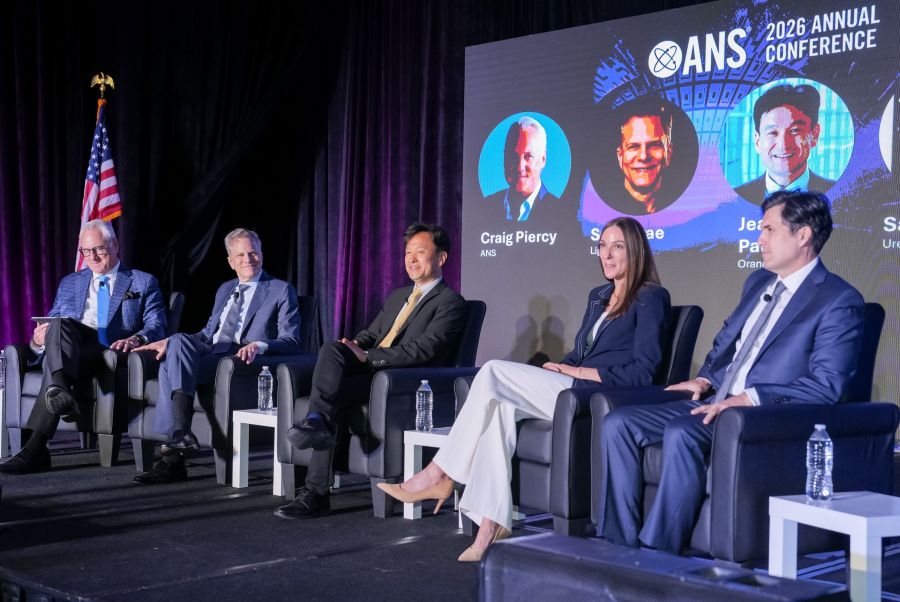
From left, ANS CEO Craig Piercy moderates the second plenary of the Annual Conference, with panelists Seth Grae of Lightbridge, Jean-Luc Palayer of Orano USA, Sarah Riedel of Urenco, and Amir Vexler of Centrus.
Nuclear power currently appears to have the wind at its back, with growing demand for clean, reliable energy from industry (think data centers) and strong political support for new projects. But getting there still will require a lot of pieces to yet fall into place. It is, as American Nuclear Society CEO Craig Piercy said, a “chicken and egg” problem: Which comes first, the fuel to supply new reactors or the reactors that will create a demand for new fuel?
Concept art of Orano’s planned Project Ike facility in Oak Ridge, Tenn. (Image: Orano)
The Nuclear Regulatory Commission said it intends to complete its review of Orano Enrichment’s license application to build and operate a new uranium enrichment facility near Oak Ridge, Tenn., in 12 months. Orano submitted its application for the multibillion-dollar facility, named Project Ike, in March.
Concept art of Orano’s planned Project Ike facility in Oak Ridge, Tenn. (Image: Orano)
Orano USA announced on April 22 that it has signed a memorandum of understanding with North America’s Building Trades Unions (NABTU) outlining their cooperative relationship to support the construction of Project Ike, Orano’s planned $5 billion centrifuge uranium enrichment facility in Oak Ridge, Tenn.
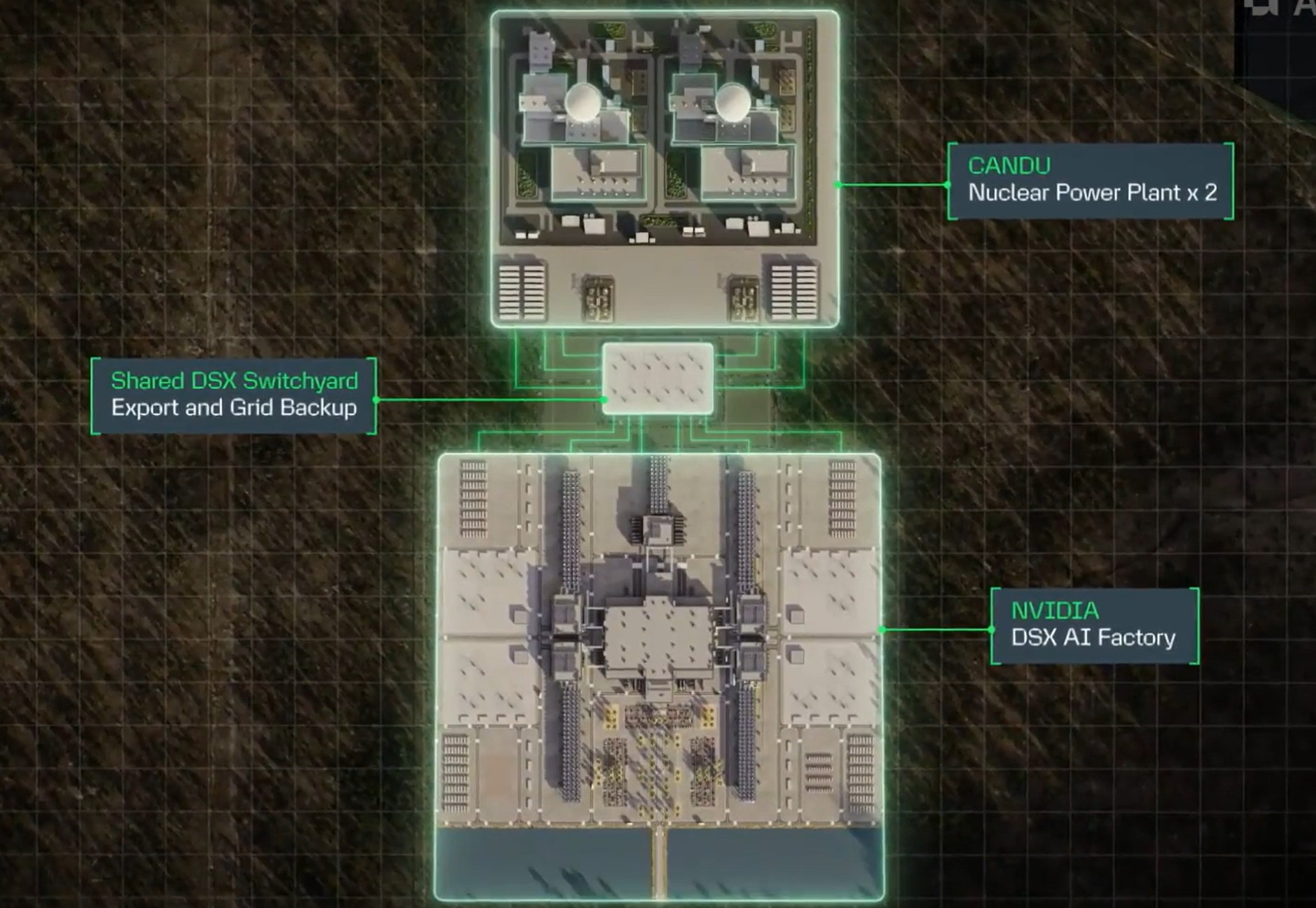
A depiction of the Candu-powered AI factory envisioned by AtkinsRéalis and Nvidia. (Image: AtkinsRéalis)
The nuclear space is full of companies eager to power new AI development. At the same time, many AI companies want to provide services to the nuclear industry. It should come as no surprise, then, that two new partnerships have recently been announced that further bridge the AI and nuclear sectors.
AtkinsRéalis has announced a partnership with Nvidia that aims to leverage Nvidia’s technologies to deploy “nuclear-powered, large-scale AI factories.” Centrus Energy has announced a partnership with Palantir Technologies to use Palantir’s software in support of Centrus’s plans to expand enrichment capacity.
Centrus’s American Centrifuge Plant, in Piketon, Ohio. (Photo: Centrus Energy)
A newly announced potential joint venture between reactor and fuel-recycling developer Oklo and uranium enricher Centrus Energy could be coming to Ohio. The two companies have agreed to pursue discussions on jointly establishing deconversion services for high-assay low-enriched uranium and other fuel-cycle technologies at Centrus’s uranium enrichment plant in Piketon, Ohio, which is adjacent to Oklo's proposed 1.2-GW power campus. That campus, which has been targeted to be on line by 2030, will use Oklo’s Aurora Powerhouse microreactor to support data centers for Meta.
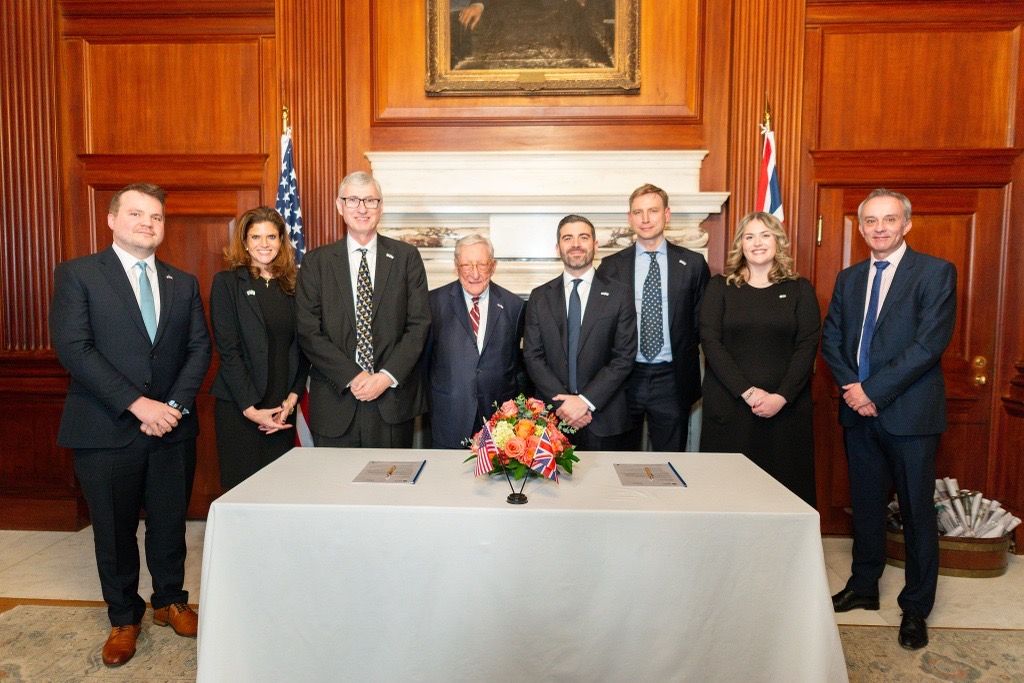
The agreement was signed at the British Embassy in Washington, D.C., with assistant secretary for nuclear energy Ted Garrish (fourth from left) in attendance. (Photo: Westinghouse)
Nuclear Transport Solutions and Westinghouse have signed a strategic agreement to codevelop NTS’s Pegasus—a transport package for high-assay, low-enriched uranium fuel.
The companies signed the agreement at the British Embassy in Washington, D.C., on January 22, taking what Westinghouse called “an important step in making HALEU available to enable advanced nuclear energy in the U.S. and UK.”
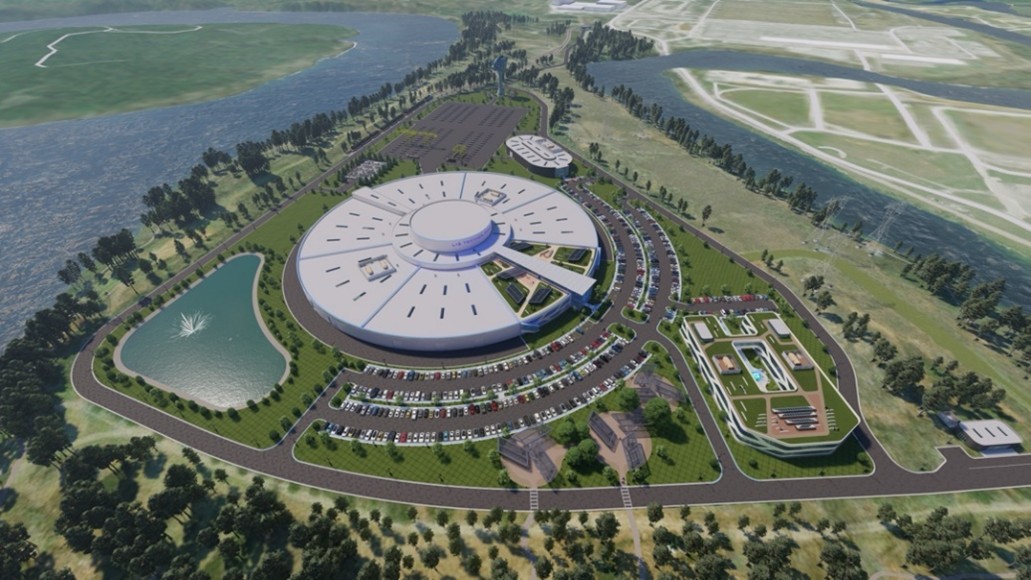
Concept art of LIS Technologies’ commercial enrichment facility on Duct Island. (Source: LIS Technologies)
On January 16, Tenn. Gov. Bill Lee, Deputy Gov. Stuart McWhorter, and officials from Laser Isotope Separation Technologies announced the company’s plans to expand in Oak Ridge, Tenn. That expansion will come with a $1.38 billion investment from LIS Technologies for what the company says will be the first commercial laser uranium enrichment plant in the United States.
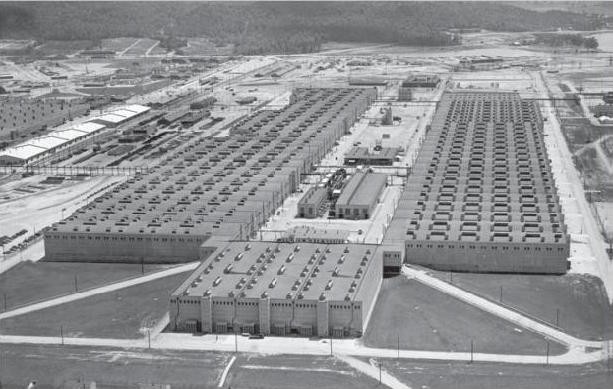
Historic photo of the distinctively U-shaped K-25 building. (Photo: DOE)
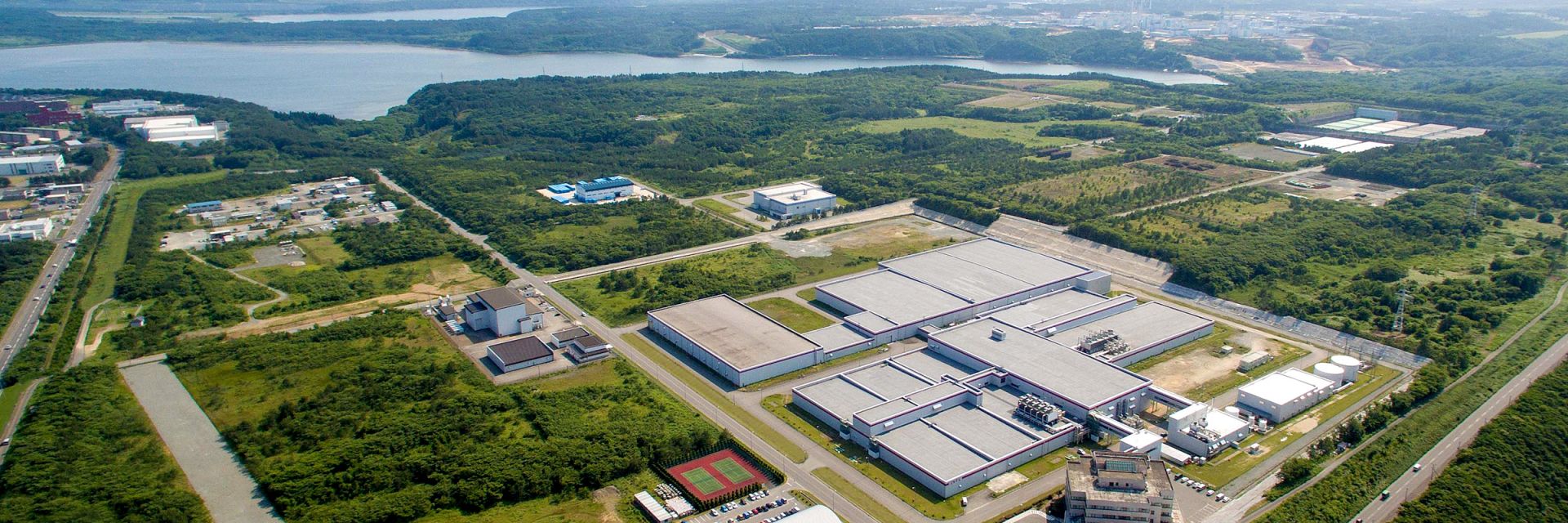
JNFL’s Rokkasho uranium enrichment plant. (Photo: JNFL)
President Trump is in Japan today, with a visit with new Prime Minister Sanae Takaichi on the agenda. Takaichi, who took office just last week as Japan’s first female prime minister, has already spoken in favor of nuclear energy and of accelerating the restart of Japan’s long-shuttered power reactors, as Reuters and others have reported. Much of the uranium to power those reactors will be enriched at Japan’s lone enrichment facility—part of Japan Nuclear Fuel Ltd.’s Rokkasho fuel complex—which accepted its first delivery of fresh uranium hexafluoride (UF₆) in 11 years earlier this month.
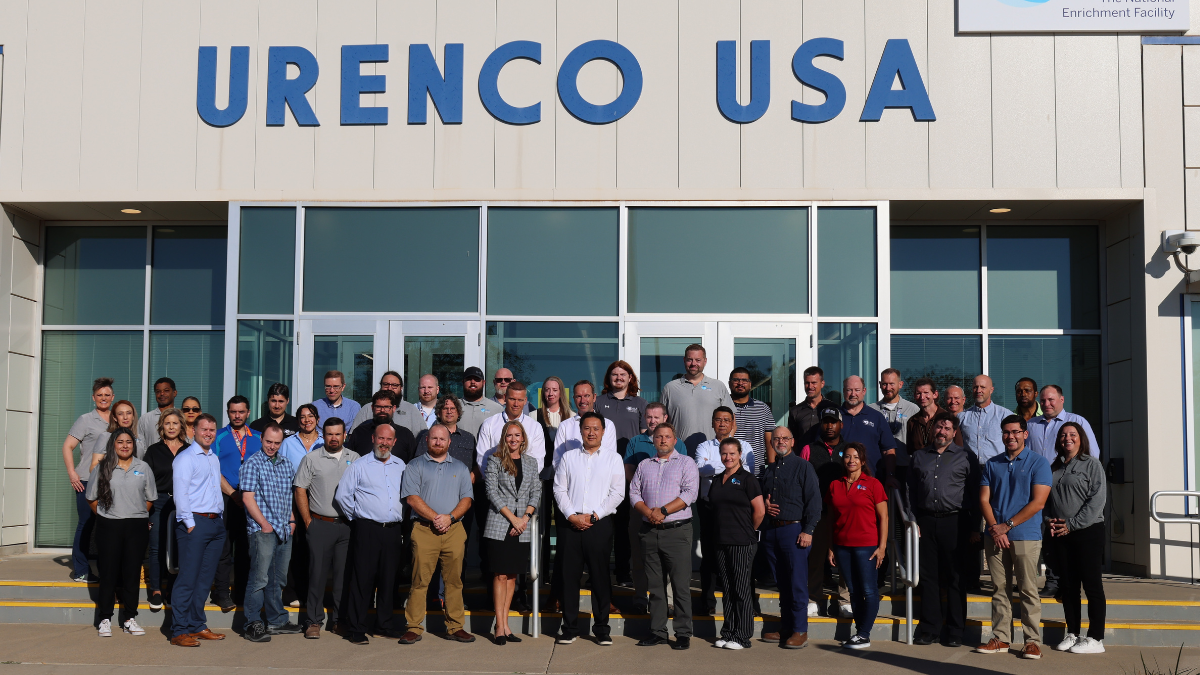
Urenco USA staff outside the Eunice, N.M., enrichment facility. (Photo: Urenco)
The Nuclear Regulatory Commission has authorized Urenco USA to enrich uranium up to 10 percent U-235 following changes to plant systems and procedures and an operational readiness review. The company announced the news today, two days after the NRC issued its authorization on September 30 and said that all existing and future cascades at its Eunice, N.M., enrichment facility will be licensed to produce both low-enriched uranium, typically enriched to 5 percent fissile U-235, and LEU+, between 5 and 10 percent U-235.
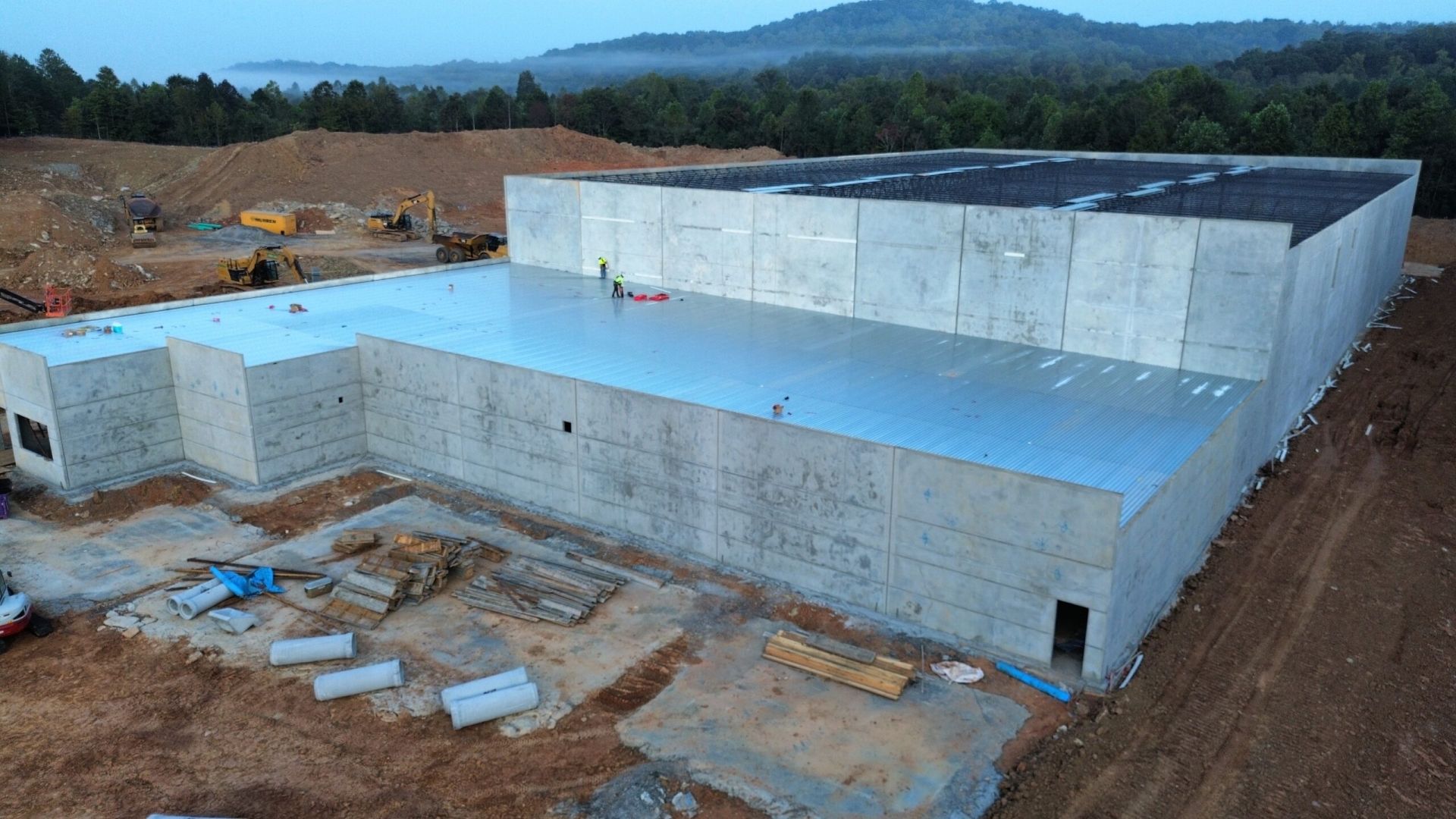
BWXT’s Centrifuge Manufacturing Development Facility, currently under construction in Oak Ridge, Tenn., will provide the centrifuges that will be used at the future DUECE pilot plant. (Photo: BWXT)
The Department of Energy’s National Nuclear Security Administration has awarded BWX Technologies a contract valued at $1.5 billion to build a Domestic Uranium Enrichment Centrifuge Experiment (DUECE) pilot plant in Tennessee in support of the administration’s efforts to build out a domestic supply of unobligated enriched uranium for defense-related nuclear fuel.