Fuel and the nuclear resurgence: The chicken or the egg conundrum
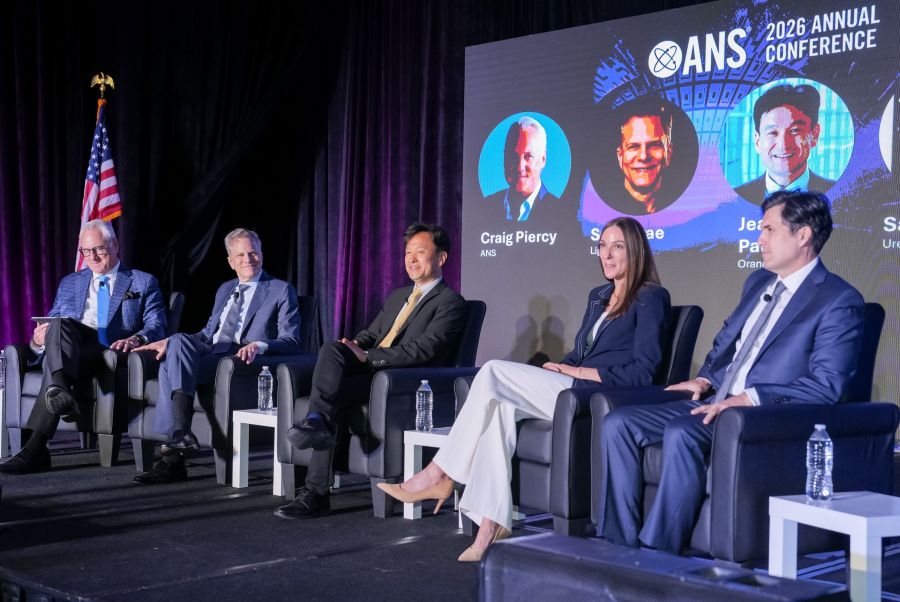
Nuclear power currently appears to have the wind at its back, with growing demand for clean, reliable energy from industry (think data centers) and strong political support for new projects. But getting there still will require a lot of pieces to yet fall into place. It is, as American Nuclear Society CEO Craig Piercy said, a “chicken and egg” problem: Which comes first, the fuel to supply new reactors or the reactors that will create a demand for new fuel?
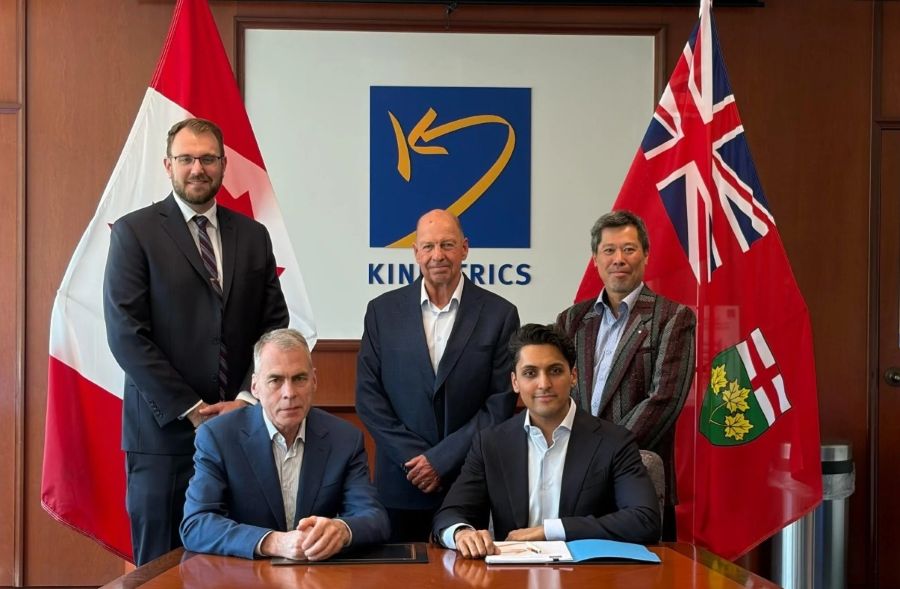
That was the topic discussed during the second plenary of the American Nuclear Society’s Annual Conference in Denver, Colo. “Fueling the Nuclear Resurgence” was held on Tuesday and featured panelists from fuel fabrication and uranium enrichment companies Lightbridge, Urenco, Orano, and Centrus Energy.
“I never really saw it as a chicken-or-egg game,” said Amir Vexler, president and CEO of Centrus, in response to Piercy’s opening question of how companies are investing their resources in the face of uncertain demand, particularly when it comes to high-assay, low-enriched uranium to fuel advanced reactors.
“It was always a question of at what point would the reactor developers be able to commit to a HALEU fuel off-take agreement. I don't think that point in time has really matured enough until very recently,” said Vexler, adding that a lot has changed in the past few years, with more customers willing to commit to buying new fuel.
Sarah Riedel, head of sales at Urenco, concurred with Vexler, saying that it is a matter of not if advanced reactors come on line, but when. “A couple years ago, we didn't have the certainty that we have today,” she said.
Riedel pointed to Urenco’s planned expansion of its National Enrichment Facility in New Mexico, announced that morning, as evidence of that certainty. Claiming that the expansion is being entirely financed through customer contracts, she said, “If that doesn't tell you that we are ready as an industry to move forward, I don't know what does.”
Seth Grae, chairman and CEO of Lightbridge Corporation, likewise said his company is meeting market demand as it looks to build a pilot fuel fabrication plant for its extruded uranium-zirconium alloy fuel.
“The fuel is really designed to meet what customers are telling us that they need,” Grae said.
The panel, however, acknowledged that there are risks, both political and market based. The following are some of the risks to new fuel development discussed by panel members.
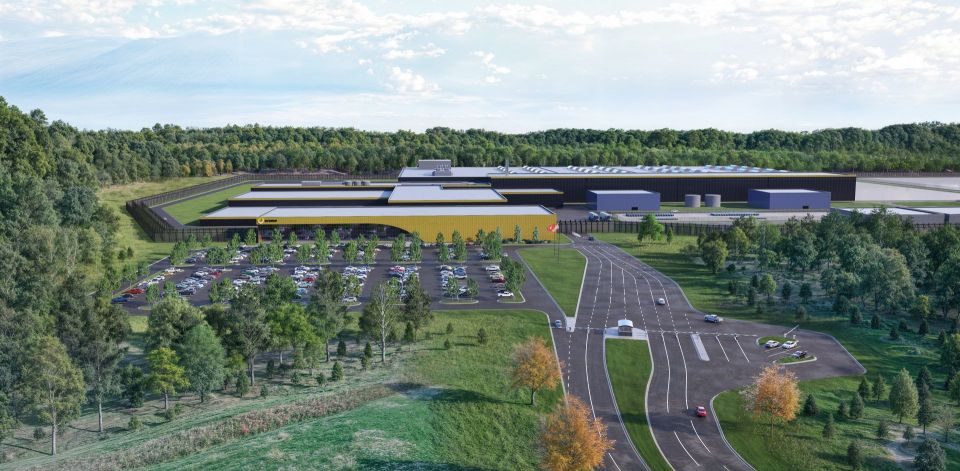
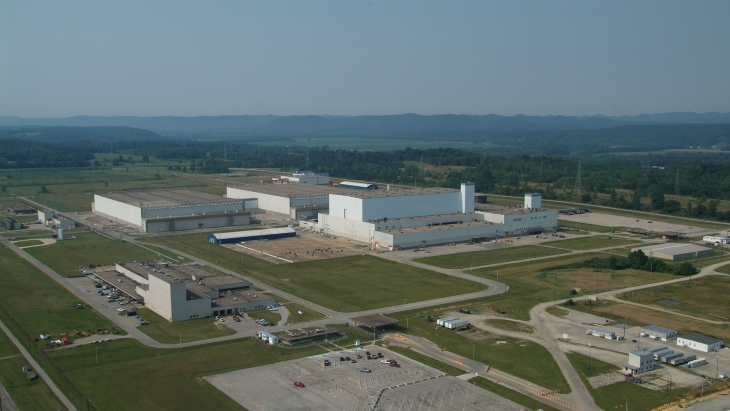
Supply chain and workforce: Jean-Luc Palayer, CEO and president of Orano USA, said one of the greatest risks his company faces is ensuring a good supply chain, including a reserve of trained workers, to build and operate Project Ike, Orano’s planned multibillion-dollar uranium enrichment plant near Oak Ridge, Tenn.
“We have already started the work, but we need to ensure that our suppliers will be ready to meet our requirements so we can meet the schedule that we committed to [the Department of Energy] and to our U.S. customers,” he said.
Palayer added that part of the reason Orano chose to site Project Ike in Tennessee is because of the state’s strong nuclear education system, pointing to the nuclear degree programs at the University of Tennessee–Knoxville and Tennessee Tech.
Palayer also called out the importance of such nuclear education programs as ANS’s Nuclear 101 certificate course, which is held in conjunction with Society conferences, including all five days of the Denver conference.
In comments directed to the audience about the ANS Nuclear 101 course, Palayer said, “I really encourage every one of you to ask your new employees to attend this nuclear course, because it is fantastic.”
Lightbridge’s Grae admitted that there is an inherent risk in designing, licensing, and building a new nuclear fuel fabrication facility. But, he added, there is a “balance of risk” that is weighted toward development.
“We could miss what is a historic opportunity for this industry and for companies with the greatest growth opportunity there has ever been,” he said.
Imports: When asked about the impending complete ban on Russian imports of enriched uranium (the Prohibiting Russian Uranium Imports Act ends all LEU import waivers from Russia by January 1, 2028), panel members agreed that the industry has been taking the right measures to prepare for the “gap” between when all Russian imports stop and new domestic production begins.
Palayer said Orano started working with its U.S. customers as early as February 2022, when Russia invaded Ukraine, to ensure a continued supply of enriched uranium. “They realized at that time that they could not rely on Russia anymore for the import of LEU,” he said.
Urenco’s Riedel agreed that utilities have been planning for years, but that the import ban deadlines need to be maintained. “When you see cracks in policy, if there is an extension of waivers, that's when you have those risks start to creep back in,” she warned.
Grae said that there is enough of a “contingency” in the market that would prevent reactors from having to shut down, but he added that it would not be surprising to see SWU (separative work unit) prices go up. “My overall statement would be we are likely going to be OK, but what remains to be seen is what the SWU prices are going to do,” he said.
The future: In looking toward the future, Vexler said he feels the United States has learned well the lessons of the past 30 years, when the country lost a lot of the skills and infrastructure needed to build things. Uranium enrichment, he said, is an “exhibit” of what happened to other U.S. industries, including steel, pharmaceuticals, and semiconductors.
“I think the government, and I'm sure whoever is going to come after [President] Trump, will understand that we cannot be dependent on others for critical infrastructure, which I would consider nuclear fuel to be dead center in critical infrastructure,” he said.