Participants in the OECD NEA's International RegLab Joint Project at last fall's workshop in Toronto, Canada. (Photo: OECD Nuclear Energy Agency)
The OECD Nuclear Energy Agency’s International Regulatory Laboratory (RegLab) Project, which brings together experts from across the nuclear field to examine the potential impact of emerging technologies, has released a report on its first cycle that details the outcomes of a RegLab focused on the use of artificial intelligence in real-time monitoring of nuclear power plants.
Participants started out with an initial problem/opportunity statement, from which they developed a use case and a mock safety, security, safeguards, and environmental protection (SSSE) case. Then, over the course of two workshops, participants considered these cases in depth.
Global nuclear generation by countries and regions, 1973–2030, shown in terawatt-hours. Light blue represents the European Union; dark blue, the United States; light green, China; orange, India; dark green, other Asian countries; and gray, other countries. (Credit: International Energy Agency)
The Paris-based International Energy Agency released its annual report on global electricity systems and markets on February 6, showing the output of nuclear energy at record levels in 2025. According to Electricity 2026, nuclear energy together with renewable energy sources (mainly solar) will generate about half of all global electricity by 2030, up from 42 percent today.
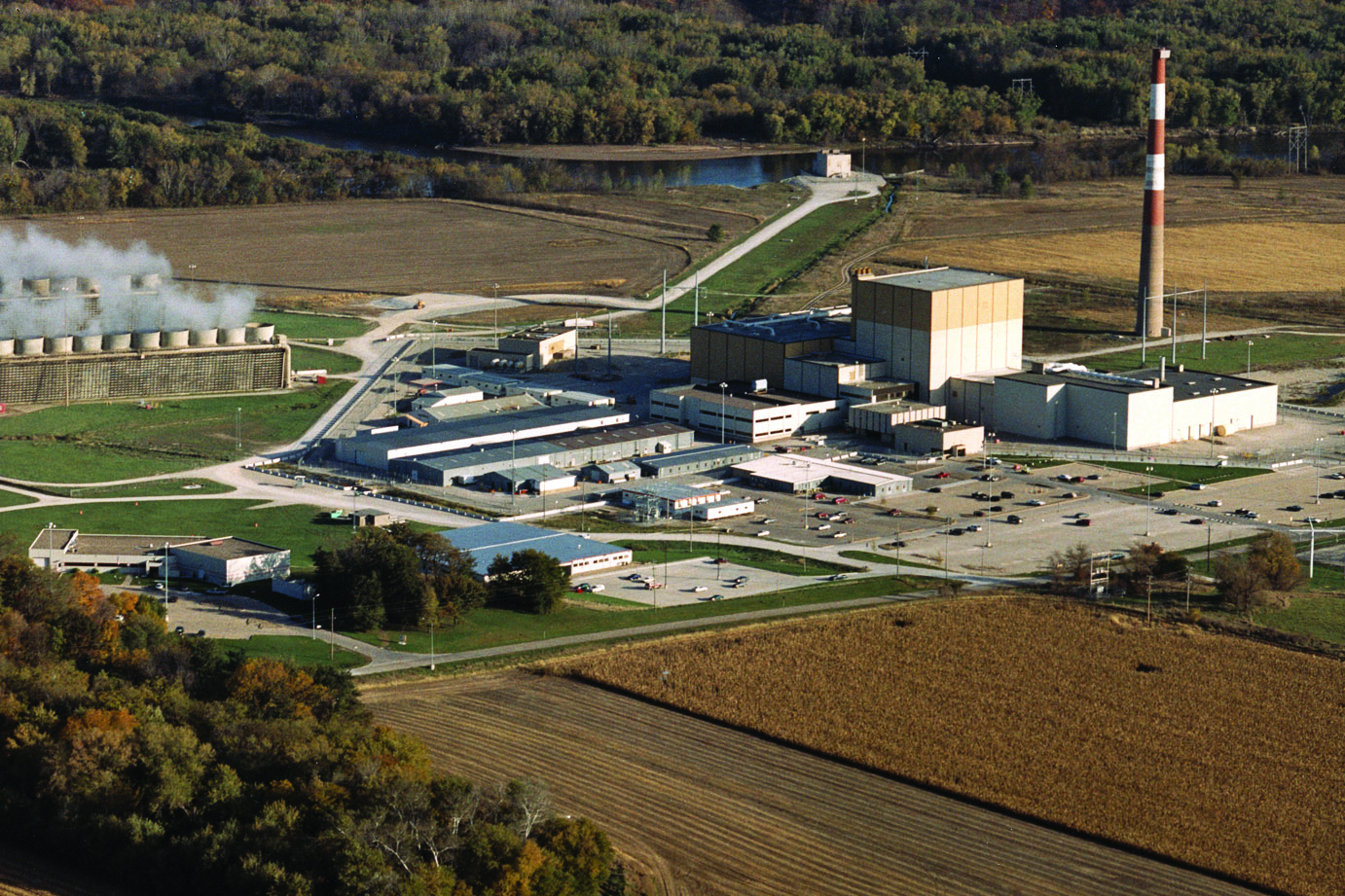
The Duane Arnold Energy Center in Palo, Iowa. (Photo: NextEra Energy)
The Duane Arnold nuclear power plant in Iowa could see new life, according to NextEra Energy chief executive officer John Ketchum.
“There would be opportunities and a lot of demand from the market if we were able to do something with Duane Arnold,” Ketchum said on Wednesday this week during the company’s second-quarter earnings call.


 The Department of Energy’s newly published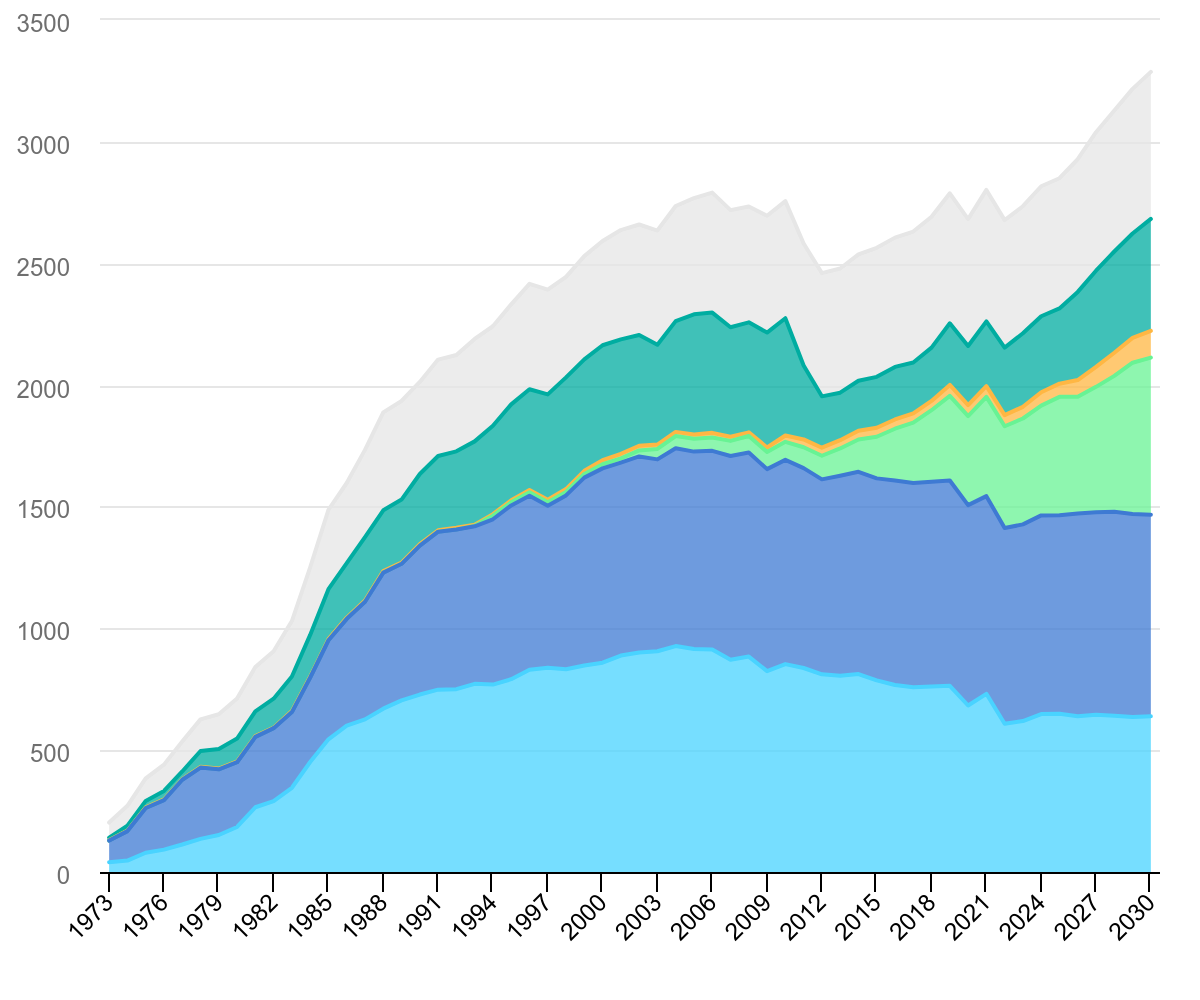


.jpg)