PNNL optimizes waste vitrification formulas with the help of AI

May 4, 2026, 3:27PMNuclear News
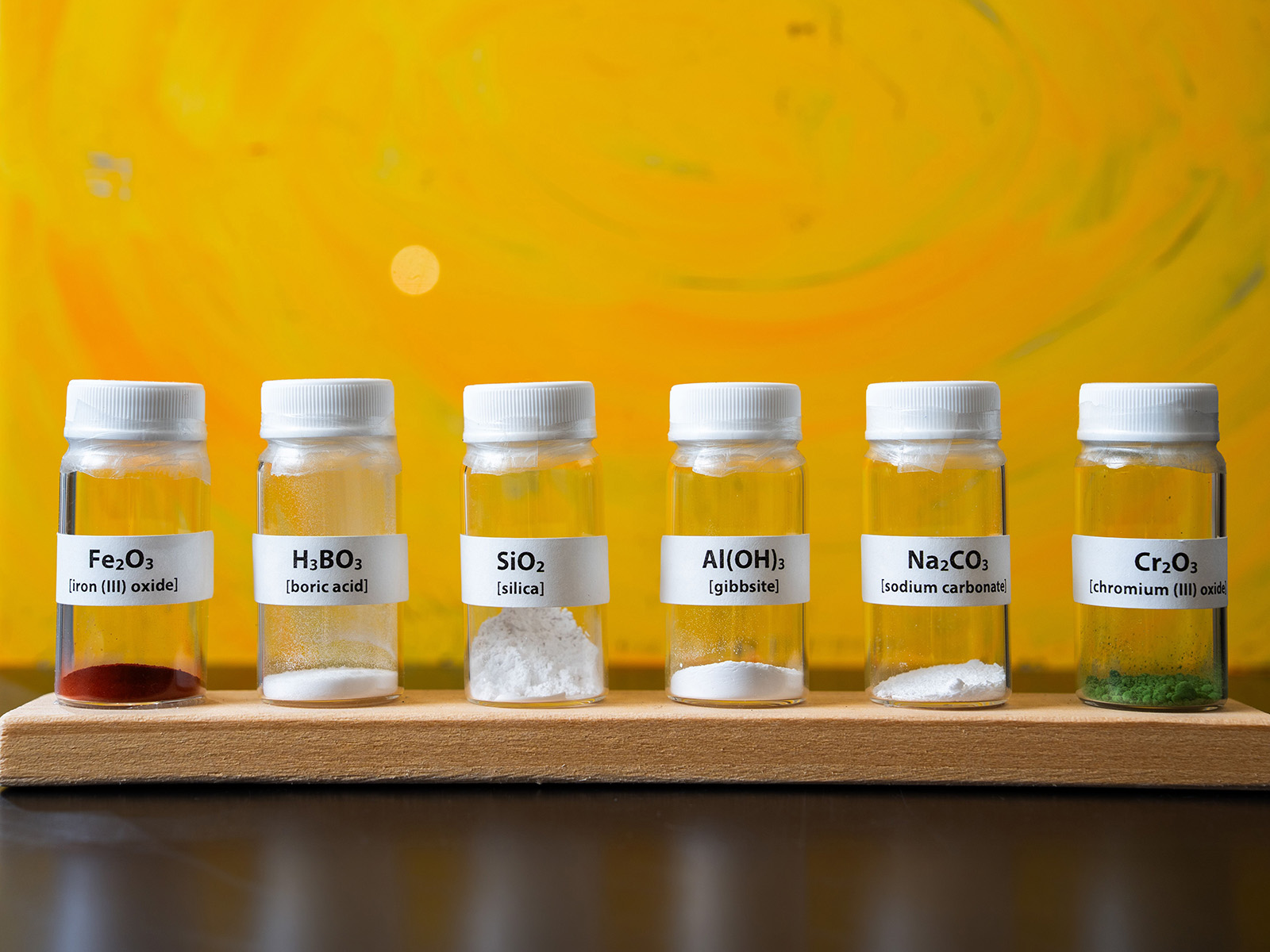
Researchers at PNNL test different chemical compositions to develop AI-driven models that help design glass with the highest waste content possible. (Photo: Andrea Starr/PNNL)

Researchers at Pacific Northwest National Laboratory are exploring methods of using artificial intelligence and machine learning to better optimize formulas for stabilizing low-activity radioactive waste in glass through the vitrification process.

The work is helping inform waste vitrification activities at the Department of Energy’s Hanford Site in Washington state. The DOE is currently commissioning the Low Activity Waste Facility at Hanford’s Waste Treatment and Immobilization Plant (WTP), which will be used to vitrify portions of the site’s nearly 56 million gallons of radioactive and chemical waste.

NRC seeks comments on AI’s role in U.S. nuclear power fleet

April 22, 2021, 3:04PMNuclear News

As predictive analytical tools, artificial intelligence (AI) and machine learning (ML) show promise in improving nuclear reactor safety while offering economic savings. To get a better understanding of current usage and future trends in AI and ML in the commercial nuclear power industry, the Nuclear Regulatory Commission is seeking comments from the public, the nuclear industry, and other stakeholders, as well as other interested individuals and organizations.