-3 2x1.jpg)
IEA report: Nuclear needed for sustainable energy goals
October 15, 2020, 7:16AMNuclear News
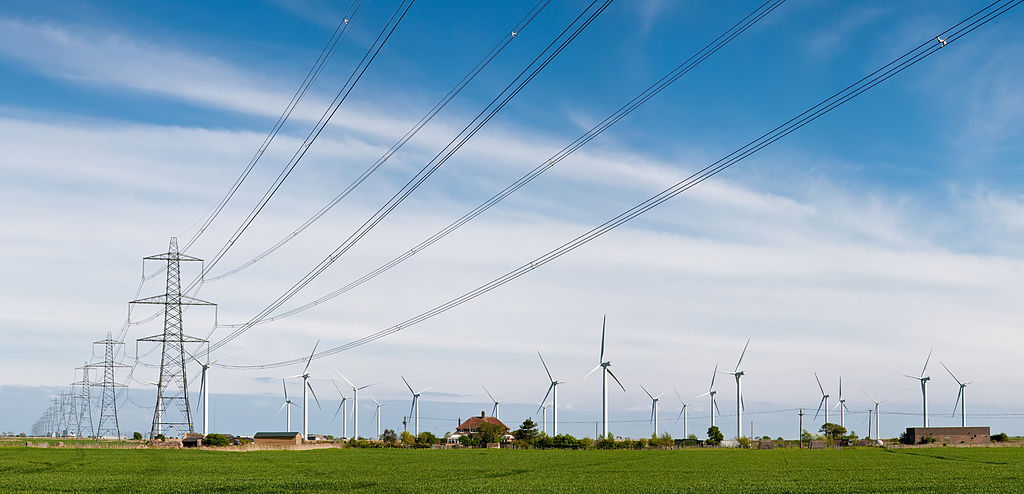
The International Energy Agency released its annual World Energy Outlook on October 13, noting the massive disruption caused by the COVID-19 pandemic and calling for a surge in well-designed energy policies to put the world on track for a resilient energy system that can meet climate goals.
According to the latest IEA analysis of the pandemic’s impact, drops are expected in 2020 in global energy demand by 5 percent, energy-related CO2 emissions by 7 percent, and energy investment by 18 percent. This year’s report focuses on the pivotal period of the next 10 years, exploring four different pathways out of the crisis.
More information on the report is available here. The full publication can be purchased for €120 (about $140).
To continue reading, log in or create a free account!
Tags:
Share:








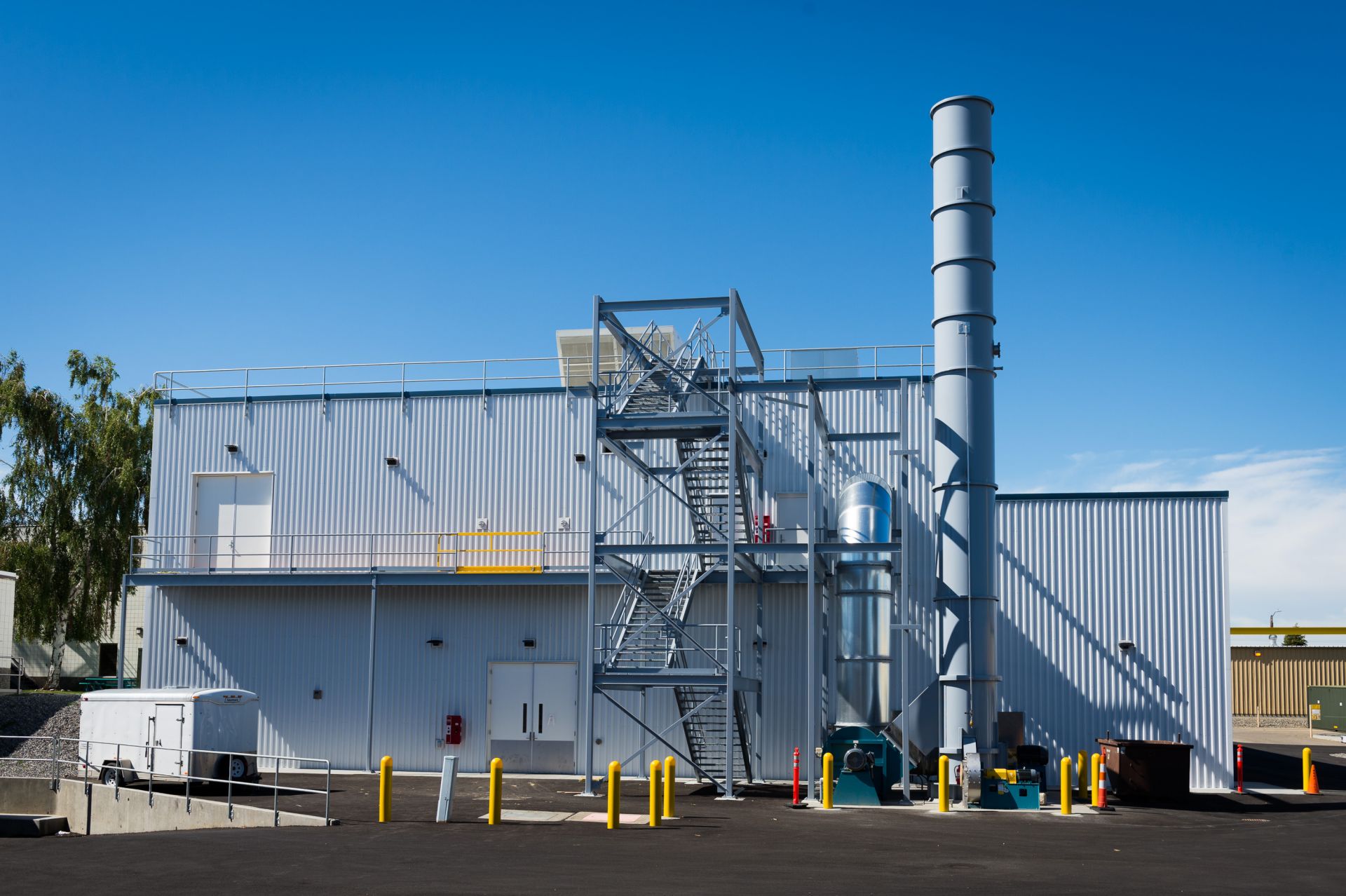
 On March 9, the Department of Energy’s Office of Environmental Management (EM) released its first strategic plan in several years. Titled “A Time of Transition and Transformation: EM Vision 2020-2030,” and called the Strategic Vision1, the document outlines the past accomplishments in cleaning up legacy nuclear waste and provides a broad overview of the initiatives that EM plans to put into motion over the next decade, “laying the groundwork for a long-term plan to realize meaningful impact on the environmental cleanup mission.”2
 The future of nuclear energy is in cogeneration, according to a policy briefing released on October 7 by the United Kingdom’s Royal Society. (The equivalent of the United States’ National Academy of Sciences, the Royal Society, founded in 1660, is the oldest scientific institution in continuous existence.)