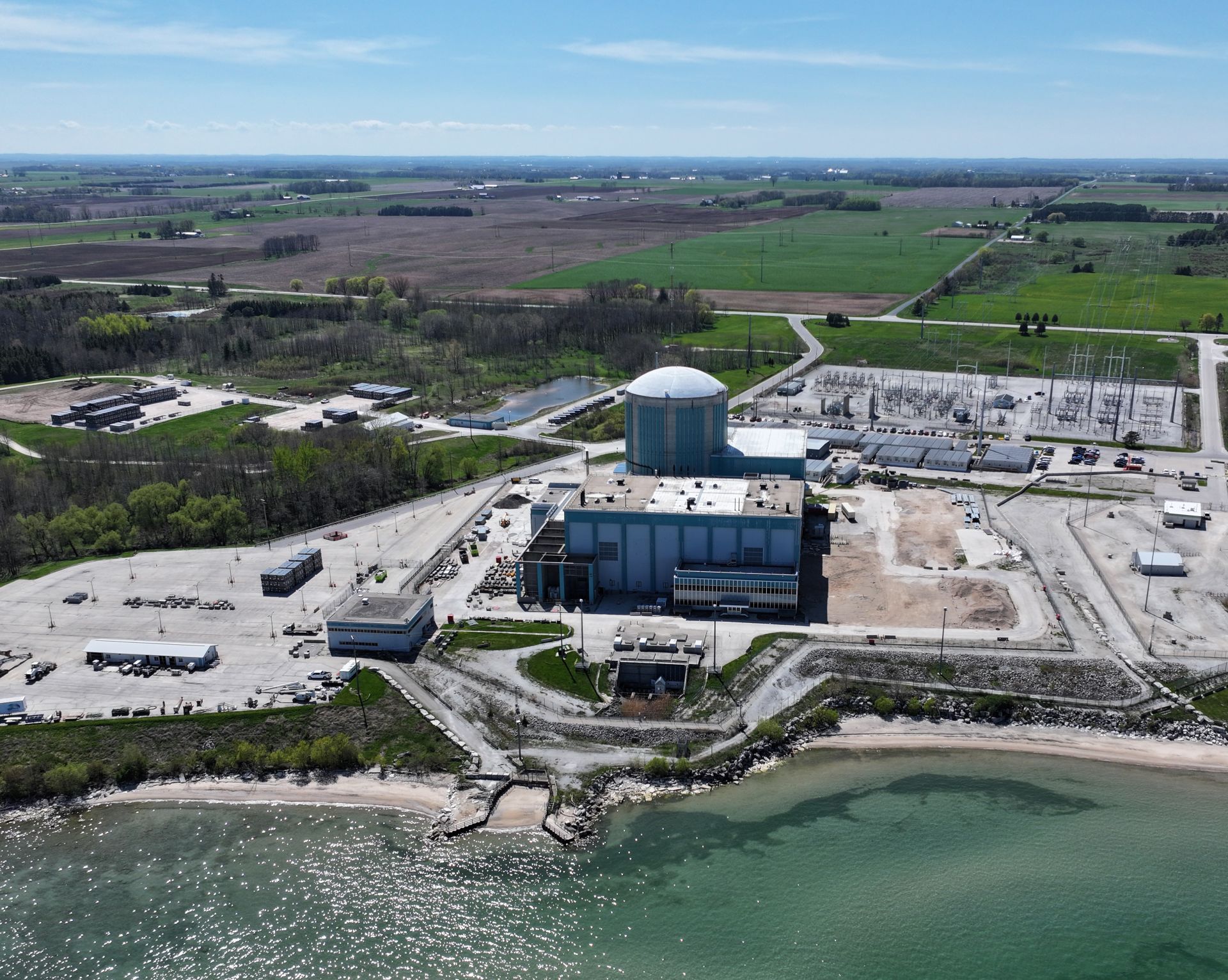
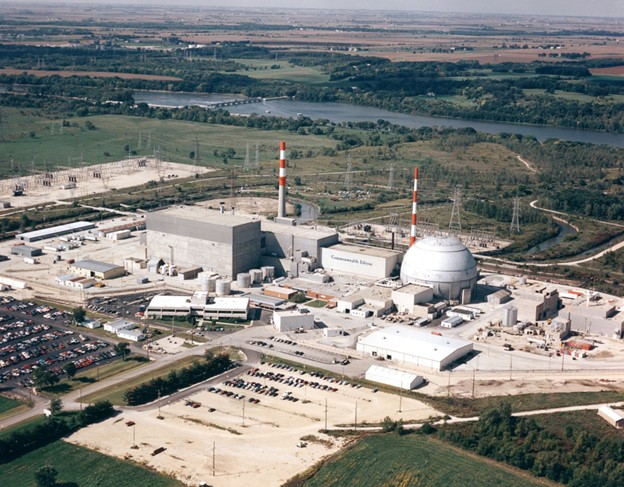
Wisconsin’s Kewaunee nuclear power plant as it appeared in May 2025. (Photo: EnergySolutions)
Utah-based EnergySolutions announced on January 15 that it has submitted a notice of intent to the Nuclear Regulatory Commission, confirming that the company plans to submit an application for a “major licensing action” for new nuclear generation at the closed Kewaunee nuclear power plant in Wisconsin. Applications for an early site permit, construction permit, or combined license are currently being evaluated, the company said.
Gov. Hochul delivers her 2026 State of the State address in Albany, N.Y. (Photo: Darren McGee/Office of Gov. Kathy Hochul)
In June of last year, New York Gov. Kathy Hochul called on the New York Power Authority—the state's public power utility—to add at least 1 GW of new capacity to the electrical grid through the construction of an advanced nuclear power plant in upstate New York to support the state’s decarbonization goals.
It was good news for the nuclear community, to be sure, but in Hochul's State of the State address in Albany earlier this week, she made that objective sound almost unambitious.
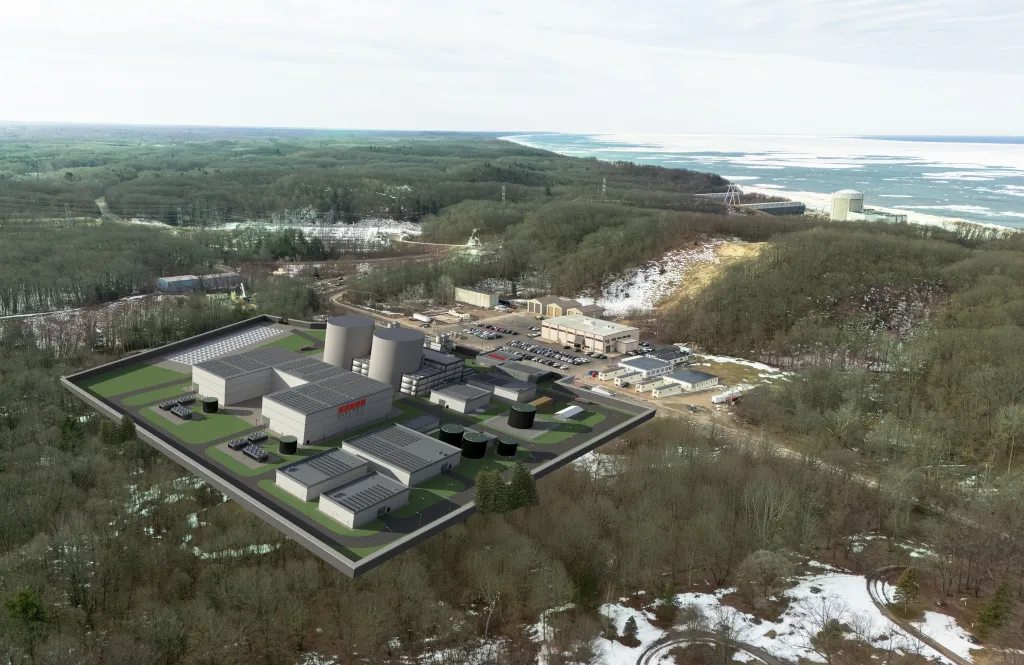
An image of the Palisades site, featuring two SMR-300 units in the foreground. (Image: Holtec)
On New Year’s Eve, Holtec International submitted Part 1 of a construction permit application to the Nuclear Regulatory Commission seeking a limited work authorization (LWA) to begin construction of a two-unit SMR-300 plant at the company’s site in Covert, Mich.
Named Pioneer-1 and -2, the twin 340-MWe pressurized water reactors would join the 777-MWe Palisades PWR that began operating in 1971, shut down in 2022, and is expected to reconnect to the grid—slightly delayed—early this year. According to Holtec’s application documents, Part 2 of its construction permit will be filed no later than mid-2027.
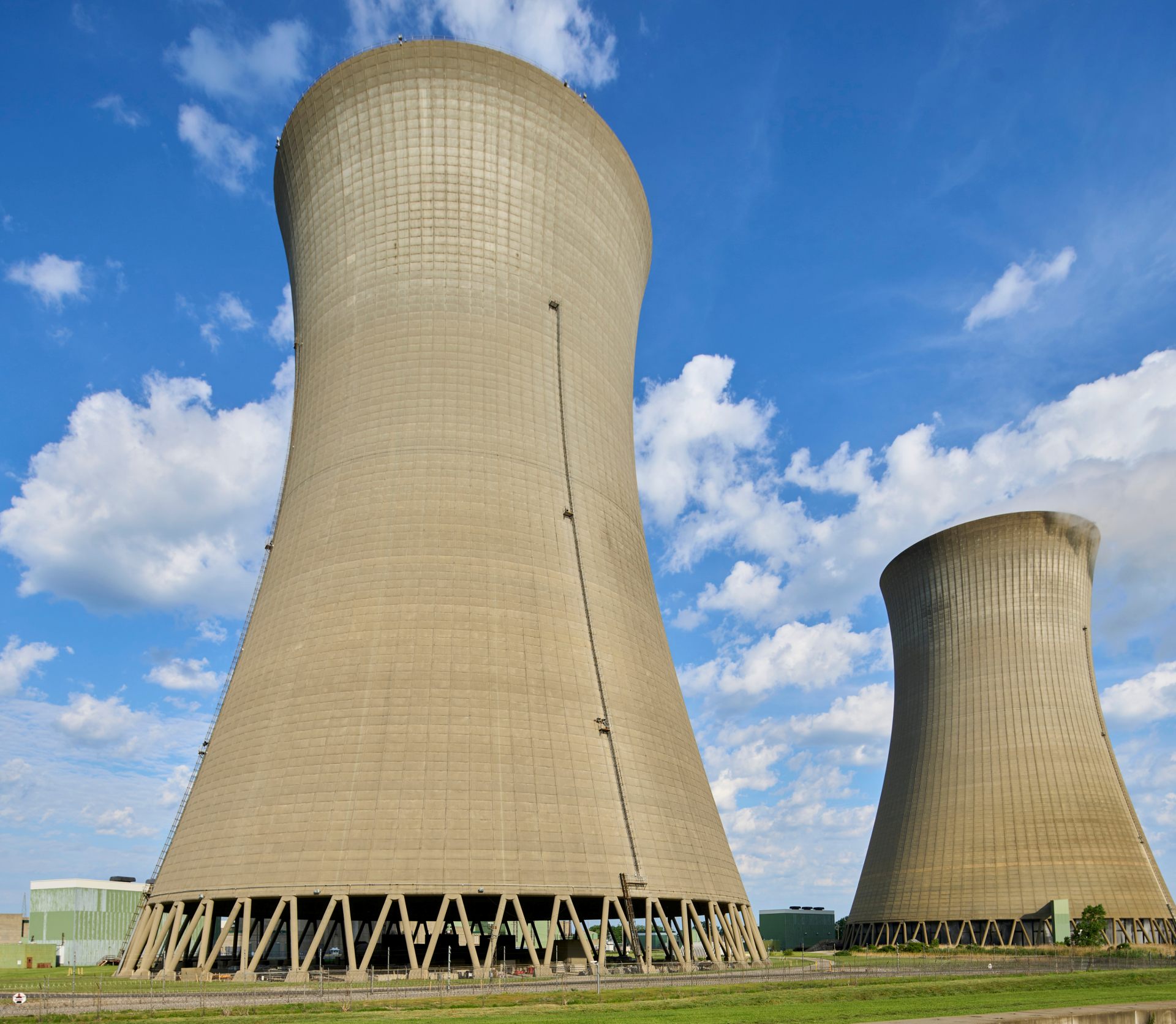
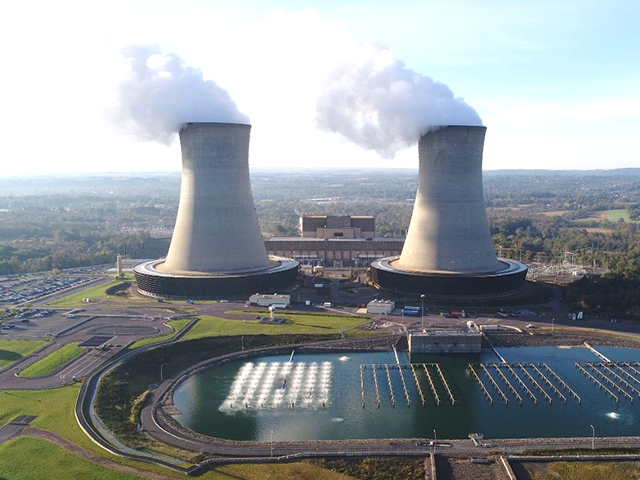
The cooling towers at Vistra's Beaver Valley nuclear power plant. (Photo: Vistra)
Constellation's Limerick nuclear power plant. (Photo: Constellation Energy)
The Nuclear Regulatory Commission has amended the operating licenses of the two boiling water reactors at Constellation Energy's Limerick nuclear power plant, giving the company the green light to replace the units' analog safety-related instrumentation and controls systems with a state-of-the-art digital system.
New York Gov. Kathy Hochul and Ontario Premier Doug Ford announced a new agreement in Buffalo, N.Y., in December. (Photo: Darren McGee/Office of Gov. Kathy Hochul)
In 2025, New York Gov. Kathy Hochul was a vocal supporter of new nuclear development in the state. In October, she called on the New York Power Authority (NYPA)—the state’s public electric utility—to add 1 GW of new nuclear.
At the tail end of December, New York made more nuclear progress on three fronts. Hochul signed an agreement with Ontario Premier Doug Ford to collaborate on new nuclear development, Ontario Power Generation (OPG) signed a memorandum of understanding with the NYPA, and New York finalized its 2025 energy plan.
Fleet organizational effectiveness director Melissa Moran (left) and fleet performance improvement manager Jake Olivier use the OR/PI AI agent to assist in a review of plant performance metrics. (Photo: Southern Nuclear)
Southern Nuclear is leading the charge in artificial intelligence integration, with employee-developed applications driving efficiencies in maintenance, operations, safety, and performance.
The tools span all roles within the company, with thousands of documented uses throughout the fleet, including improved maintenance efficiency, risk awareness in maintenance activities, and better-informed decision-making. The data-intensive process of preparing for and executing maintenance operations is streamlined by leveraging AI to put the right information at the fingertips for maintenance leaders, planners, schedulers, engineers, and technicians.
The Dresden nuclear power plant in Grundy County, Illinois. (Photo: Constellation Energy)
Three commercial power reactors across two Illinois nuclear power plants—Constellation’s Clinton and Dresden—have had their licenses renewed for 20 more years by the Nuclear Regulatory Commission.
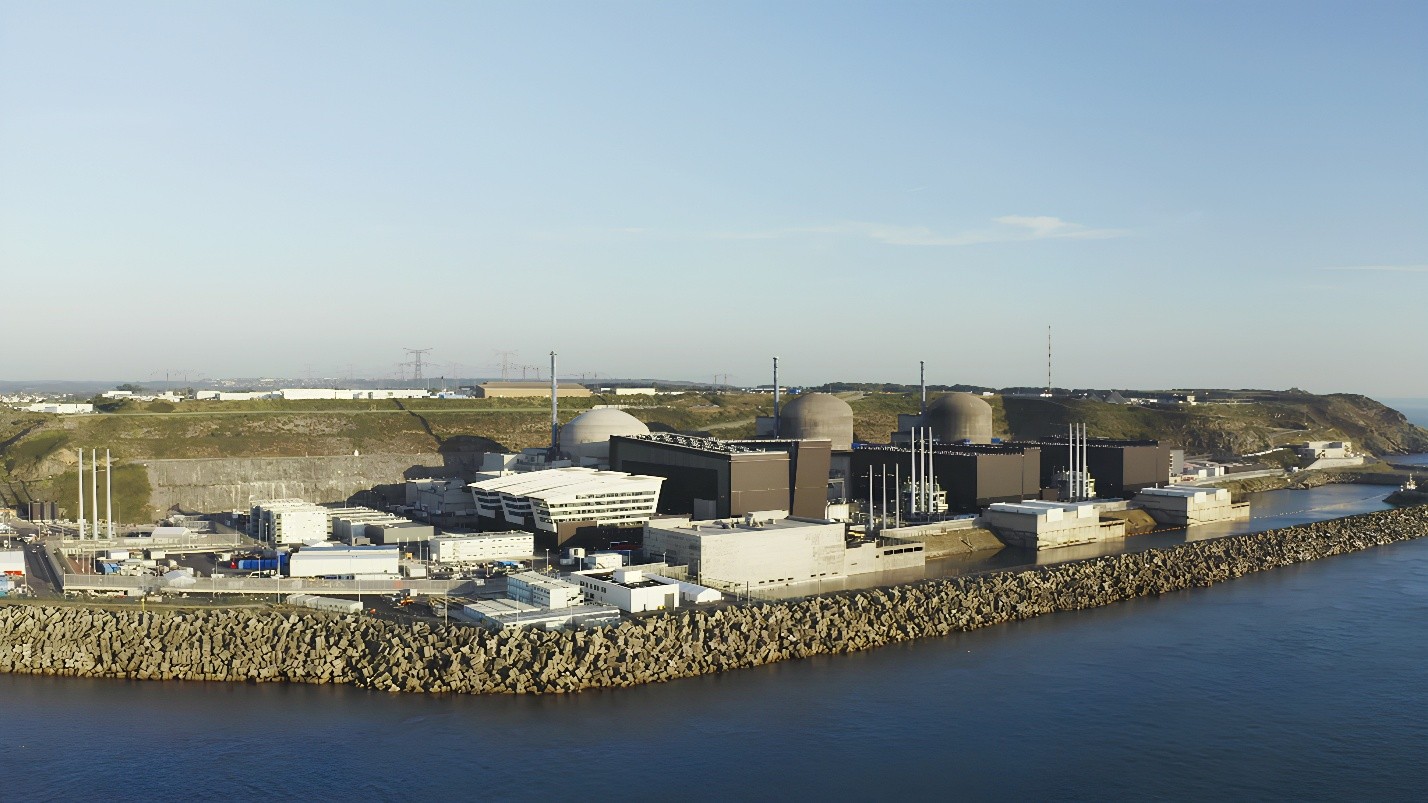
Flamanville-3 (left) in 2023 alongside its predecessor units. (Photo: Wikimedia Commons)
France’s state-owned electric utility EDF has announced that Flamanville-3—the country’s first EPR—reached full nuclear thermal power for the first time, generating 1,669 megawatts of gross electrical power. This major milestone is significant in terms of both this project and France’s broader nuclear sector.
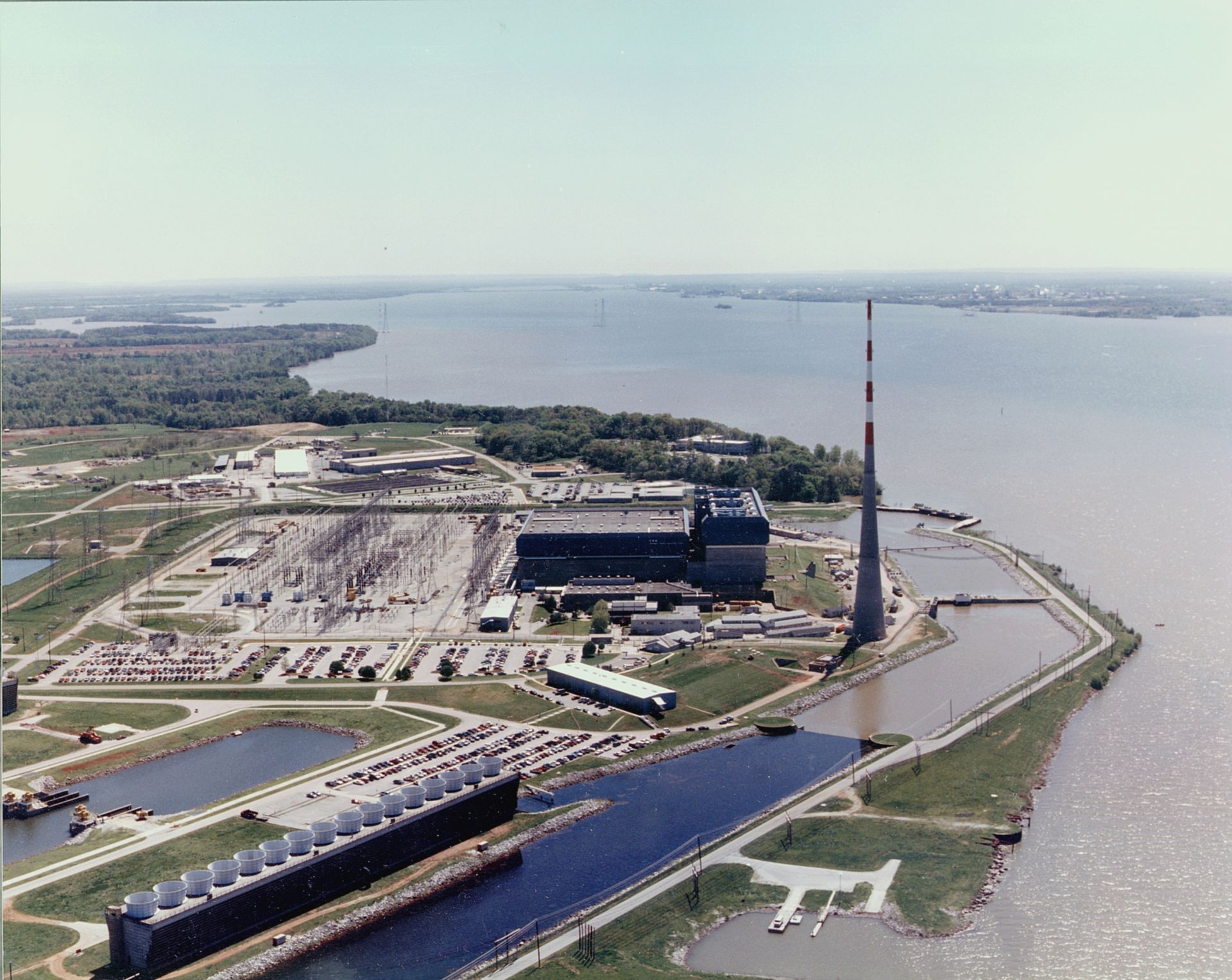
The Browns Ferry nuclear power plant. (Photo: TVA)
The operating licenses for the three boiling water reactors at Browns Ferry nuclear power plant, in Athens, Ala., have each been renewed by the Nuclear Regulatory Commission for an additional 20 years. The reactors, operated by the Tennessee Valley Authority, are now licensed to operate until December 2053 for Unit 1, June 2054 for Unit 2, and July 2056 for Unit 3.
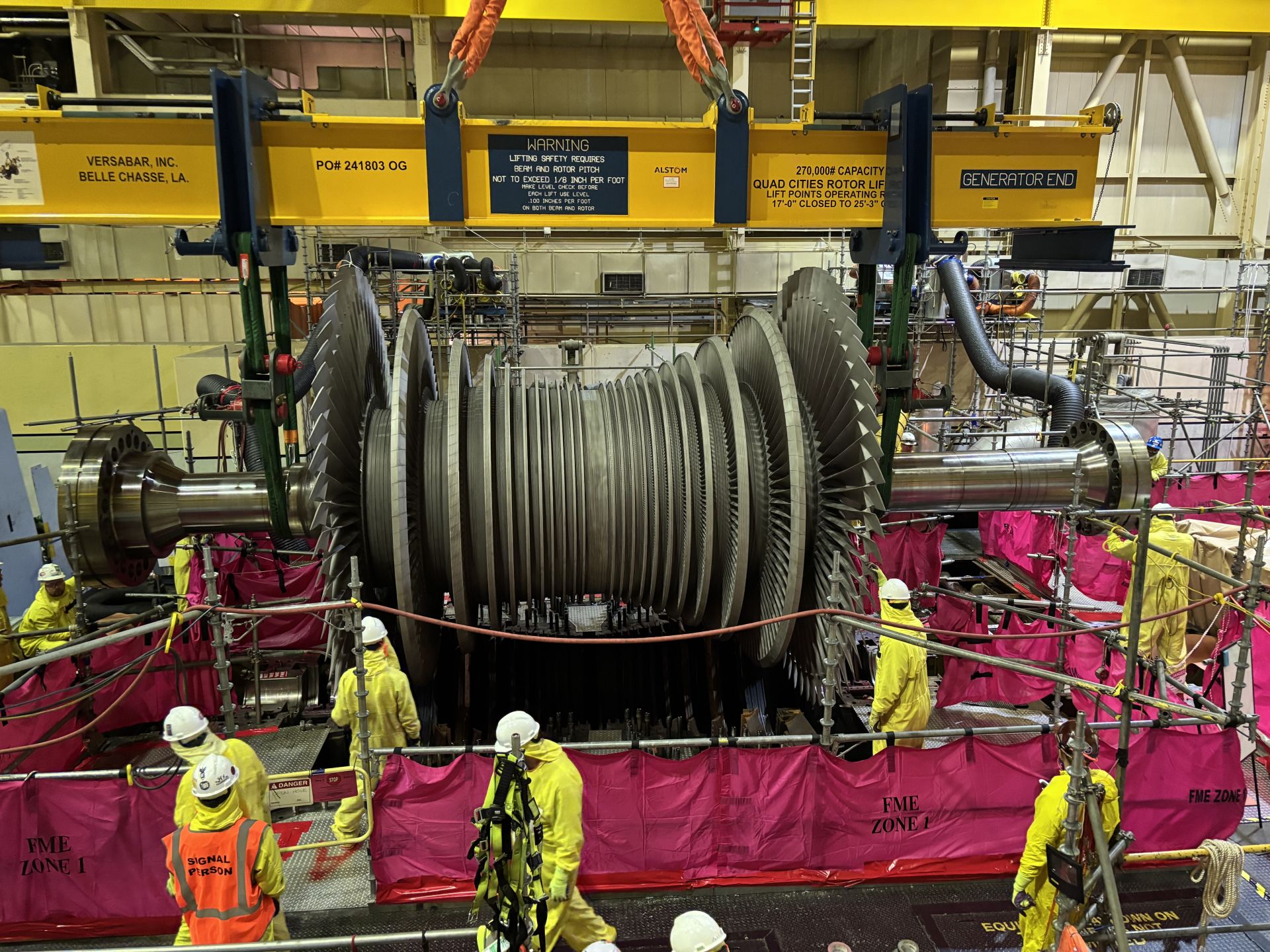
December 12, 2025, 2:59PMNuclear NewsSteve Myers and Bill Campbell A low-pressure turbine inspection in progress at Quad Cities-2 in the spring of 2024. The last-stage blades under inspection are at each end of the turbine rotor. (Photo: Constellation)
When Constellation decided to install replacement Alstom low-pressure turbines at three of its boiling water reactor plants more than 15 years ago, one benefit was knowing the new turbines should operate reliably—and without major inspections—for several years.
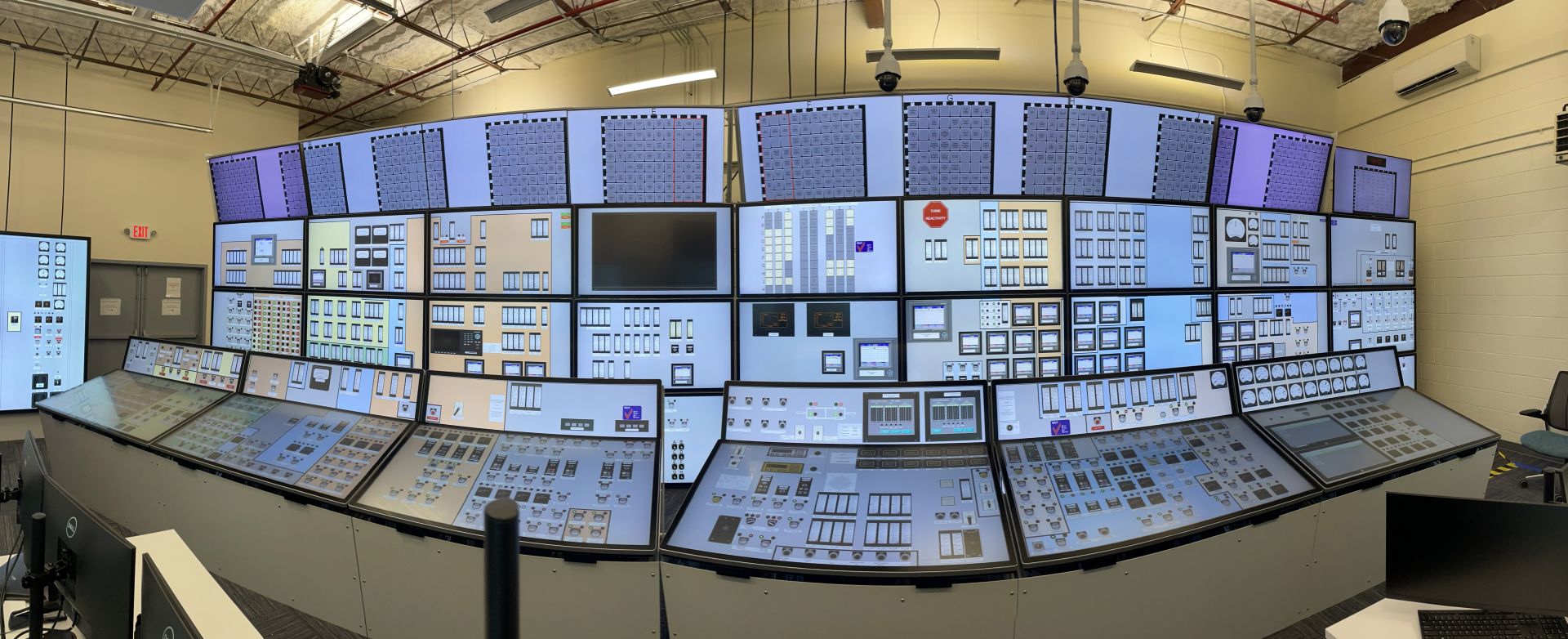
A full-sized glass-top simulator recently installed in Surry’s training building. (Photo: Dominion)
The two reactors at Dominion Energy’s Surry plant are among the oldest in the U.S. nuclear fleet. Yet when the plant celebrated its 50th anniversary in 2023, staff could raise a toast to the future. Surry was one of the first plants to file a subsequent license renewal (SLR) application, and in May 2021, it became official: the plant was licensed to operate for a full 80 years, extending its reactors’ lifespans into 2052 and 2053.
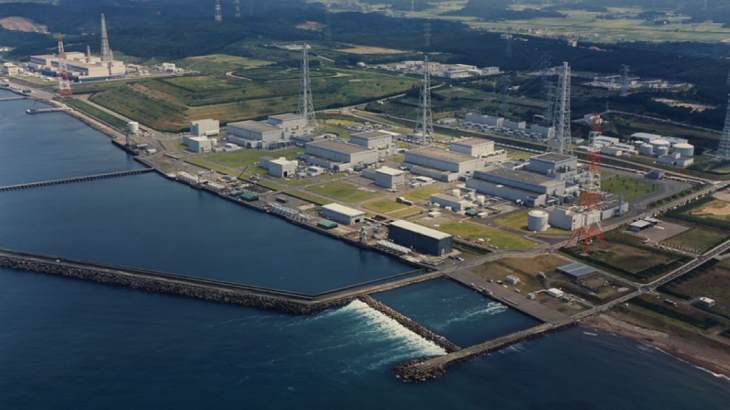
Kashiwazaki-Kariwa nuclear power plant (Credit: Tepco)
Hideyo Hanazumi, governor of Niigata Prefecture in Japan, has approved the restart of two reactors at Kashiwazaki-Kariwa nuclear power plant. The seven-unit facility, operated by Tokyo Electric Power Company, is the largest nuclear power plant in the world. It has been shut down since the March 2011 earthquake and tsunami struck the country, severely damaging TEPCO’s Fukushima Daiichi plant.
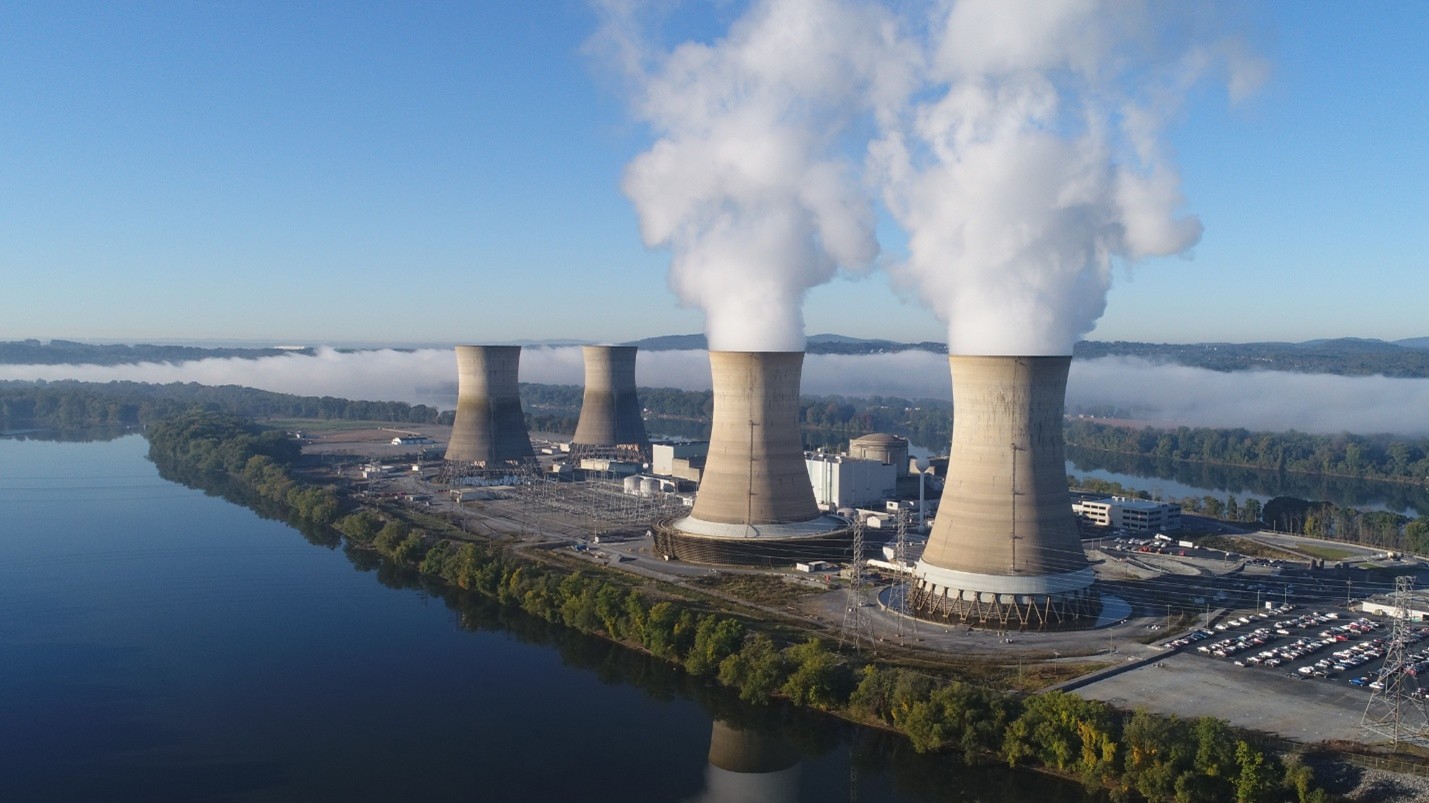
TMI-1 prior to its 2019 shutdown. (Photo: Constellation)
The Department of Energy announced on November 18 that it has closed on a $1 billion loan through its Loan Programs Office to Constellation to aid in financing the restart of the 835-MWe Crane Clean Energy Center, formerly Three Mile Island-1.

-3 2x1.jpg)





_70610.jpg)