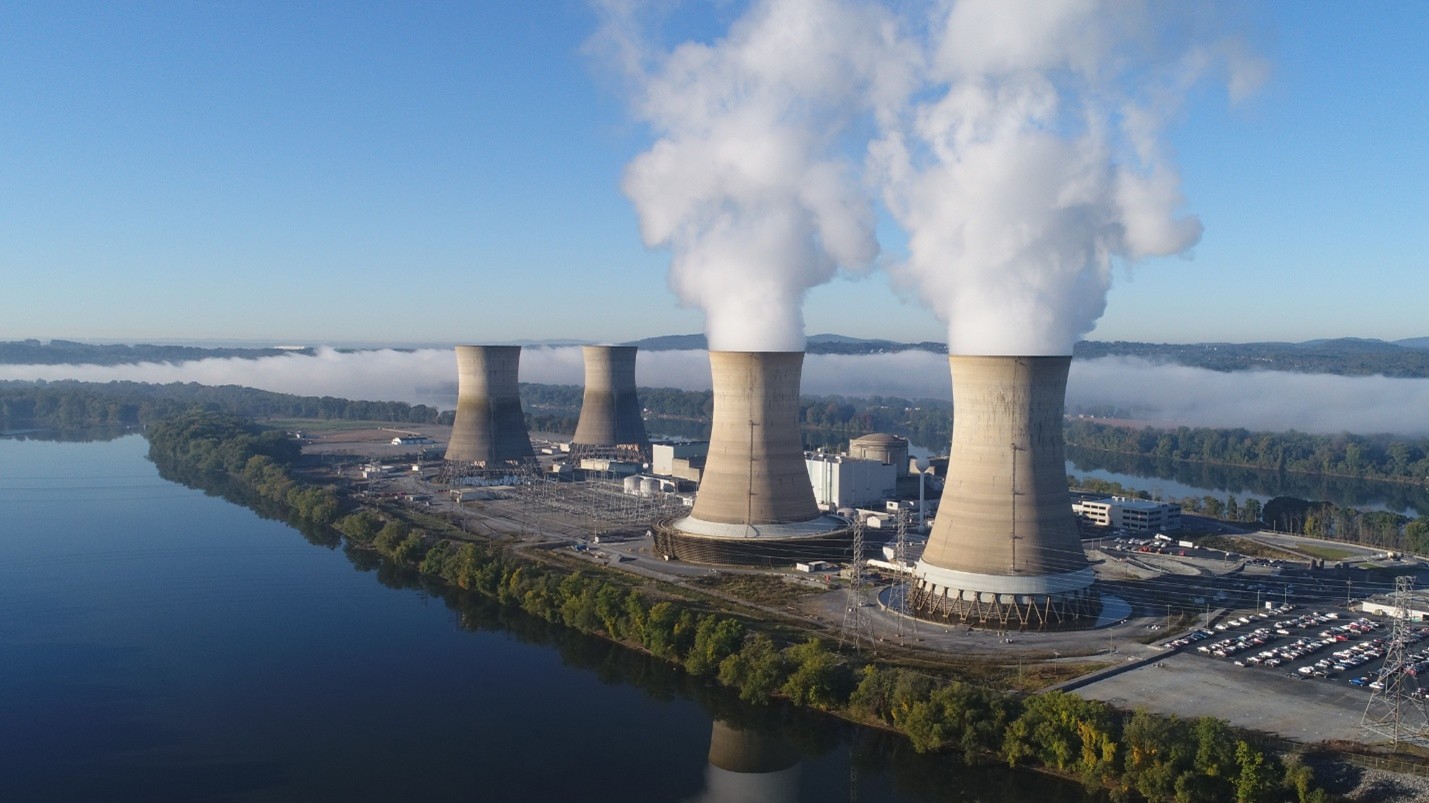
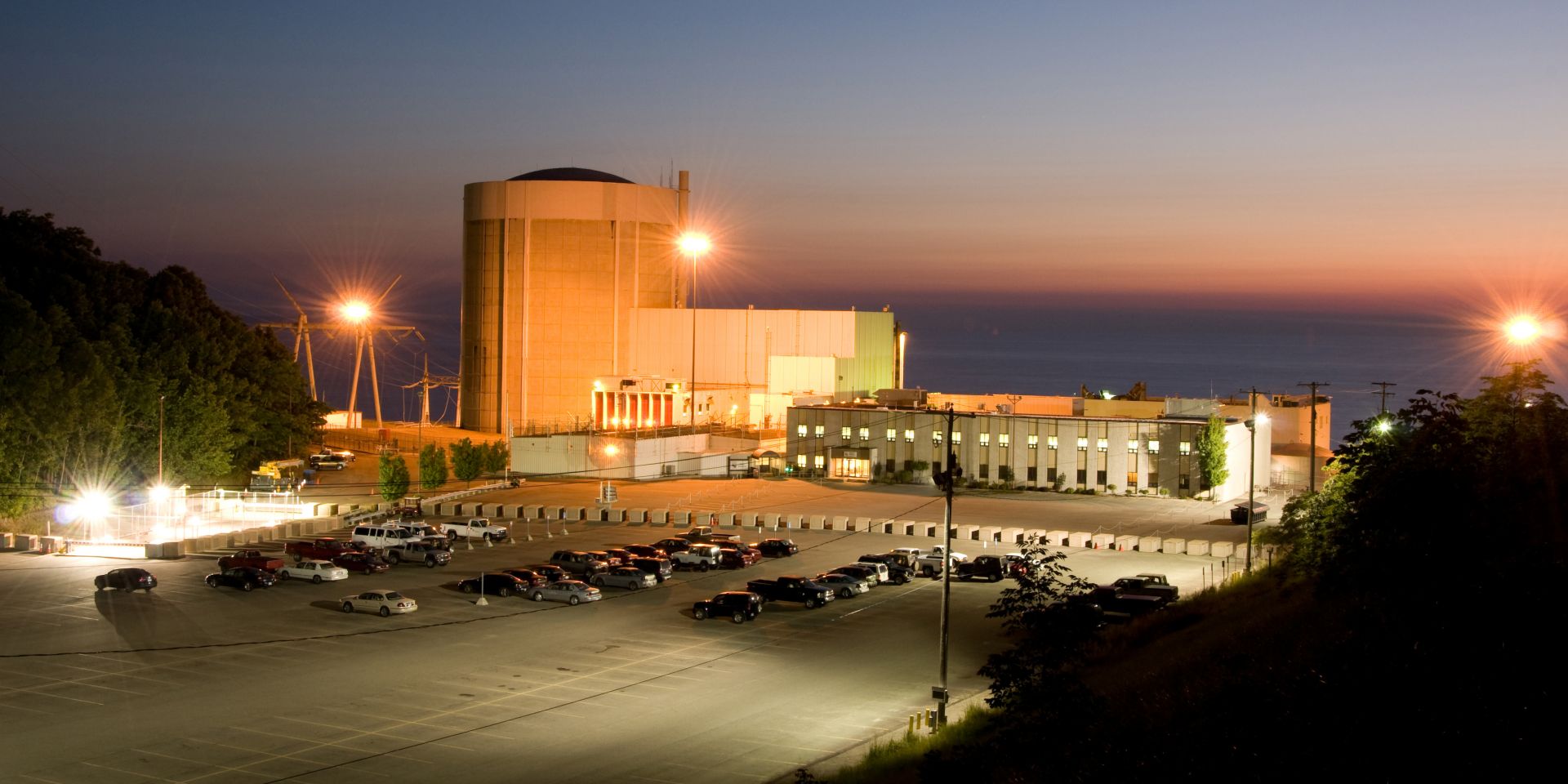
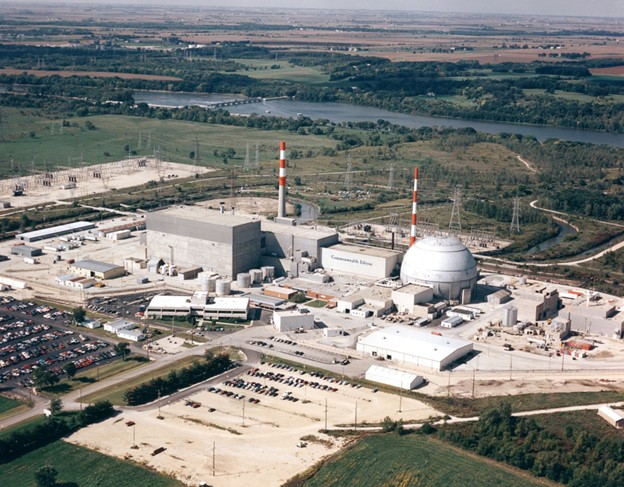
The Dresden nuclear power plant in Grundy County, Illinois. (Photo: Constellation Energy)
Three commercial power reactors across two Illinois nuclear power plants—Constellation’s Clinton and Dresden—have had their licenses renewed for 20 more years by the Nuclear Regulatory Commission.
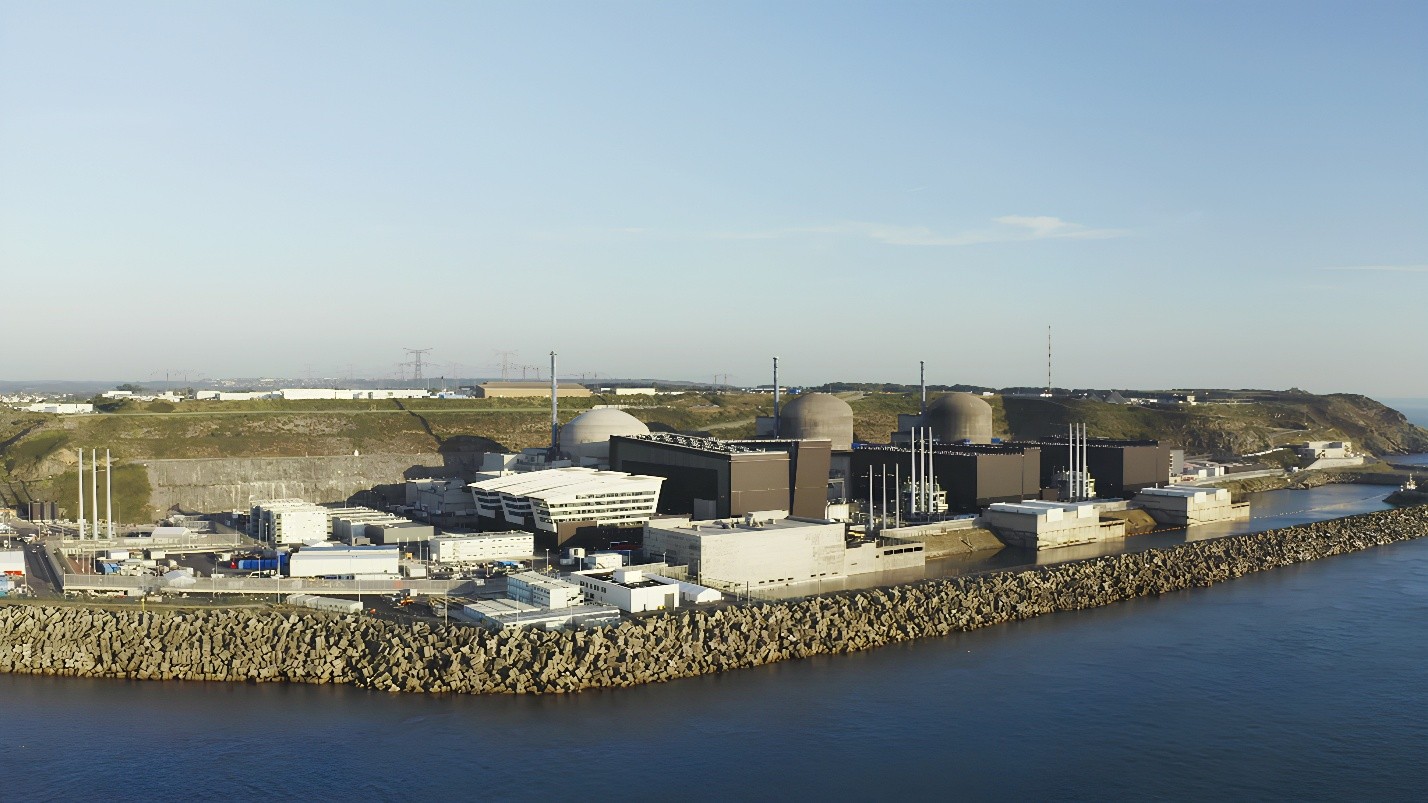
Flamanville-3 (left) in 2023 alongside its predecessor units. (Photo: Wikimedia Commons)
France’s state-owned electric utility EDF has announced that Flamanville-3—the country’s first EPR—reached full nuclear thermal power for the first time, generating 1,669 megawatts of gross electrical power. This major milestone is significant in terms of both this project and France’s broader nuclear sector.
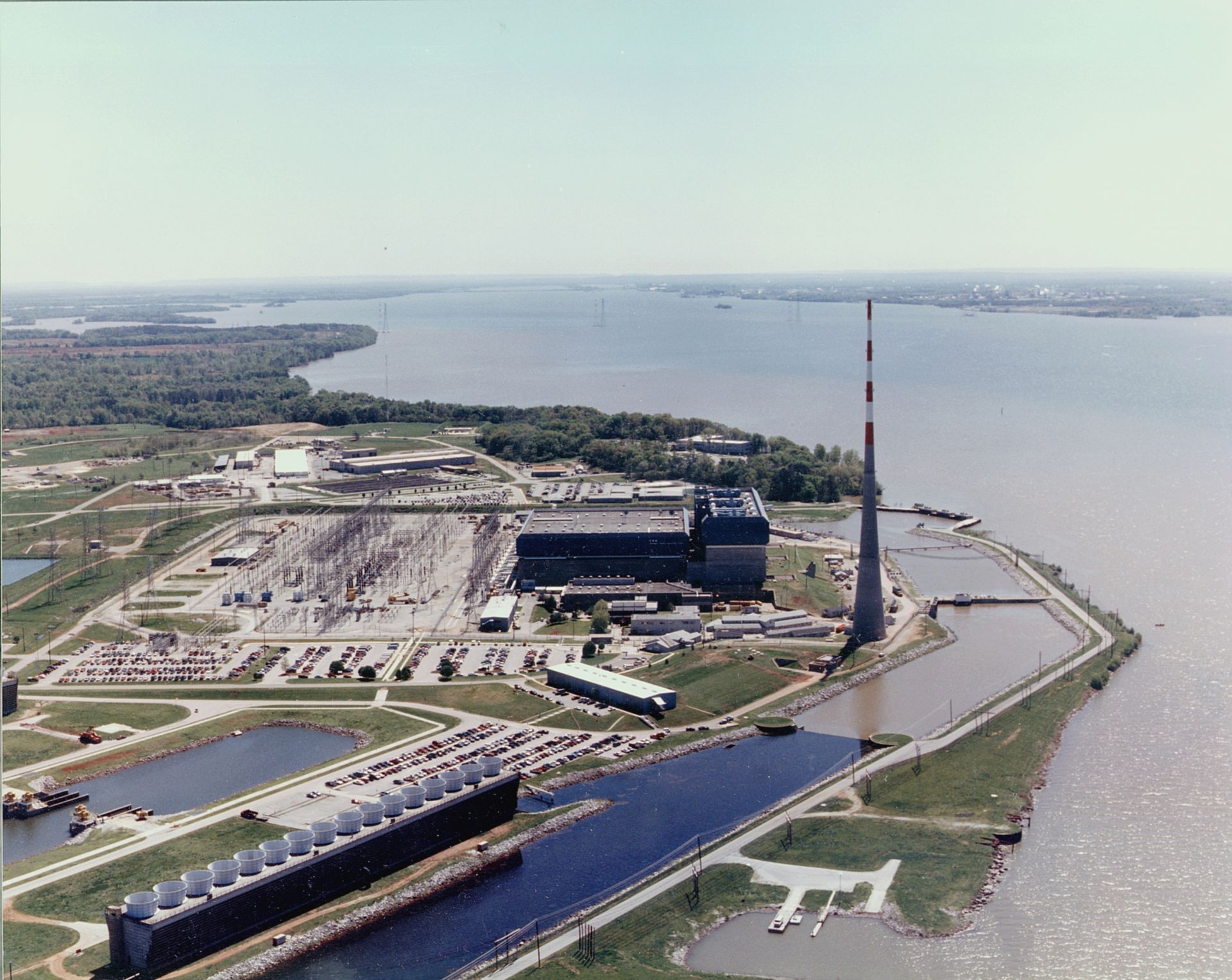
The Browns Ferry nuclear power plant. (Photo: TVA)
The operating licenses for the three boiling water reactors at Browns Ferry nuclear power plant, in Athens, Ala., have each been renewed by the Nuclear Regulatory Commission for an additional 20 years. The reactors, operated by the Tennessee Valley Authority, are now licensed to operate until December 2053 for Unit 1, June 2054 for Unit 2, and July 2056 for Unit 3.
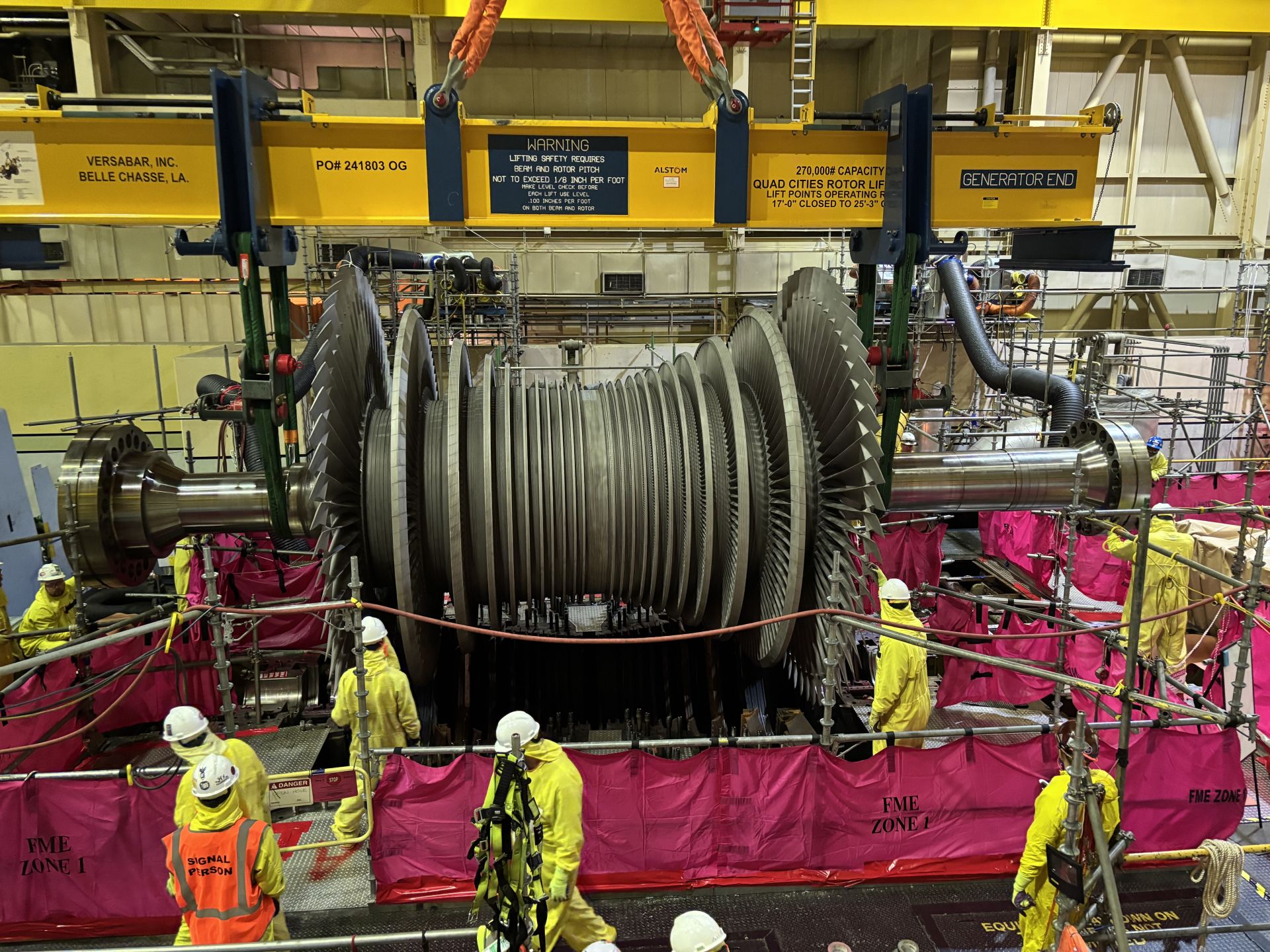
December 12, 2025, 2:59PMNuclear NewsSteve Myers and Bill Campbell A low-pressure turbine inspection in progress at Quad Cities-2 in the spring of 2024. The last-stage blades under inspection are at each end of the turbine rotor. (Photo: Constellation)
When Constellation decided to install replacement Alstom low-pressure turbines at three of its boiling water reactor plants more than 15 years ago, one benefit was knowing the new turbines should operate reliably—and without major inspections—for several years.
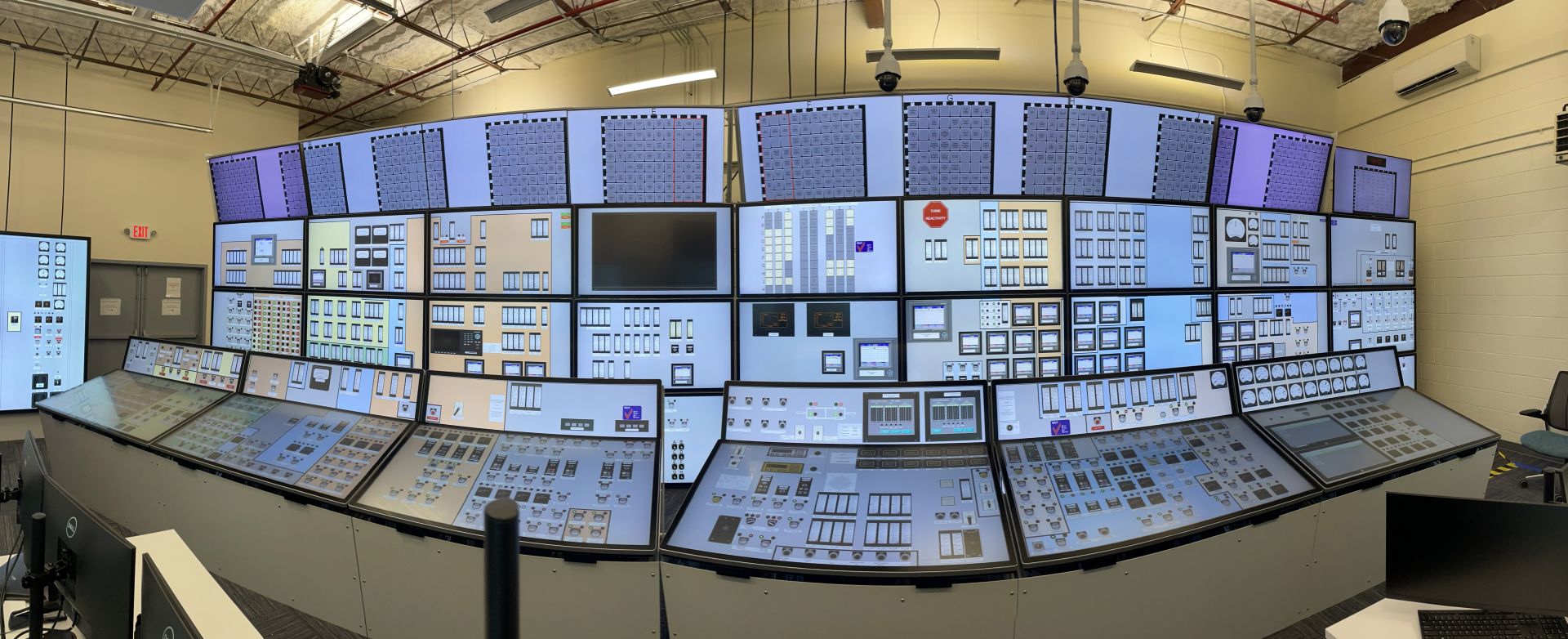
A full-sized glass-top simulator recently installed in Surry’s training building. (Photo: Dominion)
The two reactors at Dominion Energy’s Surry plant are among the oldest in the U.S. nuclear fleet. Yet when the plant celebrated its 50th anniversary in 2023, staff could raise a toast to the future. Surry was one of the first plants to file a subsequent license renewal (SLR) application, and in May 2021, it became official: the plant was licensed to operate for a full 80 years, extending its reactors’ lifespans into 2052 and 2053.
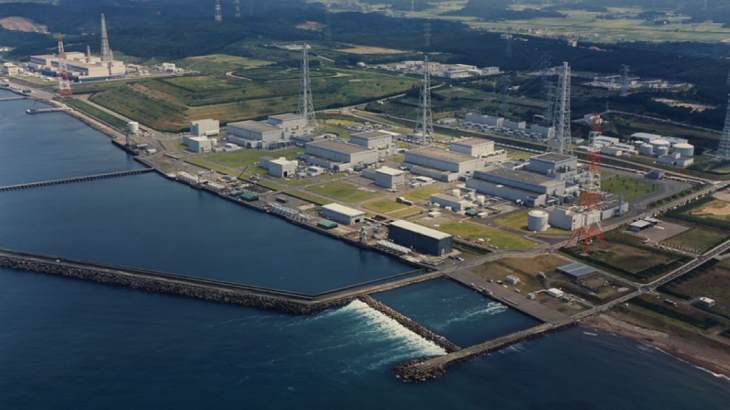
Kashiwazaki-Kariwa nuclear power plant (Credit: Tepco)
Hideyo Hanazumi, governor of Niigata Prefecture in Japan, has approved the restart of two reactors at Kashiwazaki-Kariwa nuclear power plant. The seven-unit facility, operated by Tokyo Electric Power Company, is the largest nuclear power plant in the world. It has been shut down since the March 2011 earthquake and tsunami struck the country, severely damaging TEPCO’s Fukushima Daiichi plant.
TMI-1 prior to its 2019 shutdown. (Photo: Constellation)
The Department of Energy announced on November 18 that it has closed on a $1 billion loan through its Loan Programs Office to Constellation to aid in financing the restart of the 835-MWe Crane Clean Energy Center, formerly Three Mile Island-1.
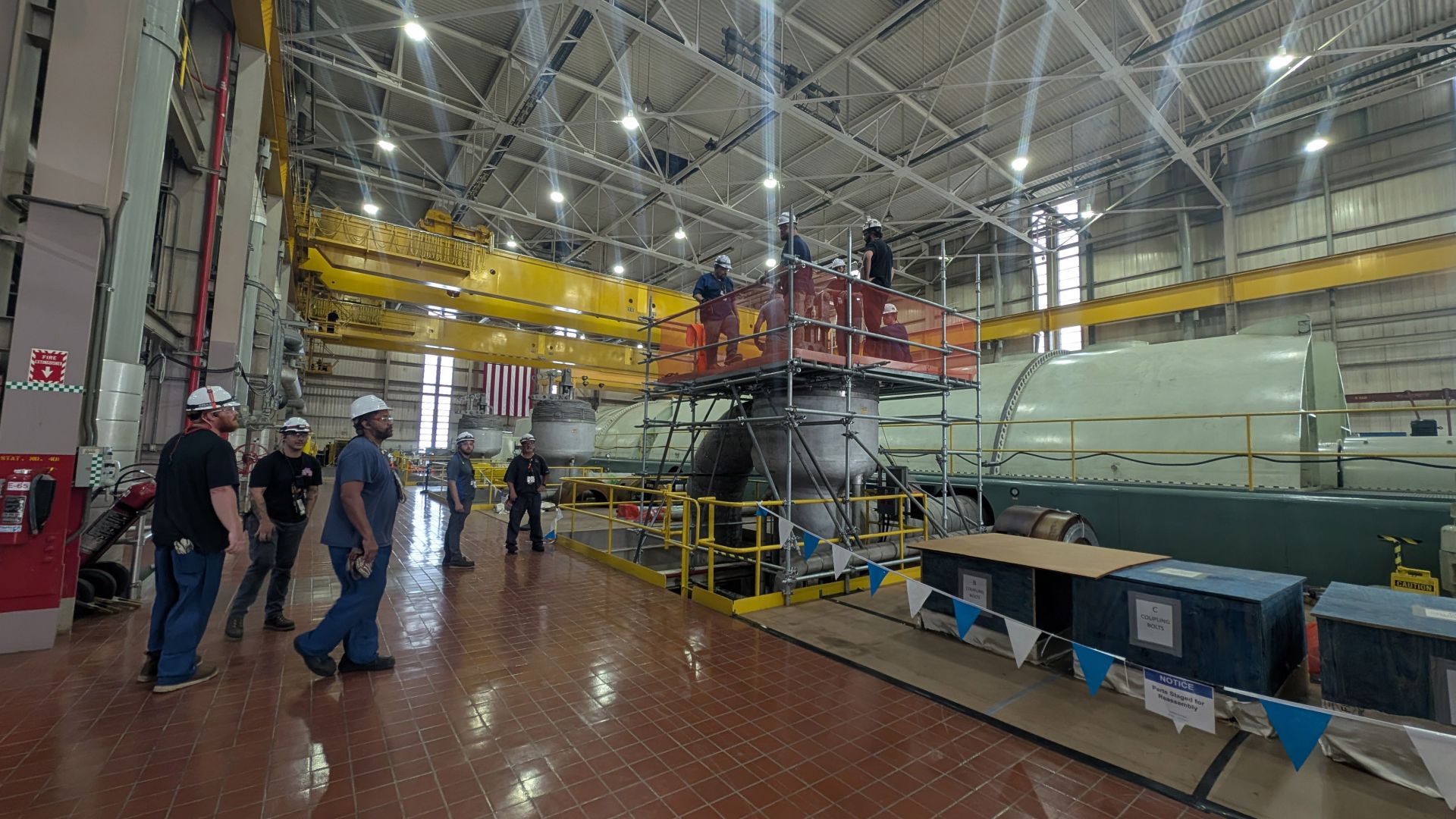
This summer, turbine specialists inspected and restored the Crane Clean Energy Center’s approximately 800-ton main turbine. (Photo: Constellation)
Mike Kramer has a background in finance, not engineering, but a combined 20 years at Exelon and Constellation and a key role in the deals that have Meta and Microsoft buying power from Constellation’s Clinton and Crane sites have made him something of a nuclear expert.
Kramer spoke with Nuclear News staff writer Susan Gallier in late August, just after a visit to Clinton in central Illinois to celebrate a power purchase agreement (PPA) with Meta that closed in June. As Constellation’s vice president for data economy strategy, Kramer was part of the deal-making—not just the celebration.
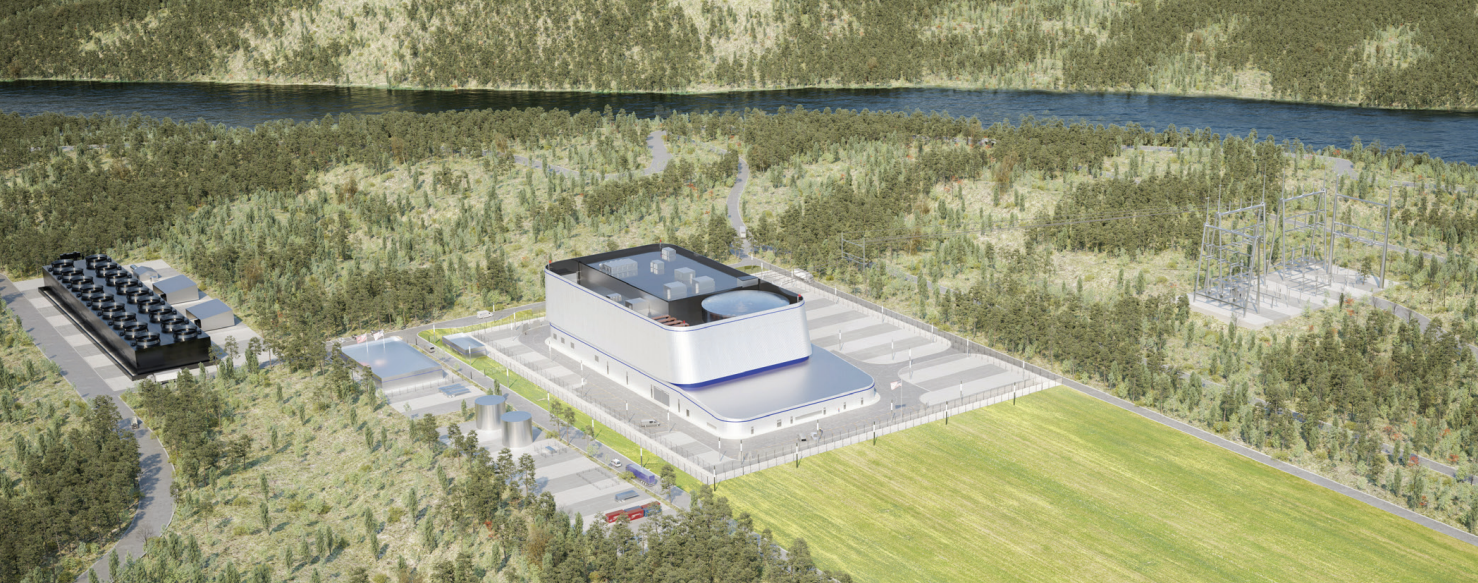
Conceptual art of the Clinch River SMR site. (Image: TVA)
The Nuclear Regulatory Commission and the U.S. Army Corps of Engineers have completed a draft supplemental environmental impact statement for a small modular reactor at the Tennessee Valley Authority’s Clinch River nuclear site in Oak Ridge, Tenn.
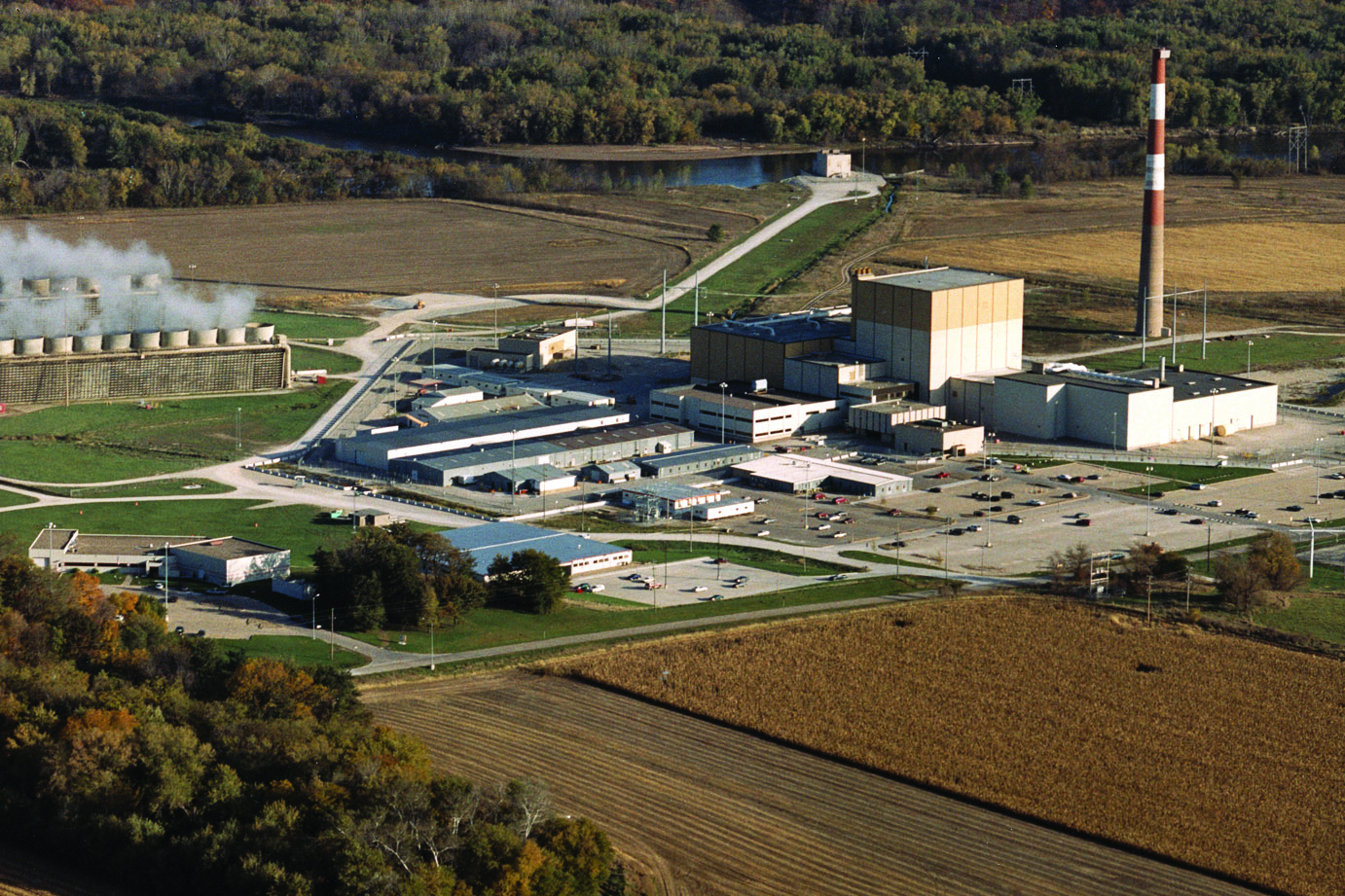
The Duane Arnold nuclear power plant before its shutdown. (Photo: NextEra)
A day anticipated by many across the nuclear community has finally arrived: NextEra Energy has officially announced its plans to restart Iowa’s only nuclear power plant, the Duane Arnold Energy Center.
In historic photo, one of two unfinished Westinghouse AP1000 reactors at the Summer construction site. (Photo: SCE&G)
The board of directors of South Carolina’s state-owned utility Santee Cooper voted today to approve the proposal from Brookfield Asset Management to complete two new AP1000 power reactors at the V.C. Summer site in Jenkinsville, S.C.
The Palisades nuclear power plant. (Photo: Holtec)
Palisades nuclear power plant has received its first fuel shipment, a key step ahead of its highly anticipated restart by the end of the year.
Located in Covert Township, Mich., Palisades will be the first U.S. nuclear facility to restart after being slated for decommissioning. The Crane Clean Energy Center, formerly Three Mile Island-1, is the next decommissioned nuclear reactor to be resurrected, with an expected restart by 2027.
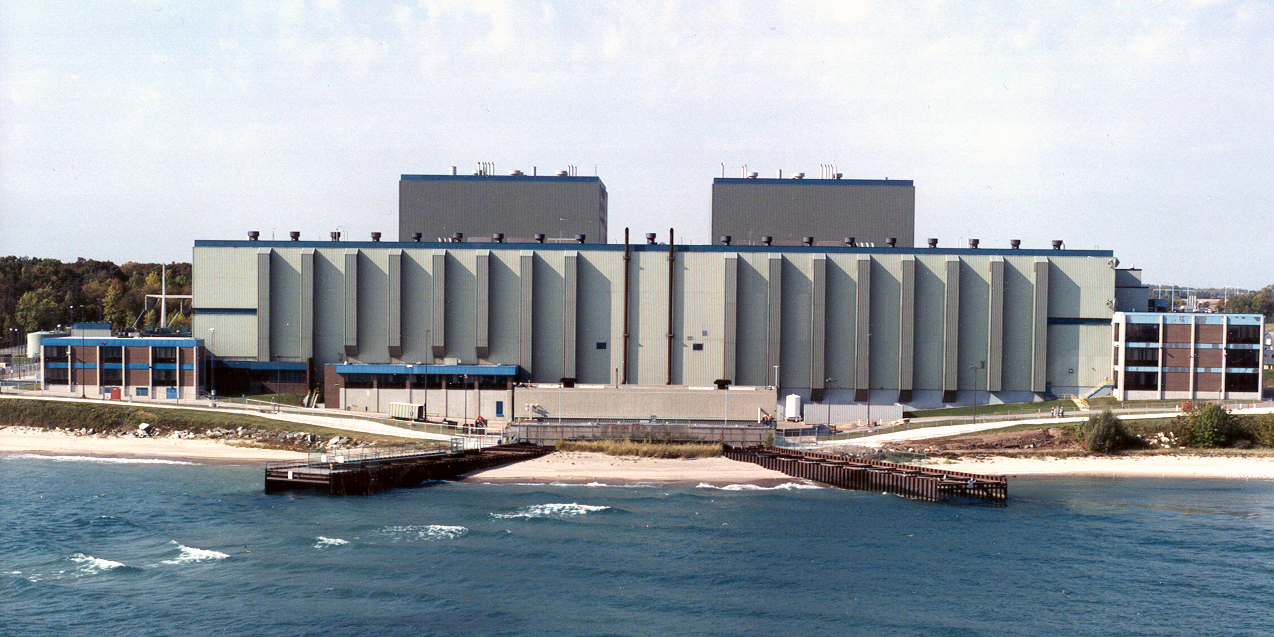
Point Beach nuclear power plant. (Photo: NRC)
The Nuclear Regulatory Commission has renewed the operating licenses of NextEra Energy’s Point Beach Units 1 and 2 for an additional 20 years. The Two Rivers, Wis., plant will now be able to operate into the 2050s.
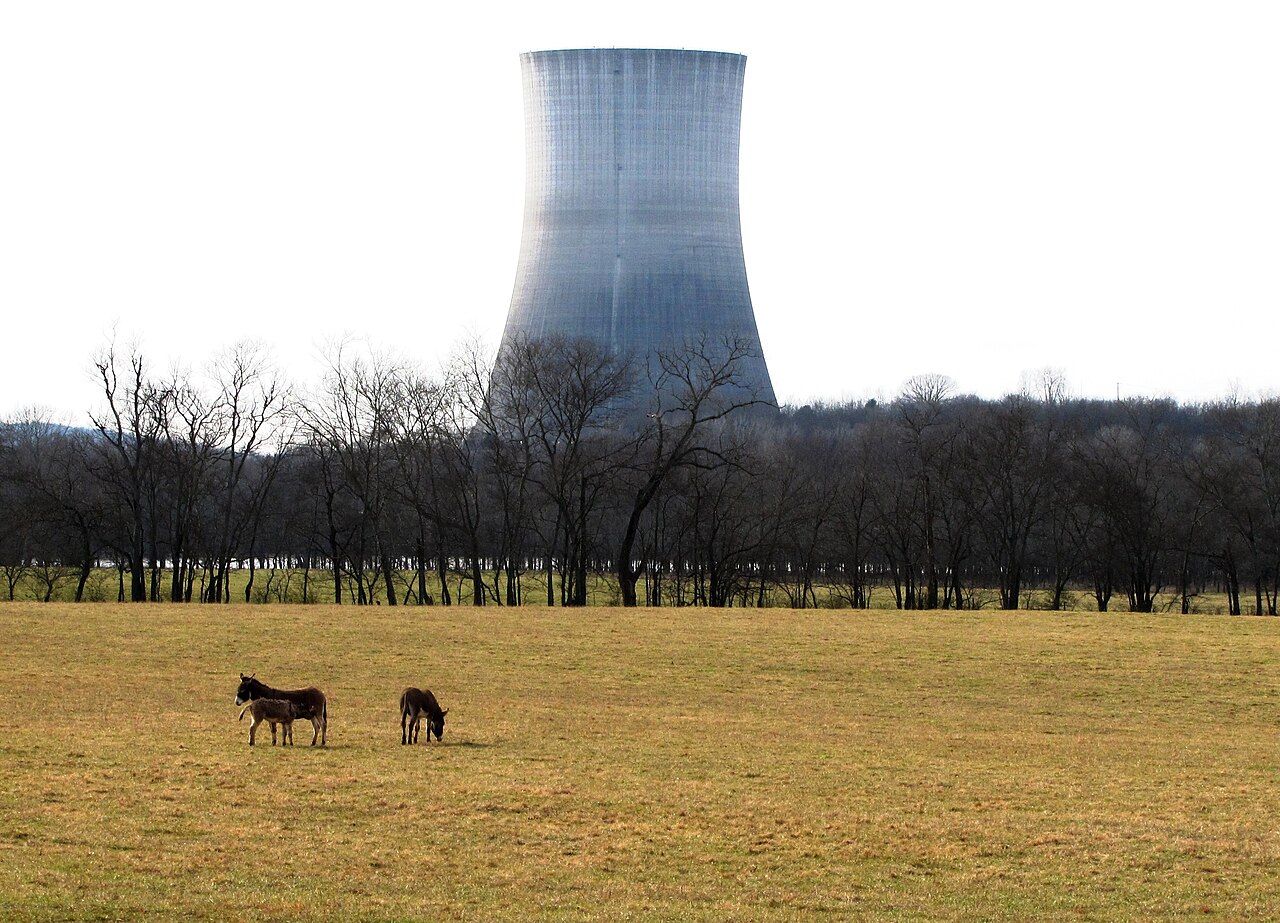
The Hartsville cooling tower. (Photo: Brian Stansberry)
The Tennessee Valley Authority has posted a video of the implosion of a 1970s-era, 540-foot-tall hyperbolic cooling tower at its Hartsville site in Tennessee, which once was to have hosted a nuclear power plant. The tower crashed to the ground at the hands of a demolition crew on September 18 as part of TVA’s actions to get rid of old, obsolete, and unused structures in the Tennessee Valley region and make room for future projects that are expected to add more than 6,200 megawatts of power.
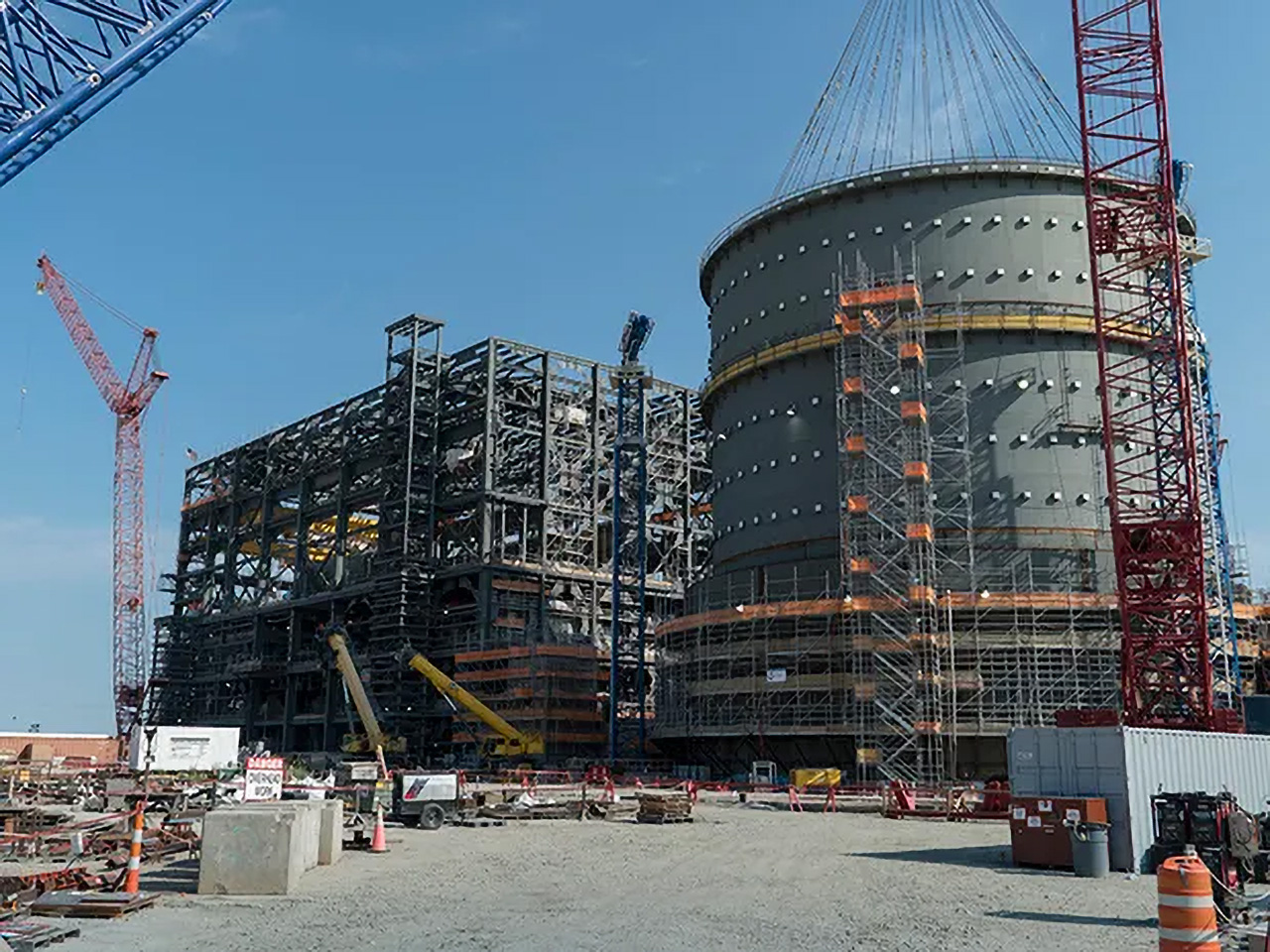
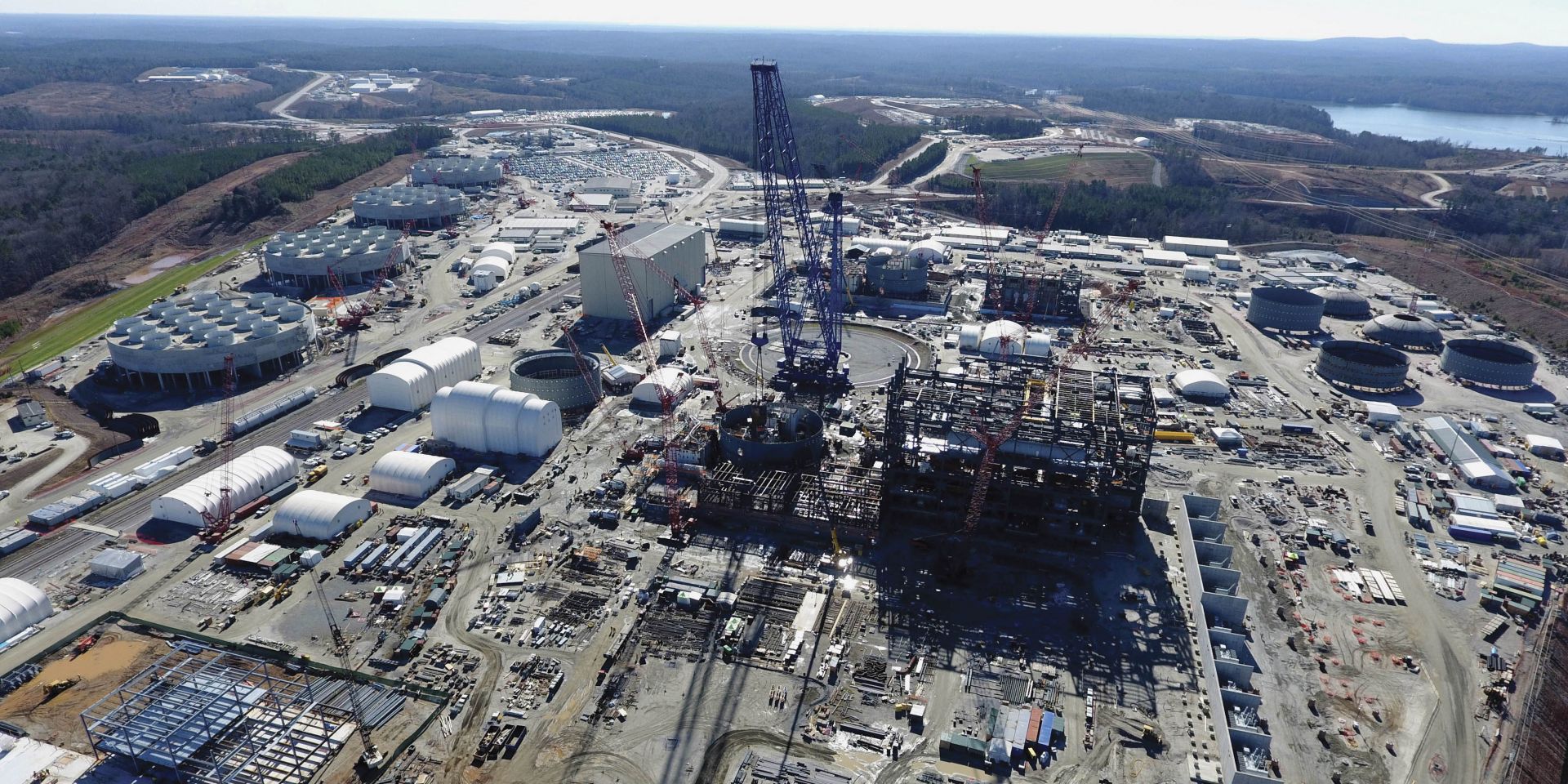
The V.C. Summer Units 2 and 3 construction site. (Photo: Dominion Energy)
Despite the emergence of new projects, technologies, and commercial ventures, the rate of actual deployment worldwide has been relatively slow—but not necessarily for the reasons people might think.


_70610.jpg)