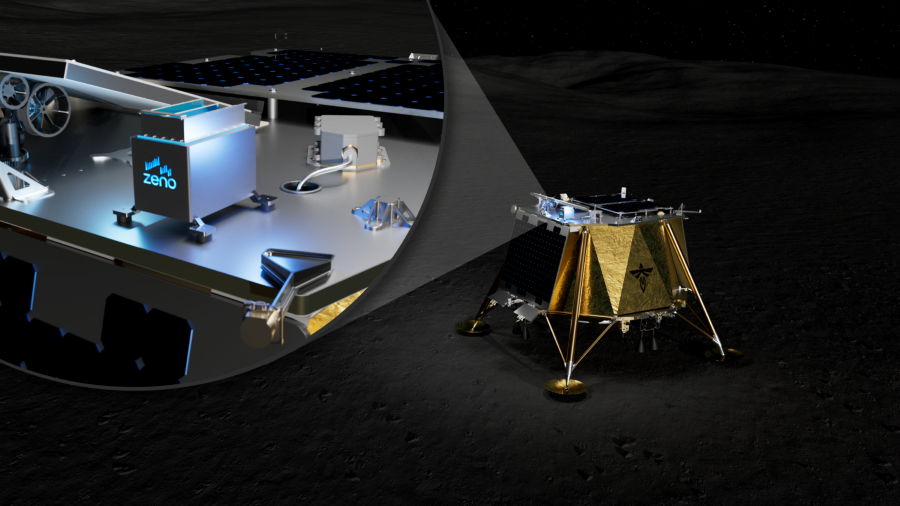
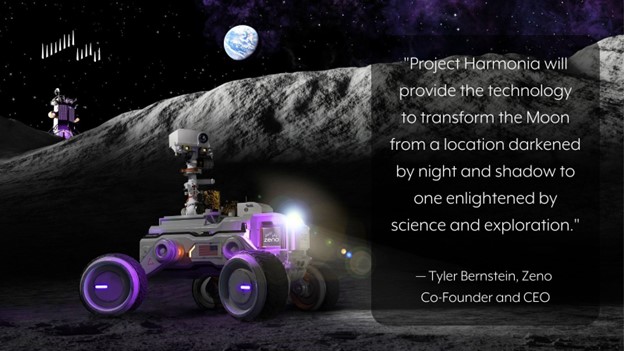
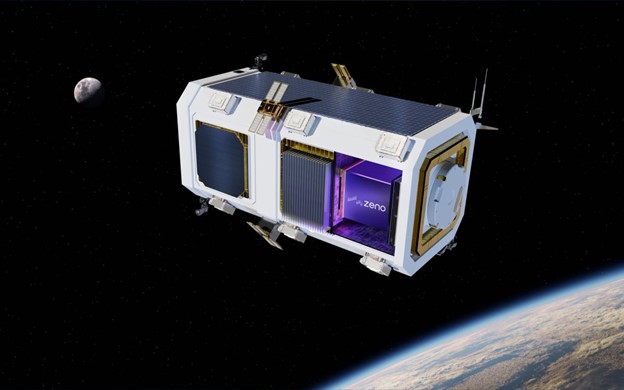
Rendering of Firefly’s Blue Ghost lunar lander with a closeup of Zeno Power’s Survive-the-Night package hosted on the top deck. (Image: Zeno Power/Firefly Aerospace)
As established by a commercial payload agreement, a radioisotope heating unit (RHU) developed by Zeno Power will be onboard one of Firefly Aerospace’s existing Blue Ghost missions to the near side of the moon as part of NASA’s Commercial Lunar Payload Services, the companies announced yesterday.
Zeno, which has already been working on an americium-241–fueled radioisotope power system for Harmonia RPS, will provide a lightweight, compact 5-Wt Am-241 RHU that includes communications, electrical power, command and data handling, and thermal management subsystems.
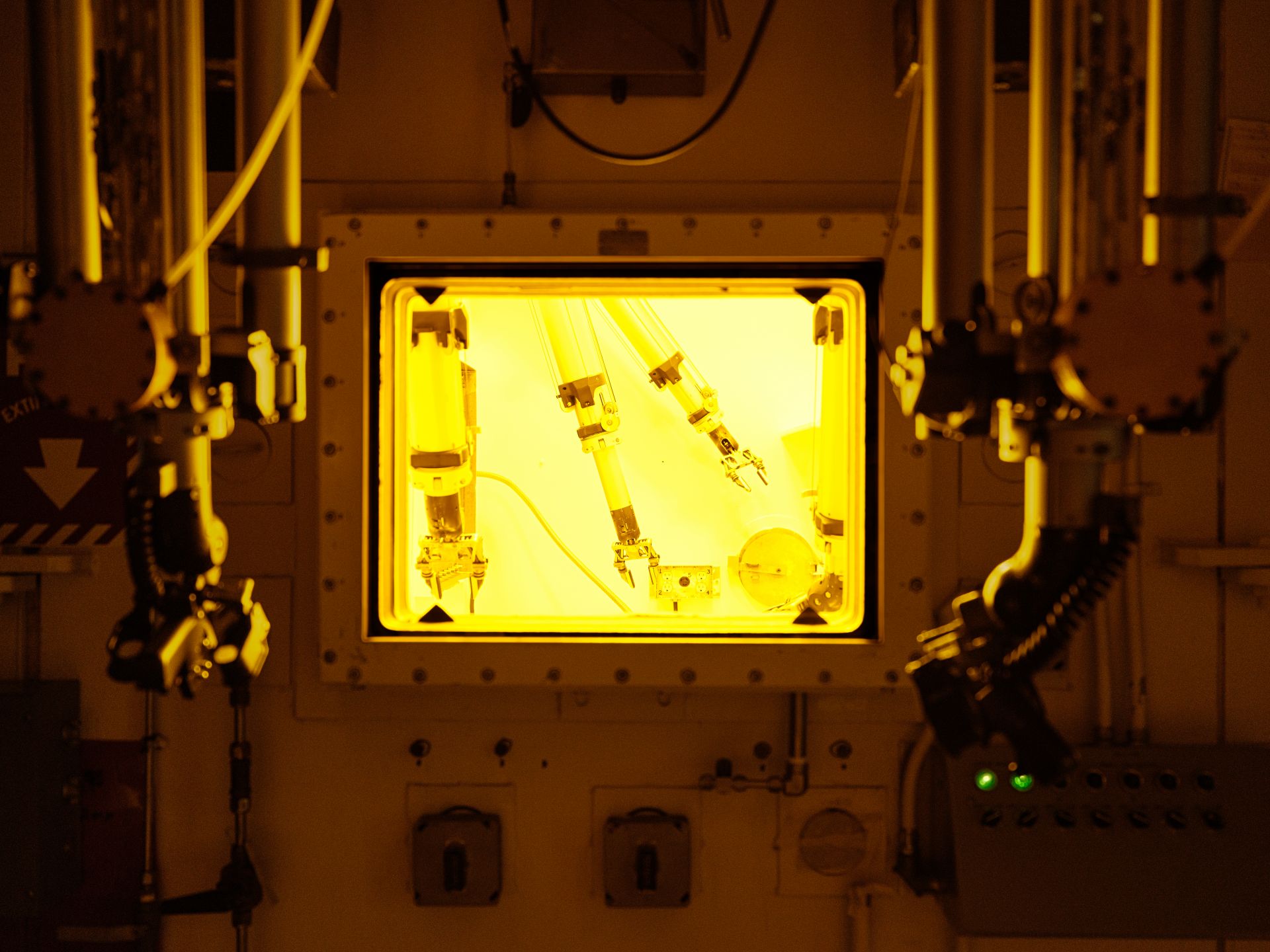
Vallecitos hot cell. (Photo: Zeno Power)
Zeno Power announced today that it is restoring hot cell infrastructure at the Vallecitos Nuclear Center to produce radioisotope power systems (RPSs) for use in extreme environments.
“The facility is initially supporting production of strontium-90–fueled nuclear batter[ies] for undersea applications,” said Tyler Bernstein, Zeno cofounder and CEO. “Zeno is also scoping options as it seeks to rapidly scale production of nuclear batteries for space domains.”
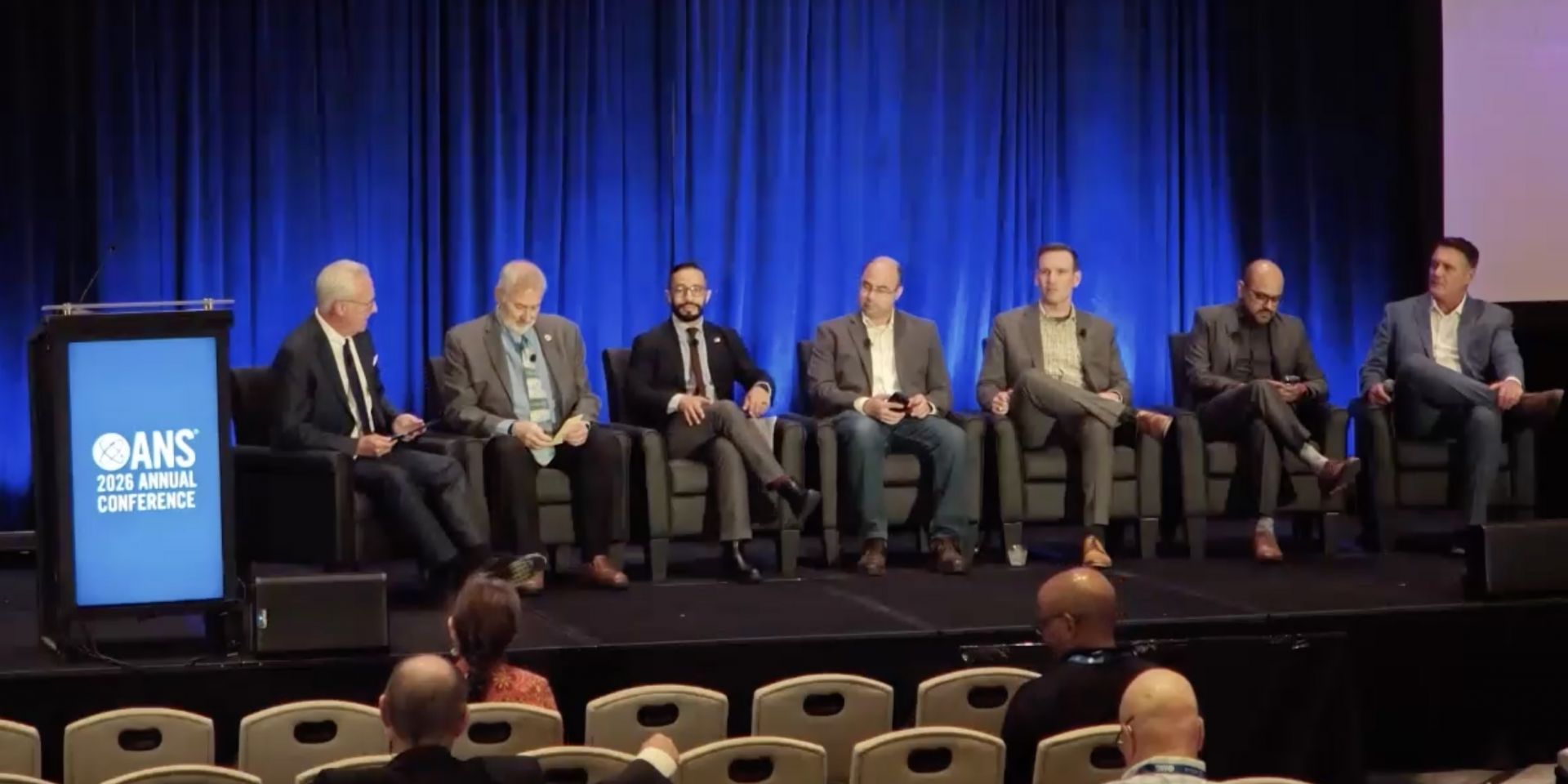
Speaking at the ANS Annual Conference executive session on “How Nuclear Technologies will Shape the Future Energy Economy” were (from left) Craig Piercy, Stephen Carmel, Rian Bahran, Ross Radel, Greg Schulze, Harsh Desai, and Kirt Marlow.
The applications of nuclear energy extend beyond providing power to the electrical grid. Advanced nuclear technologies may soon have new applications in oil and gas facilities, in hospitals and clinics, on the open seas, and on the moon.
A June 1 executive session, “How Nuclear Technologies will Shape the Future Energy Economy,” at the American Nuclear Society’s Annual Conference allowed experts have an open discussion on the future of nuclear advancements in multiple sectors.
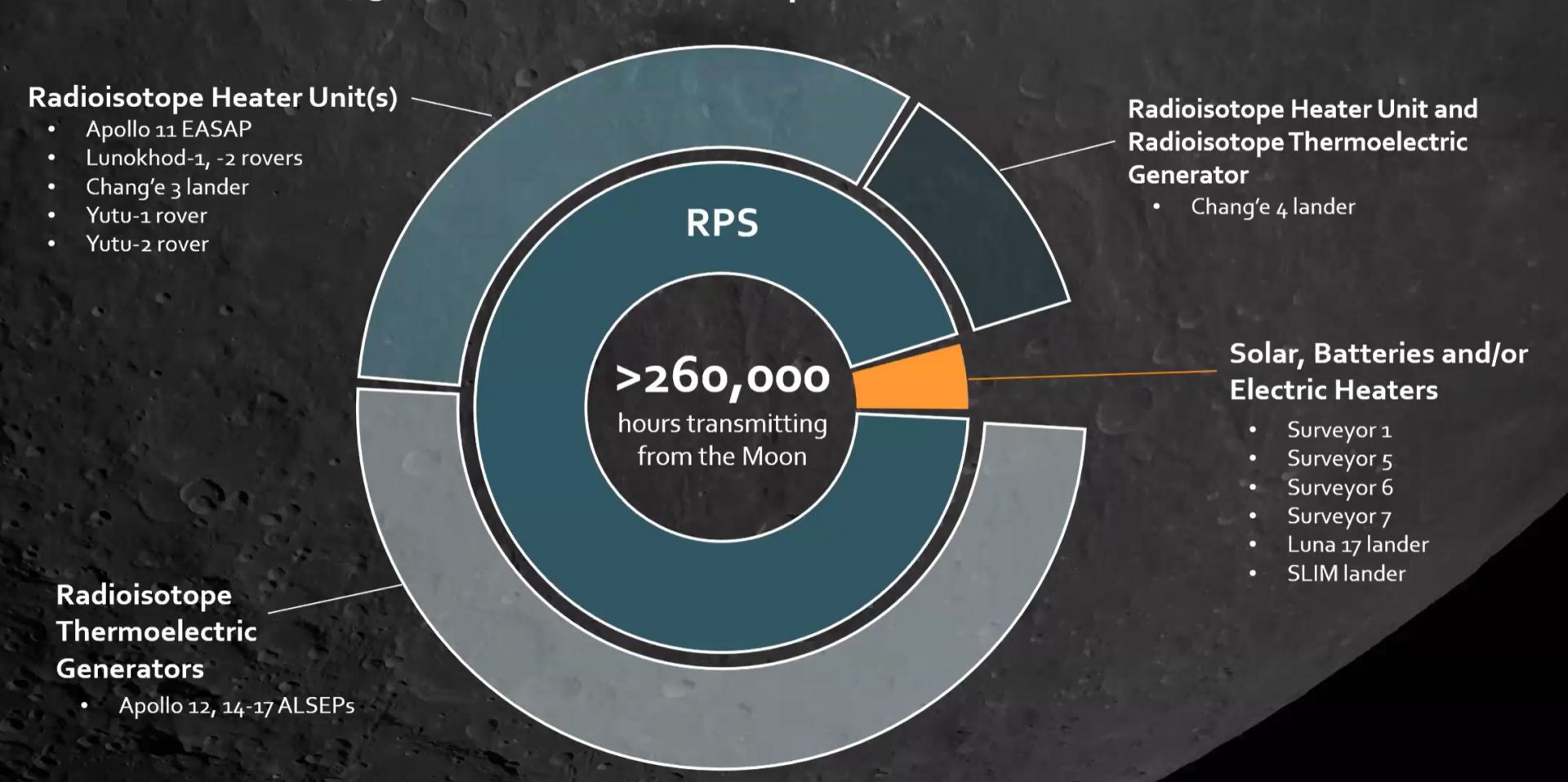
Radioisotope power systems have enabled more than 90 percent of all non-human operational time on the lunar surface. (Source: Zeno Power)
The American Nuclear Society recently hosted a new webinar in its ongoing Educator Training series titled, “Powering the Lunar Frontier: Nuclear Energy for the Artemis Era.” This webinar featured a presentation from Harsh Desai, chief commercialization officer at Zeno Power and chair of the Nuclear Energy Institute’s Space Nuclear Taskforce.
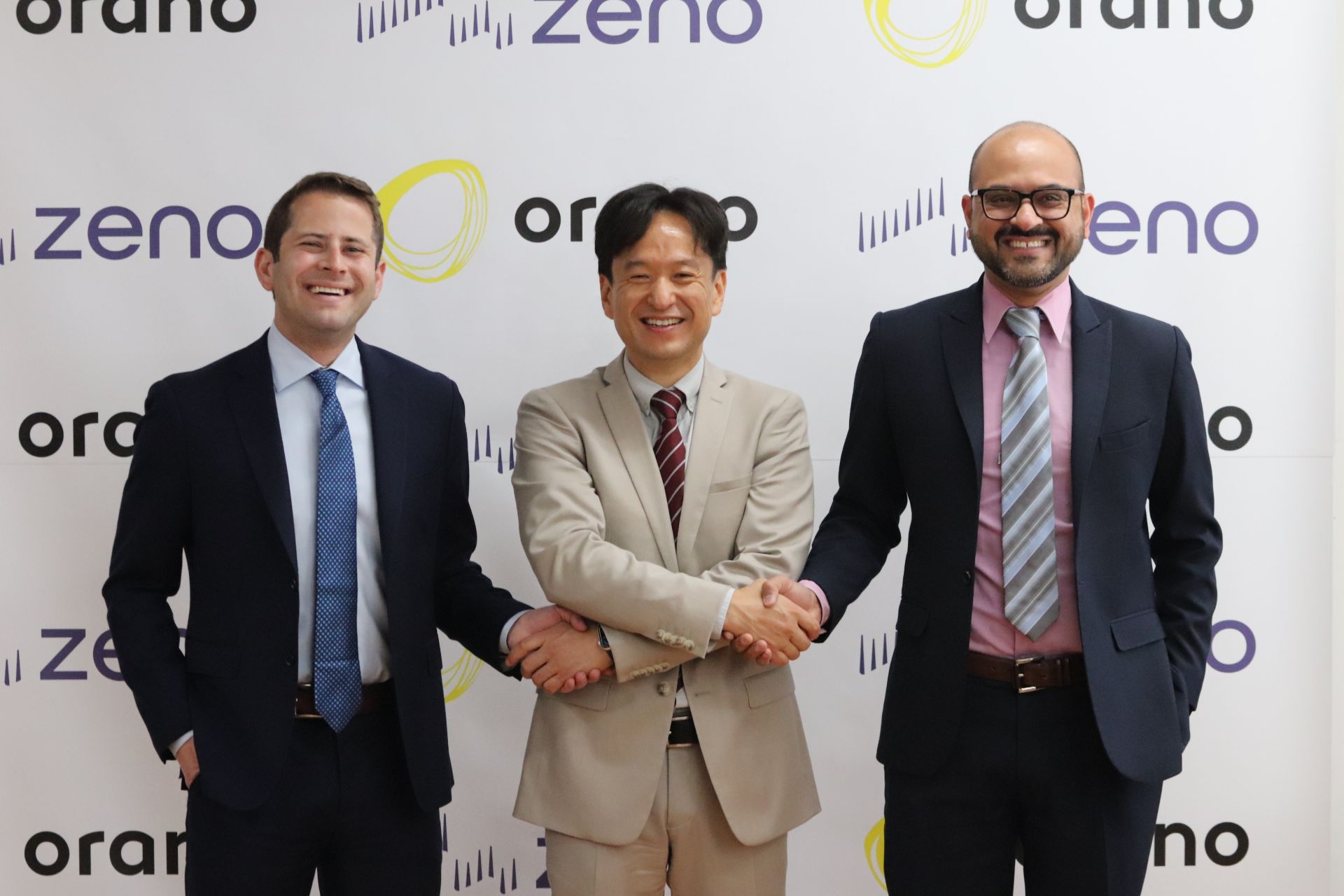
Orano USA CEO Jean-Luc Palayer (middle) shakes hands with Zeno Power’s cofounder and CEO Tyler Bernstein (left) and Chief Commercialization Officer Harsh Desai. (Photo: Orano USA)
Zeno Power, a developer of nuclear batteries, is to receive americium-241 recovered from Orano’s La Hague nuclear fuel recycling site in Normandy, France, under a strategic agreement announced by the companies on September 24.
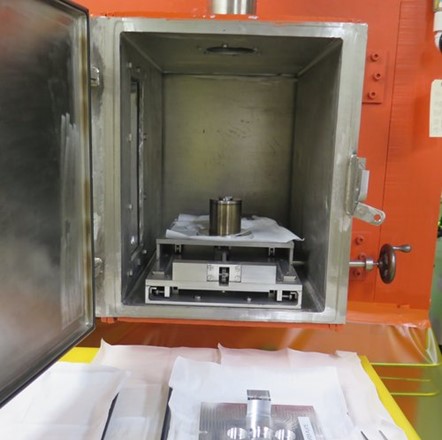
Fabricated Z1 heat source in transfer port. (Photo: Zeno Power)
Zeno Power, a developer of commercial radioisotope power systems (RPSs), announced on October 26 that it has completed the design, fabrication, and testing of its Z1 strontium-90 heat source. According to Zeno, they have tested the first commercially developed radioisotope heat source and reached a key milestone for Zeno to begin delivering RPSs to customers in 2025.
Concept art showing Project Harmonia’s RSG for lunar surface missions. (Image: Zeno Power)
NASA has selected 11 companies, including Zeno Power, to develop technologies that could support long-term exploration on the moon and in space. The technologies range from lunar surface power systems to tools for in-space 3D printing, which will expand industry capabilities for a sustained human presence on the moon through the Artemis program, as well as other NASA, government, and commercial missions.
Rendering of a radioisotope-powered satellite. (Image: Zeno Power Systems)
Zeno Power Systems was awarded a $30 million contract to build a radioisotope-powered satellite for the U.S. Air Force by 2025. According to a SpaceNews article announcing the development and quoting company cofounder and chief executive officer Tyler Bernstein, the four-year contract is a “strategic funding increase” (STRATFI) agreement that provides $15 million in government funds, matched by $15 million from private investors.