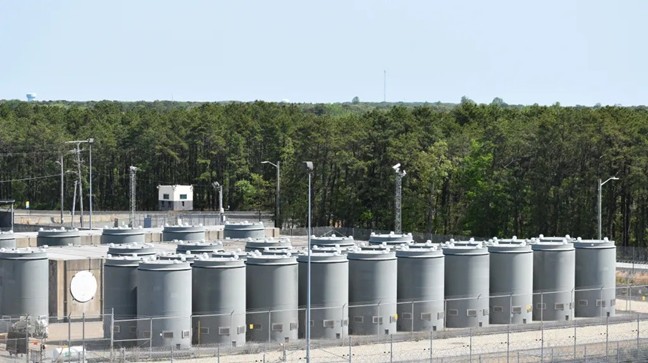
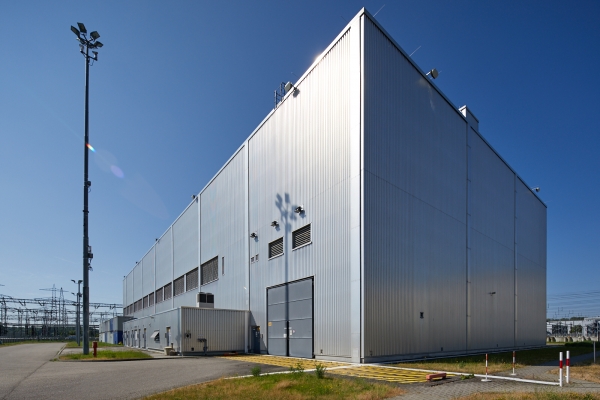
The Oyster Creek ISFSI. (Photo: Holtec International)
The Tax Court of New Jersey has ruled that Oyster Creek’s spent nuclear fuel storage casks are subject to taxation as real property.
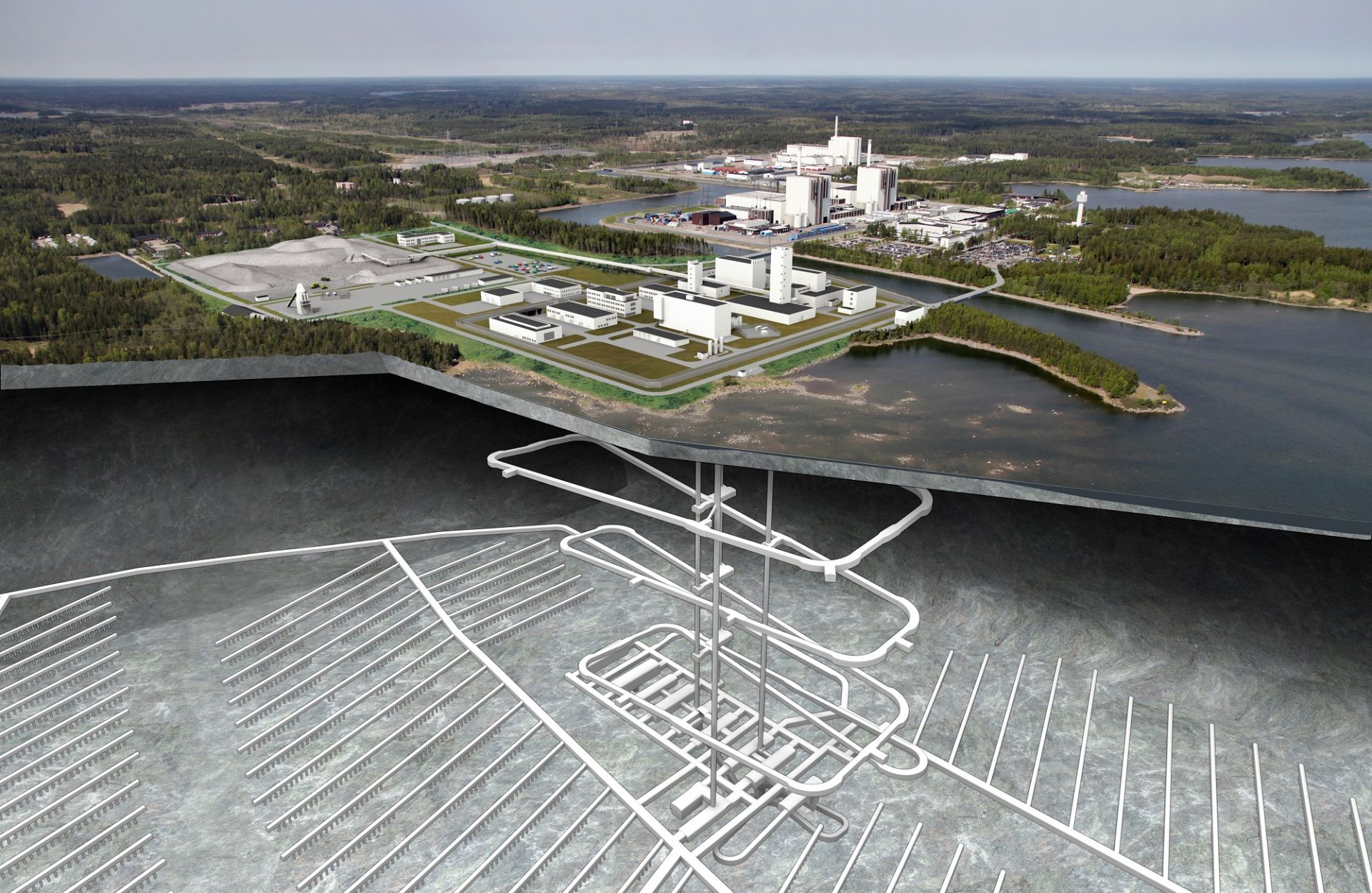
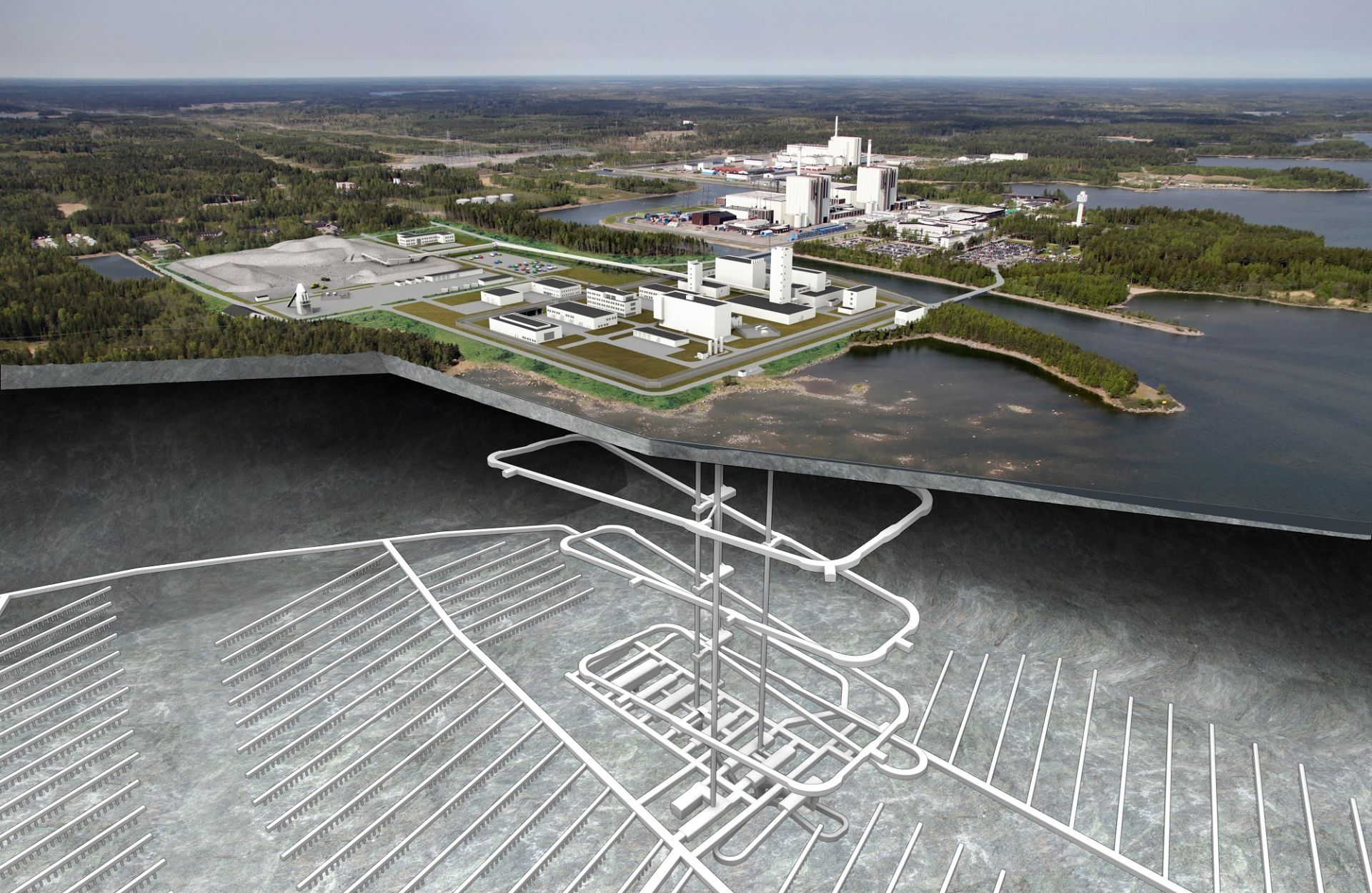
Concept art of the Forsmark geologic repository for spent nuclear fuel in Sweden. (Image: SKB)
The Swedish Nuclear Fuel and Waste Management Company (Svensk Kärnbränslehantering AB, or SKB) broke ground on its spent nuclear fuel repository near the Forsmark nuclear power plant on January 15. SKB, which is owned by Sweden’s nuclear power plants, expects the final repository will be ready for disposal in the 2030s, and will be fully extended in the 2080s.
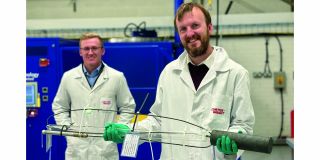
DeepGeo’s Laura Salonga and Copenhagen Atomics’ Thomas Jam Pedersen at the signing of a collaboration agreement in New York. (Photo: DeepGeo)
DeepGeo, a Rhode Island–based company seeking to develop multinational spent nuclear fuel repositories, and Denmark-based thorium reactor developer Copenhagen Atomics have signed a collaboration agreement that will see the companies work together on the management of nuclear fuels and waste streams associated with a thorium breeder reactor.
The Philippsburg interim storage facility in Germany. (Photo: BGZ)
Orano completed the 13th and final rail shipment of vitrified high-level nuclear waste from France to Germany. The company announced that the four casks of vitrified HLW arrived at Germany’s intermediate storage facility at Philippsburg in the early evening of November 20.
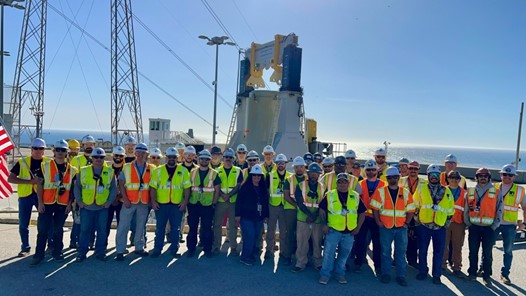
The Diablo Canyon ISFSI cask loading team from Holtec, PG&E, and Diablo Canyon. (Photo: Holtec)
Holtec International announced that it has completed the campaign to transfer Diablo Canyon’s spent nuclear to dry storage ahead of its planned schedule, paving the way for the continued operation of the central California nuclear power plant.
Rendering of the Forsmark geologic repository for spent nuclear fuel in Sweden. (Image: SKB)
Sweden’s Land and Environmental Court has granted the Swedish Nuclear Fuel and Waste Management Company (Svensk Kärnbränslehantering AB, or SKB) an environmental permit to build and operate a geologic repository for the country’s spent nuclear fuel near the Forsmark nuclear power plant, about 86 miles north of Stockholm. The permit also includes the building of a spent fuel encapsulation plant at the central interim storage facility for spent nuclear fuel at Oskarshamn, about 200 miles south of Stockholm.
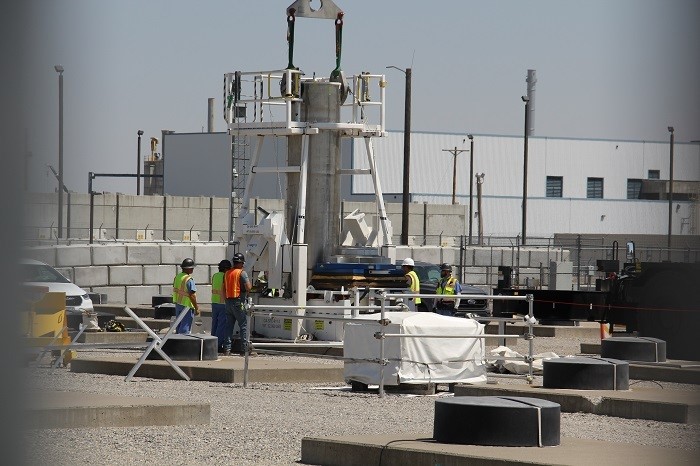
Work crews at the INL Site prepare to move Peach Bottom fuel from a transfer cask to a storage vault. (Photo: DOE)
Crews at the Department of Energy’s Idaho National Laboratory Site recently completed work to transfer baskets of spent nuclear fuel ahead of a September 30 deadline.
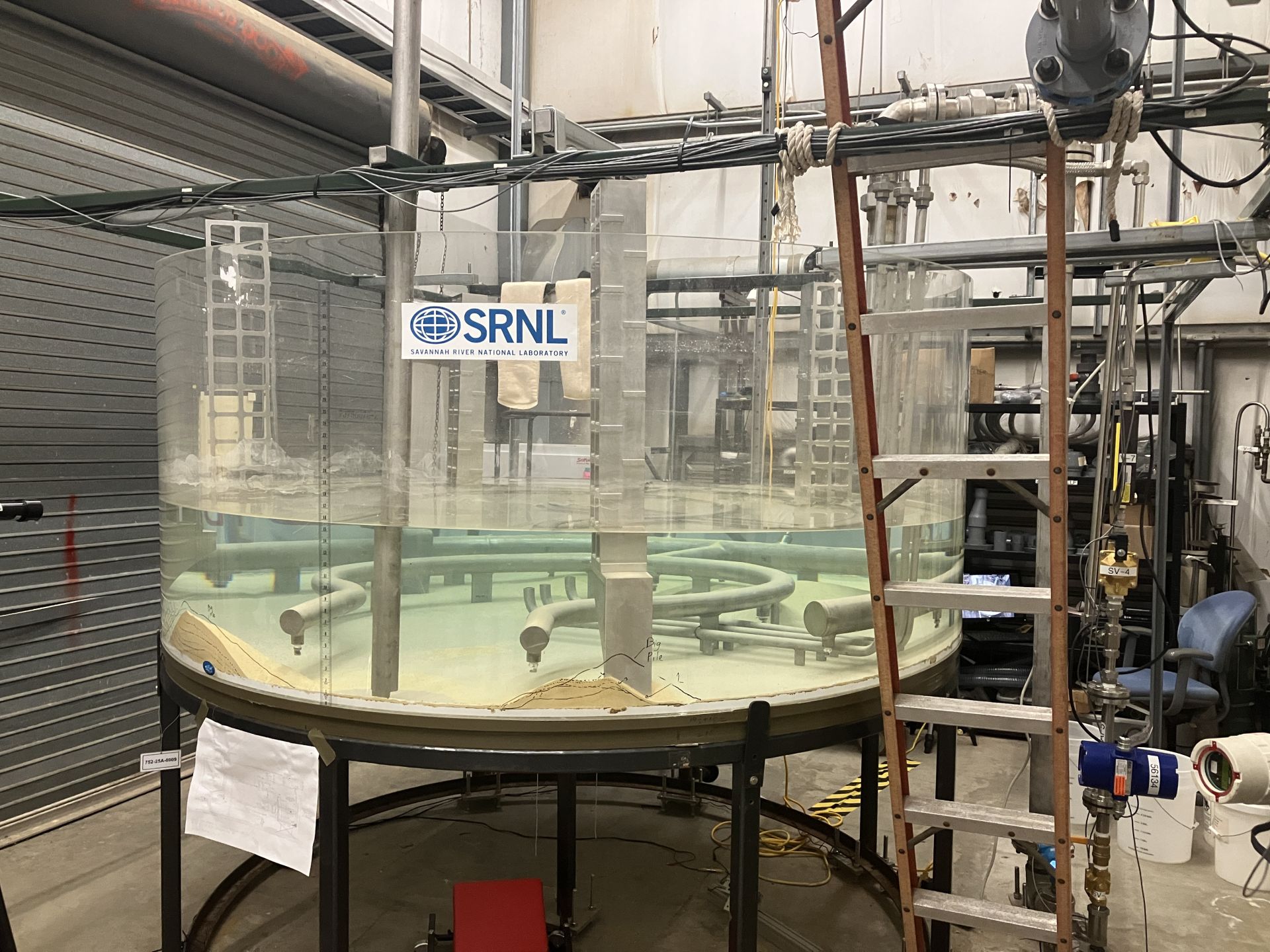
A mock-up model at SRNL was used to demonstrate a full-scale jet cleanout system to remove undissolved material from the H Canyon electrolytic dissolver. (Photo: DOE)
A collaboration between Savannah River Nuclear Solutions (SRNS) and Savannah River National Laboratory (SRNL) is making progress toward processing non-aluminum spent nuclear fuel (NASNF) as part of the site’s accelerated basin de-inventory mission. SRNL is the managing and operating contractor at the Department of Energy’s Savannah River Site in South Carolina.
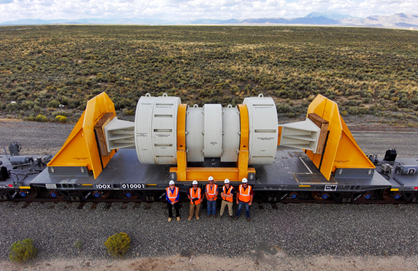
The Atlas railcar carries a simulated shipment of spent nuclear fuel during testing in September 2023. (Photo: DOE)
The Department of Energy has issued a request for information to gather input on its proposed package performance demonstration, which is intended to demonstrate the robustness of spent nuclear fuel transportation casks in hypothetical accident conditions. By simulating severe accident scenarios, the DOE said it intends to show to the public and stakeholders the safety and reliability of transporting SNF by rail, heavy-haul truck, and barge.

-3 2x1.jpg)



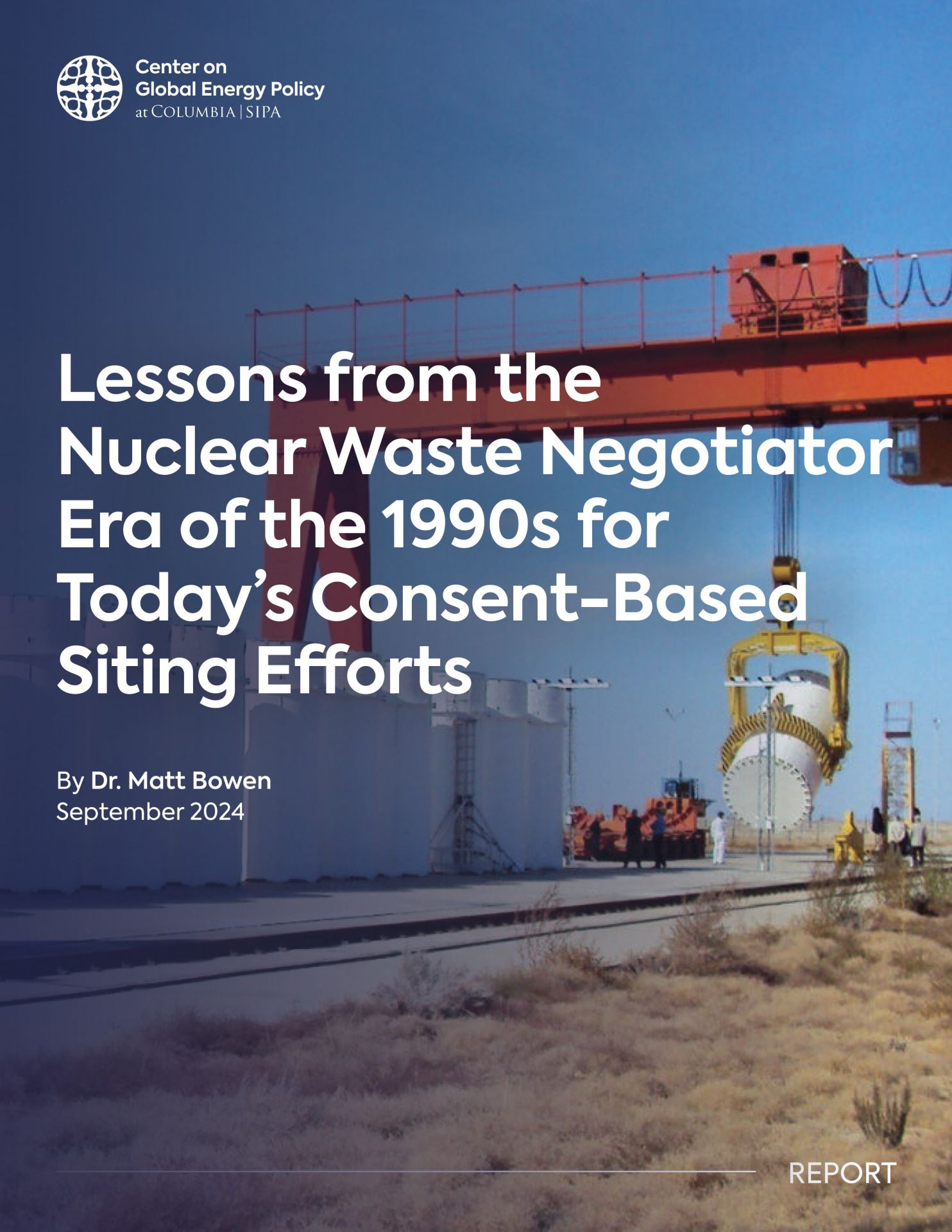 As the Department of Energy embarks on its consent-based process for siting a geologic repository for spent nuclear fuel and high-level radioactive waste, a new report from the Center on Global Energy Policy at Columbia University SIPA highlights relevant lessons from the federal government’s now defunct Office of the Nuclear Waste Negotiator.