Agreement advances Texas gas-plus-nuclear concept to next phase

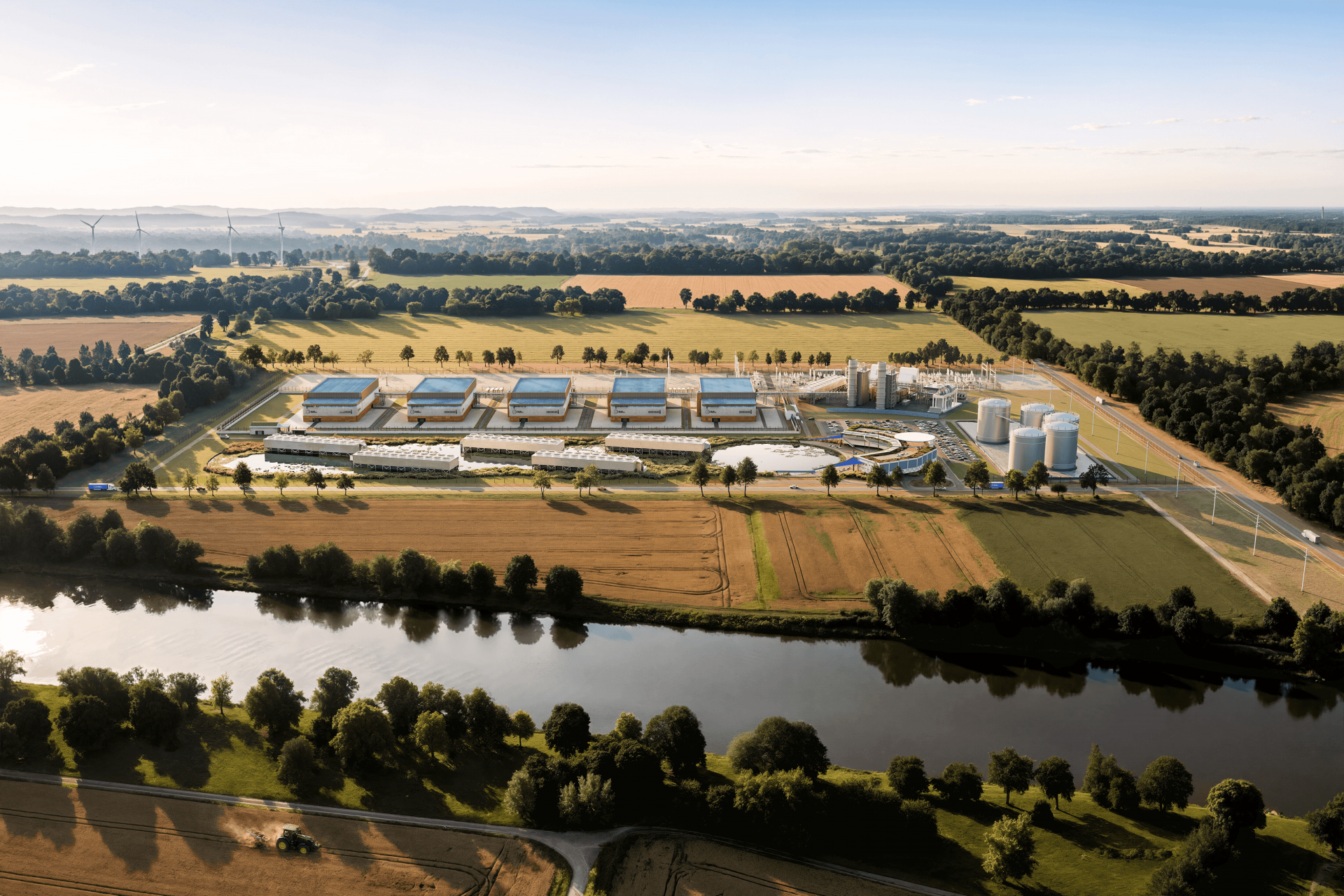
Plans between GE Vernova Hitachi Nuclear Energy and Blue Energy to build a “gas-plus-nuclear” power plant have advanced beyond a strategic collaboration, with an agreement now in place.
Ageing nuclear assets don't have to mean higher maintenance costs. Discover how HVTS® cladding helps extend the life of PWR secondary system components, reduce outage duration, support ALARA principles, and protect against FAC, erosion-corrosion and other degradation mechanisms. Learn more.

Plans between GE Vernova Hitachi Nuclear Energy and Blue Energy to build a “gas-plus-nuclear” power plant have advanced beyond a strategic collaboration, with an agreement now in place.
GE Vernova has formed a strategic collaboration with nuclear project financing and manufacturing firm Blue Energy to “advance the world’s first gas-plus-nuclear power plant.” The companies say that they intend to design and develop a power plant using GE Vernova Hitachi Nuclear Energy BWRX-300 small modular reactors and GE Vernova gas turbines to meet electricity demands related to AI and advanced manufacturing. Subject to a final investment decision in 2027, the first plant is to be located at a Blue Energy site in Texas and will power a nearby data center campus.

Idaho National Laboratory has selected five teams for its Microreactor Application Research Validation and Evaluation (MARVEL) Project to develop a sodium-potassium–cooled microreactor designed to test microreactor applications, create regulatory processes, and explore electrical and nonelectrical uses.
Following a meeting last week with President Donald Trump, Japan has announced that it would provide up to $332 billion to support critical energy projects in the U.S., including the construction of nuclear reactor projects.

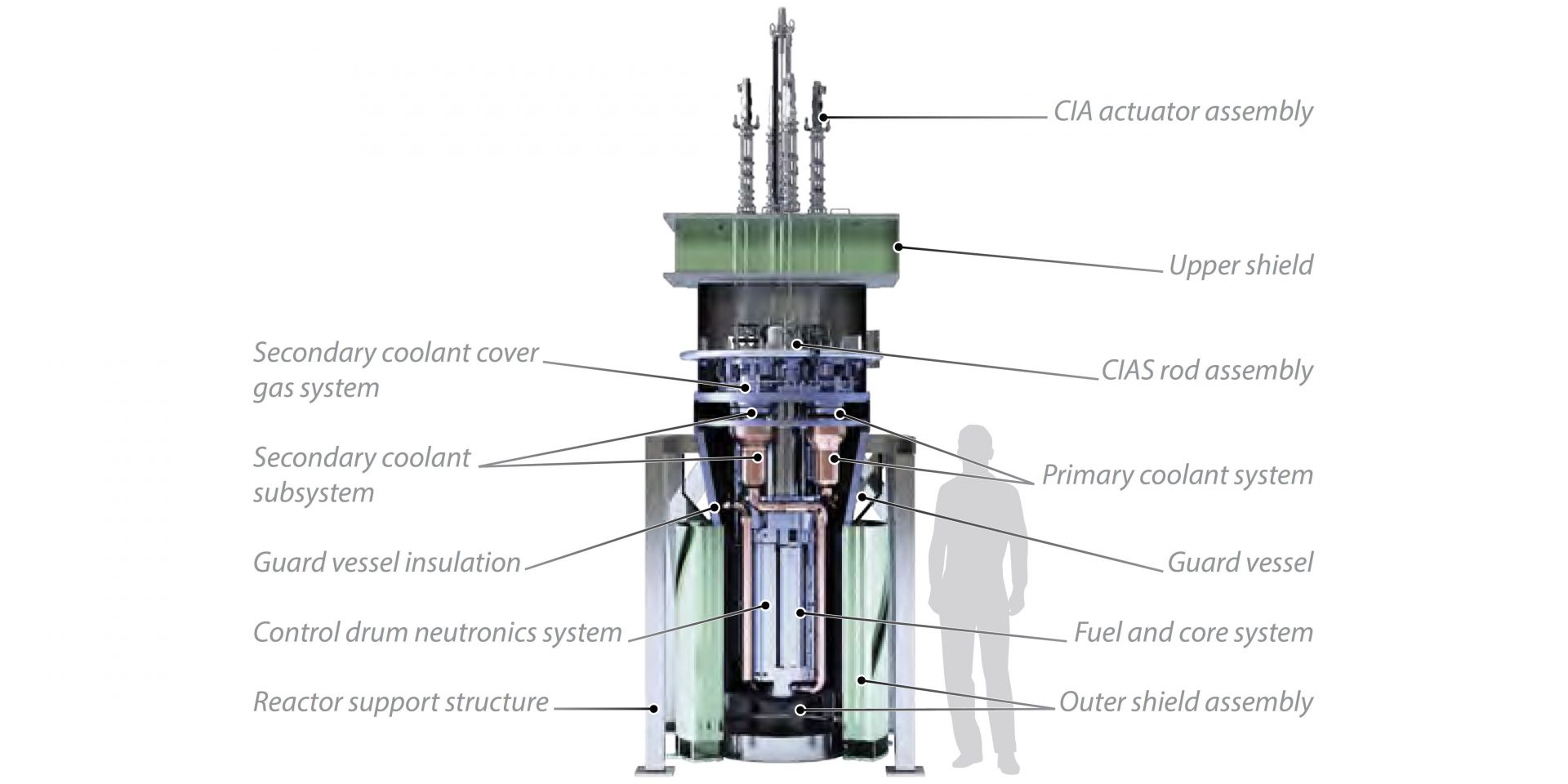
GE Vernova Hitachi Nuclear Energy’s BWRX-300 small modular reactor and the British Rolls-Royce SMR have been downselected by Sweden’s state-owned Vattenfall as it evaluates the construction of new reactors for its Ringhals nuclear power plant site in Sweden.
On track to be the first SMR constructed in North America
The Canadian Nuclear Safety Commission has announced its approval for Ontario Power Generation to construct a General Electric Hitachi BWRX-300 small modular reactor at its Darlington site in Clarington, Ontario.
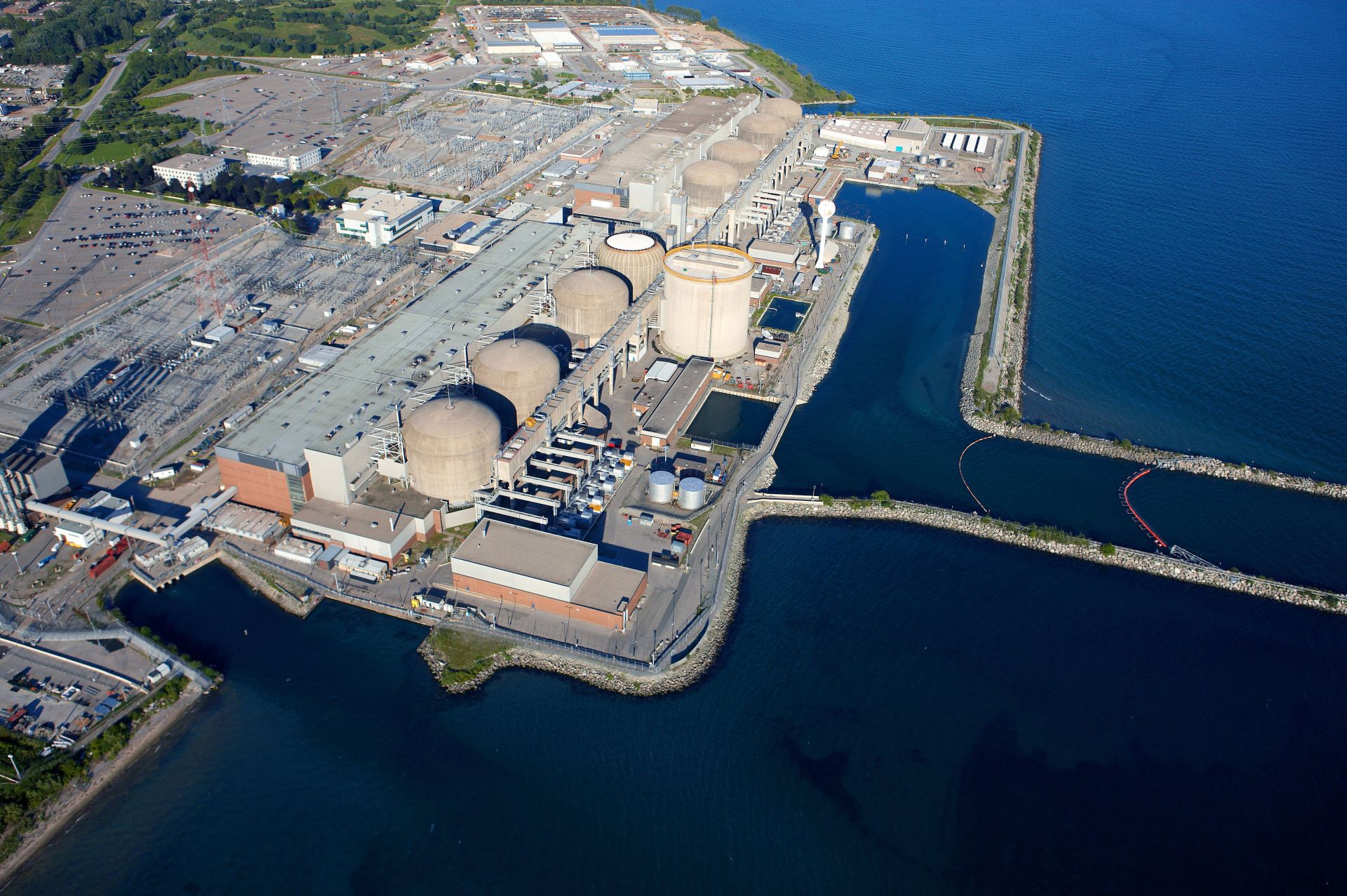
Work will support Pickering life extension and Darlington SMRs

Ontario Power Generation announced this week new contracts with BWXT Canada worth more than C$1 billion ($695.4 million) for projects at the Pickering and Darlington nuclear power plants.

The Department of Energy announced contracts yesterday for six companies to perform high-assay low-enriched uranium (HALEU) deconversion and to transform enriched uranium hexafluoride (UF6) to other chemical forms, including metal or oxide, for storage before it is fabricated into fuel for advanced reactors. It amounts to a first round of contracting. “These contracts will allow selected companies to bid on work for deconversion services,” according to the DOE’s announcement, “creating strong competition and allowing DOE to select the best fit for future work.”

GE Hitachi Nuclear Energy (GEH)—the nuclear business unit of Massachusetts-based GE Vernova in partnership with Japan’s Hitachi—has announced that it is forming a group of qualified supply chain companies to advance the manufacture, commercialization, and international deployment of its BWRX-300 small modular reactor. The company stated that it is forming the group to help ensure “a reliable, cost-effective and innovative” process for getting its SMR commercialized and deployed around the world.

GE Vernova, which leads Global Nuclear Fuel (GNF) with partner Hitachi, announced February 14 that GNF has received approval from the Nuclear Regulatory Commission to manufacture, ship, and analyze the performance of nuclear fuel enriched with up to 8 percent uranium-235.

Hall
Nuclear energy stocks “have become far more compelling to many investors in recent years,” and “there are good reasons to support this carbon-free source of energy,” according to investment entrepreneur and financial lecturer Jason Hall. In an article recently published by The Motley Fool, Hall discusses the opportunities and risks of investing in nuclear energy companies and offers his perspective on three top nuclear energy stocks.
Nuclear basics and new innovations: Hall started at the beginning, describing the most basic aspects of nuclear energy: the production of heat through fission, the generation of electricity via turbines, and the mining and enrichment of uranium for fuel. He noted that there “are only a small handful of companies with the expertise and financial strength to deal with nuclear reactors, and almost all are either private, state-owned, or the subsidiary operation of a large industrial conglomerate.”