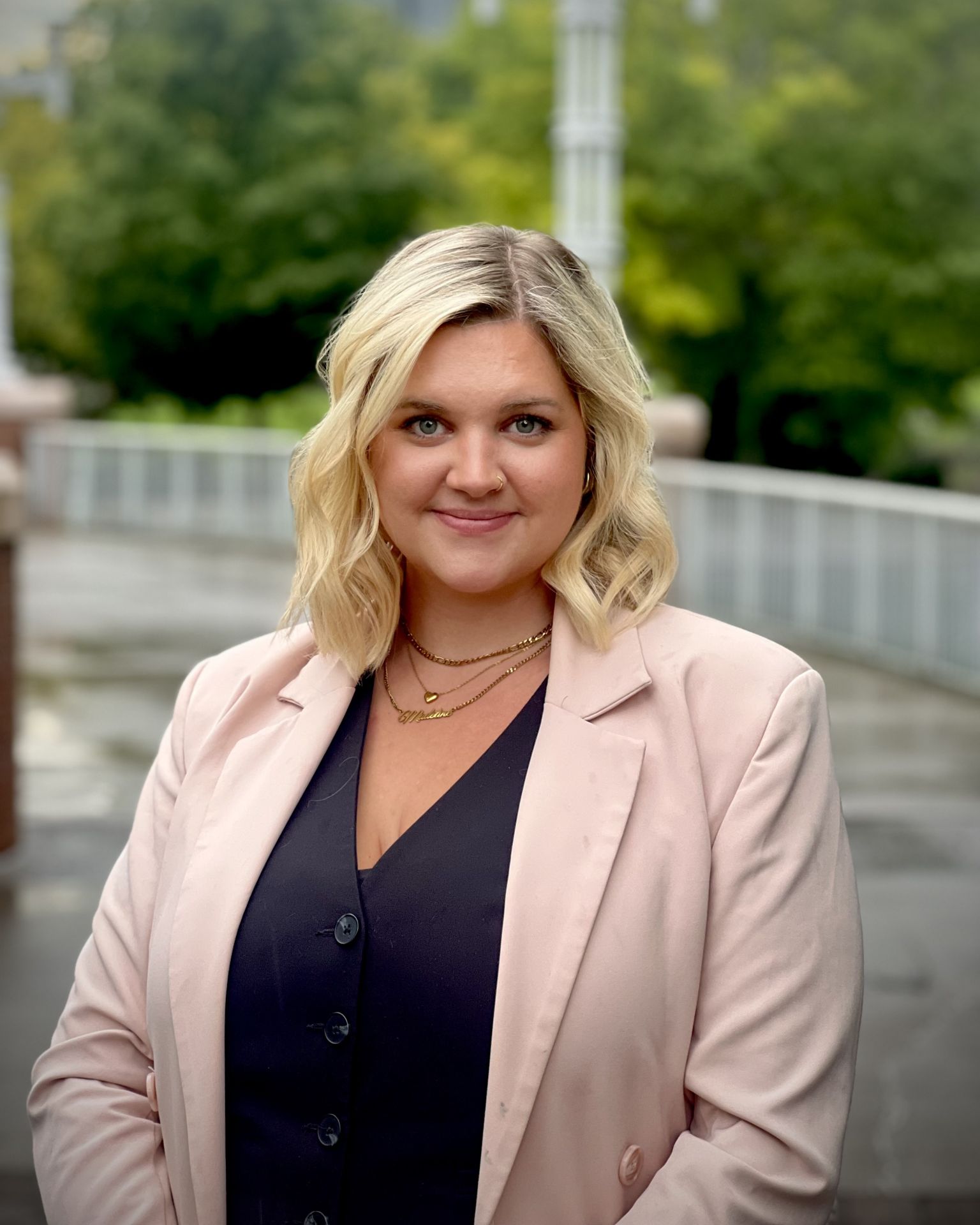
Introducing Madeline Lockhart: When asked how she feels about being selected as a Congressional Fellow, Lockhart told Nuclear News, “I’m really excited for this opportunity. I’ve spent most of my career developing technical expertise in university and national laboratory settings, so I’m looking forward to bringing that perspective into a completely different environment and learning how Congress works.”
For most of her career, her technical focus has been nuclear safeguards and nonproliferation—a path she started following in high school. Lockhart was born and raised in Los Alamos, N.M., and got the opportunity to work as an intern at Los Alamos National Laboratory in the summer before her senior year of high school. The focus of that internship was on nuclear engineering and nonproliferation, and she returned to the lab during the summers while pursuing an undergraduate degree in physics from Texas Tech University.
After earning her bachelor’s degree, Lockhart earned a Ph.D. in nuclear engineering from North Carolina State University. There, as a Nuclear Nonproliferation International Safeguards fellow, her research focused on developing and evaluating advanced neutron measurement techniques for the characterization of uranium-233 oxide materials for international safeguards applications.
Currently, Lockhart is a postdoctoral researcher at the University of Tennessee, where she focuses on multimodal analysis methods for the identification and characterization of nuclear materials. She also serves as secretary for the Nuclear Nonproliferation Policy Division of ANS.
When asked what sparked her interest in the crossroads between nuclear and policy, Lockhart told NN, “I became interested in the policy side of nuclear through my work in safeguards and nonproliferation, where the technical work is closely tied to international agreements and national security decisions. I got firsthand exposure to the policy world through an internship at the Department of State during my undergraduate degree and knew that I wanted to return one day.”
Looking to her time on the Hill, Lockhart acknowledged that this moment is “an incredibly pivotal time for nuclear. There is renewed momentum and historic investment in nuclear energy and advanced technologies, but also a lot of questions around regulation, fuel supply, security, and nonproliferation.” She hopes that while in Congress, she can leverage her expertise to answer those questions and ultimately help establish the guardrails that will ensure our national security.
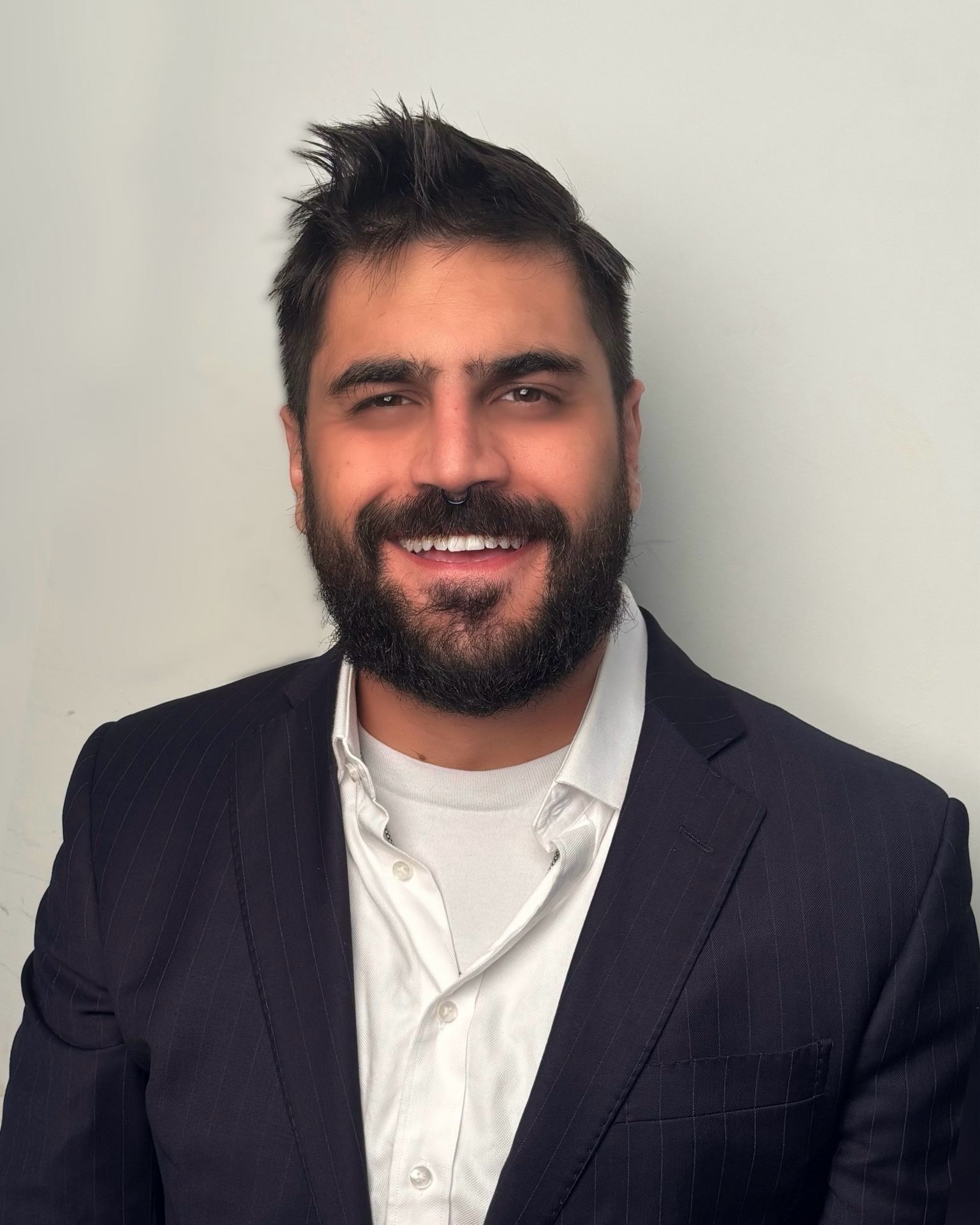
Introducing Aristidis Loumis: Loumis is looking ahead to their time on the Hill with one primary policy interest: ensuring that advances in nuclear science and technology translate into tangible benefits for people and communities.
To that end, they bring both professional expertise and personal investment. Having grown up in a large, low-income household challenged by rising utility costs, Loumis went through periods without reliable access to electricity or hot water. That experience shaped their view of energy not as a mere commodity but as a fundamental infrastructure. It also led them, eventually, to pursue a career in nuclear.
Aside from their interest in energy abundance, Loumis is also focused on radioactive waste management. While earning their undergraduate degree in nuclear engineering from the University of Illinois–Urbana-Champaign, they had the opportunity to study abroad in Sweden, where they learned about the country’s approach to spent nuclear fuel disposal and community engagement on waste. They would go on to work at Deep Isolation, an experience that further cemented their belief in finding common ground and understanding between each party involved in nuclear projects.
Today, Loumis is completing their Ph.D. in mechanical and nuclear engineering at Virginia Commonwealth University, where their research focuses on Monte Carlo radiation transport modeling, gamma-ray spectroscopy, and machine learning to investigate methods for differentiating between high-assay low-enriched uranium and high-enriched uranium. They are also studying the risks and limitations of applying AI to high-consequence scientific applications.
In all, Loumis aims for their time in Congress to facilitate energy abundance without disregarding community engagement or environmental protection. “My interest has always been in people,” they explained to NN. They acknowledged that “engineers aren’t typically the best communicators,” and that they hope to translate complex topics into productive dialogues.
“I hope to just be a resource for people. I think that the whole point of the AAAS fellowship is to demystify science and make it more accessible to people,” they said. Through that demystification, they hope to push policy toward greater energy security, economic opportunity, environmental stewardship, and public benefit.
A word from ANS: “Having ANS Fellows on Capitol Hill comes at a pivotal moment, as the nuclear industry gains momentum and increased national attention. I’m excited to see Aristidis and Madeline bring their technical expertise to Washington and make a meaningful contribution during this transformative time for the nuclear sector,” said John Starkey, director of public policy at ANS.