Army’s Janus Program to boost advanced nuclear reactors
The U.S. Army is moving forward with additional advanced reactor programs—building on multiple military efforts already underway as well as a separate pilot program at the Energy Department.

A message from Goodway Technologies Corporation
Delivering Massive Efficiency (and Bottom-Line) Gains Through Chemical Descaling
The U.S. Army is moving forward with additional advanced reactor programs—building on multiple military efforts already underway as well as a separate pilot program at the Energy Department.
The Department of Energy introduced a Fusion Science & Technology (S&T) Roadmap on October 16 as a national “Build–Innovate–Grow” strategy to develop and commercialize fusion energy by the mid-2030s by aligning public investment and private innovation. Hailed by Darío Gil, the DOE’s new undersecretary for science, as bringing “unprecedented coordination across America's fusion enterprise” and advancing President Trump’s January 2025 executive order, “Unleashing American Energy,” the road map echoes plans issued by the DOE’s Office of Fusion Energy Sciences (FES) in 2023 and 2024, with a new emphasis on the convergence of AI and fusion.
The road map release coincided with other fusion energy events held this week in Washington, D.C., and beyond.
Nuclear waste disposal technology company Deep Isolation is asking that the National Association of State Energy Officials (NASEO) consider how spent nuclear fuel and radioactive waste will be managed under its strategy for developing advanced nuclear power projects in participating states.
The American Nuclear Society has sent a letter to Energy Secretary Chris Wright with a set of recommendations for the Department of Energy to take to establish an effective national program to manage the storage, reprocessing, and final disposal of U.S. commercial used nuclear fuel.

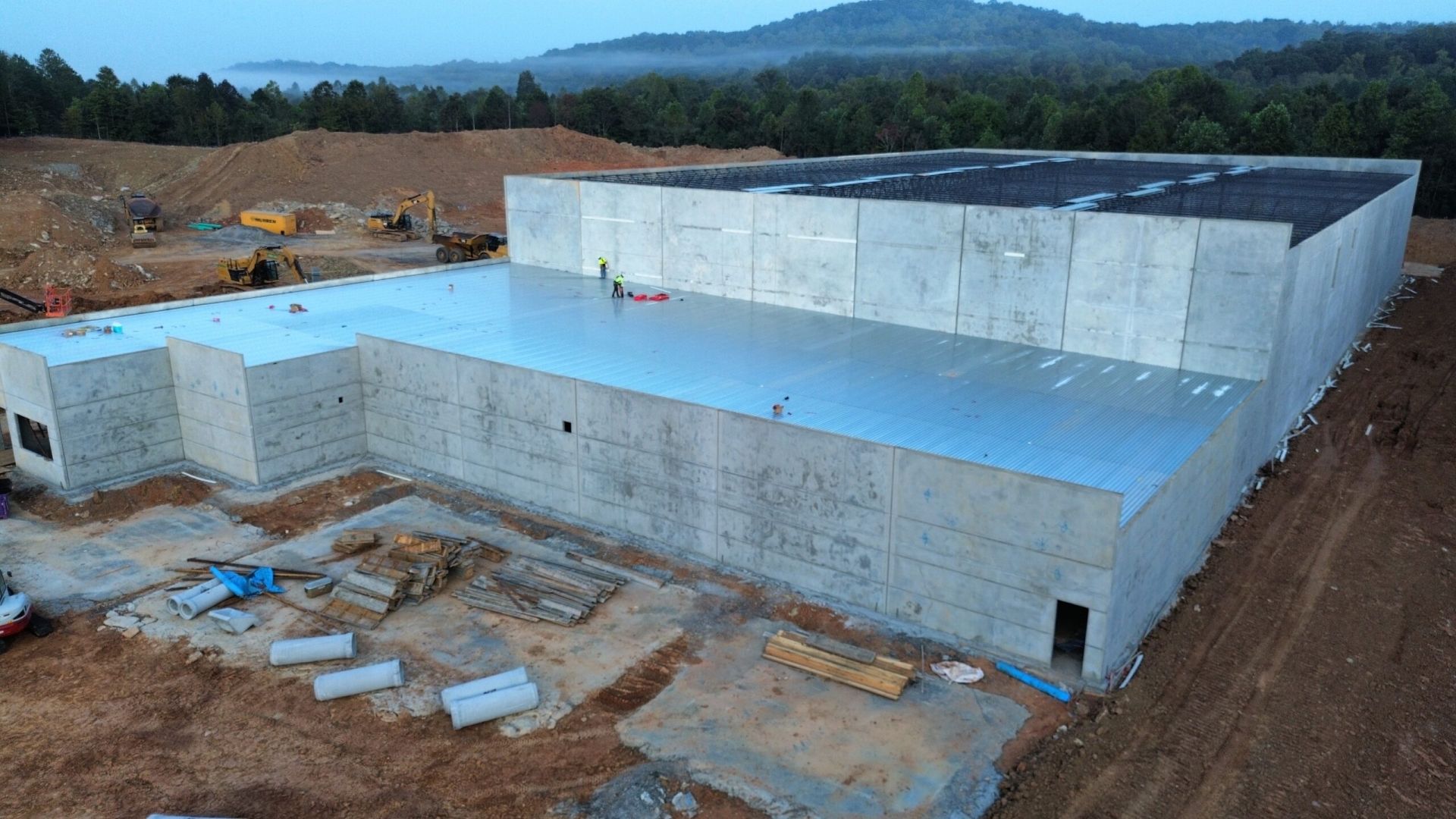
Radiant Industries will build its first portable nuclear reactor at the site of the Manhattan Project in Oak Ridge, Tenn.
The land for Radiant’s new factory includes portions of the K-27 and K-29 Manhattan Project sites. The company plans to test Kaleidos, a 1-MW nuclear microreactor, in 2026, with first deployments expected soon after.

Idaho National Laboratory under the Department of Energy–sponsored Microreactor Program recently conducted a comprehensive phenomena identification and ranking table (PIRT) exercise aimed at advancing heat pipe technology for microreactor applications.

On day 10 of the government shutdown, the National Nuclear Security Administration has yet to furlough workers, but a spokesperson said that could change if members of Congress don’t agree on a continuing resolution to keep the government funded.
Should that be the case, the NNSA will resort to keeping only essential unpaid workers at some point if the government shutdown continues, an agency spokesperson told Nuclear Newswire.

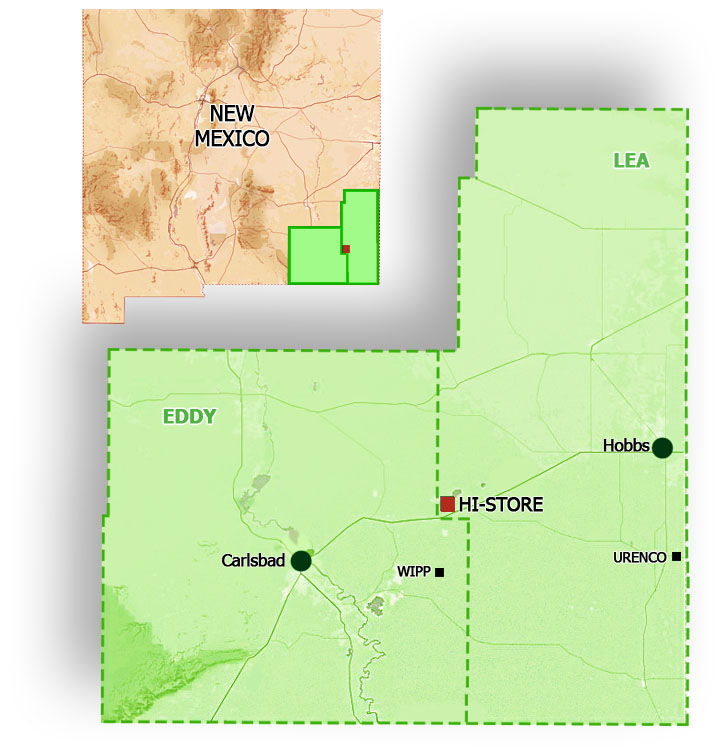
Holtec International has confirmed it is canceling plans to build a consolidated interim storage facility for spent nuclear fuel in southeastern New Mexico. Named the HI-STORE CISF, the facility would have stored up to 10,000 canisters of commercial SNF on land owned by the Eddy-Lea Energy Alliance (ELEA) near the towns of Carlsbad and Hobbs.
During a Senate Environment and Public Works Committee hearing today, Ho Nieh, President Donald Trump’s nominee to serve as a commissioner at the Nuclear Regulatory Commission, was urged to maintain the agency’s independence regardless of political pressure from the Trump administration.
The Department of Energy’s Office of Environmental Management and Office of Science and the National Nuclear Security Administration issued requests for proposals last month, seeking plans from companies to build AI data centers at the Oak Ridge Reservation, the Savannah River Site, and Idaho National Laboratory.
The Department of Energy and the Nuclear Regulatory Commission will furlough thousands of employees and operate at reduced capacity under a government shutdown that started after midnight on October 1 following a failed congressional vote on a short-term funding bill.
The Department of Energy has fast-tracked its selections for the Fuel Line Pilot Program. Four companies—Oklo, Terrestrial Energy, TRISO-X, and Valar Atomics—were named September 30 as “conditional selections” for a “fast-track approach to commercial licensing,” bringing the total to five. The first company conditionally chosen for a DOE-authorized fuel fabrication facility—Standard Nuclear—was named less than three weeks after the program opened to applicants in July.

Following the same milestones from Aalo Atomics and Valar Atomics, Santa Clara, Calif.–based reactor start-up Oklo has become the third company participating in the Department of Energy’s Nuclear Reactor Pilot Program to break ground on its fast-tracked project at Idaho National Laboratory.

Nuclear waste disposal technology company Deep Isolation Nuclear announced it has signed a technology licensing agreement with government contractor Navarro Research and Engineering, giving Navarro access to Deep Isolation’s portfolio of intellectual property for use in nuclear and hazardous waste management applications across the states of Tennessee and Idaho.

Centrus Energy announced a plan yesterday to add 300 new jobs at Centrus’s uranium enrichment plant in Piketon, Ohio, “in advance of federal funding decisions.” The company envisions adding capacity for both low-enriched uranium and high-assay low-enriched uranium production at its American Centrifuge Plant, but the “size and scope” of public and private investment is “subject to being selected for funding by the U.S. Department of Energy.”

Zeno Power, a developer of nuclear batteries, is to receive americium-241 recovered from Orano’s La Hague nuclear fuel recycling site in Normandy, France, under a strategic agreement announced by the companies on September 24.

Kim
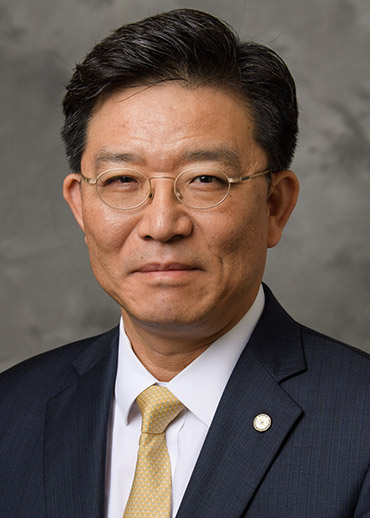
Recently, Nuclear Engineering Department Heads Organization Chair Seungjin Kim talked with Nuclear News about NEDHO’s current condition, governmental funding for NEDHO and university research, the impact of artificial intelligence and other technologies in the classroom, the influence of advanced reactors in nuclear engineering education, and other issues.
Kim, who is an ANS Fellow, is the Captain James F. McCarthy Jr. and Cheryl E. McCarthy Head of Nuclear Engineering at Purdue University, in West Lafayette, Ind. He began his 2025–2026 term as NEDHO chair earlier this year. He took over from the previous chair, Sukesh Aghara, professor and director of the Nuclear and Chemical Engineering Department at the University of Massachusetts–Lowell.

Williams

Garrish
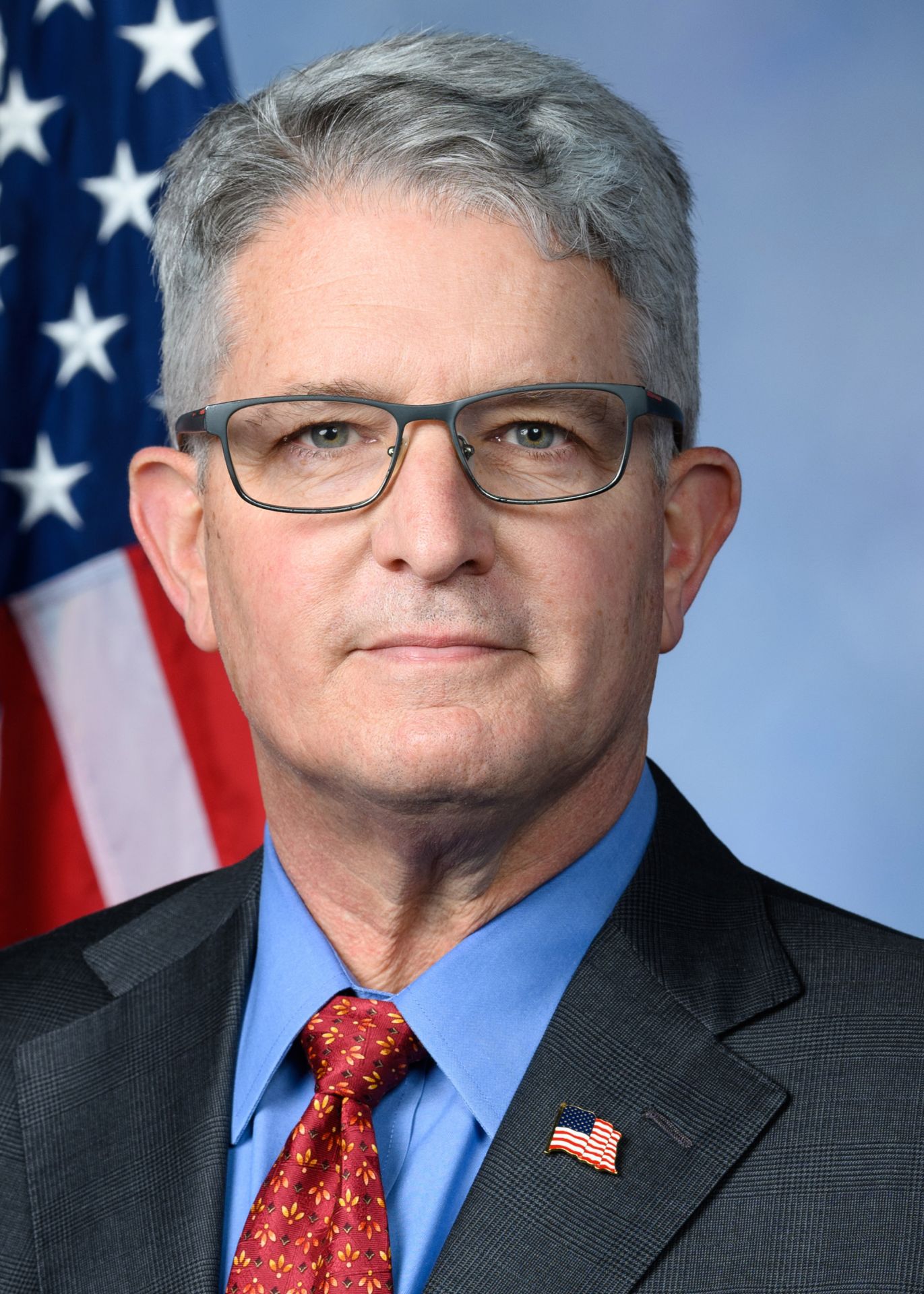
Theodore “Ted” Garrish is the Department of Energy’s assistant secretary for nuclear energy and Brandon Williams is the DOE’s undersecretary for nuclear security and administrator of the National Nuclear Security Administration following their confirmations yesterday by the U.S. Senate.
While awaiting confirmation, Garrish has been serving since January as senior advisor to Energy Secretary Chris Wright. He assumes the duties of NE-1 that Michael Goff has held as interim assistant secretary since Kathryn Huff stepped down from the NE-1 role in May 2024. The post of acting NNSA administrator has been held by Teresa Robbins since January 20; Jill Hruby held the post from 2021 to 2025.
Senate confirms Ted Garrish as Assistant Secretary of Energy at the U.S. Department of Energy’s Office of Nuclear Energy.
Washington, D.C. — The American Nuclear Society (ANS) applauds the U.S. Senate's confirmation of Theodore “Ted” Garrish as Assistant Secretary for Nuclear Energy at the U.S. Department of Energy (DOE).
“On behalf of over 11,000 professionals in the fields of nuclear science and technology, the American Nuclear Society congratulates Mr. Garrish on being confirmed by the Senate to once again lead the DOE Office of Nuclear Energy,” said ANS President H.M. "Hash" Hashemian.

The Department of Energy’s National Nuclear Security Administration has awarded BWX Technologies a contract valued at $1.5 billion to build a Domestic Uranium Enrichment Centrifuge Experiment (DUECE) pilot plant in Tennessee in support of the administration’s efforts to build out a domestic supply of unobligated enriched uranium for defense-related nuclear fuel.