
-3 2x1.jpg)
Nuclear scores point in U.K. green plan
The United Kingdom, the first of the world’s major economies to adopt a legally binding commitment to achieve net-zero greenhouse gas emissions by 2050, has released a blueprint to help realize that goal—one that includes a substantial role for nuclear energy
The Ten Point Plan for a Green Industrial Revolution will mobilize a total of £12 billion (about $16 billion) of government investment to create and support up to 250,000 highly skilled green jobs in the United Kingdom and spur over three times as much private sector investment by 2030, according to the UK government on November 18.
In addition to nuclear, offshore wind, hydrogen production, carbon capture, and vehicle electrification are also earmarked for significant investment in the 38-page document.




 A recently published paper on clean energy policy for economic recovery calls for the preservation of the current U.S. nuclear reactor fleet and the deployment of advanced nuclear technologies.
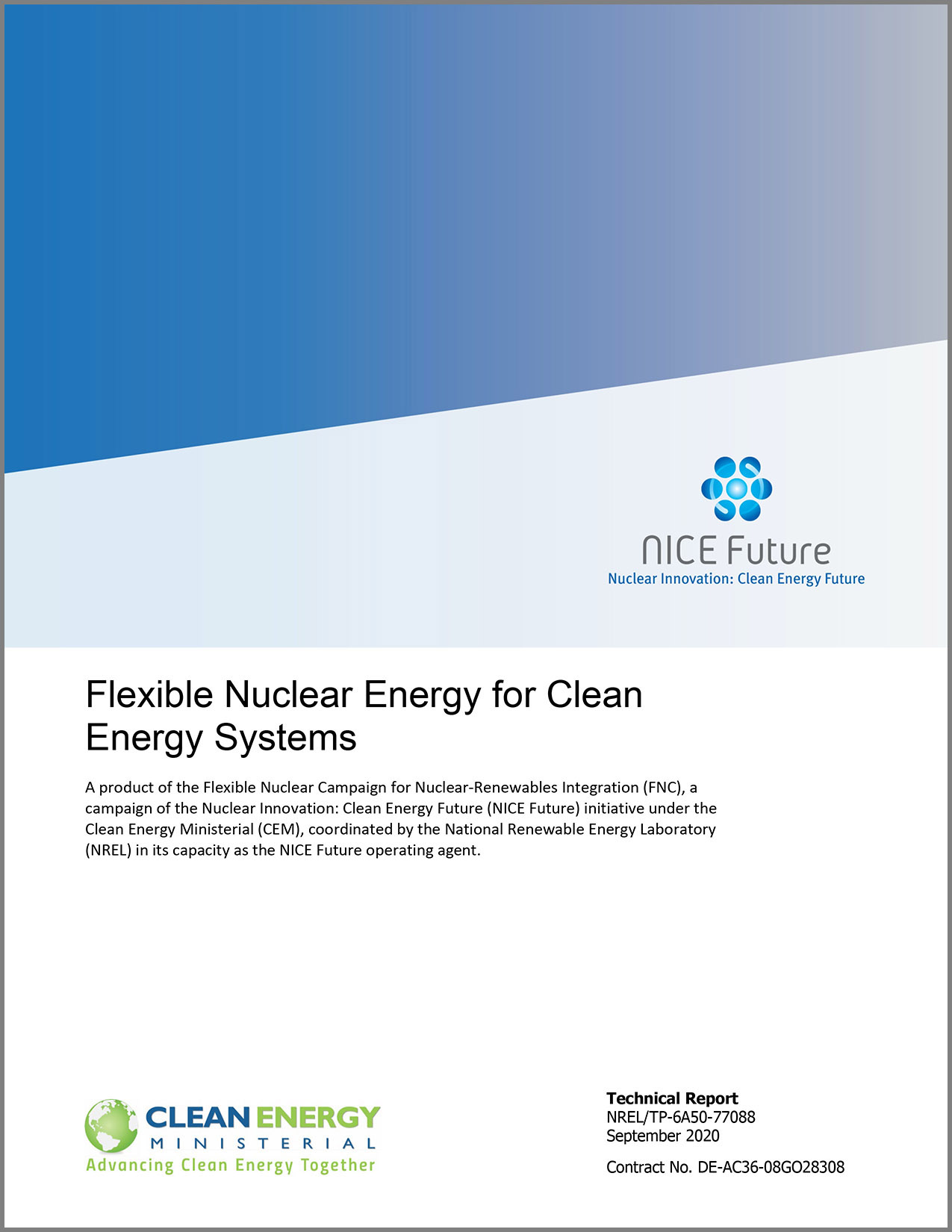 A report just released from the Clean Energy Ministerial’s (CEM) Nuclear Innovation: Clean Energy (NICE) Future initiative examines the potential roles that flexible nuclear energy generation can play in both current and future clean energy systems.
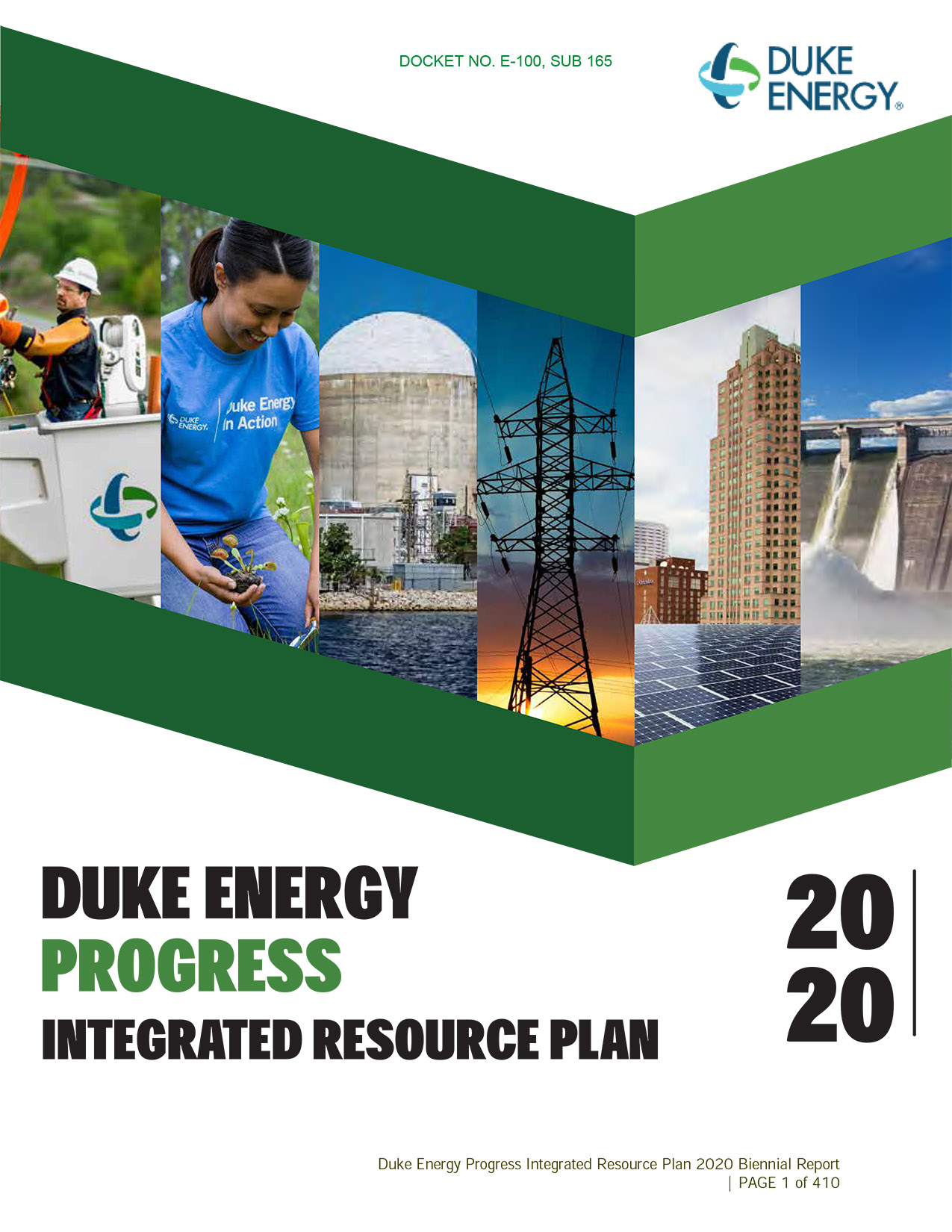 Duke Energy Progress and Duke Energy Carolinas have filed their 2020 Integrated Resource Plans (IRPs) with state regulators, parent company Duke Energy announced September 1.
 The Department of Energy’s Advanced Research Projects Agency-Energy (ARPA-E) is at work developing and demonstrating novel energy technologies and connecting those technologies with private-sector investors. The researchers and innovators behind ARPA-E want to tell you all about it in a series of “Energy Briefs” available through the agency’s