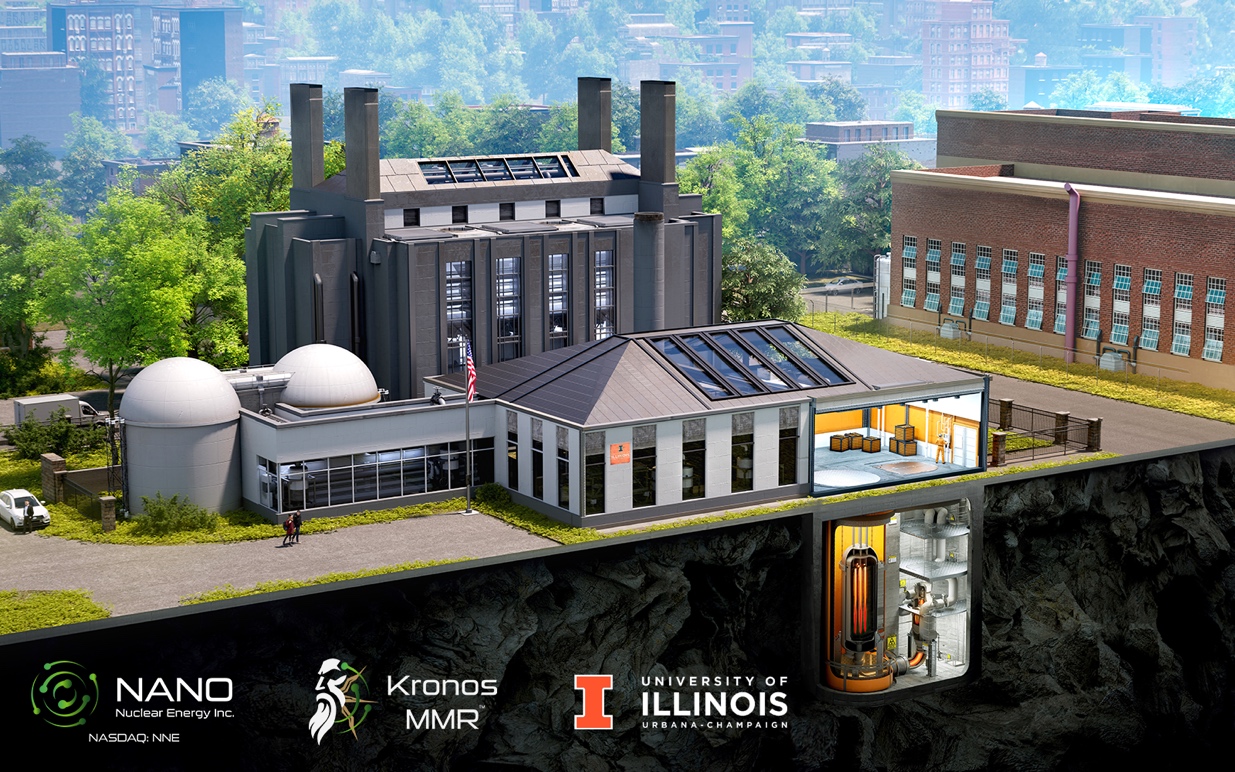
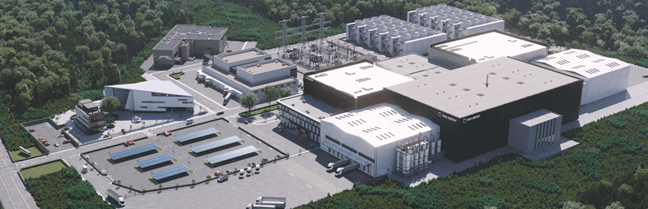
Artist’s concept of the Kronos MMR on the UIUC campus. (Source: Nano Nuclear)
New York City–based Nano Nuclear Energy has signed a memorandum of understanding with the University of Illinois Board of Trustees, on behalf of the University of Illinois–Urbana-Champaign, to collaborate on the development, construction, and operation of the company’s Kronos MMR (micro modular reactor) as an on-campus research reactor. The new MOU represents the latest aspect of Nano Nuclear’s partnership on the Kronos MMR project with the university, which includes state funding for a manufacturing and research center, to be located in the Chicago suburb of Oak Brook.
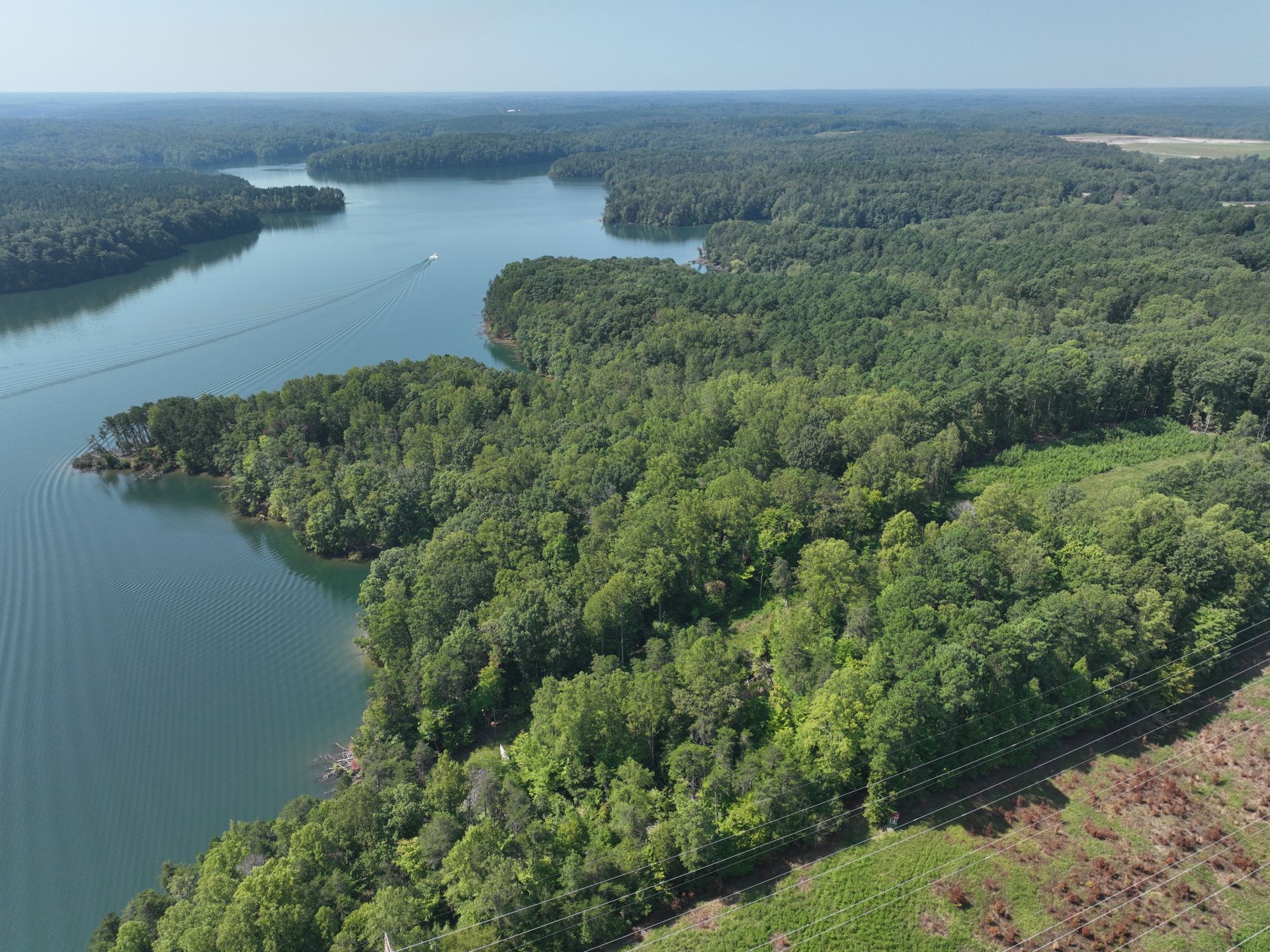
Belews Creek potential new nuclear site. (Photo: Duke Energy)
Following up on an October announcement on plans to invest more heavily in nuclear power, Duke Energy closed out 2025 by submitting an early site permit application to the Nuclear Regulatory Commission. This ESP application is for a site near the Belews Creek Steam Station, a coal and natural gas plant in Stokes County, N.C., where Duke has been pursuing a new nuclear project for two years.
Fleet organizational effectiveness director Melissa Moran (left) and fleet performance improvement manager Jake Olivier use the OR/PI AI agent to assist in a review of plant performance metrics. (Photo: Southern Nuclear)
Southern Nuclear is leading the charge in artificial intelligence integration, with employee-developed applications driving efficiencies in maintenance, operations, safety, and performance.
The tools span all roles within the company, with thousands of documented uses throughout the fleet, including improved maintenance efficiency, risk awareness in maintenance activities, and better-informed decision-making. The data-intensive process of preparing for and executing maintenance operations is streamlined by leveraging AI to put the right information at the fingertips for maintenance leaders, planners, schedulers, engineers, and technicians.
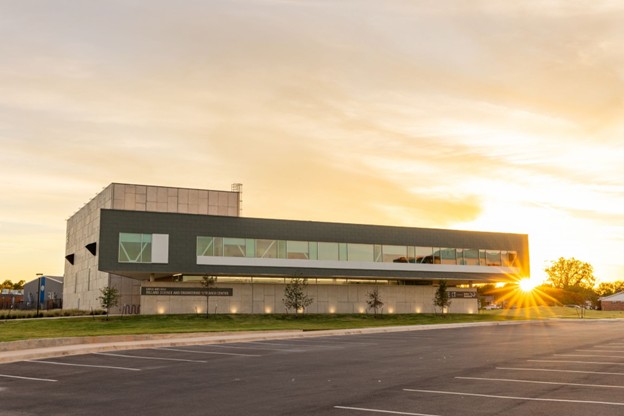
ACU’s Dillard Science and Engineering Research Center, which will house the MSRR. (Photo: Abilene Christian University)
Progress in the Department of Energy’s Reactor Pilot Program continues as Natura Resources has executed an Other Transaction Agreement (OTA) with the DOE for the company’s Molten Salt Research Reactor being pursued in close collaboration with Abilene Christian University (ACU) in Texas. Reactor projects participating in the program would progress through DOE authorization and oversight rather than Nuclear Regulatory Commission licensing.
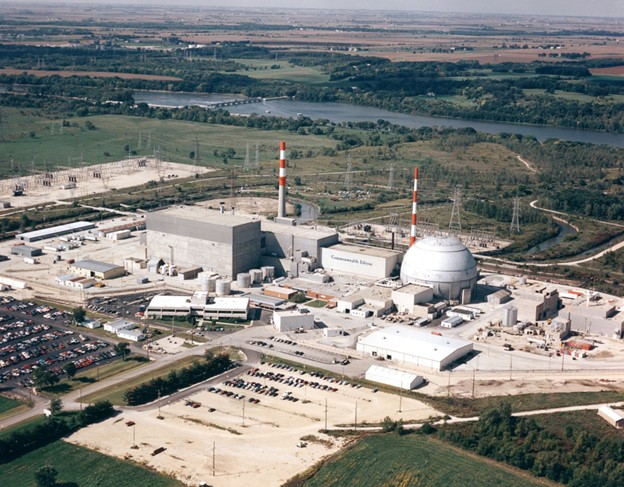
The Dresden nuclear power plant in Grundy County, Illinois. (Photo: Constellation Energy)
Three commercial power reactors across two Illinois nuclear power plants—Constellation’s Clinton and Dresden—have had their licenses renewed for 20 more years by the Nuclear Regulatory Commission.
Conceptual rendering of Thea Energy’s Helios fusion power plant. (Image: Thea Energy)
Fusion technology company Thea Energy announced this week that it has completed the preconceptual design of its fusion power plant, called Helios. According to the company, Helios is “the first stellarator fusion power plant architecture that is realistic to build and operate with hardware that is available today, and that is tolerant to the rigors of manufacturing, construction, long-term operation, and maintenance of a commercial device.”
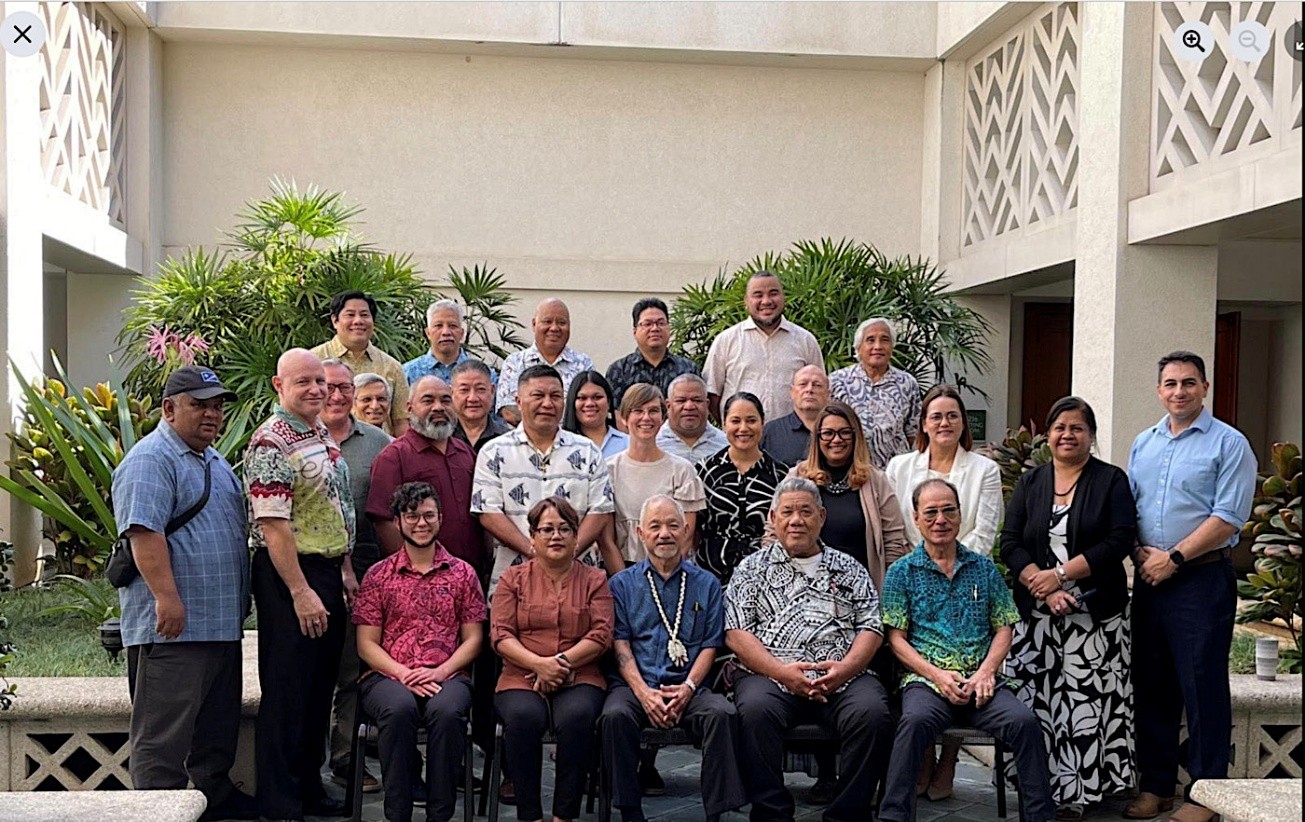
Meeting participants from the Marshall Islands government and the Department of Energy. (Photo: RMI Ministry of Foreign Affairs and Trade)
The Department of Energy Office of Environment, Health, Safety and Security (EHSS) held its annual meeting this month with the government of the Marshall Islands. The two-and-a-half-day meeting, in Honolulu, Hawaii, focused on ongoing cooperative efforts and programs related to the legacy of U.S. nuclear weapons testing from the 1940s and 1950s. The United States began cleanup operations on the islands in the 1970s.
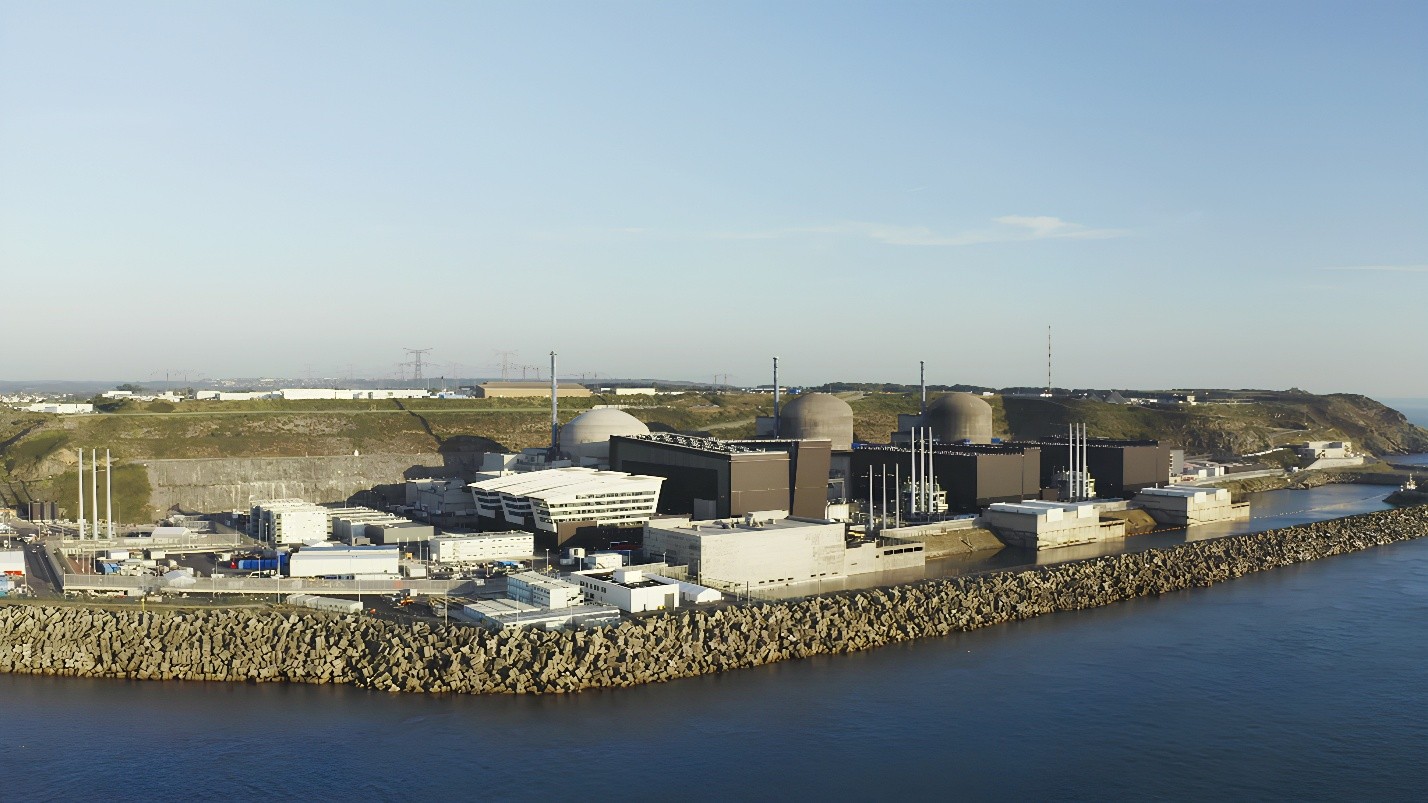
Flamanville-3 (left) in 2023 alongside its predecessor units. (Photo: Wikimedia Commons)
France’s state-owned electric utility EDF has announced that Flamanville-3—the country’s first EPR—reached full nuclear thermal power for the first time, generating 1,669 megawatts of gross electrical power. This major milestone is significant in terms of both this project and France’s broader nuclear sector.
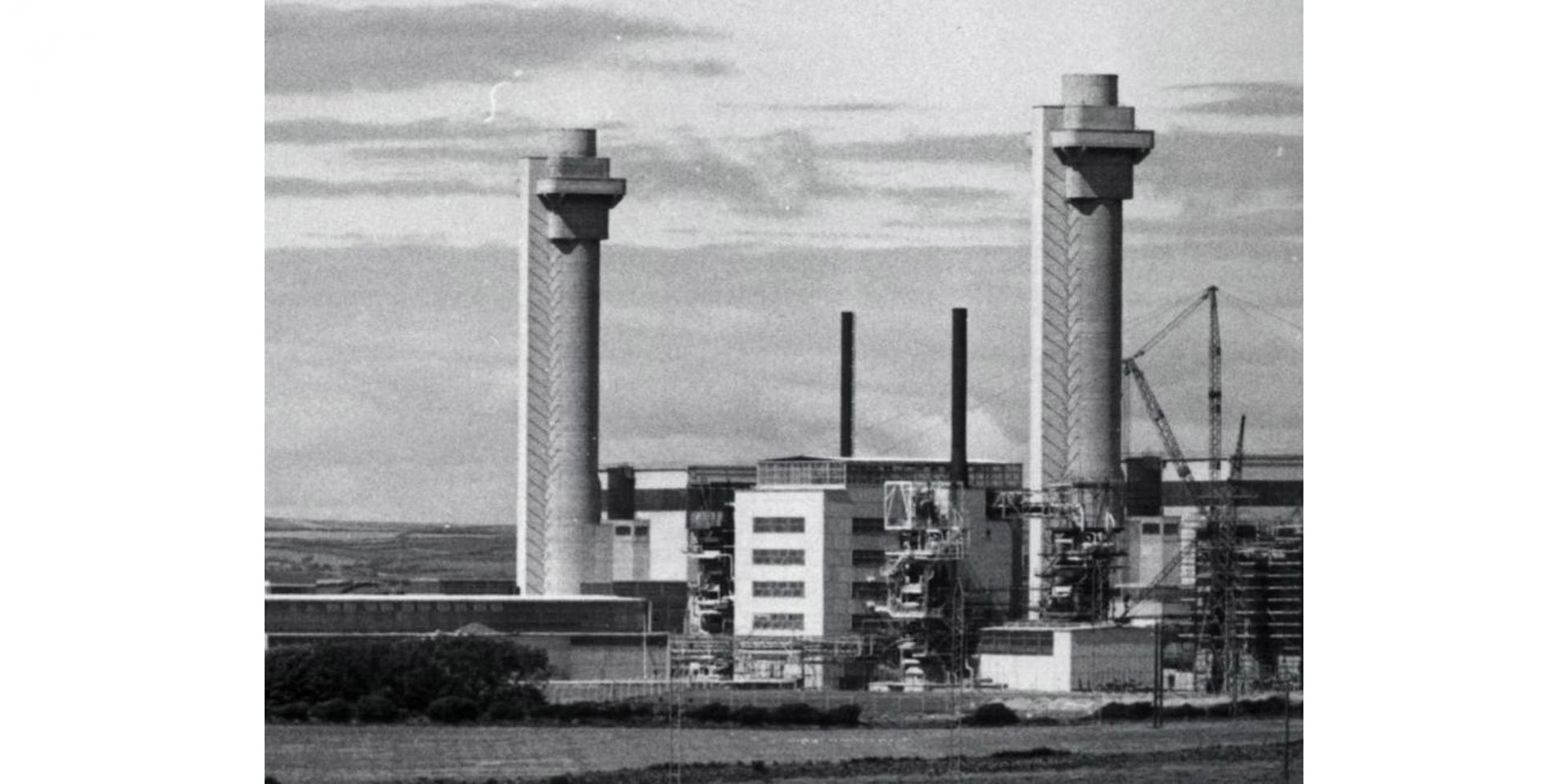
The Windscale Piles, circa 1956. (Photo: DOE)
The core of Pile No. 1 at Windscale caught fire in the fall of 1957. The incident, rated a level 5, “Accident with Wider Consequences,” by the International Nuclear and Radiological Event Scale (INES), has since inspired nuclear safety culture, risk assessment, accident modeling, and emergency preparedness. Windscale also helped show how important communication and transparency are to gaining trust and public support.
Some of the speakers at the summit. (Photo: University of South Carolina)
The second annual South Carolina Nuclear Summit held last week featured utility executives and legislators from the state, as well as leaders from Brookfield Asset Management, which is being considered to restart construction on the two abandoned reactors at the V.C. Summer nuclear power plant in Fairfield County. The summit, at the University of South Carolina’s Colonial Life Arena, attracted more than 350 attendees. The event was hosted by the university’s Molinaroli College of Engineering and Computing.
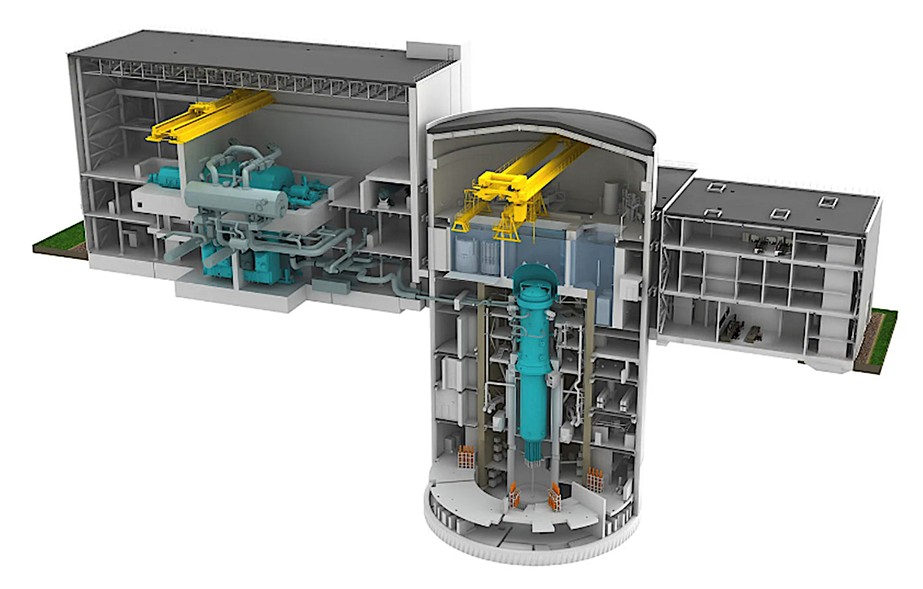
A cutaway of the BWRX-300 SMR design. (Image: GVH)
GE Vernova Hitachi Nuclear Energy’s BWRX-300 small modular reactor has completed the second step of the generic design assessment (GDA) process in the United Kingdom. In this step, the U.K. Office for Nuclear Regulation, the Environment Agency, and Natural Resources Wales did not identify “any fundamental safety, security safeguard or environmental protection shortfalls with the design of the BWRX-300.” Step 1 was completed in December 2024.