Independent nuclear waste board members asked to resign

Nuclear Newswire has learned that the Trump administration last week requested that all members of the Nuclear Waste Technical Review Board resign, except for the board’s chair, Peter Swift.
HSB Global Inspection and Engineering Services – We provide specialized inspection and certification services for boilers, pressure vessels, nuclear components, and power plants worldwide. Wherever your business takes you, we’re at your side. Global reach. Local presence.

Nuclear Newswire has learned that the Trump administration last week requested that all members of the Nuclear Waste Technical Review Board resign, except for the board’s chair, Peter Swift.
Work will support Pickering life extension and Darlington SMRs

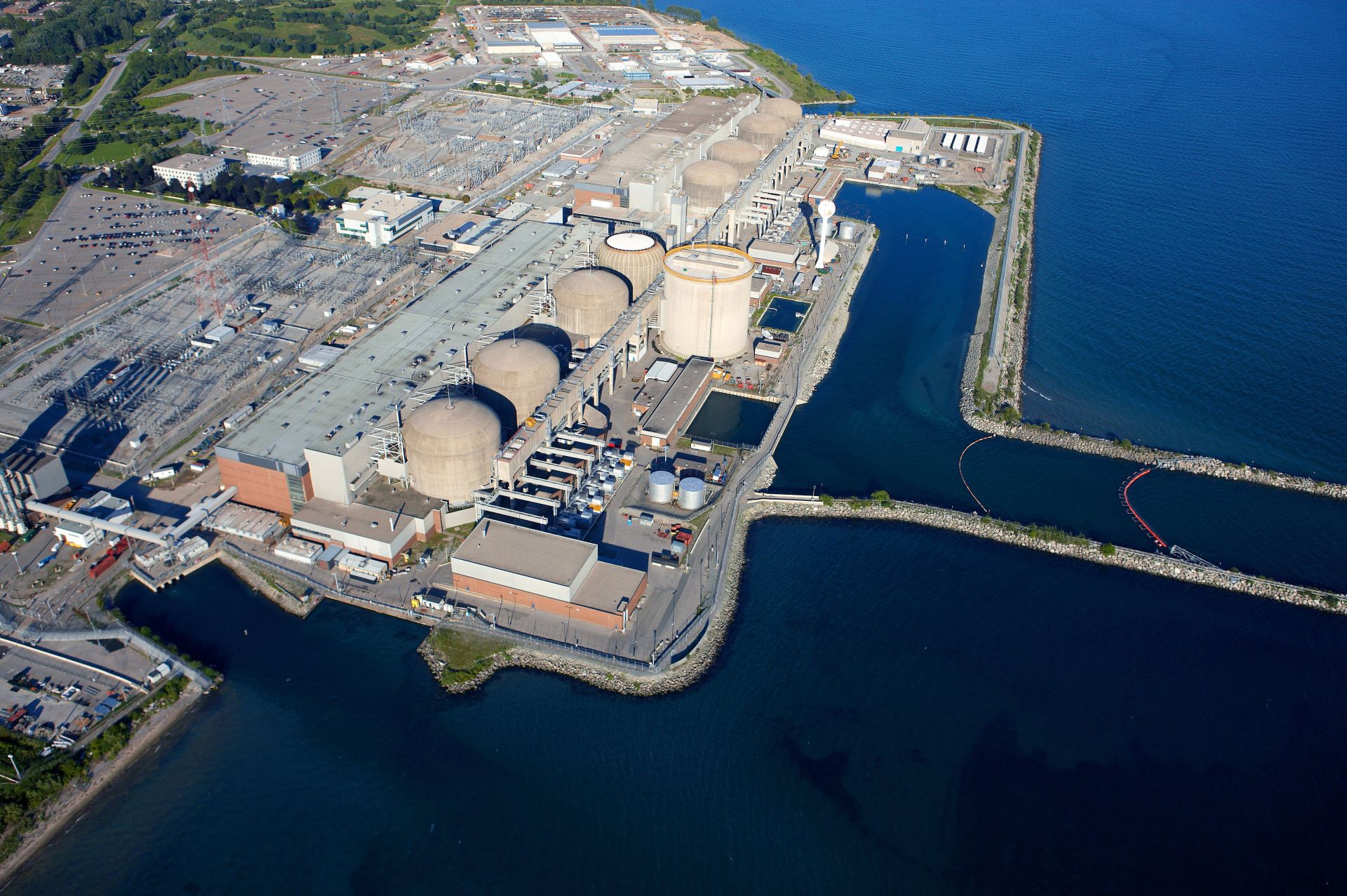
Ontario Power Generation announced this week new contracts with BWXT Canada worth more than C$1 billion ($695.4 million) for projects at the Pickering and Darlington nuclear power plants.
The ANS Public Policy Committee (PPC), represented by PPC chair Bradley Williams, approached the Board of Directors at the Winter Conference in November in Orlando with a request to approve a revision to Position Statement #12 regarding fusion energy.

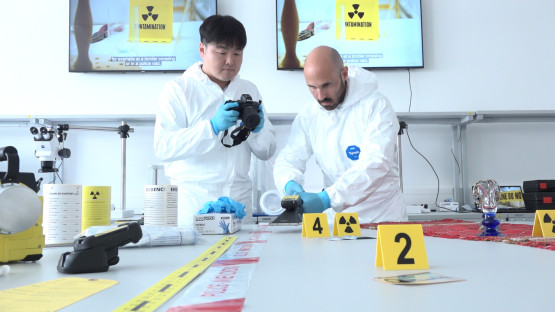
In the past year and a half, the International Atomic Energy Agency has established the Nuclear Security Training and Demonstration Center (NSTDC) to help countries strengthen their nuclear security regimes. The center, located at the IAEA’s Seibersdorf laboratories outside Vienna, Austria, has been operational since October 2023.

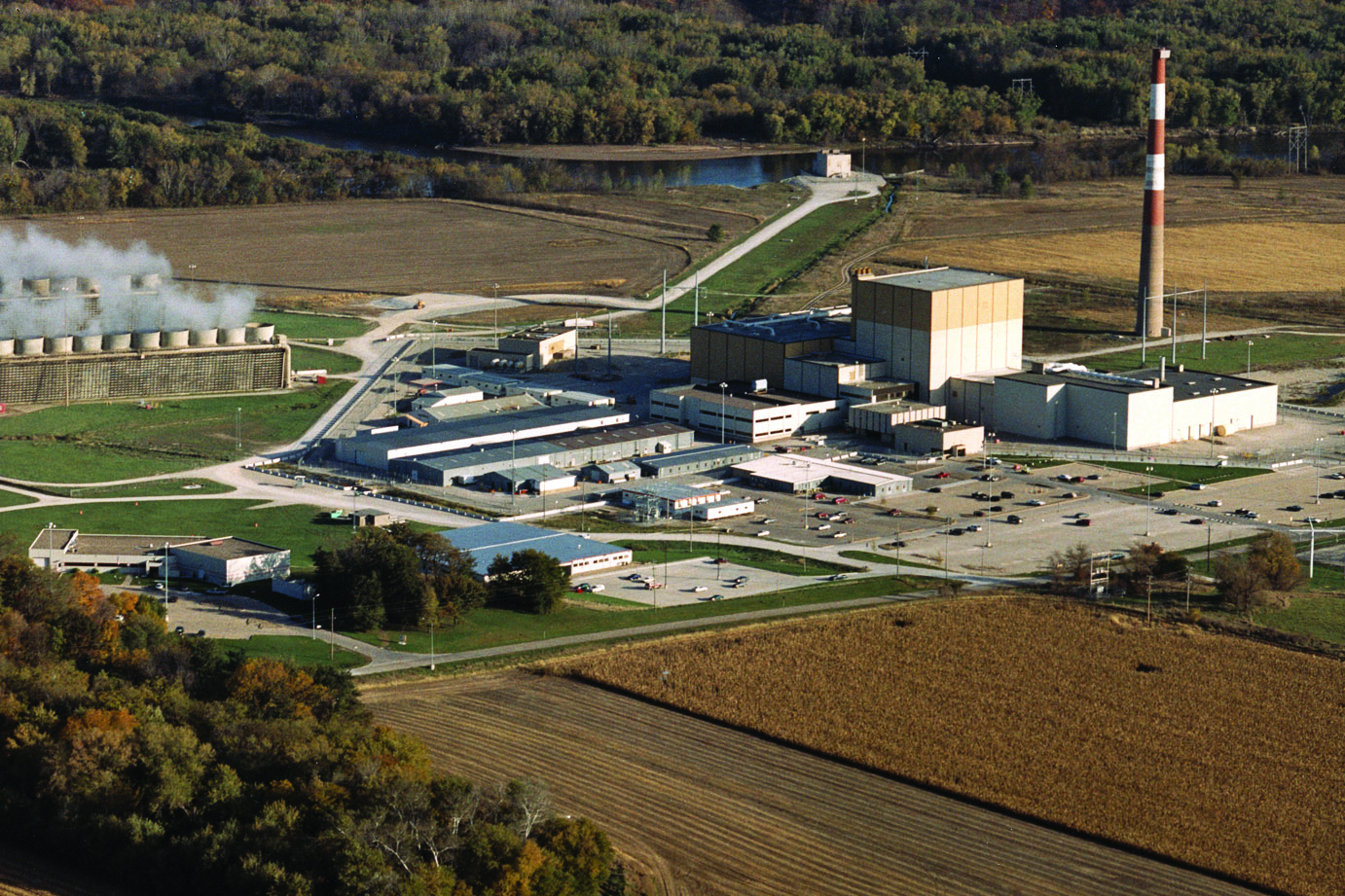
Iowa’s lone nuclear plant may soon see new life as NextEra Energy takes a step toward relicensing the Duane Arnold nuclear power plant.

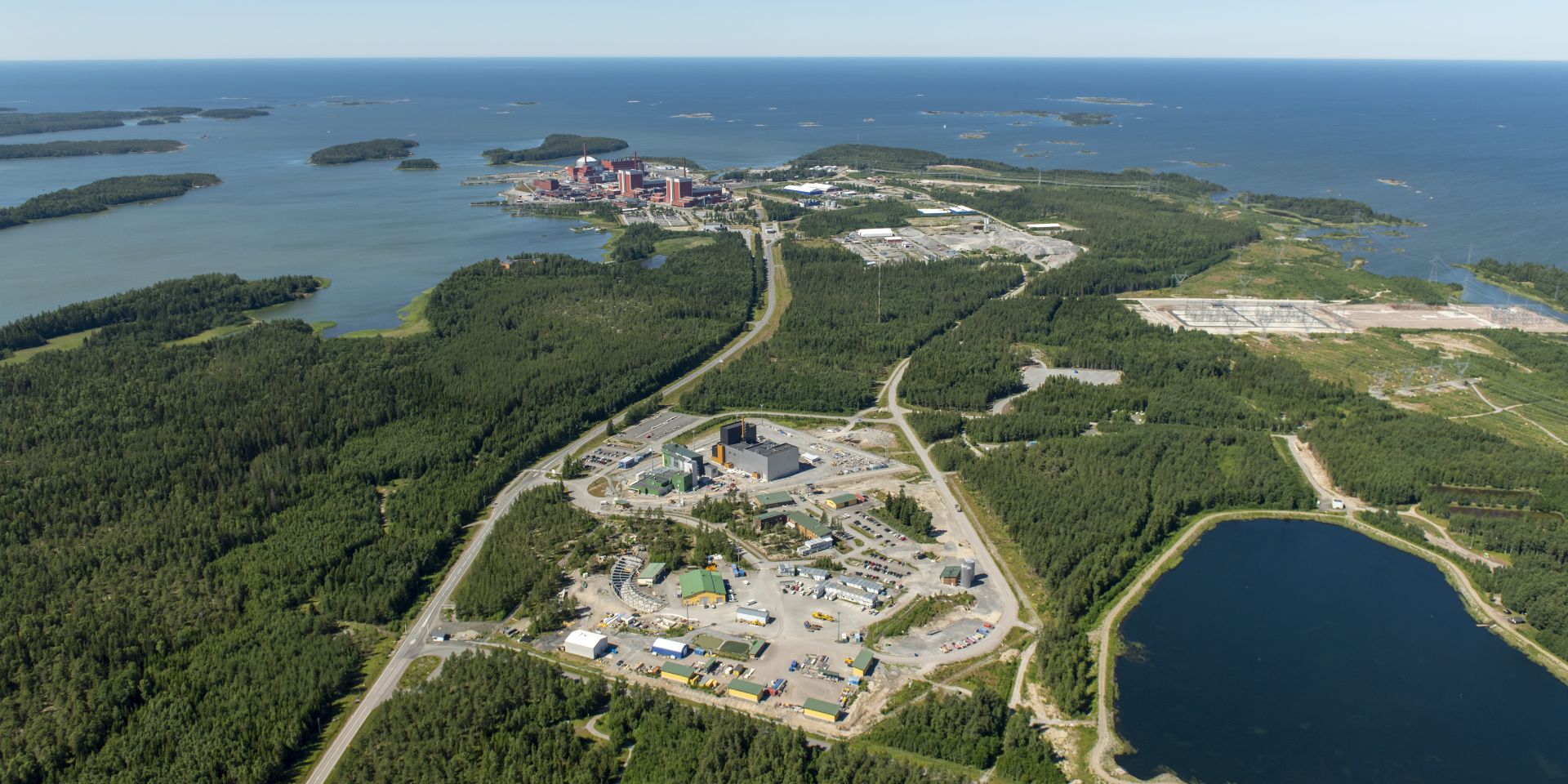
Finland’s Radiation and Nuclear Safety Authority (STUK) stated that if everything goes well, it can complete the assessment of the operating license for the country’s deep geologic repository for spent nuclear fuel “well before the end of the year.”
The Nuclear Regulatory Commission has a new mission statement to formalize the agency’s pledge to “be a part of the solution” in bringing new nuclear energy projects to life across the country.

Shuler
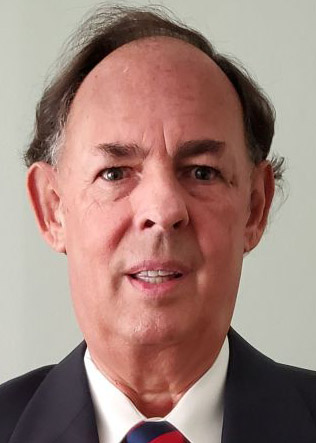
WM Symposia, which hosts the annual Waste Management Conference in Phoenix, Ariz., presented the 2025 WM Lifetime Achievement Award to James M. Shuler, a former Department of Energy manager with a career of more than 50 years in radwaste packaging and transportation.
The award recognizes the long-term commitment of the recipient to solving major nuclear waste challenges, which may include education, research, public policy, or implementation of solutions for managing nuclear wastes, and whose actions have contributed to the resolution of significant nuclear waste management issues.
The Tennessee Valley Authority announced last week the selection of several partners—Bechtel, Sargent & Lundy, and GE Hitachi—to advance plans for what the company hopes will be its first small modular reactor project at its Clinch River site.

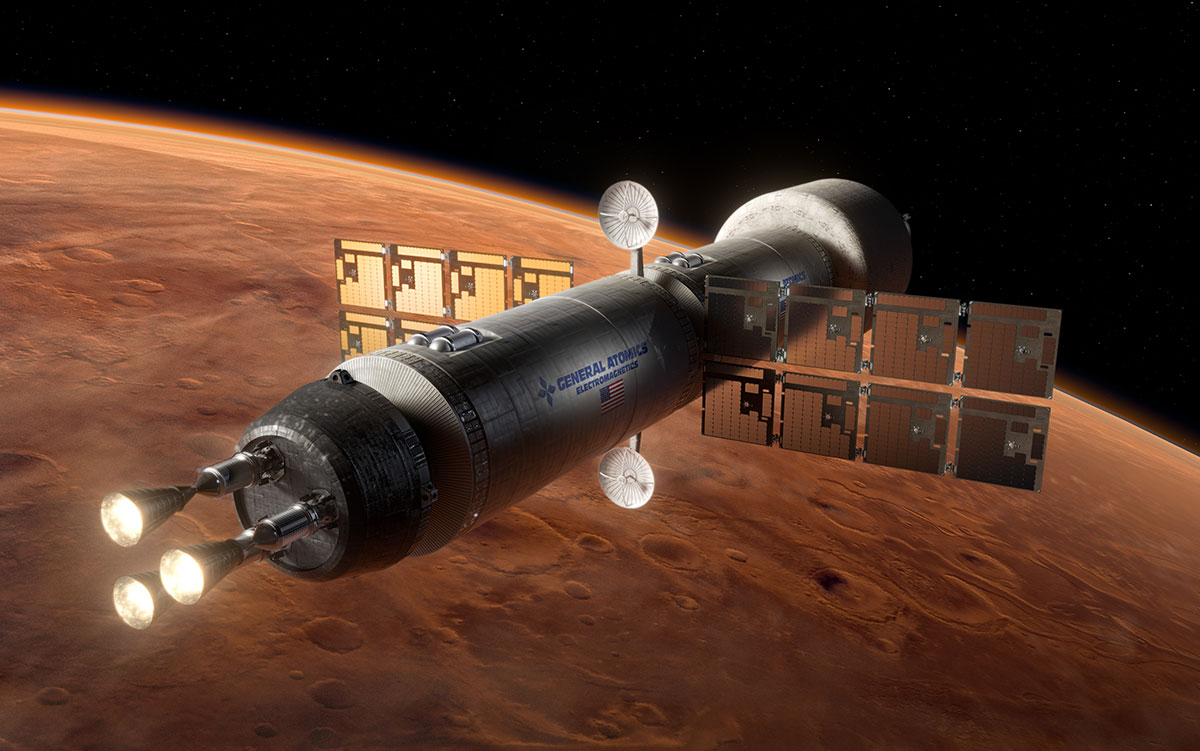
General Atomics Electromagnetic Systems (GA-EMS) has announced that it has subjected nuclear thermal propulsion (NTP) fuel samples to several “high-impact” tests at NASA’s Marshall Space Flight Center (MSFC) in Huntsville, Ala. That news comes as NASA, the Department of Defense, the Department of Energy, and multiple nuclear and space technology companies continue to build on recent progress in nuclear thermal rocket design and demonstration.

A recent article on University of Michigan’s Department of Nuclear Engineering and Radiological Sciences (UMich NERS) website highlights the university’s work on the application of artificial intelligence to nuclear engineering. Python-based Michigan Artificial Intelligence Standard Environment (pyMAISE) is a project that is providing an “automatic machine learning benchmarking library—the first of its kind created by nuclear engineers for nuclear engineers.”
A flurry of amicus briefs from states, politicians, and special interest groups were filed with the U.S. Supreme Court this week, urging the court to uphold a 5th Circuit Court of Appeals ruling that invalidated Interim Storage Partners' license for a consolidated interim storage facility for commercial spent nuclear fuel in Andrews County, Texas.

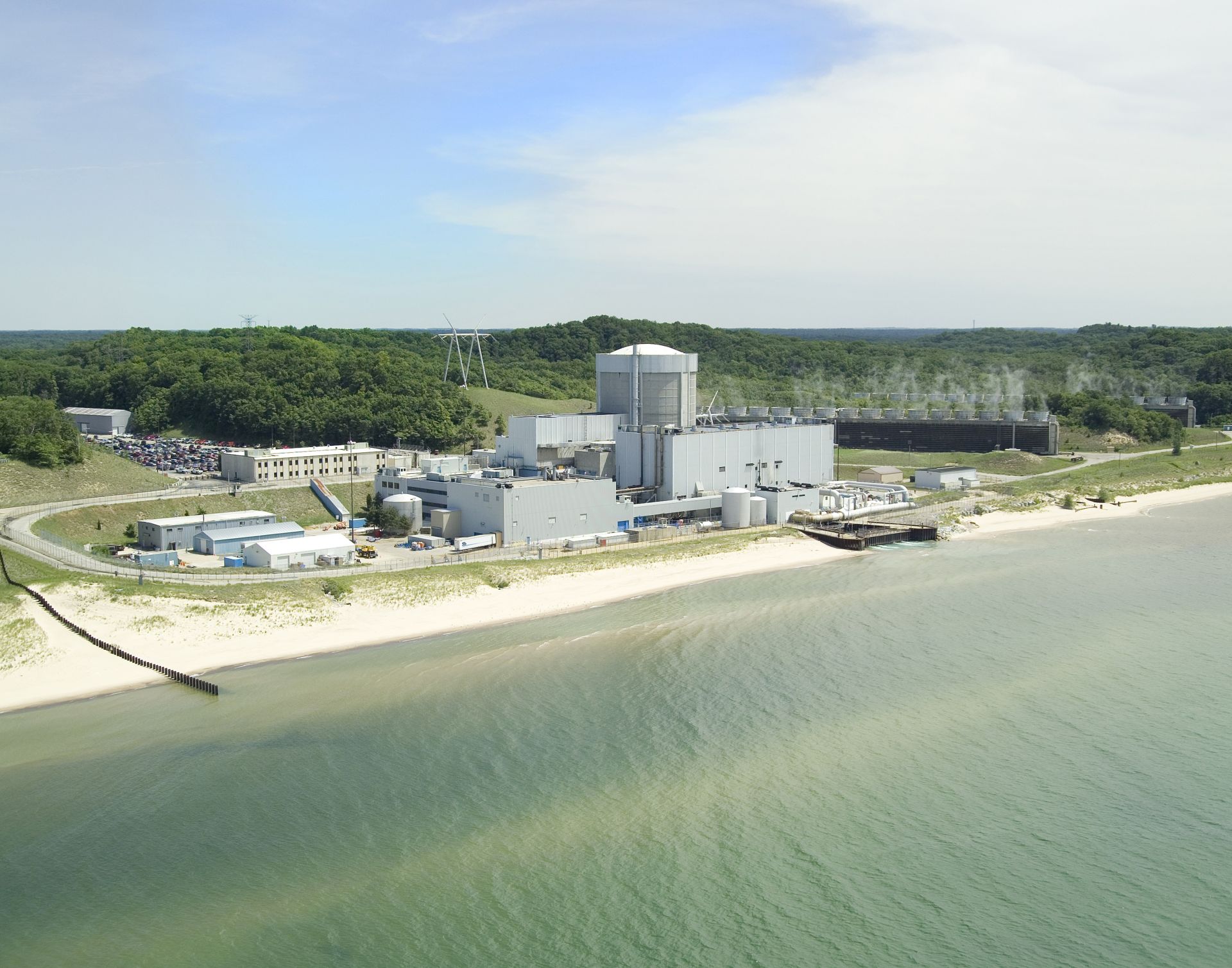
A Nuclear Regulatory Commission review board will hear oral arguments on February 12 on petitions concerning Holtec Palisades LLC.

Ann Bisconti
We welcome ANS members with long careers in the community to submit their own stories so that the personal history of nuclear power can be capured. For information on submitting your stories, contact nucnews@ans.org.
It is 1983. I receive a phone call from Herbert Krugman, my boss in my first job at Marplan, a prestigious Madison Avenue research firm. He had moved to General Electric and hired me through UCLA’s Higher Education Research Institute for research that gave GE a blueprint for recruiting top graduates from their key universities. “There is a new organization that will be looking for someone to direct all their research,” he tells me. “I can’t reveal what it’s about, but I told them they have to hire you.”
This new organization was the U.S. Council for Energy Awareness (USCEA), a forerunner of the Nuclear Energy Institute. Industry leaders had set up two main organizations in response to the Three Mile Island-2 accident: one to promote excellence in operations (Institute of Nuclear Power Operations) and one to promote excellence in communications (USCEA). I was charged with conducting all the research necessary to guide a large communications program that included advertising as well as media and public relations.

University of Tennessee–Knoxville’s Department of Nuclear Engineering highlighted the Computational Research Access Network (CRANE) program in a recent article on its website. CRANE is a free online program “that teaches computational methods in nuclear fusion to students from underrepresented backgrounds,” said Alyssa Hayes, a nuclear engineering Ph.D. candidate at UTK. Hayes is the first chair of the board of directors of the CRANE nonprofit organization.
A recent Bulletin of the Atomic Scientists article cautions that uncertainty regarding the management of wastes generated by small and advanced reactors could drive up costs, making them uncompetitive with existing light water reactor technology.
A growing number of institutional, national, and funder mandates are requiring researchers to make their published work immediately publicly accessible, through either open repositories or open access (OA) publications. In addition, both private and public funders are developing policies, such as those from the Office of Science and Technology Policy and the European Commission, that ask researchers to make publicly available at the time of publication as much of their underlying data and other materials as possible. These, combined with movement in the scientific community toward embracing open science principles (seen, for example, in the dramatic rise of preprint servers like arXiv), demonstrate a need for a different kind of publishing outlet.

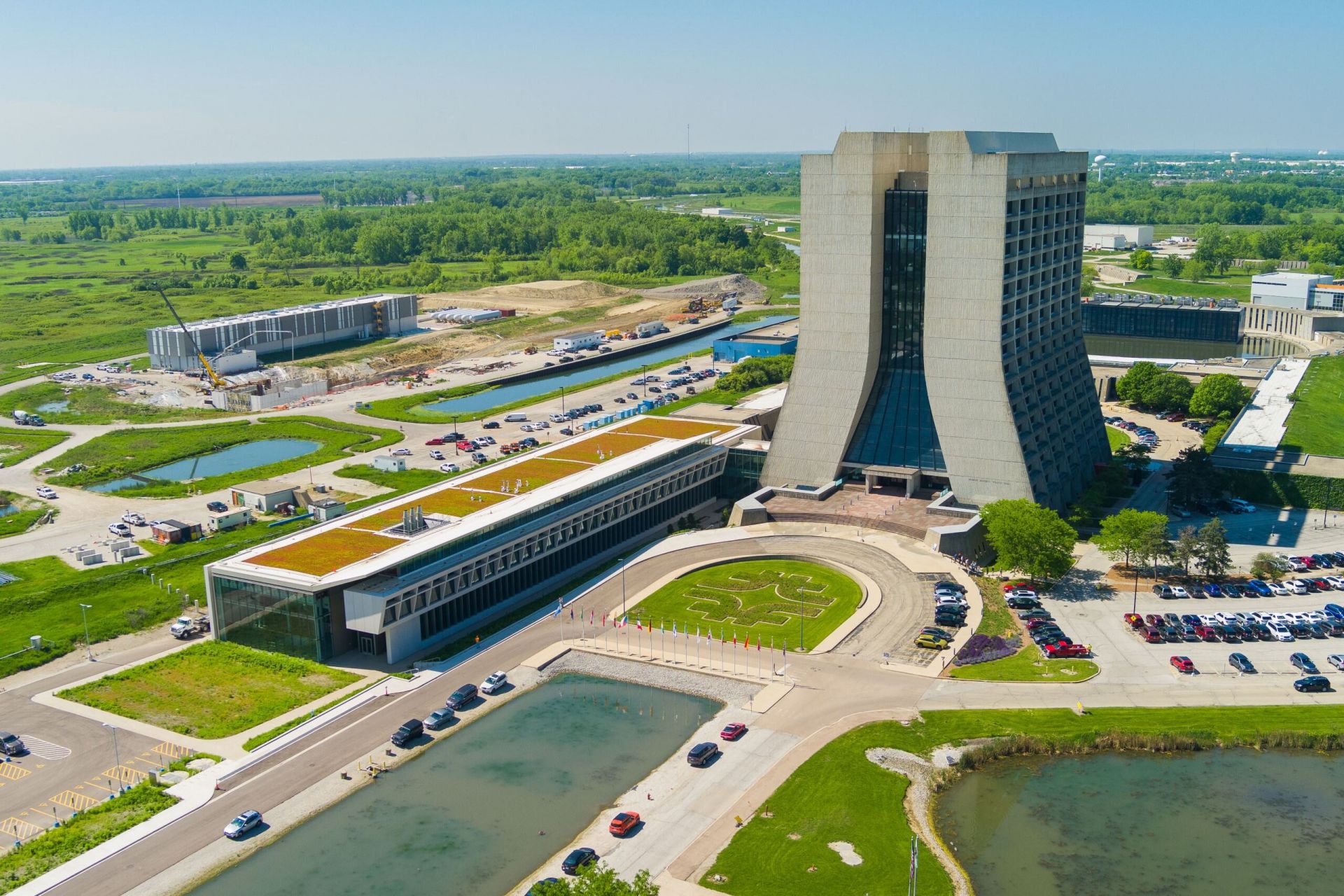
Fermi National Accelerator Laboratory’s Integrated Engineering Research Center, which officially opened in January 2024, is now known as the Helen Edwards Engineering Research Center. The name was changed to honor the late particle physicist who led the design, construction, commissioning, and operation of the lab’s Tevatron accelerator and was part of the Water Resources Development Act signed by President Biden in December 2024, according to a Fermilab press release.
A 1,300-acre site left undeveloped on the shores of Lake Ontario four decades ago could see new life as the home to a large nuclear facility.

The Department of Energy announced six Fusion Innovative Research Engine (FIRE) collaboratives set to receive funding of $107 million on January 16. The six selected teams represent a first round of awards from a funding opportunity announcement released in May 2023 as part of the DOE Office of Fusion Energy Sciences’ (FES) goal of creating a “fusion innovation ecosystem.”