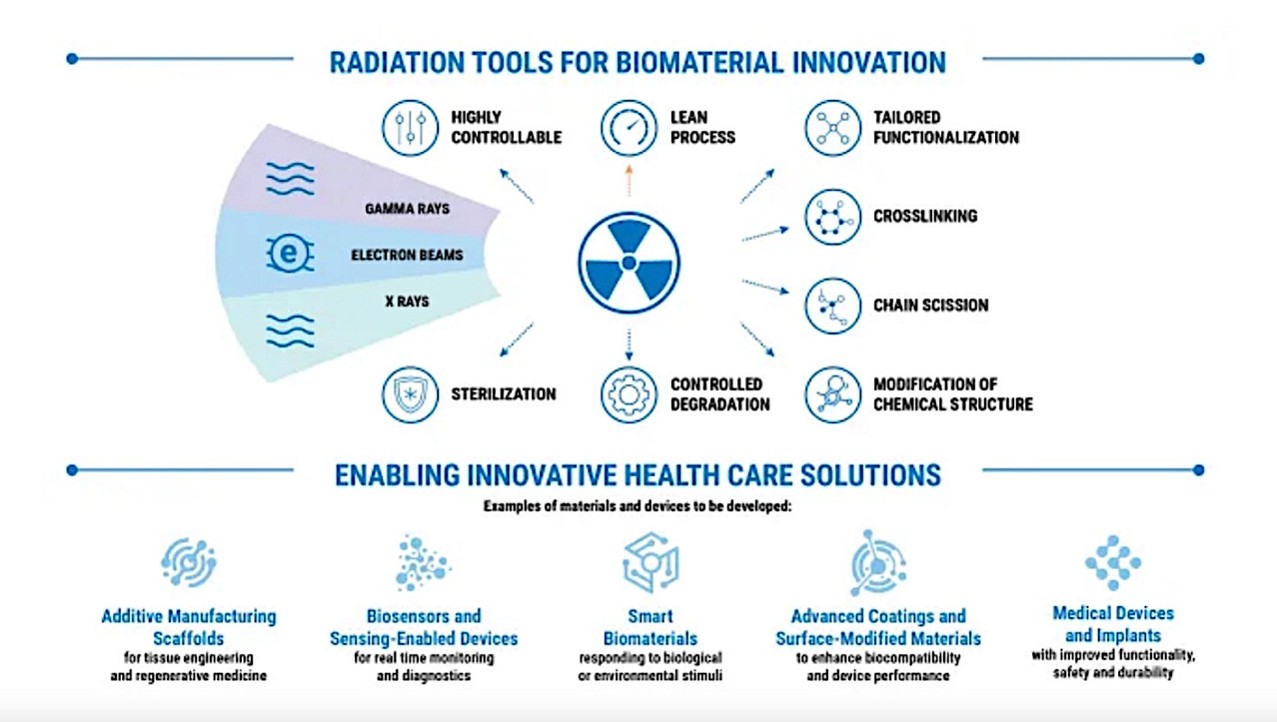
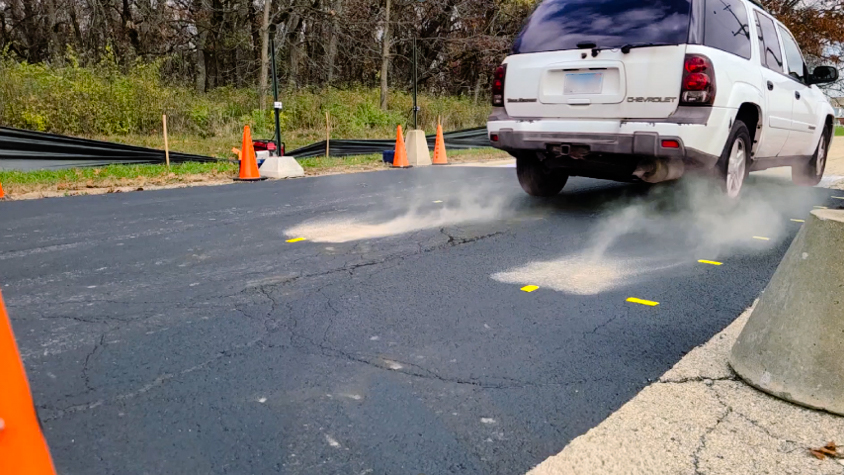
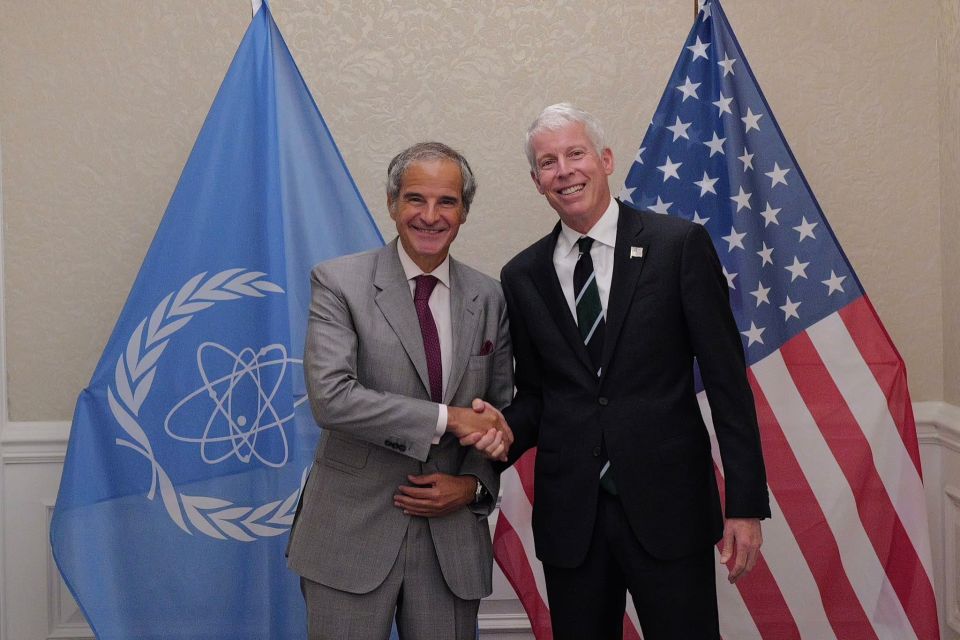
Radiation technologies: The IAEA effort is focusing on the industrial and clinical applications of radiation and nuclear technologies. These technologies can be used to precisely modify biomaterials for applications in such health care–related areas as medical device and implant design, tissue engineering, diagnostic technologies, minimally invasive procedures, and health monitoring.
Radiation technologies have potential applications in the development of “smart” biomaterials that can respond to certain biological signals in clinical settings. Researchers believe that a variety of techniques involving gamma radiation, X-rays, and electron beams could precisely alter biomaterials at molecular and microstructural levels to enhance material stability, biological performance, and sterilization. Furthermore, such techniques could enable cost-effective manufacturing while being scalable for industrial production.
Five-year CRP: Smart Biomaterials for Next Generation Health Care Products is planned as a five-year project under the IAEA’s Coordinated Research Project (CRP) program. The project’s overall goal, according to the IAEA, is “to develop and validate advanced biomaterials and medical devices by leveraging radiation technologies for controlled material modification, functionalization, and smart system integration, including sensing and signalling capabilities where applicable, thus enabling safer, more effective, and patient-specific health care solutions.”
Researchers from multiple disciplines, including materials science, biomedical engineering, and radiation technology, will work together to develop applications such as additive manufacturing scaffolds for tissue engineering and regenerative medicine, smart biomaterials for responding to environmental or biological stimuli, biosensors and sensing-enabled medical devices for real-time monitoring and diagnostics, and advanced coatings and surface-modified materials for improving biocompatibility and performance of implants and other medical devices.
Six objectives: The IAEA lists the following six specific objectives for the project as it seeks to translate research findings into clinical applications:
- Develop advanced biomaterials using radiation engineering techniques to tailor structure and function.
- Design smart biomaterials and medical devices with integrated sensing, signaling, and/or responsive capabilities.
- Establish standardized protocols for radiation processing and modification of advanced biomaterials.
- Generate preclinical proof-of-concept data to support translation toward real-world medical applications.
- Strengthen links between research groups and industry, facilitating knowledge transfer and early adoption.
- Build a strong and sustainable international research and innovation network in radiation‑engineered biomaterials.
How to submit: The IAEA requests that research proposals for this project be submitted via email by July 10 to its Research Contracts Administration section. Applicants should use the template available on the agency’s CRP website. “Preference will be given to proposals that integrate innovation, functionality, and translational relevance in the development of smart biomaterials and next generation health care products,” the IAEA said. Additional information can be obtained by contacting the project’s CRP officer via the project’s web page.