Breeding blankets cover the inner walls of a tokamak vacuum vessel, serving to transfer heat through neutron absorption, which can be used for power production.
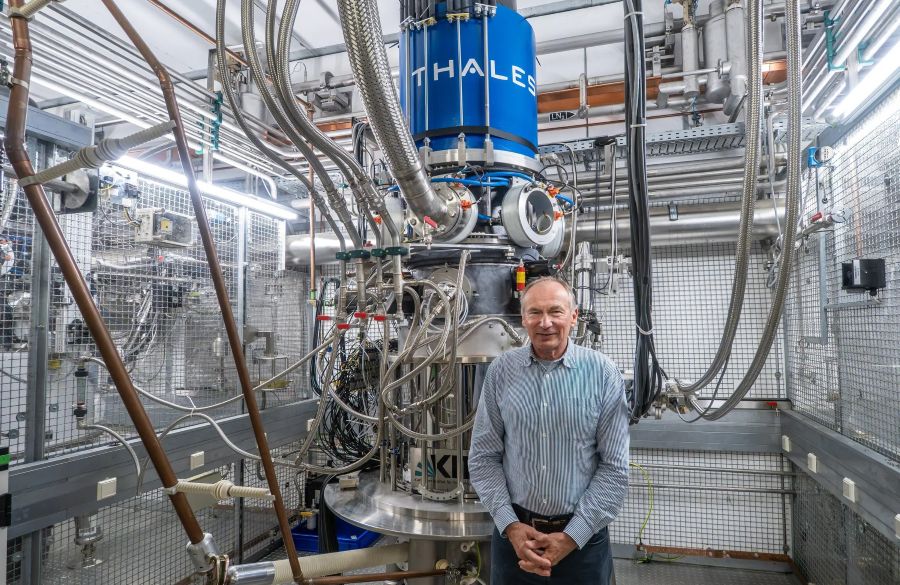
The BCTF will be used to test breeding blanket designs, including their ability to remove heat and withstand mechanical stress. Researchers will specifically test lithium-based solids, liquids, and salts that can produce the tritium necessary for a self-sufficient fusion fuel cycle and ensure safe extraction of fuel at power plant levels.
“The Blanket Test Facility would give the fusion community the speed and scale needed to derisk next-generation blanket designs,” said Brian Grierson, director of fusion energy technologies at General Atomics.
The design is expected to leverage GA’s Magnet Technologies Center, which provides advanced equipment and expertise.
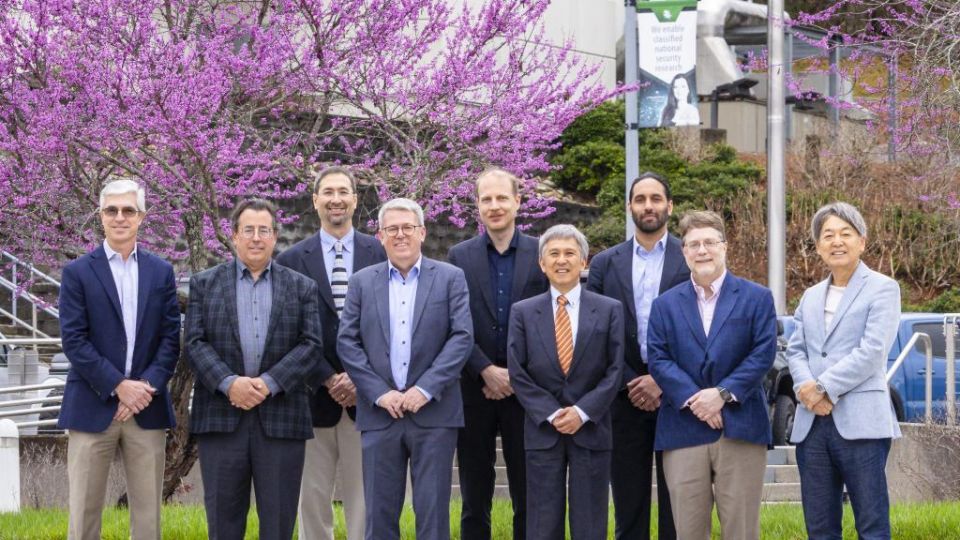
The project is a collaboration between GA, Idaho National Laboratory, Japan-based Kyoto Fusioneering, the University of California–San Diego, and other collaborators across industry and academia. The public-private partnership was initiated by a seed investment from the DOE, provided to INL to launch a preconceptual design phase and lay the groundwork for establishing key collaborations.
GA’s tokamak design: In 2022, GA announced it had developed a steady-state, compact advanced tokamak fusion pilot plant concept that would utilize the company’s proposed modular breeding blanket design made of silicon carbide–based components, which GA said would provide superior heat-removal capabilities and durability, compared with reduced-activation steel or conventional steel.