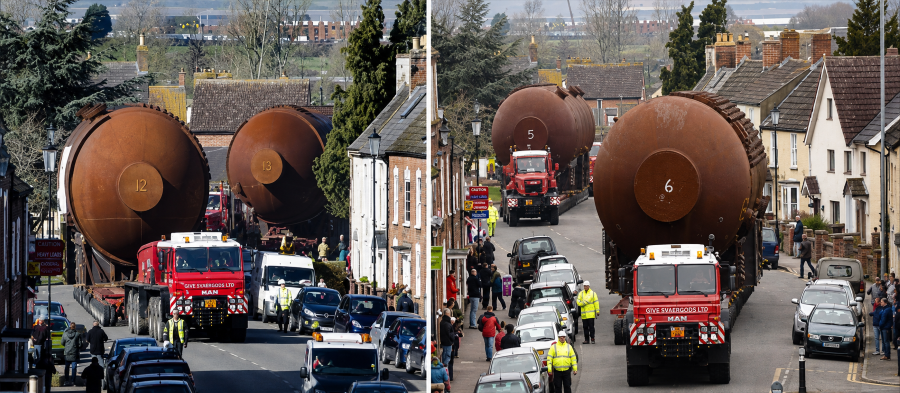
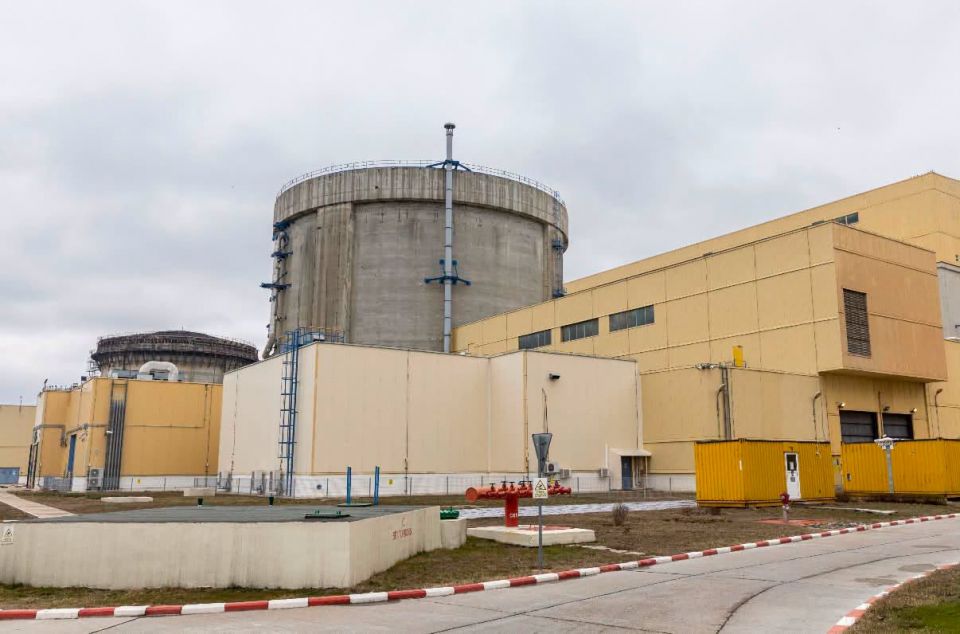
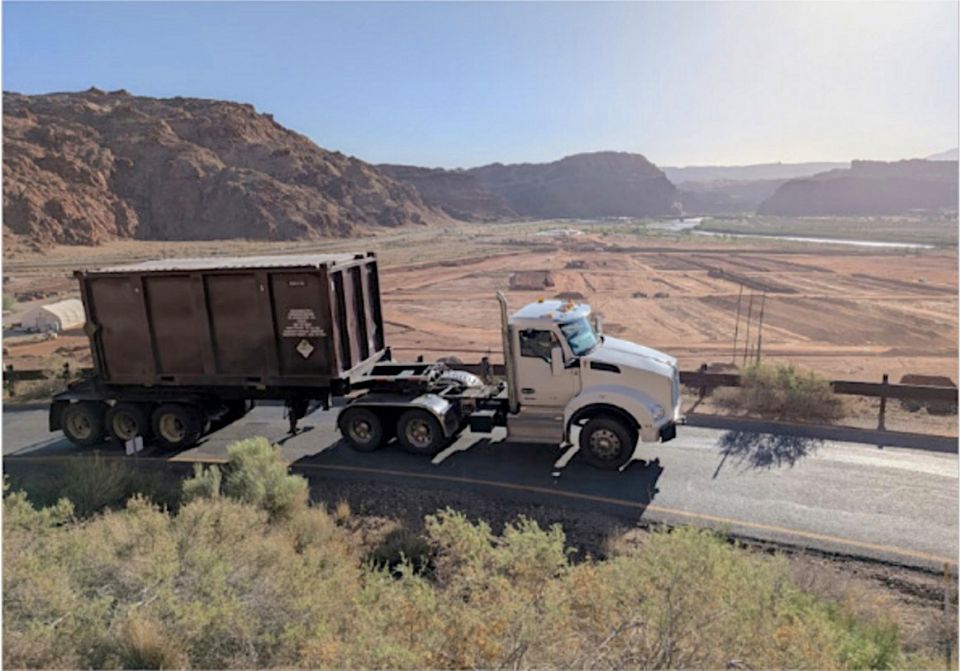
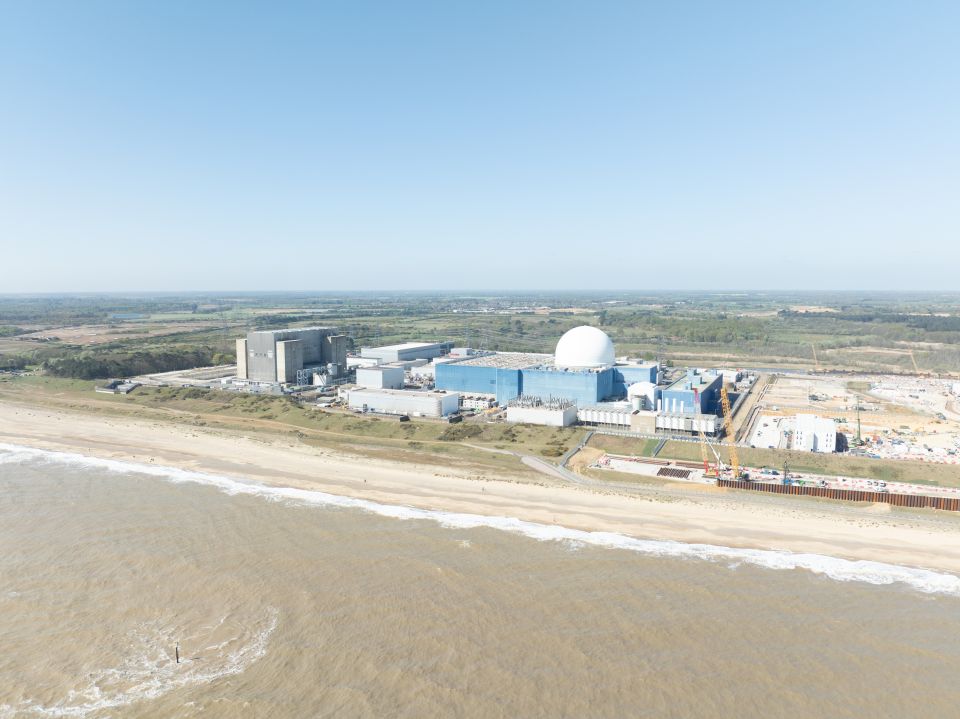
As directed by a provision passed by the U.S. Senate, the GAO performed a study of waste management in six countries—Belgium, Canada, France, Germany, Japan, and the United Kingdom—to inform DOE-EM, the office responsible for the cleanup of 15 legacy nuclear sites across the country. DOE-EM “has estimated that its cleanup mission could cost between $641 billion and $840 billion and take until 2100,” according to the GAO report.
Strategic engagement: While DOE-EM engages with other countries regarding nuclear cleanup, “this engagement is limited and not done strategically to identify alternative approaches that could reduce costs and risks,” the report found, saying that “EM does not have a fully risk-informed approach to cleanup. EM site officials told GAO they want more opportunities to engage with other countries, but EM headquarters officials stated that they typically teach other countries, rather than learn from them.”
Unless DOE-EM engages more strategically with other countries to identify alternative nuclear cleanup approaches, the report stated, it “will continue to miss opportunities to employ new approaches that its decision-makers could use to reduce risks and costs across the EM complex.”
Looking abroad: The report highlighted examples of innovative cleanup approaches in Canada, France, and the United Kingdom.
Canada has “adopted an integrated waste management strategy to address all its nuclear waste, as well as adjusted its approach to focus on accelerating cleanup activities and reducing risks at key sites,” according to the report. Among actions taken by the Canadian government is a strategy implemented in 2023 “for long-term management of all Canada’s nuclear waste, including disposal plans for certain wastes that do not yet exist.”
There also have been “accelerating decommissioning activities at the Whiteshell Laboratories, Canada’s second-largest site with nuclear waste,” the GAO said, noting that because of this, “Canadian Nuclear Laboratories now expects to complete cleanup activities at this site nearly 30 years ahead of schedule.”
In France and the United Kingdom, the development and use of “full-scale test facilities has helped . . . address technological and operational challenges to nuclear waste cleanup, in turn helping to save money and minimize disruptions to cleanup efforts, according to officials from both countries,” the GAO report found.
For example, a full-scale vitrification laboratory at the Marcoule site in southern France that “is used to conduct pilots and other demonstrations of ways to minimize the volume of nuclear waste. . . . has resulted in benefits, particularly for training and testing scenarios.”
The GAO report especially praised the United Kingdom for making several key changes and adopting a risk-informed approach to its waste management policies, including “(1) prioritizing the reduction of the highest hazards, (2) emphasizing waste minimization, and (3) focusing on proportional regulation and oversight.”
To guide these changes, the GAO said that the U.K. government “developed a May 2024 policy framework for managing radioactive substances and nuclear decommissioning.”
As a result of its policy revisions, the United Kingdom “saved a total of at least £2 billion (equivalent to $2.6 billion as of March 2026) by implementing a risk-informed approach to managing its nuclear waste. This approach helped minimize how much waste would need disposal in a repository for waste low in radioactivity.”
Belgium, too, was cited by the GAO as country from which DOE-EM can learn. It also has developed “comprehensive national nuclear waste inventories that inform their nuclear waste management efforts, including forecasting future waste inventories and storage and disposal needs, according to documents from these countries,” the GAO report said.