Centrus president and CEO Amir Vexler said, “Today’s announcement marks another milestone in our expansion, as we pivot from a technology demonstration contract to the new, larger contract aimed at commercial-scale production. The government’s investment from this contract will be matched several times over with billions of dollars in capital, including other non-dilutive, non-debt funding as well as customer contracts to restore America’s ability to enrich uranium at a large scale.”
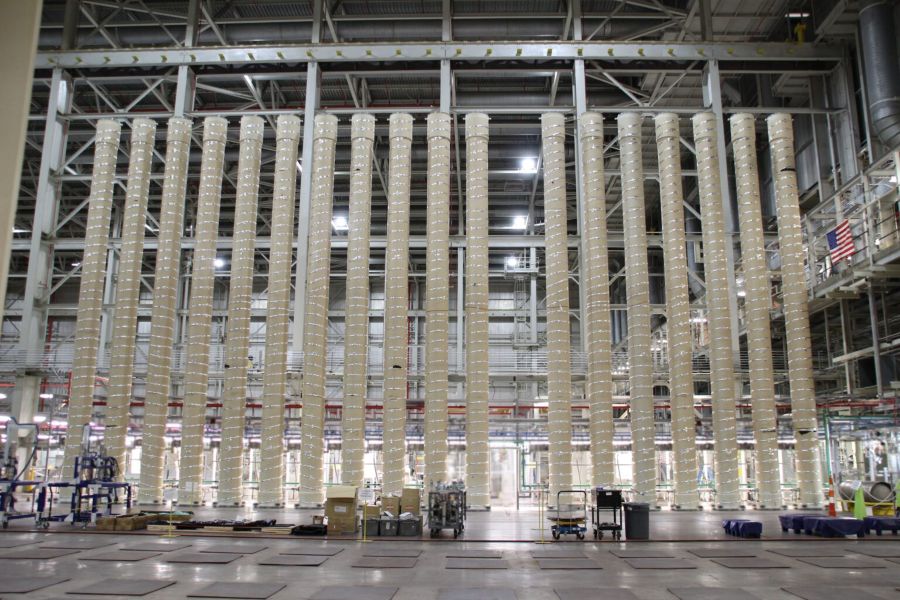
Series of contracts: A DOE contract that Centrus received in 2019 initiated its project to build a cascade of centrifuges at Piketon to demonstrate HALEU production. That contract was modified and extended in 2022 to allow more time for the demonstration. In June of last year, another contract extension allowed Centrus to continue its HALEU production at an annual rate of 900 kilograms of HALEU UF6 for another year, through June of this year. The latest contract carries on the project from that point and marks the beginning of the commercialization phase.
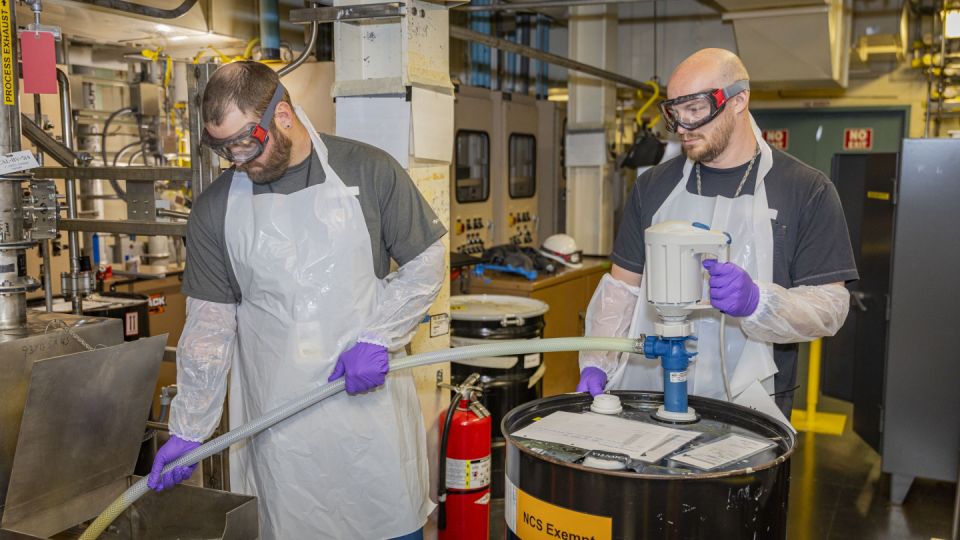
Centrus said that it “has now completed all HALEU production called for under the existing demonstration contract. Production of the final 900 kilograms of HALEU UF6 required under that contract was completed in mid-June, two weeks ahead of schedule, with a cumulative total of more than 1,900 kilograms produced over the life of the contract.”
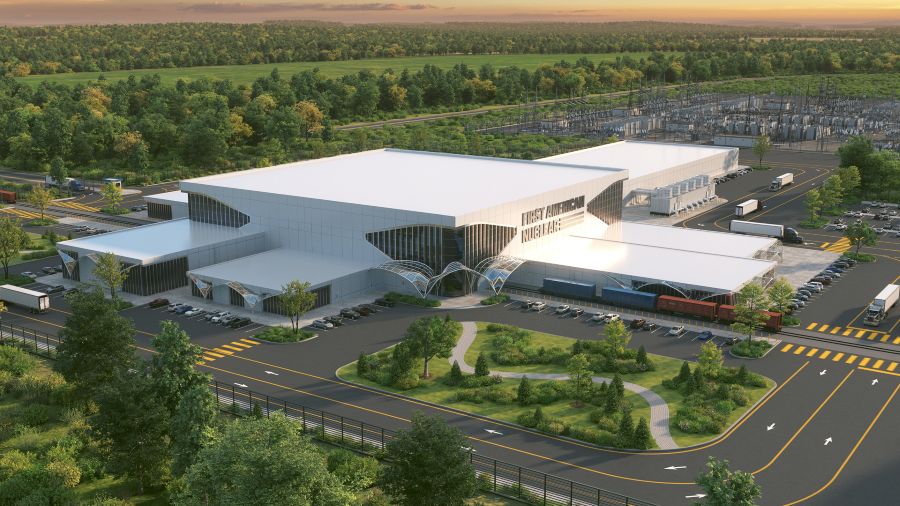
Toward commercialization: According to Centrus, the first new commercial capacity is expected to come on line by 2029. Until then, the company intends to “operate the existing HALEU cascade on a commercial basis to begin supplying the near-term needs of its customers.” Additional agreements with the DOE are expected to further enable the transition to commercial operation, including a long-term lease extension for the American Centrifuge Plant.
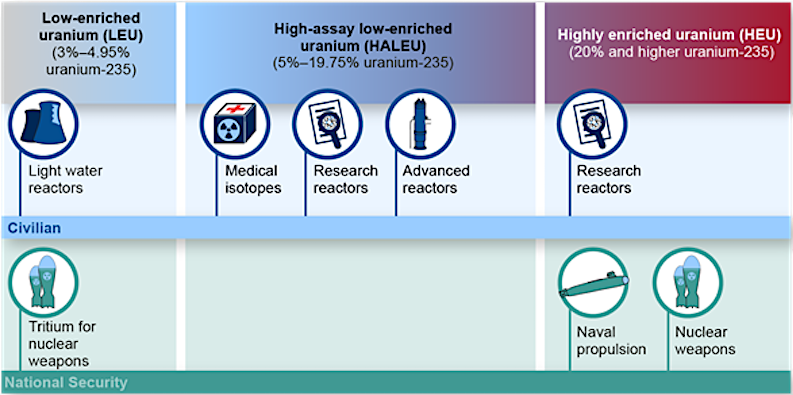
The company said that its enrichment capacity expansion is based on customer demand and capital resources, with the initial build-out to include 12 metric tons of annual HALEU production capacity, as well as enough capacity to meet the company’s LEU backlog of $2.4 billion. Then, subject to customer demand, Centrus said that it can continue expanding production of HALEU and LEU to meet market requirements.
Urenco USA’s expansion: Centrus is not the only company working to expand U.S. uranium enrichment capacity. Urenco USA has added a fifth cascade of uranium enrichment capacity at its National Enrichment Facility in Eunice, N.M.
The new cascade is part of Urenco USA’s ongoing program to install 700,000 separative work units (SWU) of enrichment capacity over a two-year period, including three additional cascades, by early 2027. The company recently announced a plan to expand the capacity of the New Mexico operation by about 50 percent. This expansion is focusing on LEU, which can serve as a feedstock for HALEU production.
Strengthening U.S. supply chain: The capacity expansion programs of both Centrus Energy and Urenco USA support the DOE’s goals of accelerating the deployment of new domestic uranium capacity and strengthening the U.S. nuclear fuel supply chain. The increased capacity is necessary to meet expected commercial demand and improve national energy security.
John Kirkpatrick, the managing director of Urenco USA, observed that the “prospects for the U.S. nuclear industry are exciting, and we are supporting it with our current capacity installation and the larger projects in the decade ahead. As the U.S. nuclear industry works to grow significantly in the coming years, our teams are demonstrating what is possible when plans become actions and results.”