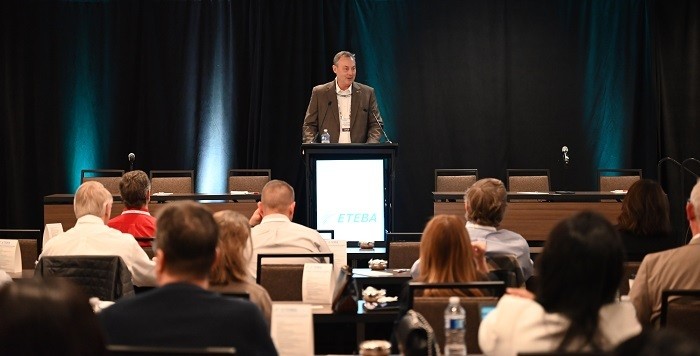
The DOE’s Joel Bradburne speaks to attendees of the Energy, Technology & Environmental Business Association’s Business Opportunities Exchange. (Photo: DOE)
Cleanup progress at the former Portsmouth and Paducah uranium enrichment plants is helping enable new opportunities for local communities to continue advancing U.S. energy and U.S. security goals, according to Joel Bradburne, manager of the Department of Energy’s Portsmouth Paducah Project Office (PPPO).
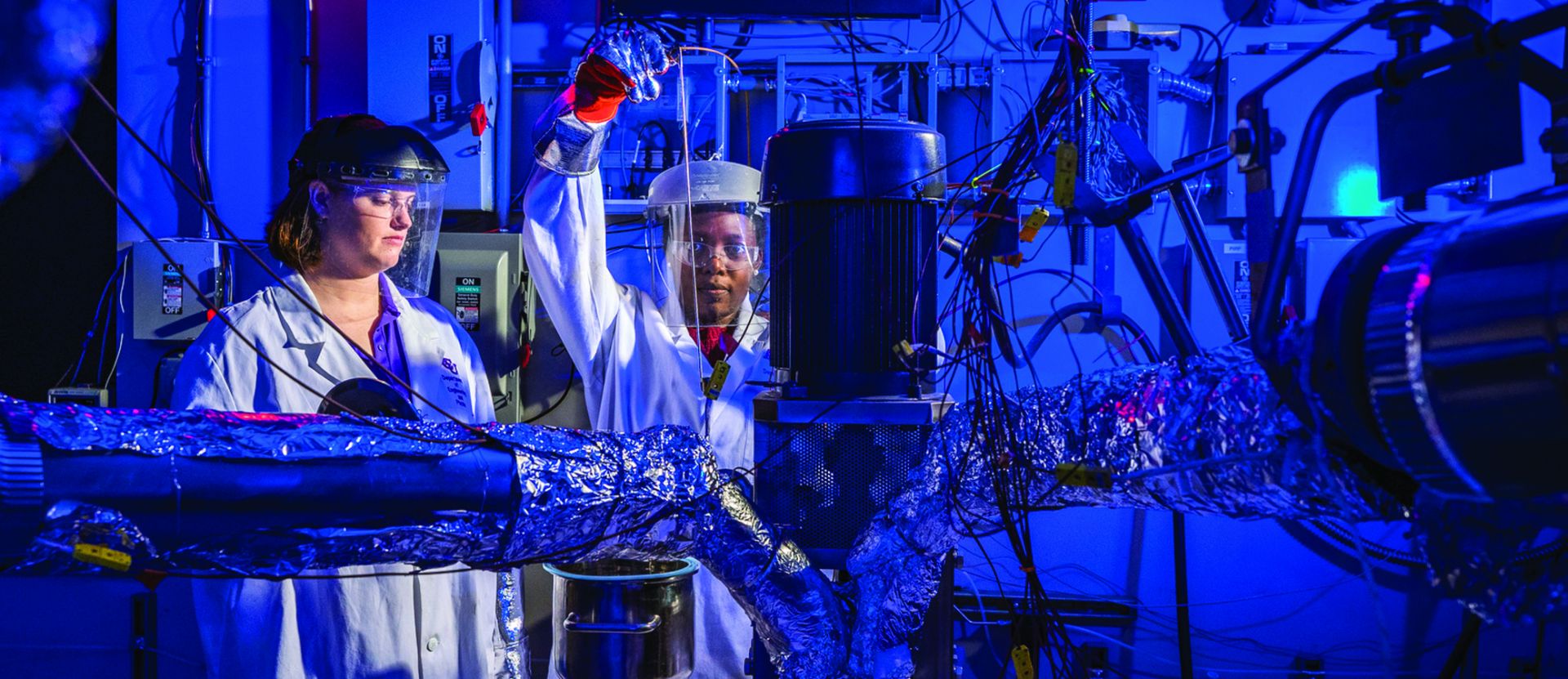
Research engineers take a sample of molten salt for the NEXT Lab. (Photo: Jeremy Enlow/Steelshutter)
The American Nuclear Society’s Chicago–Great Lakes Local Section hosted a presentation on February 27 on developments at the molten salt research reactor at Abilene Christian University’s Nuclear Energy Experimental Testing (NEXT) Lab.
A recording of the presentation is available on the ANS website.
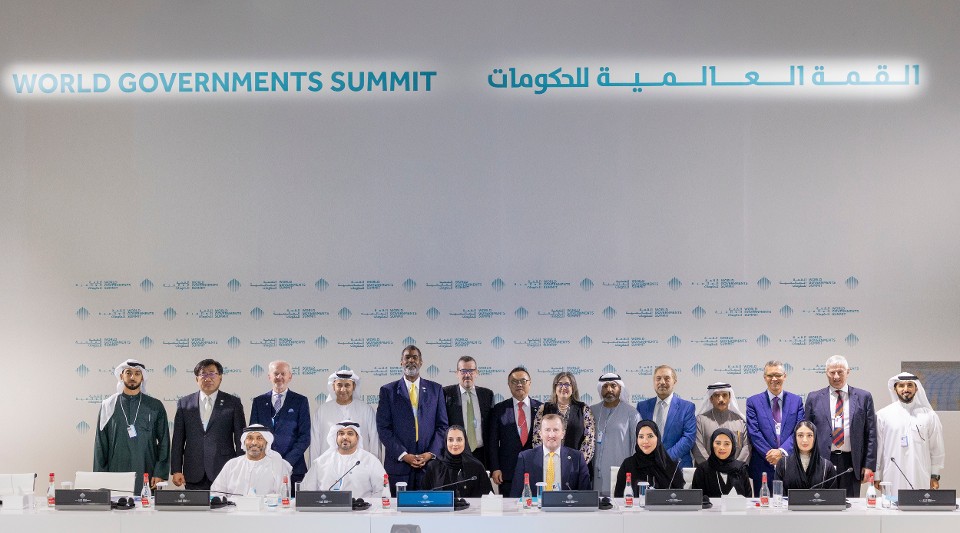
Participants of the roundtable on the potential of artificial intelligence to accelerate SMRs, organized during the World Governments Summit in collaboration with the OECD NEA. (Photo: OECD NEA)
A panel on the potential of artificial intelligence to accelerate small modular reactors was held at the World Governments Summit (WGS) in February in Dubai, United Arab Emirates. The OECD Nuclear Energy Agency cohosted the event, which attracted leaders from developers, IT companies, regulators, and other experts.
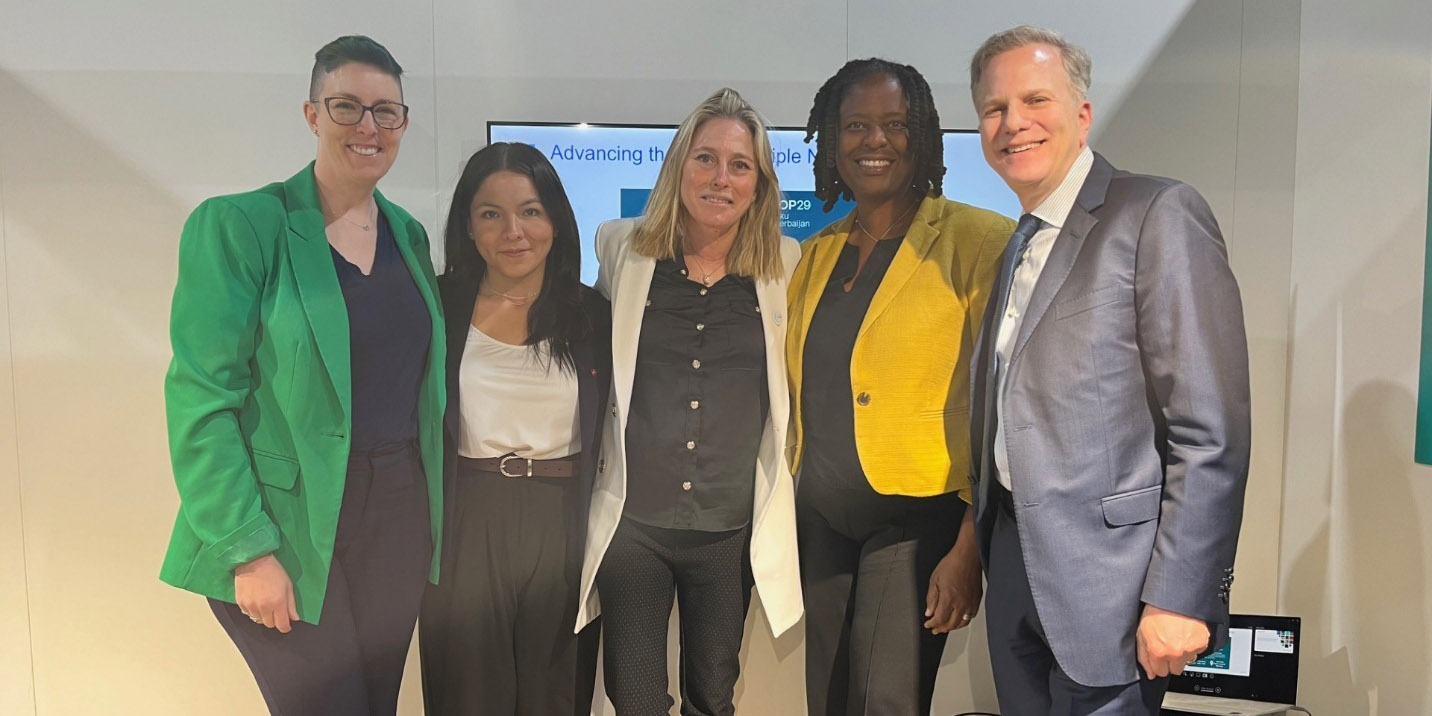
ANS’s COP29 Week 1 delegation were, from left, Gale Hauck, Shirly Rodriguez, Lisa Marshall, and Seth Grae, pictured here with WNA director general Sama Bilbao y León (center). (Photo: Seth Grae)
COP29 was good for nuclear energy, but not so good for anything else.
That was one of Seth Grae’s takeaways from this year’s Conference of the Parties—or, United Nations Framework Convention on Climate Change (UNFCCC)—held for two weeks in November in Baku, Azerbaijan. Grae, chief executive of Lightbridge Corporation and chair of the American Nuclear Society’s International Council, attended with four other ANS delegates: ANS President Lisa Marshall, Gale Hauck, Shirly Rodriguez, and Andrew Smith.
COP29 takes place November 11–22, in Baku, Azerbaijan. (Photo: Adobe Stock)
As COP29 kicked off November 11, industry advocates worldwide are hoping to draw attention and increase buy-in to the need for more nuclear capacity.
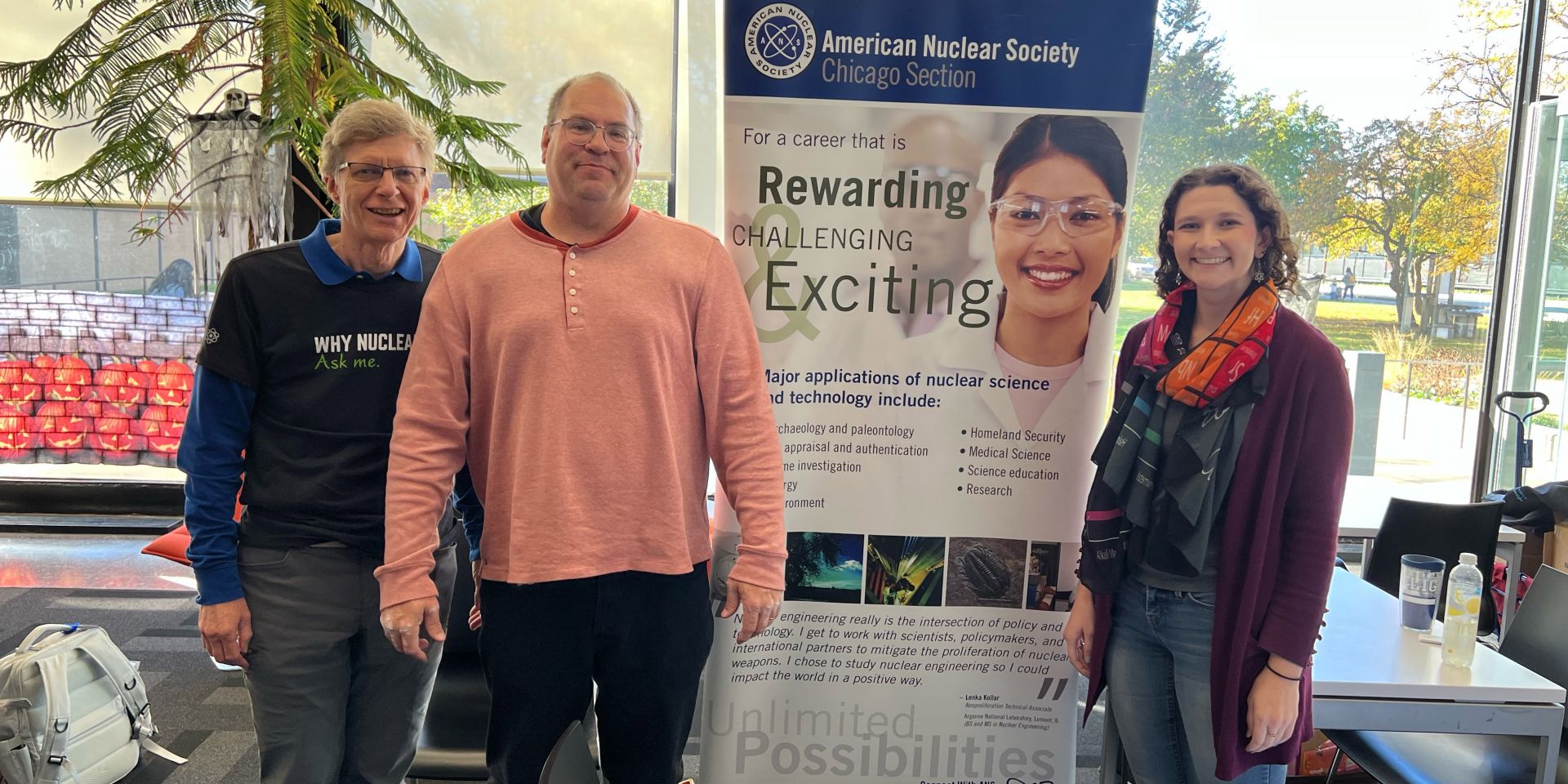
ANS members Eric Jebsen (from left), Jeff Terry, and Amanda Bachmann by the ANS Chicago Section display during setup for Nuclear Science Week at Illinois Tech. (Photo: Jeff Terry)
American Nuclear Society member Jeff Terry hosted this year’s Nuclear Science Week meeting at the Illinois Institute of Technology (Illinois Tech) on October 26. In his opening remarks, Terry, a physics professor at Illinois Tech, described the institute’s 12-year history of Nuclear Science Week events, going back to the 2012 meeting that included the Nuclear Clean Energy Indy car on display.
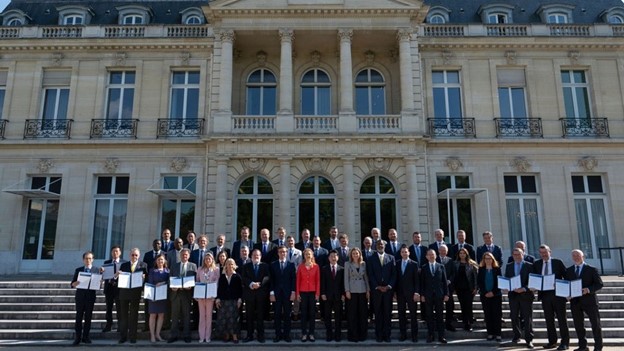
Attendees at the Roadmaps to New Nuclear conference in September. (Photo: OECD-NEA)
World leaders outlined an ambitious push and targeted plans for increasing nuclear energy capacity at the Roadmaps to New Nuclear conference, held September 19–20 in Paris, France.
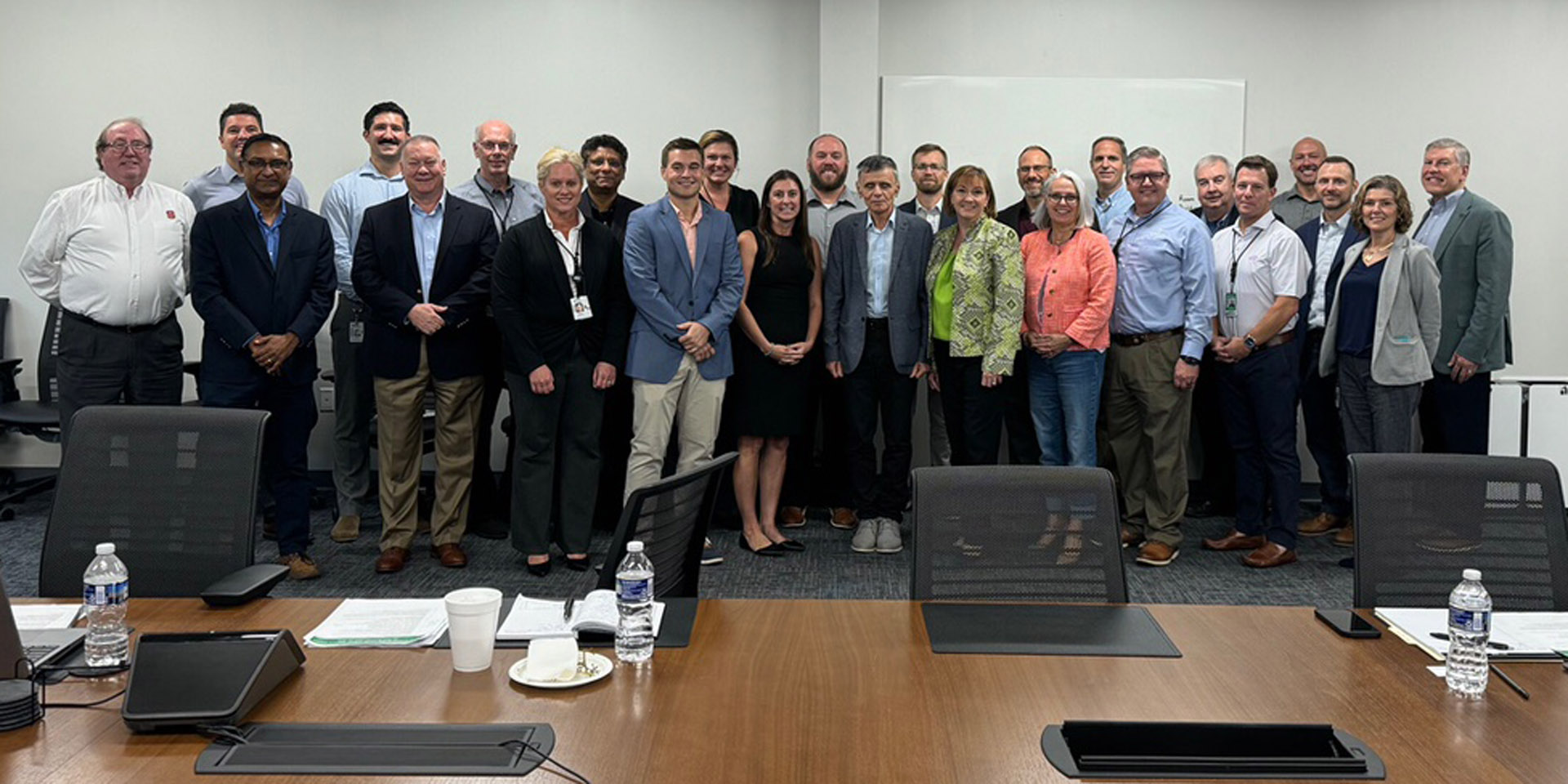
Attendees at the North Carolina Nuclear Energy Industry Advisory Council meeting. (Photo: Steve Rea)
A mix of nuclear professionals and advocates gathered las week to discuss public policy, workforce needs, and regulatory matters at a meeting of the North Carolina Nuclear Energy Industry Advisory Council.
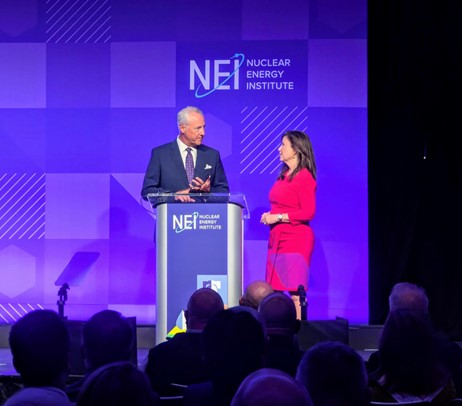
ANS’s Craig Piercy and NEI’s Maria Korsnick announced their organizations’ collaboration at NEA 2024. (Photo: Dot Schneider/ANS)
The American Nuclear Society and the Nuclear Energy Institute have announced a new partnership regarding two of their flagship industry conferences.
ANS’s annual Utility Working Conference and Vendor Technology Expo and NEI’s Nuclear Energy Assembly will merge during the week of September 8, 2025, in Atlanta, Ga. The news was shared during the kickoff of the 2024 NEA meeting, happening this week in Philadelphia, Pa.
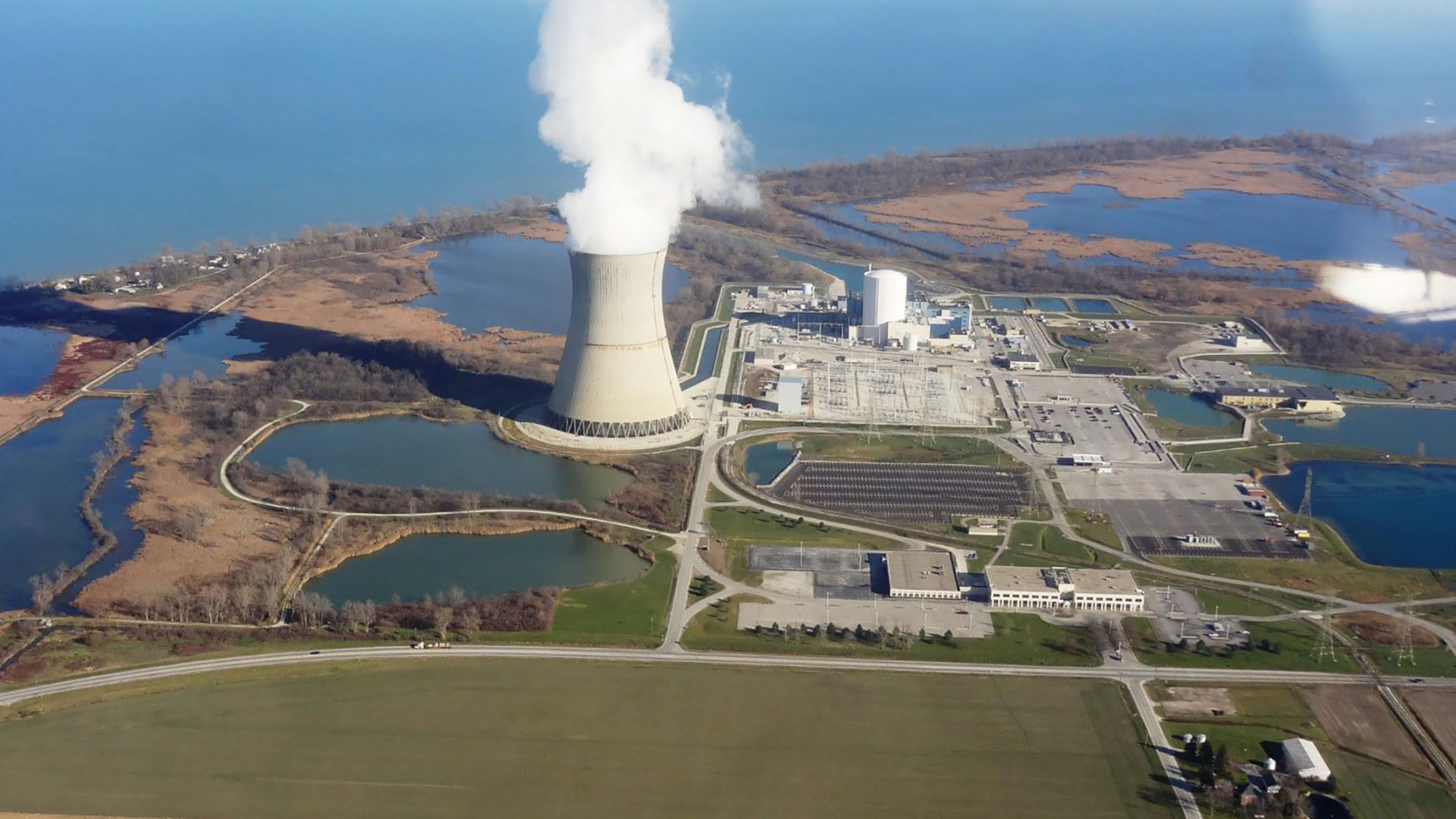
The Davis-Besse nuclear power plant. (Photo: IAEA)
The Nuclear Regulatory Commission will discuss the Davis-Besse nuclear power plant safety performance last year in a public meeting this Thursday, August 29.

-3 2x1.jpg)


 The Defense Nuclear Facilities Safety Board, which provides safety oversight of Department of Energy sites, is holding a