
Dickman sheds light on Fukushima wastewater issue during CNBC interview
Dickman
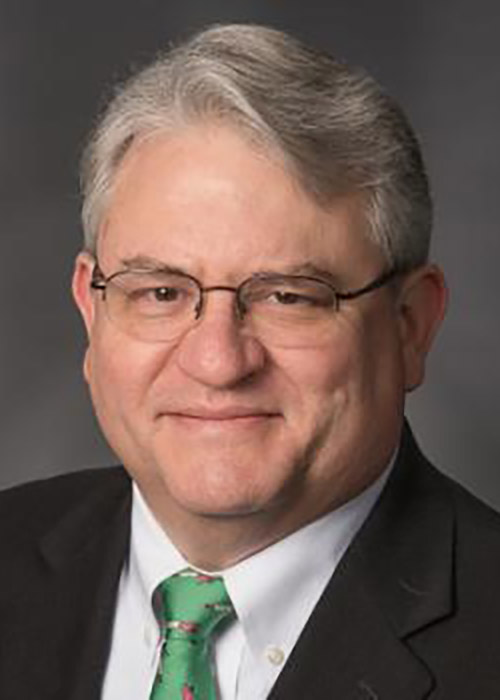
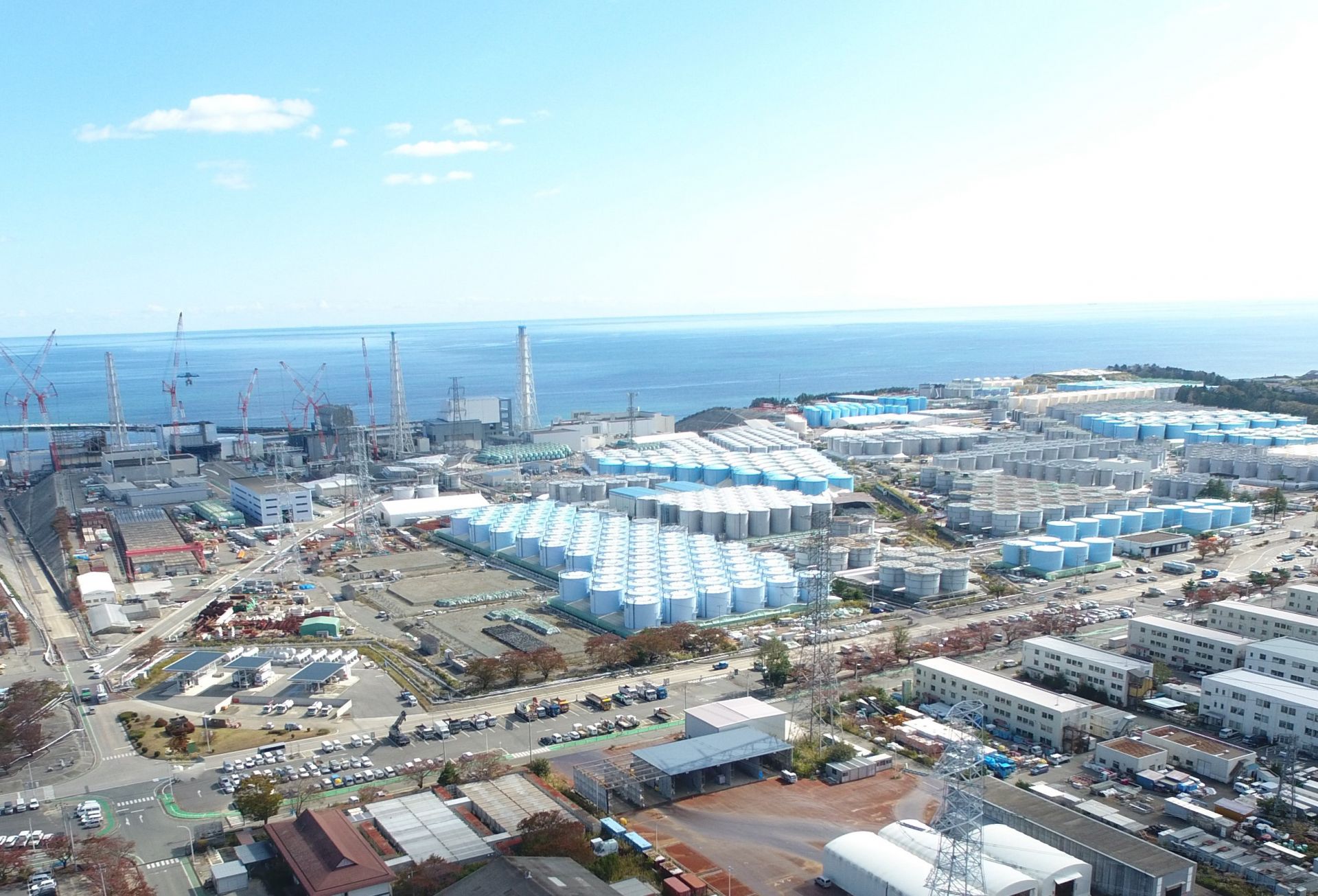
Paul Dickman, former senior official with the Nuclear Regulatory Commission who served as the study director for the ANS Special Committee on the Fukushima Daiichi accident, discussed Japan’s plans to dispose of Fukushima wastewater during an appearance on CNBC’s Street Signs Asia with hosts Amanda Drury and Tanvir Gill on April 16.
Appearing on the show as an ANS spokesman, Dickman assured the hosts that there will be no negative environmental impact from releasing the advanced liquid waste processing system (ALPS)-treated water into the Pacific Ocean. “The Japanese government has done an extraordinary effort to mitigate any harm that would be from the release of this water,” Dickman said. “Frankly, they’ve diluted it to such an extent that it would hardly be detectable above background (radiation).”
.jpg)
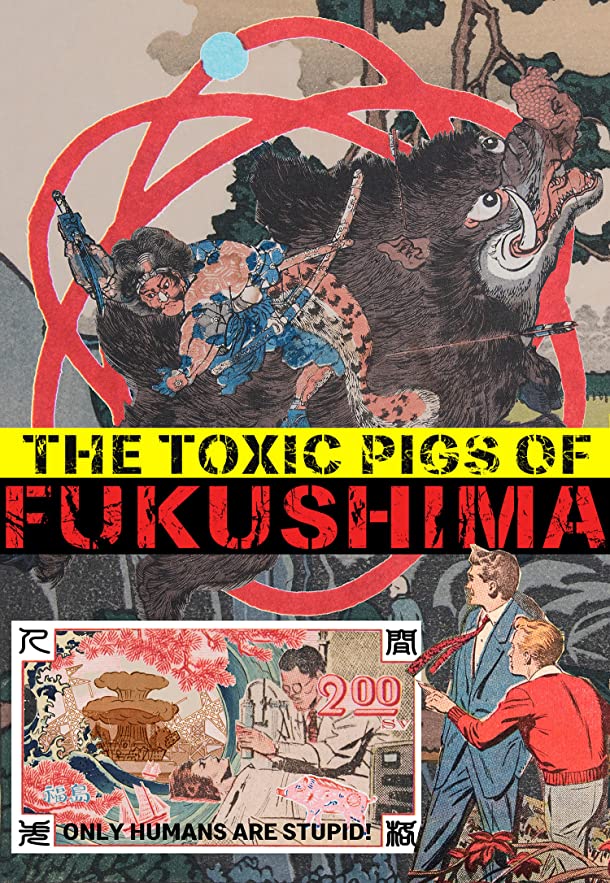 A film titled
  Wisconsin-based SHINE Medical Technologies announced on November 4 that its Therapeutics division has made its first commercial sales of lutetium-177 to multiple customers. Lu-177 is a therapeutic isotope in demand by clinical trial sponsors because of its potential to treat a range of cancers.
 Radiation has benefited mankind in many ways, including its use as an energy source and an indispensable tool in medicine. Since the turn of the 20th century, society has sought ways to harness its potential, while at the same time recognizing that radiological exposures need to be carefully controlled. Out of these efforts, and the work of many dedicated professionals, the principles of justification, optimization, and limitation have emerged as guiding concepts.
 The latest season of