Nuclear History


Proof of concept: The Molten Salt Reactor Experiment in Nuclear News

May 9, 2024, 3:00PMNuclear News
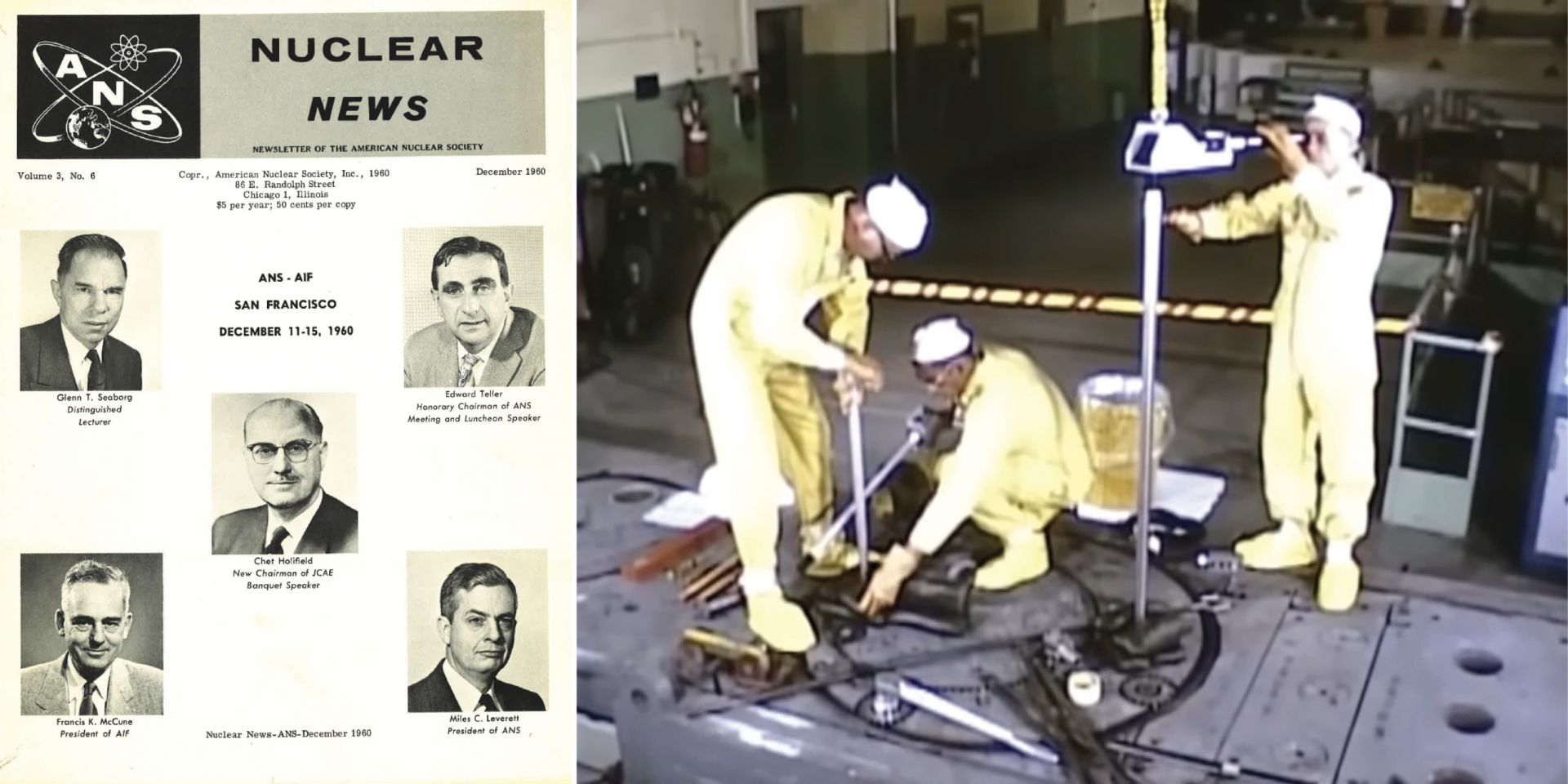
The December 1960 issue of NN, which announced plans to build the MSRE, paired with a still image from a 1969 video on the MSRE produced by ORNL.

By late 1960, when the U.S. Atomic Energy Commission authorized plans to build a Molten Salt Reactor Experiment (MSRE) at Oak Ridge National Laboratory, the lab already had about 13 years of experimentation with molten salt reactors under its longest-serving lab director, Alvin Weinberg. The MSRE operated from 1965 to 1969, proving that molten salt reactors could operate reliably, and with alternatives to uranium-235 too.

NRC to discuss decommissioning of historic NS Savannah

April 16, 2024, 9:30AMNuclear News
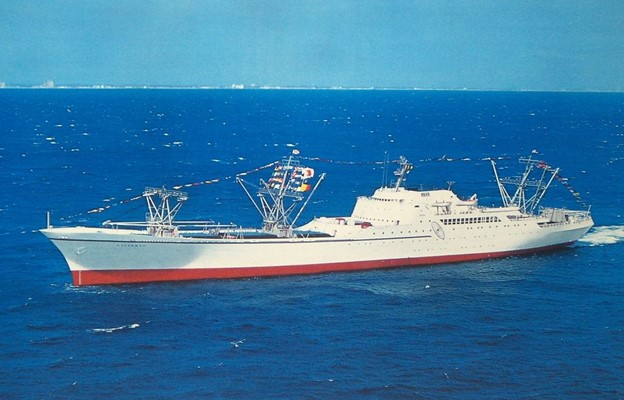
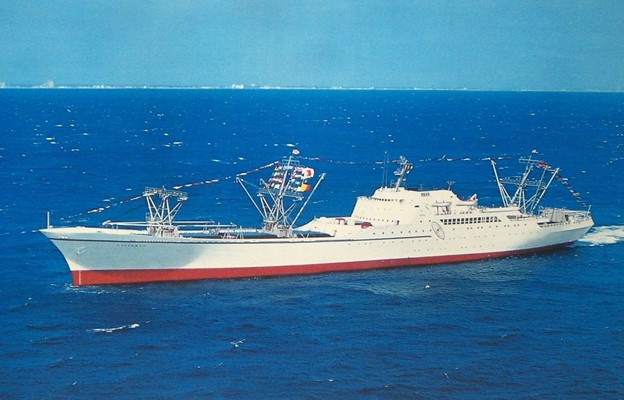
The NS Savannah. (Photo: NS Savannah Association)

The Nuclear Regulatory Commission will hold a public meeting on May 8 to discuss the license termination process for the retired nuclear-powered merchant ship, the NS Savannah. During the meeting, NRC staff will discuss the license termination process and receive public comments on the remaining cleanup activities described in the license termination plan for the historic ship, which may see a second life as a floating museum.

The SNAP-10A reactor power system

April 10, 2024, 9:31AMNuclear NewsJeremy Hampshire
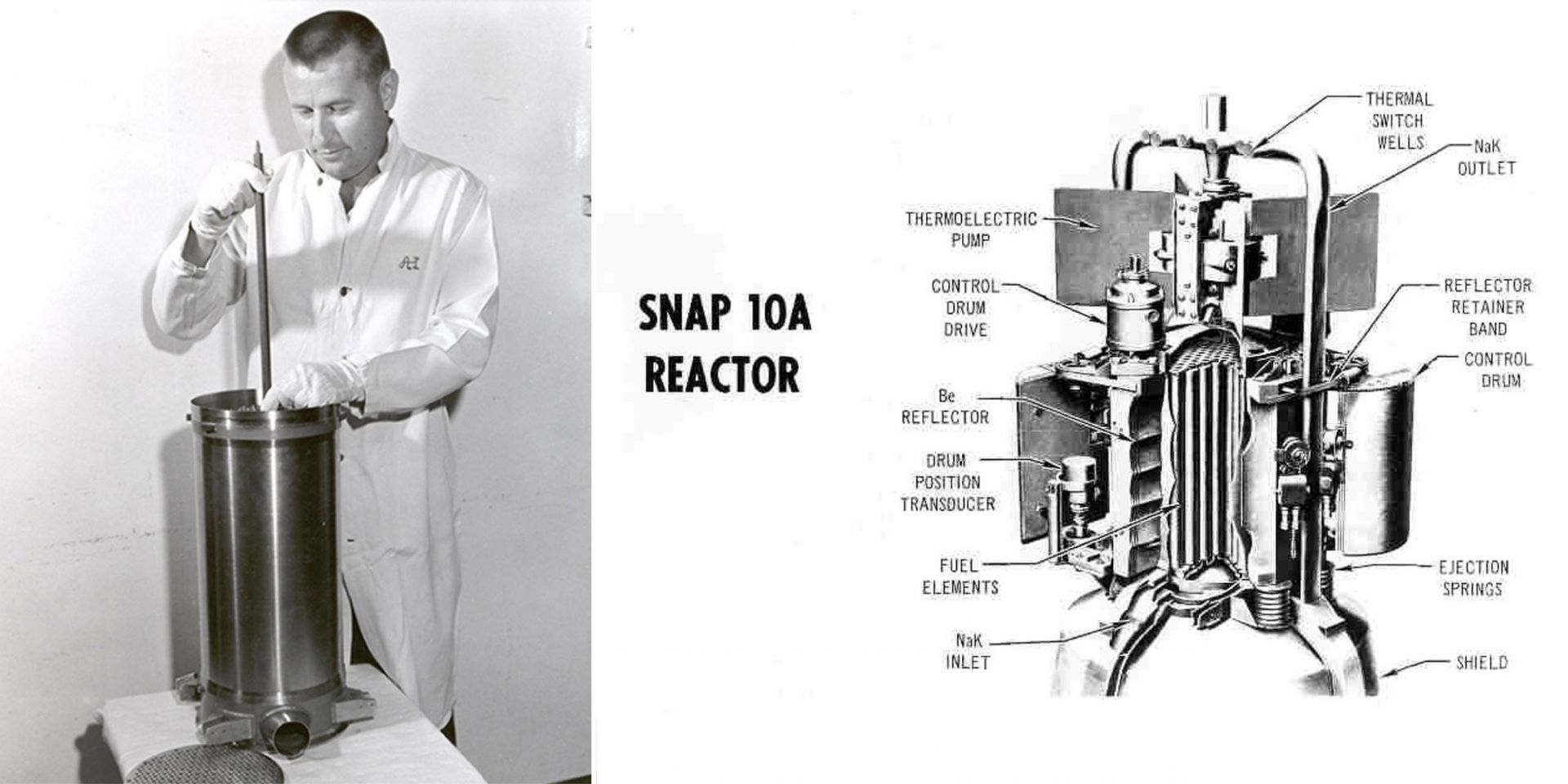
Left: A technician inserts a steel tube containing fuel into the SNAP-10A reactor core vessel. (Photo: DOE) Right: A cross-section view of the reactor. (Image: DOE)

Systems for Nuclear Auxiliary Power (SNAP) was an Atomic Energy Commission program with the goal of producing a portable and dependable power source centered around nuclear technology that could be utilized in land, sea, and space applications. The program aimed to provide a compact reactor—a necessity for space applications—and ran from 1955 until 1973, when it was discontinued.

Clementine—The world’s first fast neutron reactor

March 19, 2024, 3:00PMNuclear NewsJeremy Hampshire
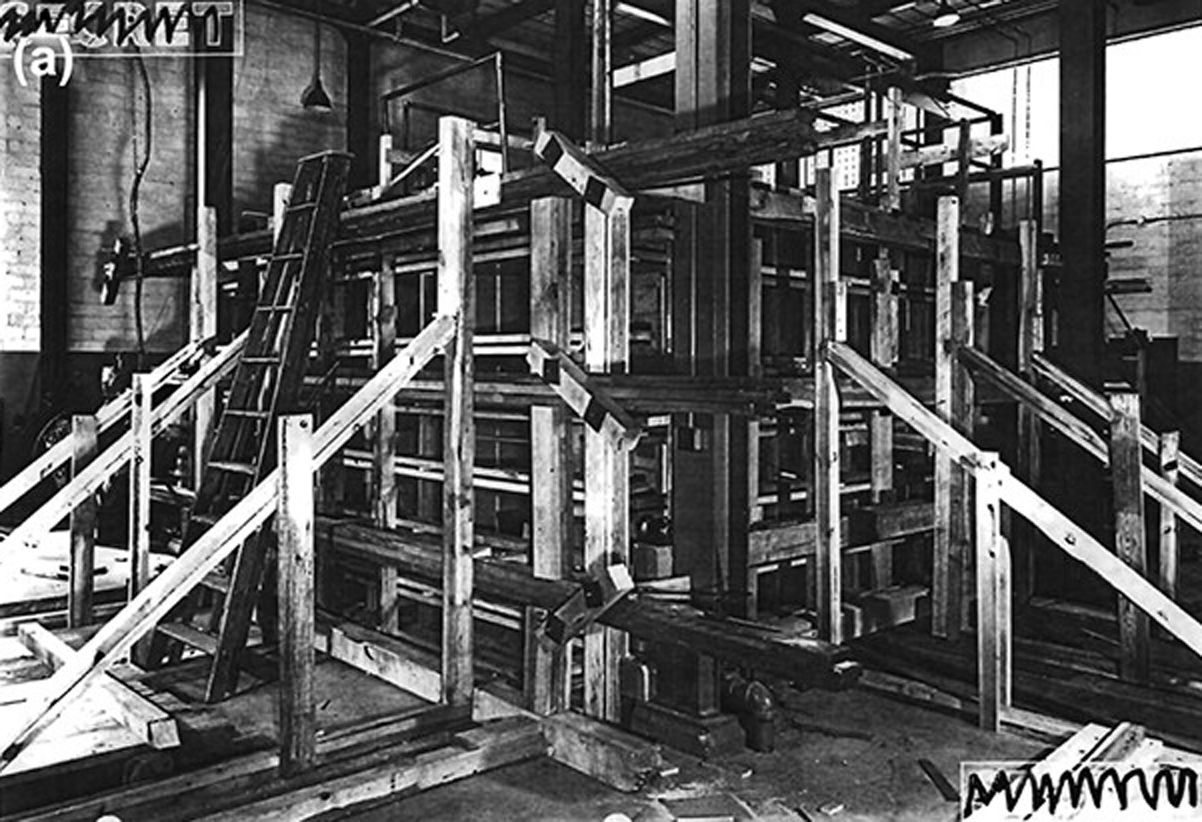
The exterior of the Clementine nuclear reactor at Los Alamos Scientific Laboratory. (Photo: LANL)

In March 1949—75 years ago this month—the 25-kilowatt reactor known as Clementine reached full power. As an experimental reactor, it had a rather long and successful run. It was the world’s first fast neutron (high-energy) reactor and operated from initial criticality in 1946 to final shutdown in 1952.

The Sodium Reactor Experiment

February 23, 2024, 3:01PMNuclear NewsJeremy Hampshire
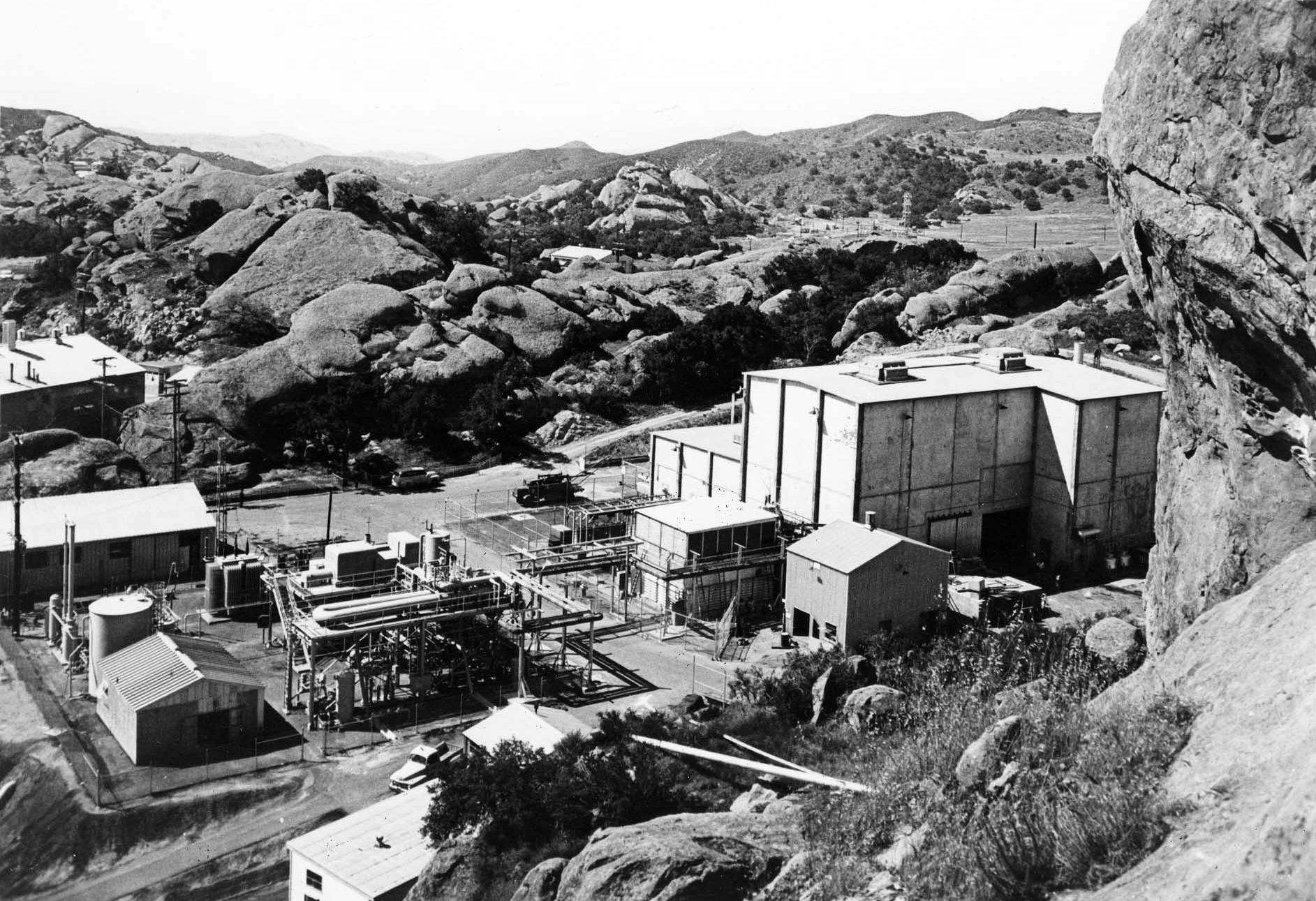
The SRE nuclear facility in 1958. (Photo: DOE)

In February 1957, construction was completed on the Sodium Reactor Experiment (SRE), a sodium-cooled, graphite-moderated reactor with an output of 20 MWt. The design of theSRE had begun three years earlier in 1954, and construction started in April 1955. On April 25, 1957, the reactor reached criticality, and the SRE operated until February 1964.

MARAD decommissioning Savannah : What’s next?

February 16, 2024, 9:30AMANS Nuclear Cafe
The N.S. Savannah. (Photo: N.S. Savannah Association)

What will happen to the retired nuclear-powered merchant ship, the N.S. Savannah? The Maritime Administration (MARAD) of the Department of Transportation is investigating possibilities for the vessel’s future, whether it be in disposition, transportation, or preservation.

Richland critiques “home, safety, [and] whiteness” of proud nuclear company town

February 12, 2024, 12:03PMANS Nuclear Cafe

Lusztig

The documentary film Richland, which won awards at the Tribeca Festival and Sheffield (U.K.) DocFest last year, continues to gain exposure. Directed by Irene Lusztig, a self-described “feminist filmmaker, archival researcher, educator, and seamstress,” the documentary explores the community and “nuclear origin story” of Richland, Washington, a town that was built by the U.S. government to house Hanford Site workers who made the weapons-grade plutonium for the atomic bombs of the Manhattan Project.

Washington State University offered a free screening of the documentary last week at its main Pullman campus, followed by a discussion with the director and Robert Franklin, an assistant professor in history at the university’s Tri-Cities campus and the assistant director and archivist for the Hanford History Project.

2023 in Review: October–December

January 16, 2024, 3:01PMNuclear News

Another calendar year has passed. Before heading too far into 2024, let’s look back at what happened in 2023 in the nuclear community. In today's post, compiled from Nuclear News and Nuclear Newswire are what we feel are the top nuclear news stories from October through December 2023.

Stay tuned for the top stories from the rest of the past year.

2023 in Review: July–September

January 12, 2024, 9:29AMNuclear News

Another calendar year has passed. Before heading too far into 2024, let’s look back at what happened in 2023 in the nuclear community. In today's post, compiled from Nuclear News and Nuclear Newswire are what we feel are the top nuclear news stories from July through September 2023.

Stay tuned for the top stories from the rest of the past year.

Remembering ANS Past President Joseph Hendrie

January 11, 2024, 3:01PMNuclear News

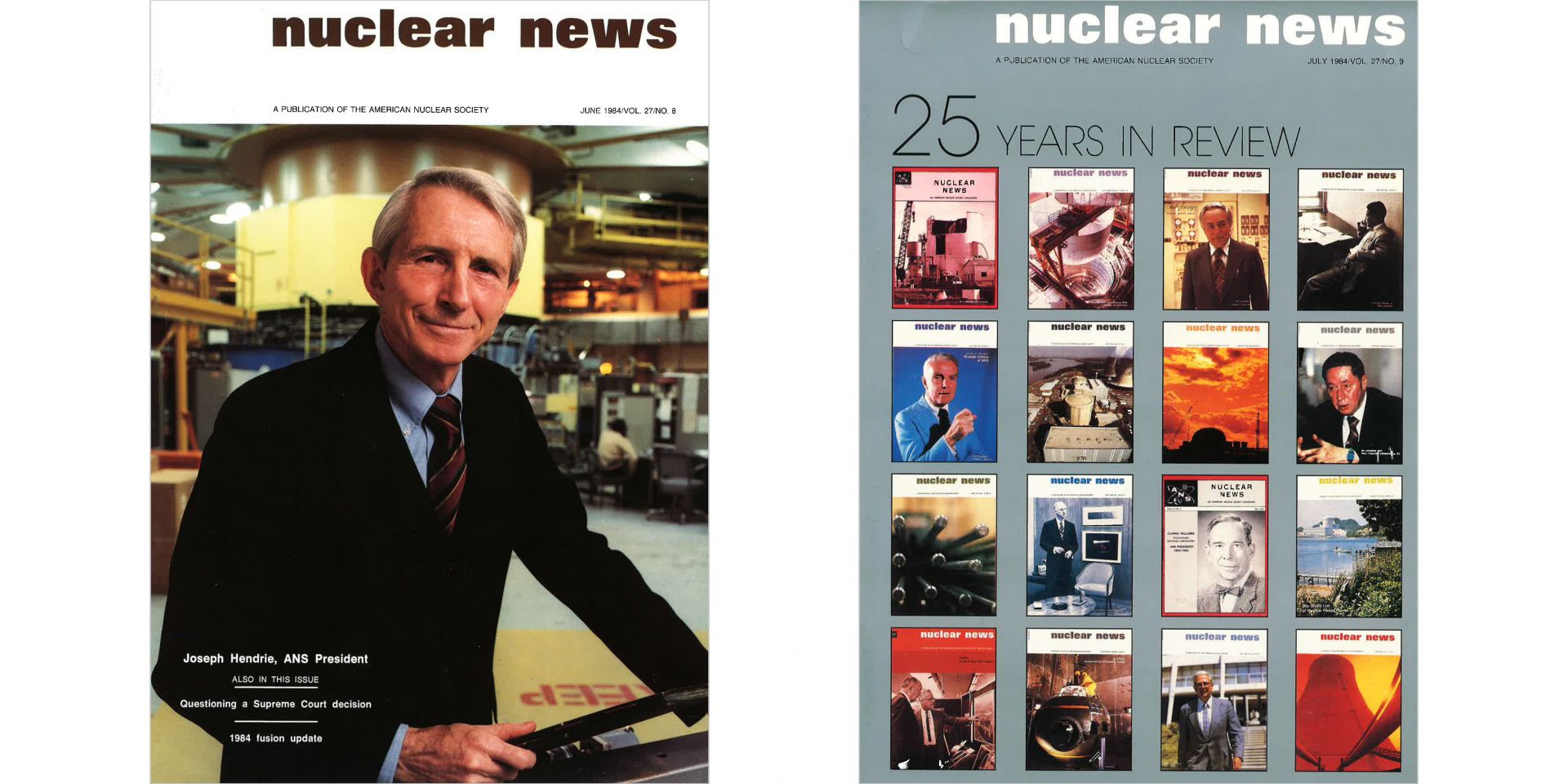
Joseph Hendrie, Brookhaven National Laboratory physicist, NRC chair, and ANS past president (1984–1985), passed away in his home in Bellport, N.Y., on December 26 at the age of 98.

Hendrie, an American Nuclear Society member since 1956, was a leader in the nuclear community for much of his 45 years in nuclear reactor safety research. He served as the deputy director for technical review of the Atomic Energy Commission’s Directorate of Licensing from 1972 to 1974 and then was appointed chair of the NRC in 1977 (serving a second stint as chair in 1981—the only person to serve two nonconsecutive terms in that role).

2023 in Review: April–June

January 11, 2024, 7:00AMNuclear News

Another calendar year has passed. Before heading too far into 2024, let’s look back at what happened in 2023 in the nuclear community. In today's post, compiled from Nuclear News and Nuclear Newswire are what we feel are the top nuclear news stories from April through June 2023.

Stay tuned for the top stories from the rest of the past year.

2023 in Review: January–March

January 10, 2024, 9:32AMNuclear News

Another calendar year has passed. Before heading too far into 2024, let’s look back at what happened in 2023 in the nuclear community. In today's post, compiled from Nuclear News and Nuclear Newswire are what we feel are the top nuclear news stories from January through March 2023.

Stay tuned for the top stories from the rest of the past year.

The Carolinas-Virginia Tube Reactor

December 22, 2023, 3:00PMNuclear NewsJeremy Hampshire
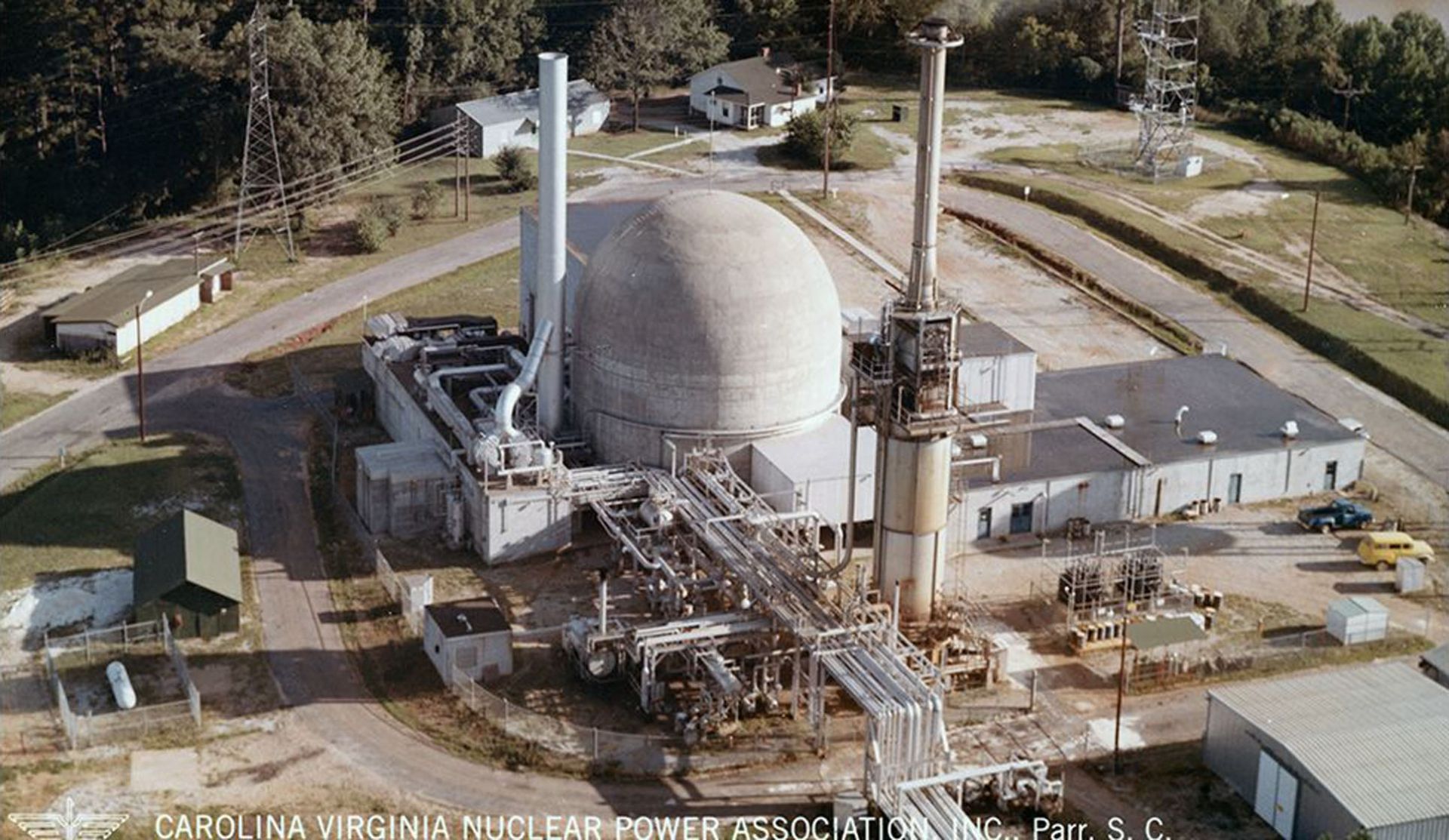
The Carolinas-Virginia Tube Reactor site, circa 1963. (Photo: Duke Energy)

The Carolinas-Virginia Tube Reactor (CVTR), also known as Parr due to its location in Parr, S.C., was a 65-MWt (17-MWe) pressurized tube reactor. Construction began in January 1960, and the reactor reached initial criticality in March 1963. Commercial operation commenced in December 1963, and the reactor was permanently shut down in January 1967 after the test program was complete.

Eisenhower’s “Atoms for Peace” at 70

December 8, 2023, 3:03PMNuclear News

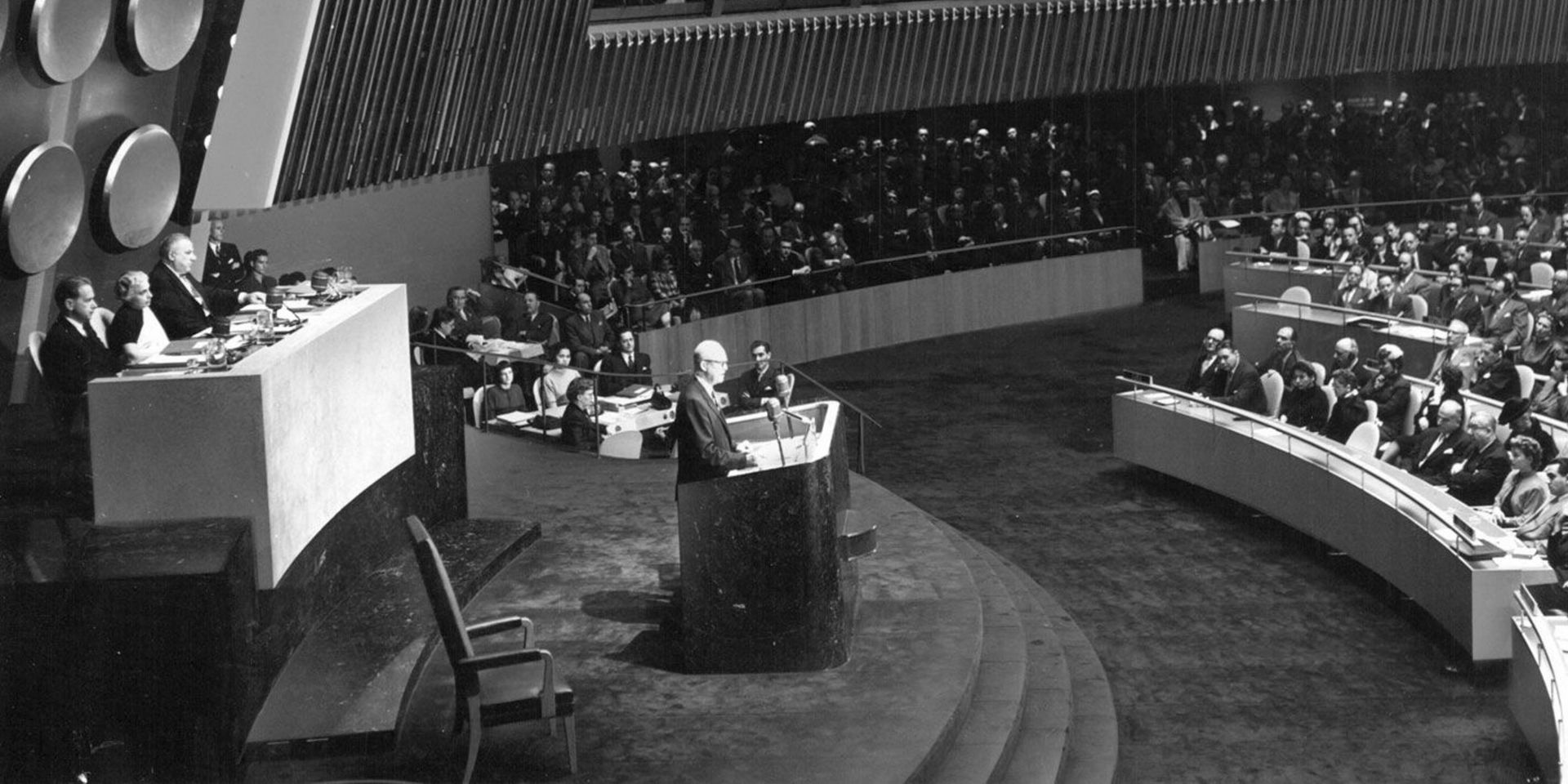
Seventy years ago to the day, President Dwight D. Eisenhower gave his historic address to the United Nations General Assembly in New York City. (See December 2023 Nuclear News's “Leaders” column to read the reflections of Kathryn Huff, the Department of Energy’s assistant secretary for nuclear energy, on the speech’s anniversary.)

The design and legacy of Experimental Breeder Reactor-II

November 22, 2023, 4:16PMNuclear NewsJeremy Hampshire
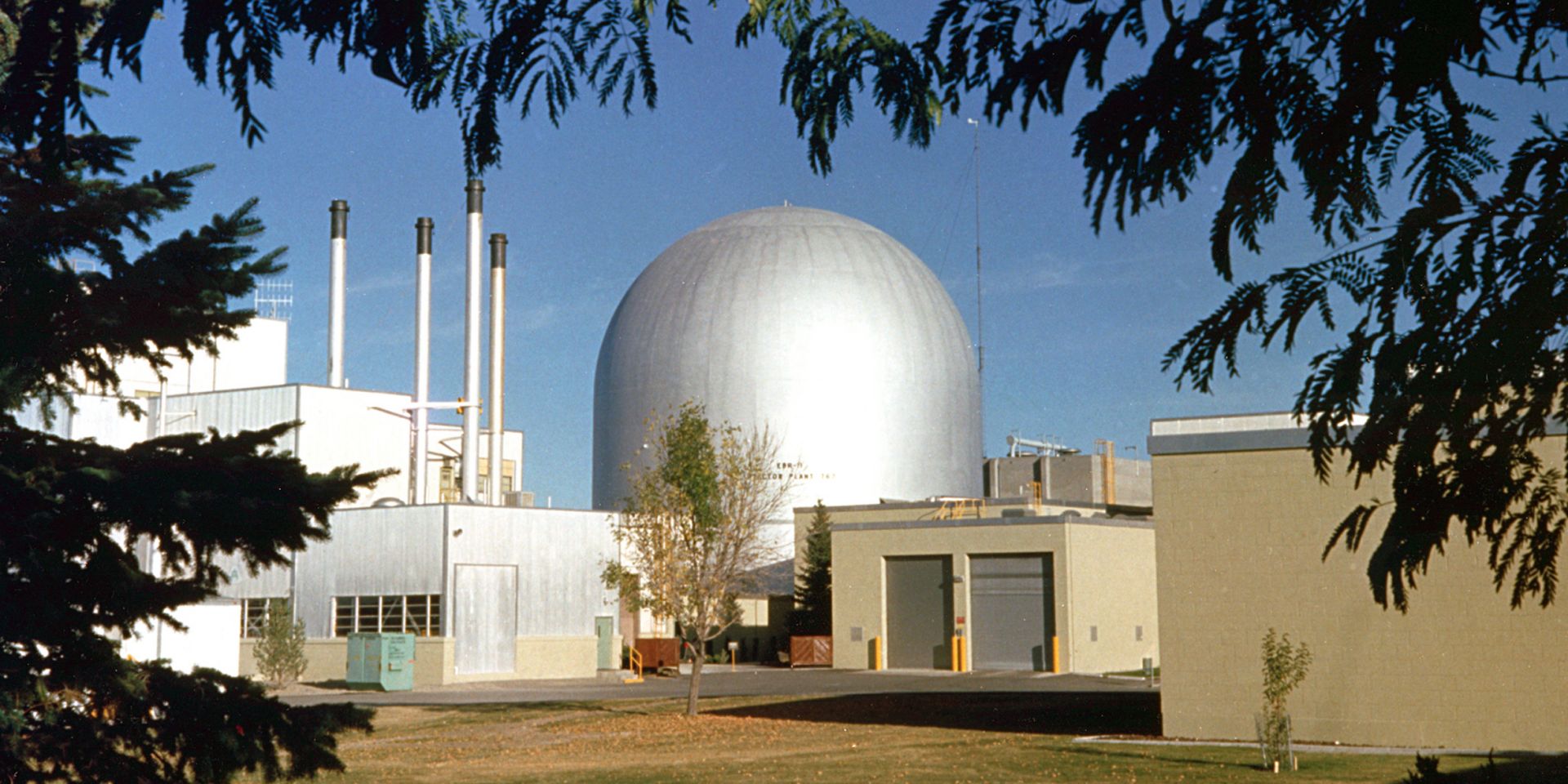
Experimental Breeder Reactor-II (Photo: ANL)

If you head west out of Idaho Falls on U.S. Highway 20 and make your way across the Snake River Plain, it won’t be long before you’ll notice a silver dome in the distance to the north. One of the most recognizable structures in the history of nuclear energy, Experimental Breeder Reactor-II stands out from the desert landscape. The 890-square-mile site on which EBR-II is located is the former National Reactor Testing Station, now known as Idaho National Laboratory.

A piece of nuclear history: Digitizing archived nuclear films

November 8, 2023, 3:00PMANS News

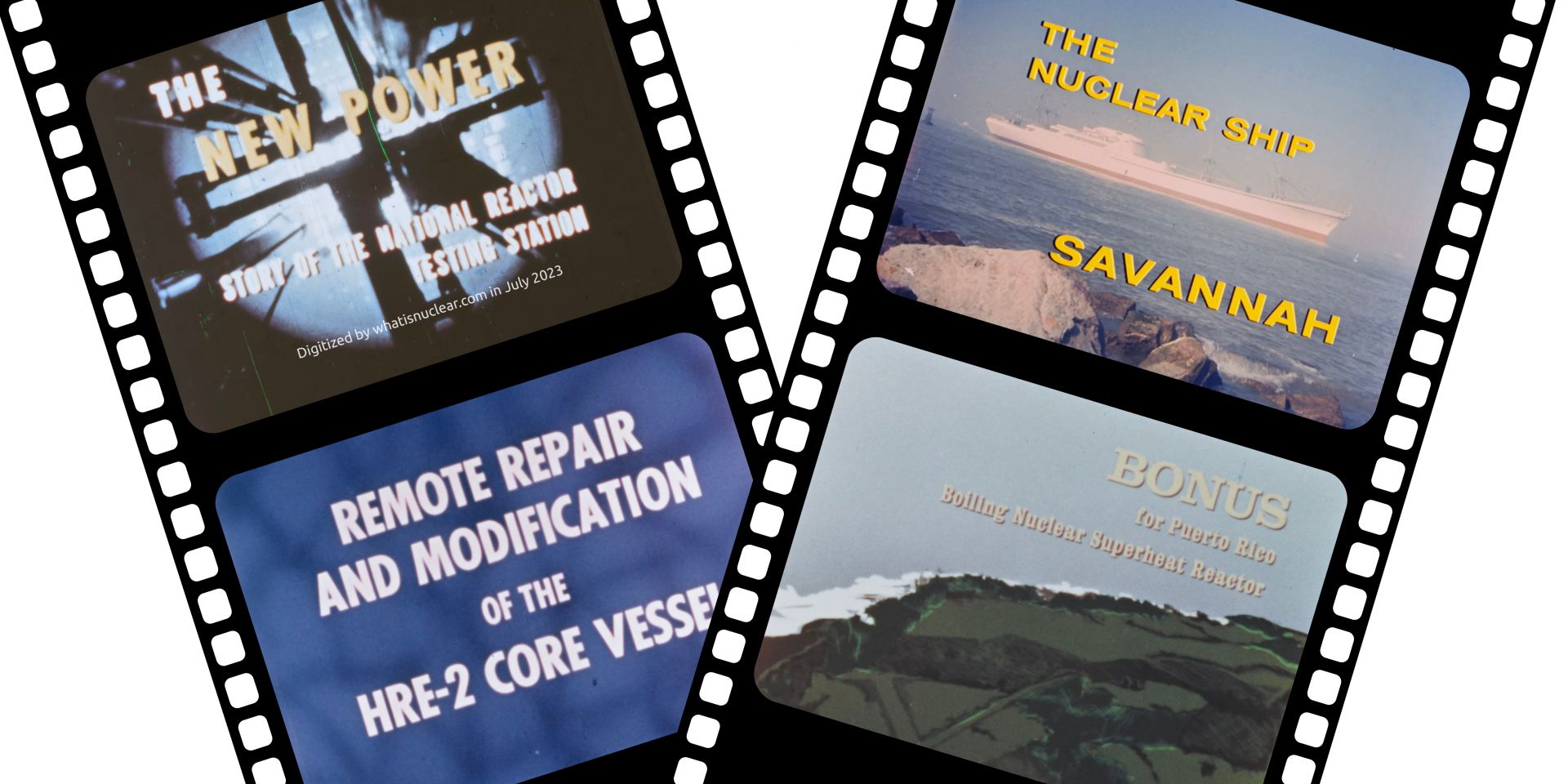
As far back as the 1940s, the U.S. Atomic Energy Commission and other organizations commissioned dozens of nuclear energy–related educational films. They delve into a variety of topics, including the development of nuclear reactors, radiation and reactors for space, and the political history of nuclear technology in the United States.

Bringing nuclear history forward

September 21, 2023, 7:02AMNuclear NewsJeremy Hampshire

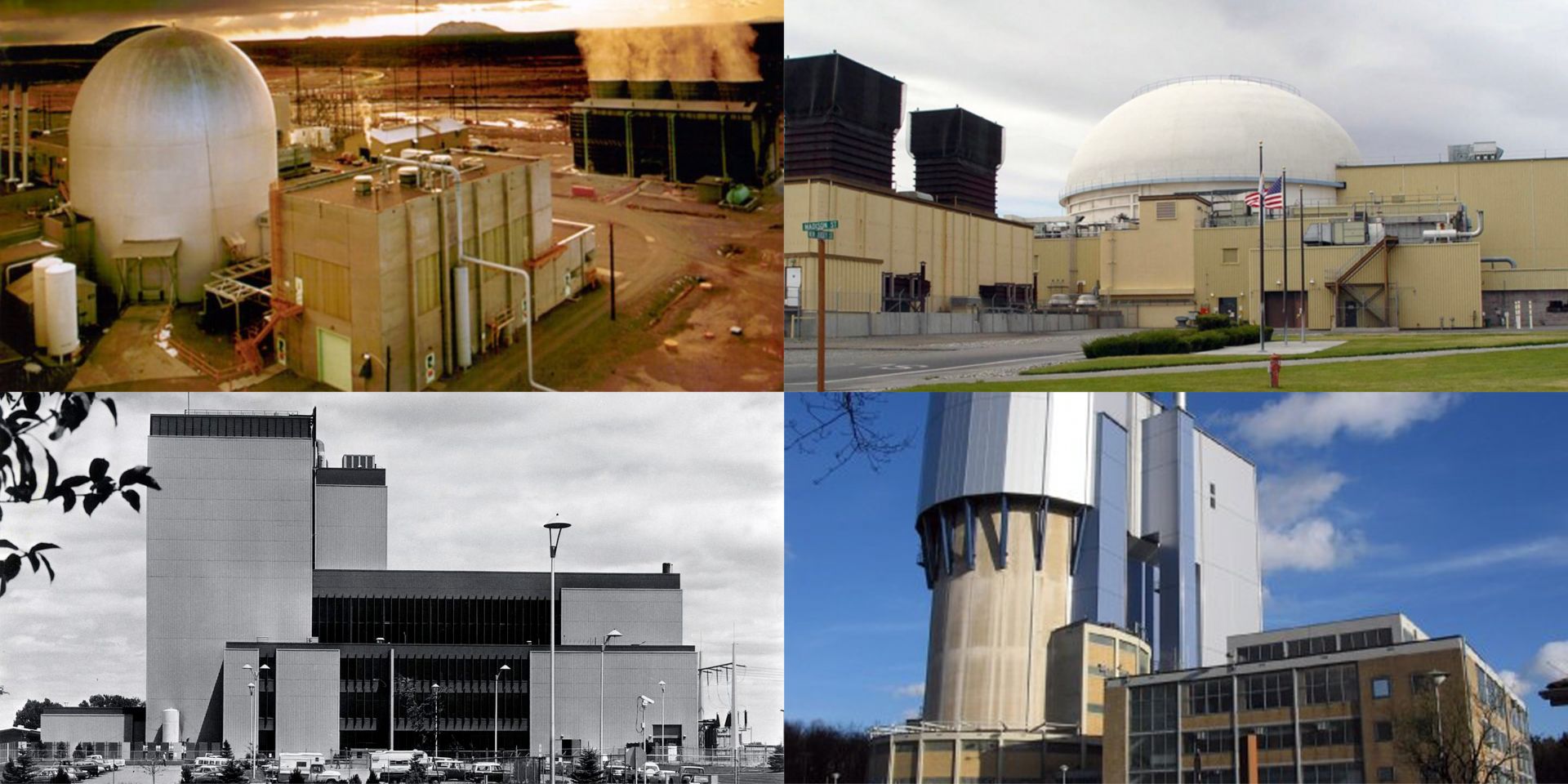
This year’s American Nuclear Society Annual Meeting was filled with great content, some of which was covered in the August issue of Nuclear News (beginning on p. 22). One of the meeting’s executive sessions, “Bringing Nuclear History Forward,” focused on advanced reactor (AR) history and was well attended. The United States—along with many countries around the world—is turning to nuclear to combat climate change. Part of this is funding new and innovative companies to create first-of-a-kind nuclear reactors to provide abundant and clean power. Looking at the current designs of interest to the community brings up interesting comparisons to the test and experimental reactors of the past. Test reactors like the Experimental Breeder Reactor-II (EBR-II), the Fast Flux Test Facility (FFTF), Peach Bottom, Fort St. Vrain, Germany’s AVR, and others now are more important than ever in providing insight, data, and operational lessons learned to develop the next generation of reactors.