A fighter jet at Eielson Air Force Base. (Photo: Eielson Air Force Base)
Discussions and actions on nuclear energy have penetrated several state capitol buildings, congressional hearings, and industry gatherings across the United States this month, including in Alaska, Connecticut, Louisiana, Massachusetts, Minnesota, and New York.
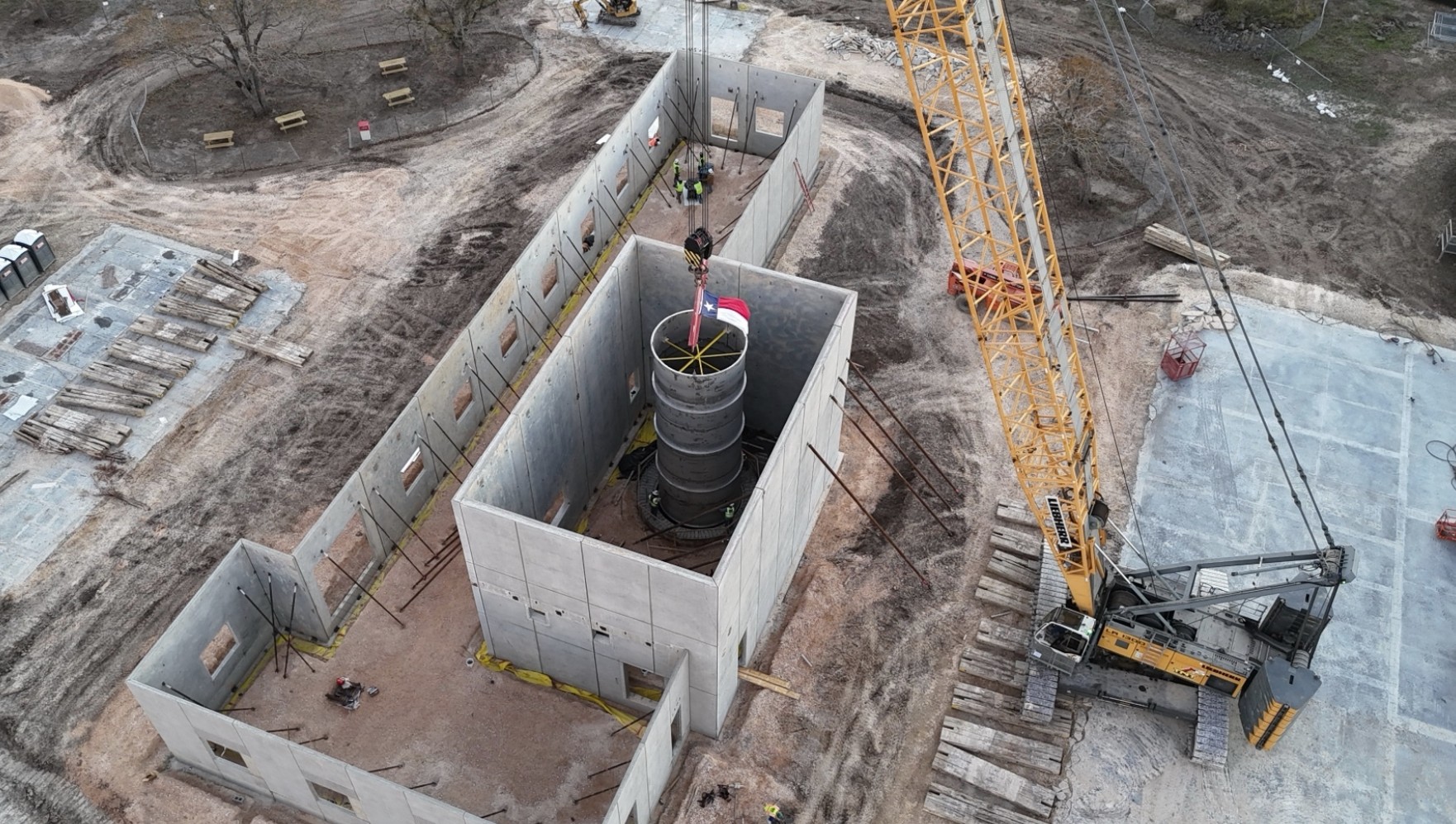
The Groves reactor module being lowered into place. (Photo: Oklo)
On March 17, Oklo released a series of four press releases in the span of a few hours containing some of the first substantial updates the company has given on its various approval processes with the Department of Energy and Nuclear Regulatory Commission since January.
Specifically, Oklo announced that it has received two nuclear safety design agreement (NSDA) approvals from the DOE and a materials license from the NRC.
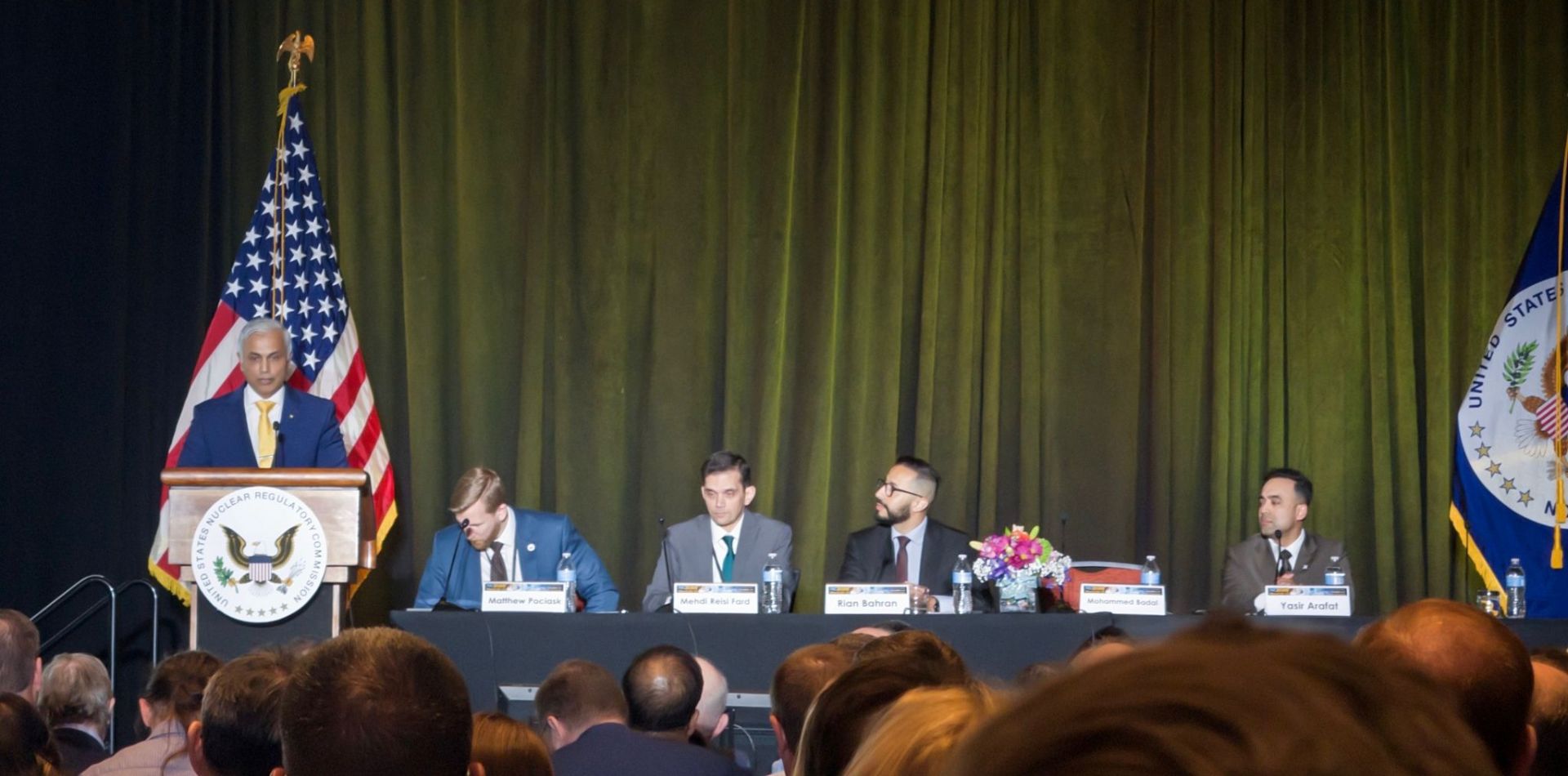
Mohammed “Mo” Badal speaking at “One Government, One Mission: Advancing Safe Deployment of Nuclear Energy,” a RIC technical session. (Photo: Yasir Arafat/LinkedIn)
Attendees at last week’s 2026 Regulatory Information Conference, hosted by the Nuclear Regulatory Commission, saw extensive discussion of new reactor technologies, uprates, fusion, multiunit deployments, supply chain, and much more.
With the industry in a state of rapid evolution, there was much to discuss. Connected to all these topics was one central theme: the ongoing changes at the NRC. With massively shortened timelines, the ADVANCE Act and Executive Order 14300, and new interagency collaboration and authorization pathways in mind, speakers spent much of the RIC exploring what the road ahead looks like for the NRC.
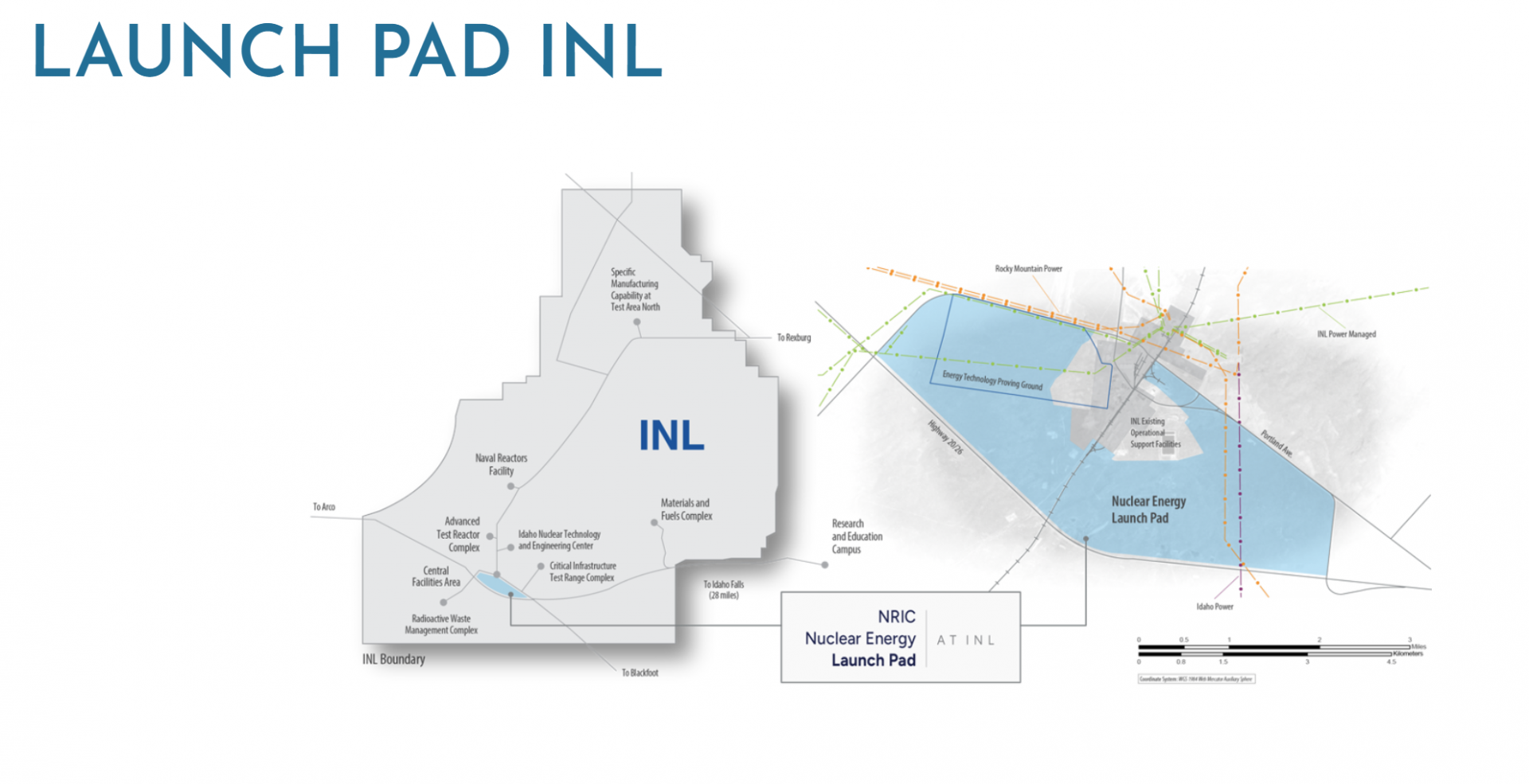
The layout of the Idaho National Laboratory property (Photo: NRIC)
The Department of Energy is set to expand on its Reactor Pilot Program and Fuel Line Pilot Program by introducing the Nuclear Energy Launch Pad, a DOE-led program to integrate the authorization, testing, and operation of reactors and fuel facilities from private nuclear developers. Furthermore, it will include two pathways—Launch Pad INL and Launch Pad USA—with options to access Idaho National Laboratory land or other sites around the nation.
The DOE plans to transition future pilot program applicants to the new Launch Pad model. Application requirements and review criteria will mirror those used in the reactor and fuel line pilot programs, and projects already in those programs will transition to Launch Pad with no need to reapply.
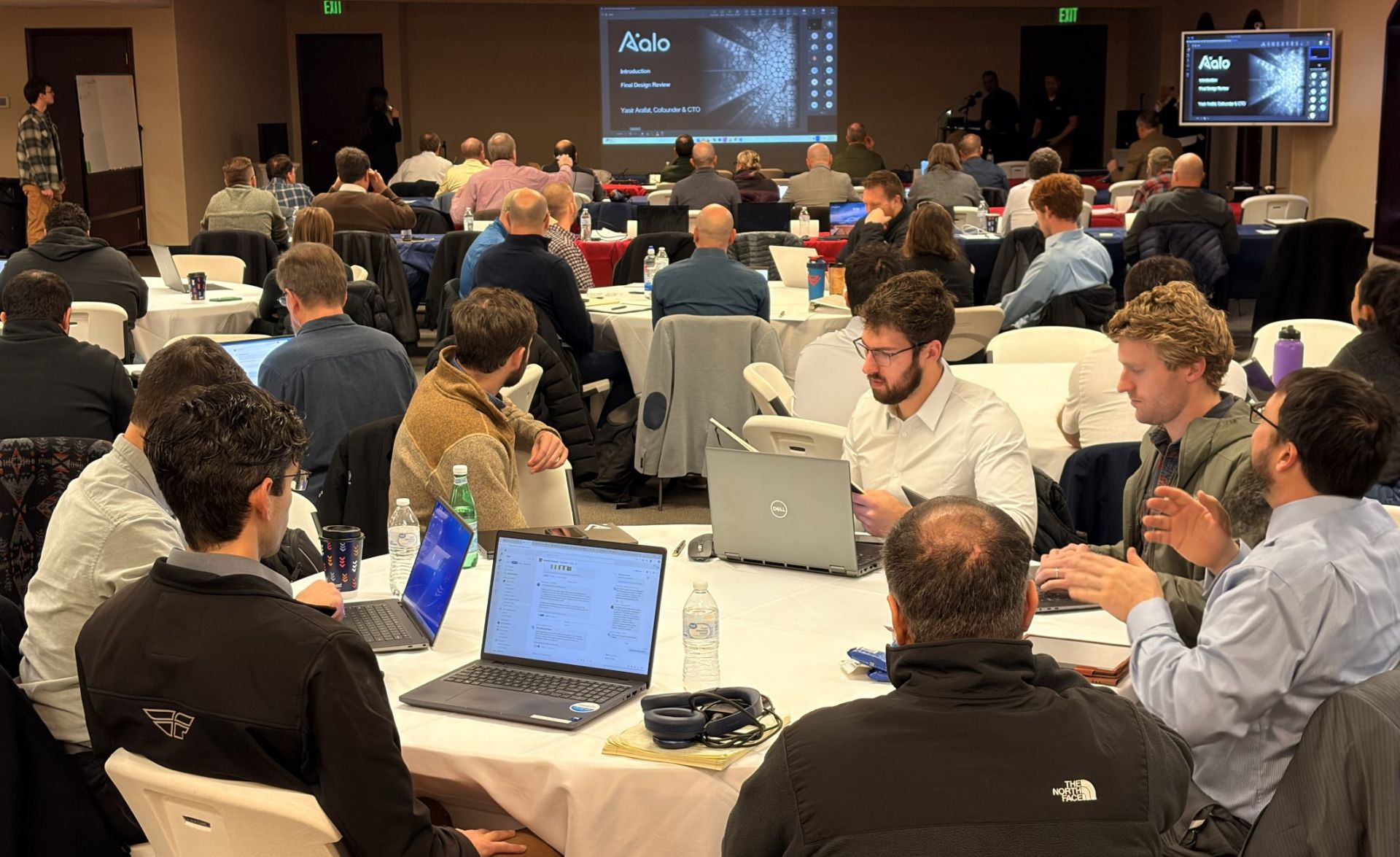
Aalo Atomics’ final design review, attended by 40 DOE and NRC reviewers. (Photo: Aalo Atomics)
Two participants in the Department of Energy’s Reactor Pilot Program have recently announced significant milestones on their associated reactor projects. Aalo Atomics successfully completed its final design review (FDR), and Antares Nuclear has received DOE approval of its preliminary documented safety analysis (PDSA).
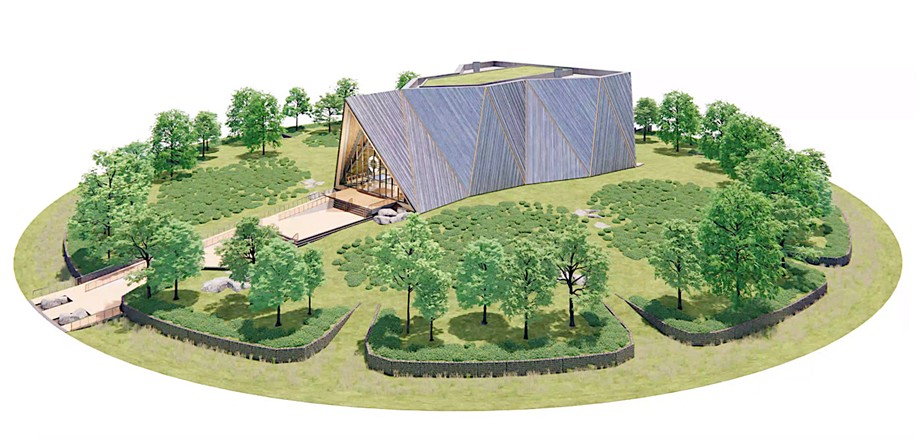
Concept art of Atomic Alchemy’s radioisotope pilot facility. (Image: Hillside Architecture)
This week, the Department of Energy has finalized two new other transaction agreements (OTAs) with participating companies in its Reactor Pilot Program, which aims to get one or two fast-tracked reactors on line by July 4 of this year. Those companies are Terrestrial Energy and Oklo.
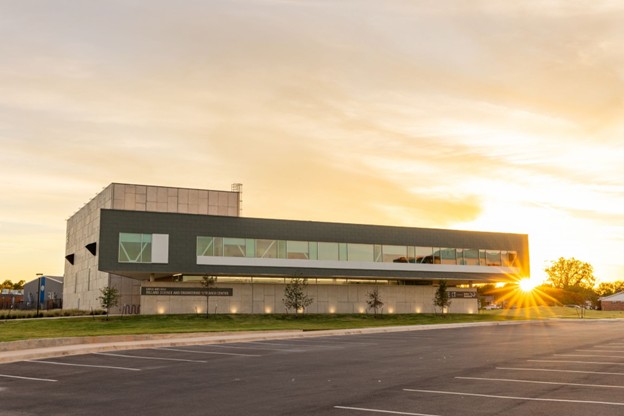
ACU’s Dillard Science and Engineering Research Center, which will house the MSRR. (Photo: Abilene Christian University)
Progress in the Department of Energy’s Reactor Pilot Program continues as Natura Resources has executed an Other Transaction Agreement (OTA) with the DOE for the company’s Molten Salt Research Reactor being pursued in close collaboration with Abilene Christian University (ACU) in Texas. Reactor projects participating in the program would progress through DOE authorization and oversight rather than Nuclear Regulatory Commission licensing.
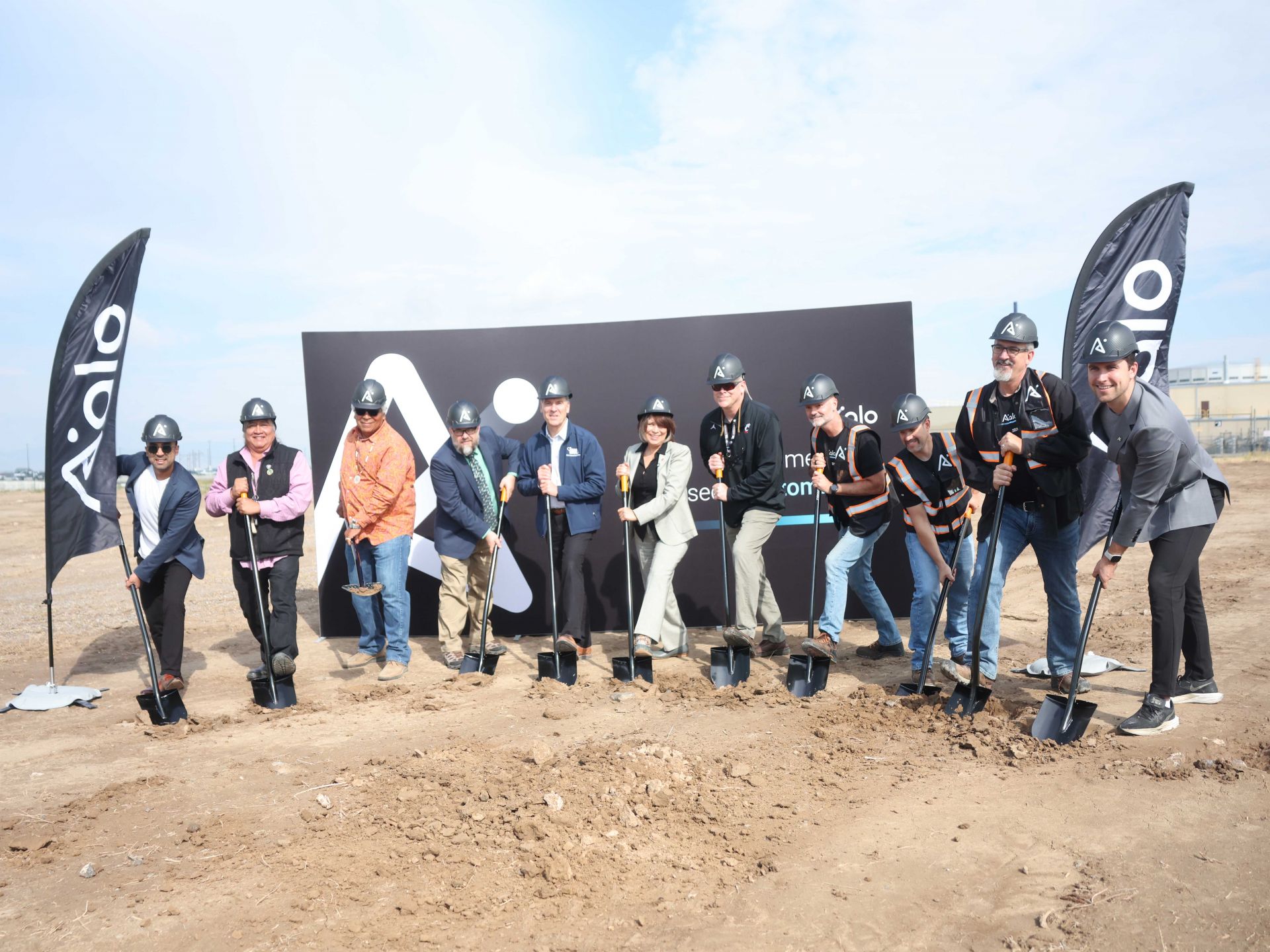
November 14, 2025, 12:10PMUpdated November 15, 2025, 12:30PMNuclear News Members of the Aalo team at the first ground-breaking ceremony for a project accelerated by the Reactor Pilot Program. (Photo: Aalo Atomics)
It has been about three months since the Department of Energy named 10 companies for its new Reactor Pilot Program, which maps out how the DOE would meet the goal announced in May by Executive Order 14301 of having three reactors achieve criticality by July 4, 2026.
Valar Atomic’s Ward 250, under construction. (Photo: Valar Atomics)
Hawthorne, Calif.–based reactor start-up Valar Atomics recently announced that it has raised $130 million in its Series A funding round, led by venture capital groups Snowpoint, Day One, and Dream.
Concept art of the Aurora Powerhouse. (Image: Oklo)
The Department of Energy’s Idaho Operations Office has approved the Nuclear Safety Design Agreement (NSDA) for Oklo Inc.’s Aurora Fuel Fabrication Facility (A3F) at Idaho National Laboratory. The A3F is being built to fabricate fuel assemblies for Oklo’s Aurora Powerhouse, a liquid metal–cooled, metal-fueled fast reactor with a maximum power of 75 MWe.
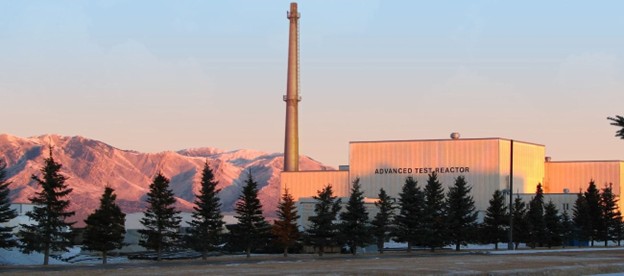
The Advanced Test Reactor site at Idaho National Laboratory. (Photo: INL)
Advanced reactor and fuel developer X-energy has officially begun confirmatory irradiation testing at Idaho National Laboratory on its TRISO-X fuel. The testing, which is taking place over the course of the next 13 months, will evaluate the fuel across a variety of operating scenarios and—if all goes according to plan—will be instrumental in qualifying it for commercial use.

-3 2x1.jpg)