Oklo and Switch partner on nuclear
January 6, 2025, 9:31AMNuclear News

AVANTech delivers expert design, NQA-1 fabrication, and innovative solid and liquid waste treatment technologies, plus specialty packaging Solutions and precision glovebox systems – engineered to meet the most demanding nuclear and environmental requirements. Explore our new website at avantechllc.com.

A message from Park Nuclear Power Generation Solutions
Nuclear’s Next Chapter Has a Knowledge Challenge

Wright
Oil industry executive Chris Wright has been selected by President-elect Donald Trump to serve as the next secretary of energy. Wright is also to serve on Trump’s new Council of National Energy, which, Trump said in a statement over the weekend, “will consist of all departments and agencies involved in the permitting, production, generation, distribution, regulation, transportation, of ALL forms of American energy.” Trump previously named North Dakota governor Doug Burgum as head of that council.
Following the announcement of his selection, Wright posted on X, “My dedication to bettering human lives remains steadfast, with a focus on making American energy more affordable, reliable, and secure. Energy is the lifeblood that makes everything in life possible. Energy matters.”
Oklo Inc. has that it has signed a letter of intent to acquire Atomic Alchemy Inc., a U.S.-based radioisotope production company. The two companies announced a strategic partnership earlier this year.

Oklo Inc. announced yesterday that it has partnered with “two major data center providers” under letters of intent (LOIs) to deliver up to 750 MW of power from multiple 15 MW or 50 MW Oklo microreactors at data centers in “select” undisclosed U.S. markets.
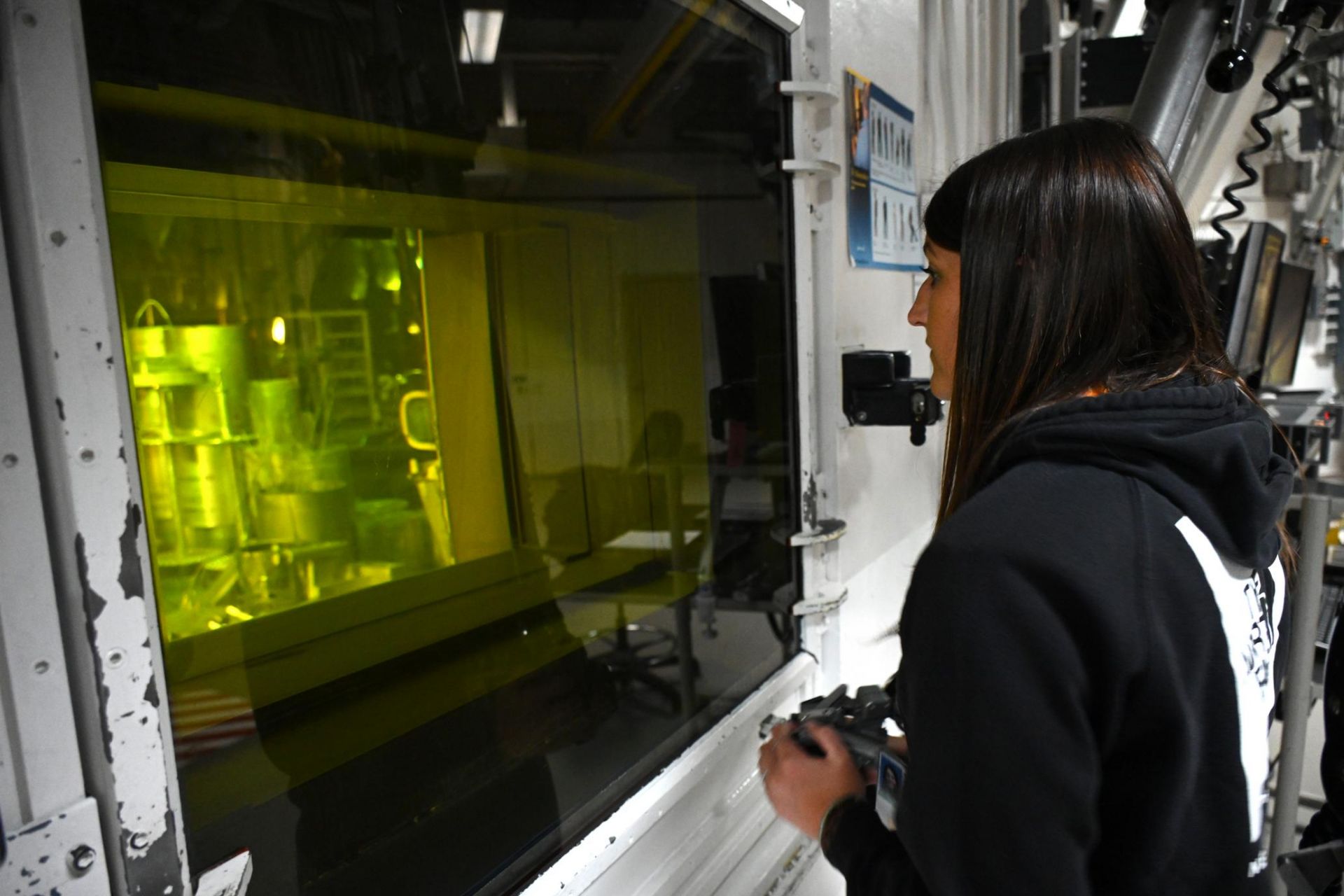
Oklo Inc. announced yesterday that a safety design report for the Aurora fuel fabrication facility the company plans to build at Idaho National Laboratory has the approval of the Department of Energy. At the facility, Oklo plans to use high-assay low-enriched uranium (HALEU) that has been recovered from used Experimental Breeder Reactor-II fuel to produce fuel for its first planned microreactor—dubbed Aurora—which is also set for deployment at INL.
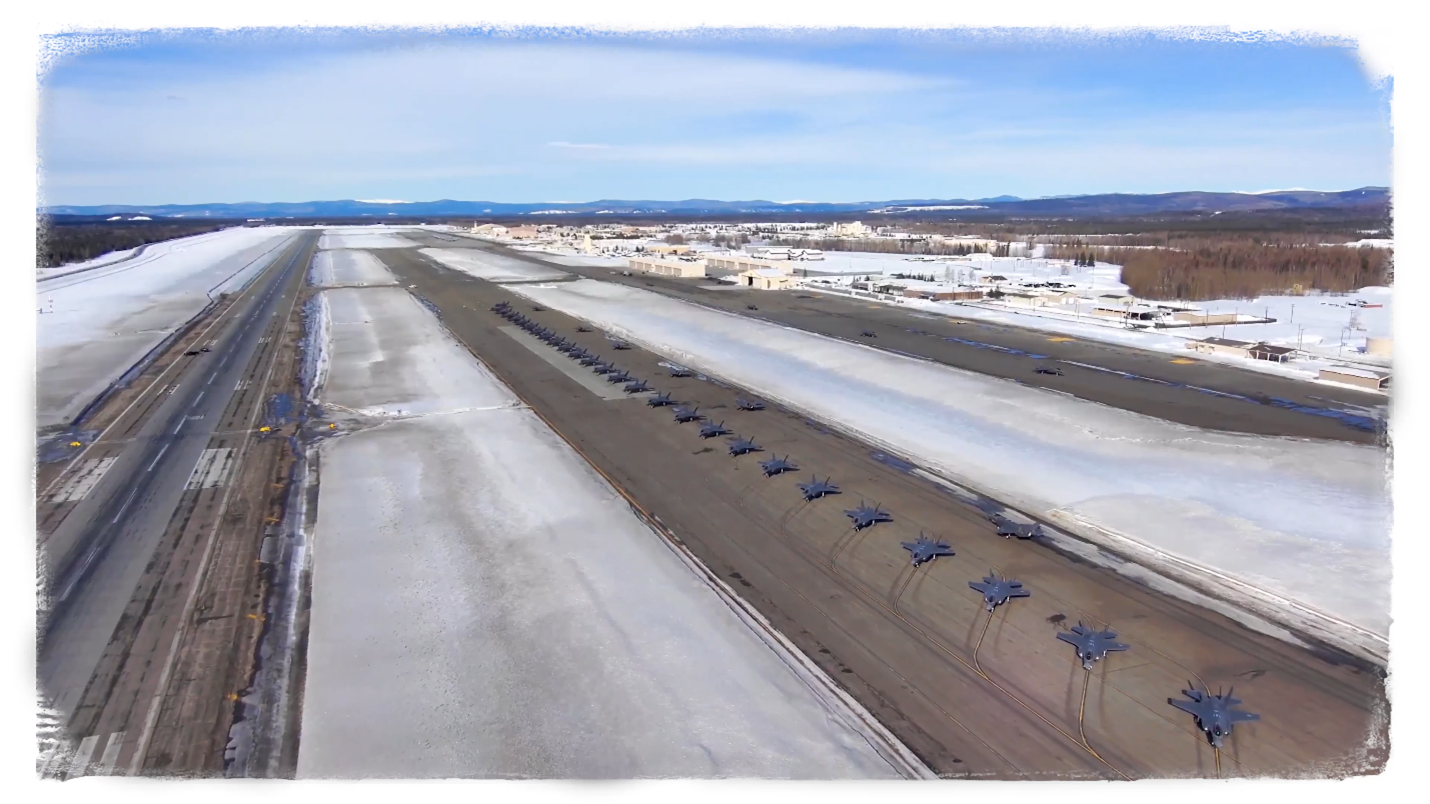
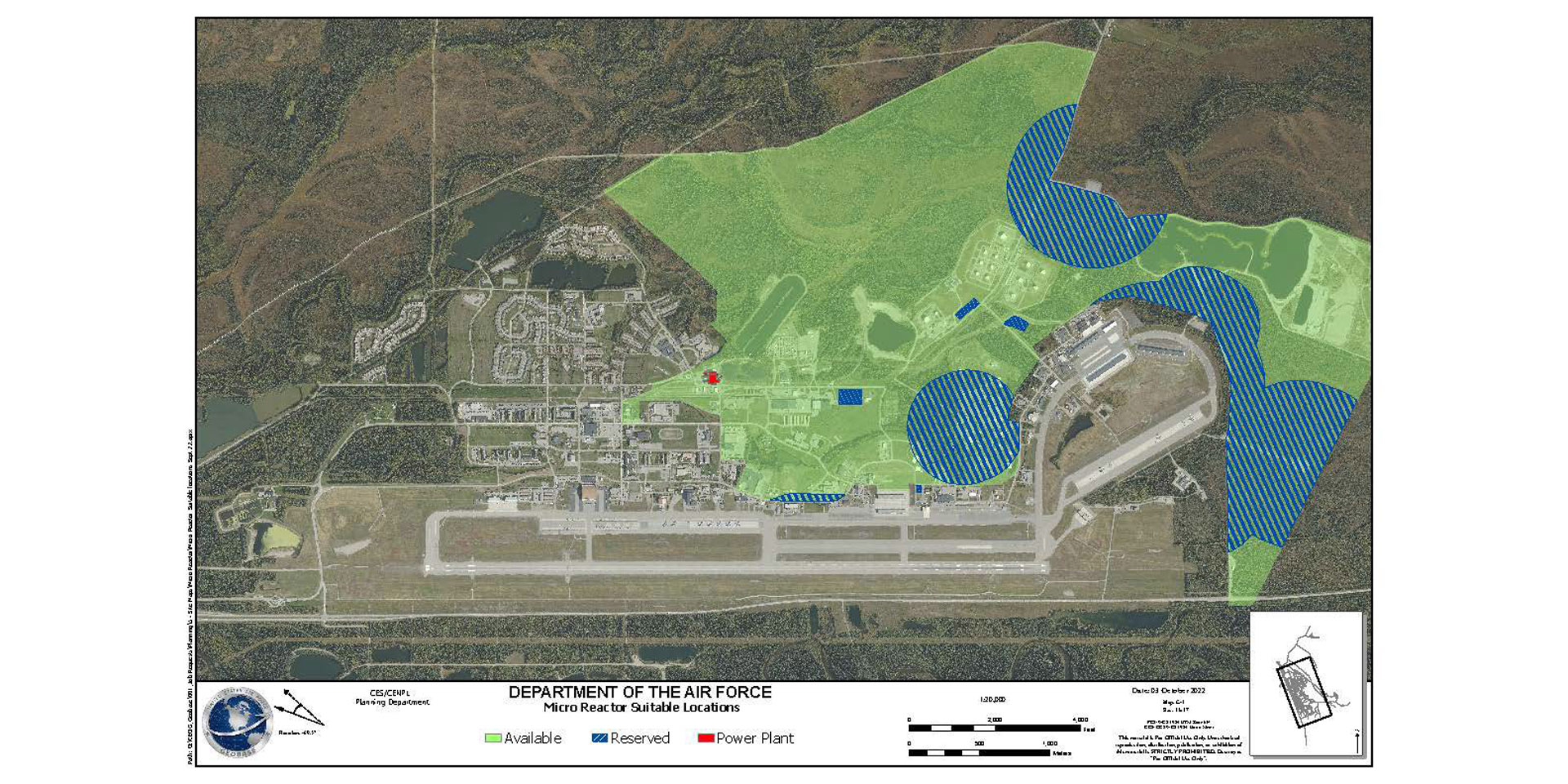
Eielson Air Force Base in central Alaska has been the preferred location to demonstrate the benefits of microreactors to the U.S. Air Force—and by extension the Defense Department—since 2018. Now, a protracted solicitation process is nearing an end, and the Air Force and the Defense Logistics Agency Energy (DLA Energy) expect to announce a final procurement decision by the end of the summer—or about one year after Oklo Inc. announced that it had been tentatively selected to supply a microreactor under a 30-year power purchase agreement.
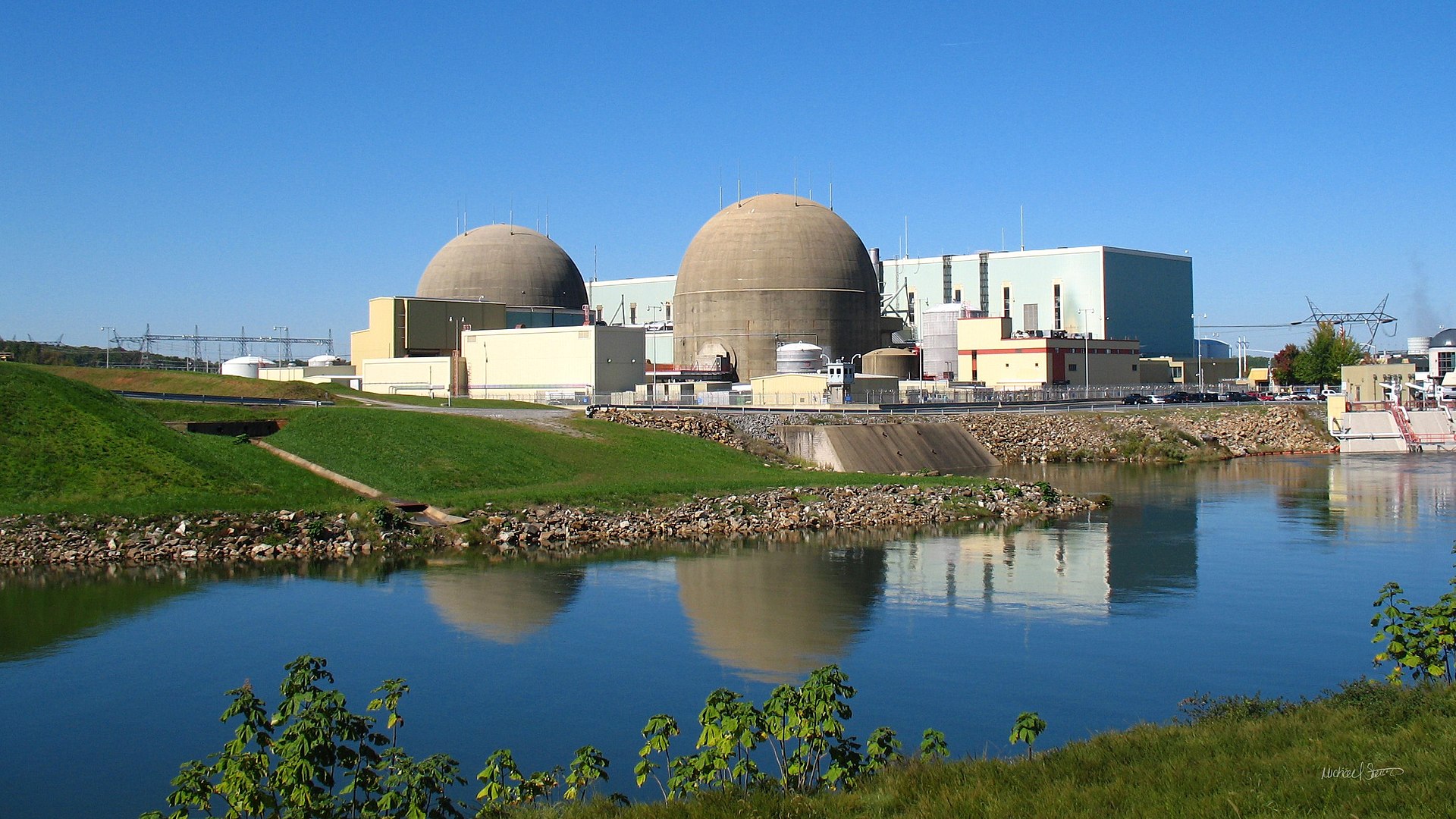
Dominion Energy Virginia has issued a request for proposals from leading nuclear companies to study the feasibility of putting a small modular reactor at its North Anna nuclear power plant.
While the utility says it is not a commitment to build an SMR at the site, the RFP is “an important first step in evaluating the technology and the North Anna site to support Dominion Energy customers’ future energy needs consistent with the company’s most recent Integrated Resource Plan.”
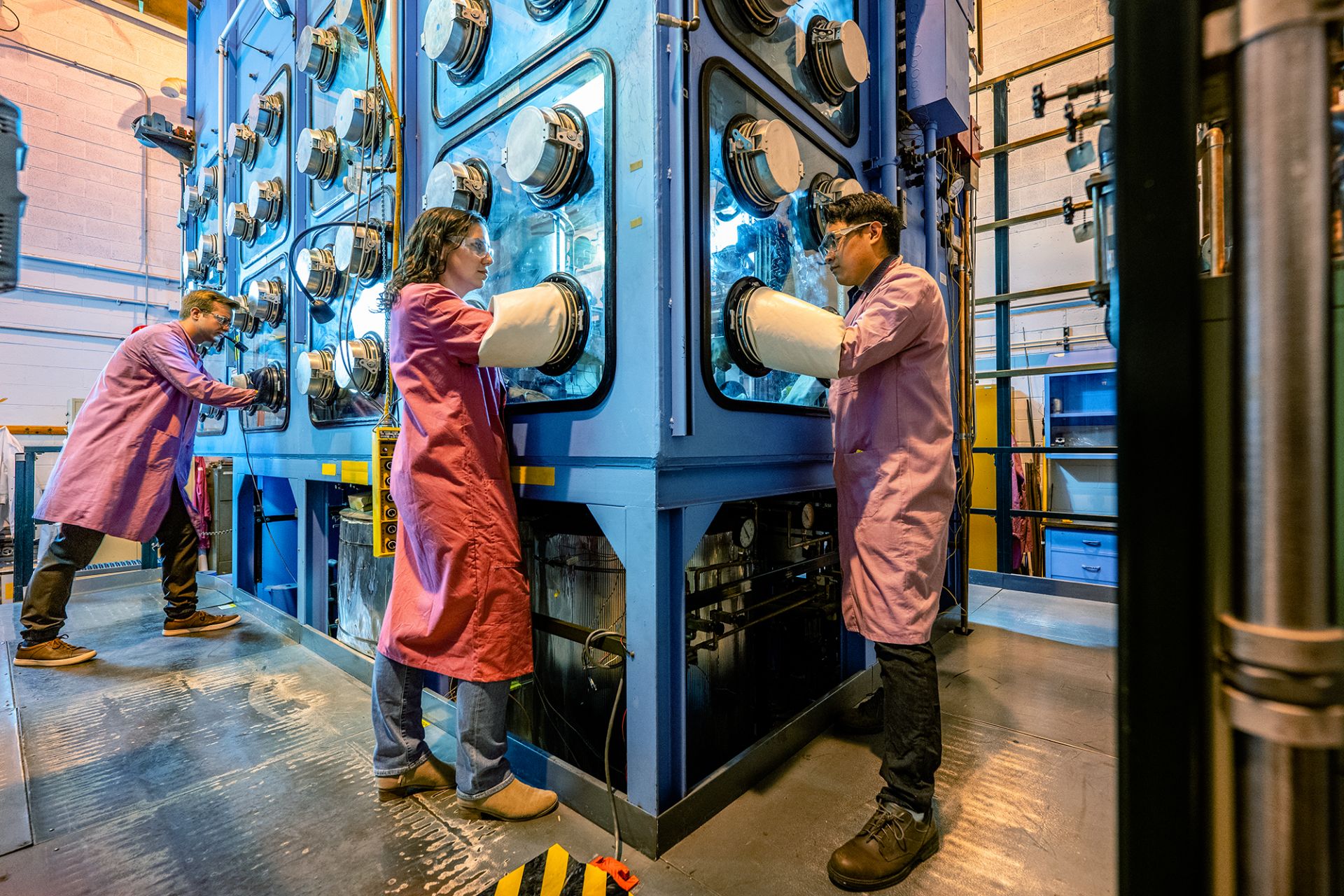
Oklo Inc. announced that it has completed the first end-to-end demonstration of its advanced fuel recycling process as part of an ongoing $5 million project in collaboration with Argonne and Idaho National Laboratories. Oklo’s goal: scaling up its fuel recycling capabilities to deploy a commercial-scale recycling facility that would increase advanced reactor fuel supplies and enhance fuel cost effectiveness for its planned sodium fast reactors.
The American Nuclear Society’s Risk-informed, Performance-based Principles and Policy Committee (RP3C) held another Community of Practice (CoP) on April 26. For this event, the committee welcomed Mory Diané of Oklo. RP3C chair N. Prasad Kadambi led with a brief introduction before Diané shared Oklo's risk-informed, performance-based (RIPB) approach to seismic design categorization and seismic siting characterization.
Diané, a licensing manager with Oklo, is a structural engineer with a background in civil engineering
California-based Oklo is partnering with Wyoming Hyperscale to power a state-of-the-art data center campus.
The companies, which announced the partnership last week, signed a nonbinding letter of intent to provide 100 megawatts of carbon-free energy for a 20-year power purchase agreement. Wyoming Hyperscale is building a data center on 58 acres of land on Aspen Mountain, a remote site southeast of Evanston, Wyo., and plans to use Oklo’s Aurora Powerhouse units to provide clean energy at the site.

Fast reactor developer Oklo, which recently went public on the New York Stock Exchange, announced on May 13 that it has signed a memorandum of understanding with Atomic Alchemy to cooperate on the production of radioisotopes for medical, energy, industry, and science applications.

After completing its business combination with AltC Acquisition Corp, Oklo Inc. began trading on the New York Stock Exchange under the ticker symbol OKLO this past Friday, May 10.
The company is aiming to provide clean, reliable, affordable nuclear energy to customers across the artificial intelligence, data center, energy, defense, and industrial markets. Sam Altman, chairman of Oklo since 2015 and former chief executive of AltC, called the first day on the NYSE a milestone for the entire team.

Shikha Prasad
High-assay low-enriched uranium (HALEU) has emerged as a popular fuel choice for advanced small modular reactors due to its long power production periods before refueling. It is currently being pursued by TerraPower, X-energy, BWX Technologies, Kairos, Oklo, and other reactor companies. HALEU has a uranium-235 enrichment ranging from 5 percent to 20 percent, whereas traditional LWRs use low-enriched uranium fuel enriched up to 5 percent.
HALEU will provide power for longer durations, compared with traditional LWRs. But could it also provide an opportunity for more rapid proliferation, as is speculated in a 2023 National Academy of Sciences report on advanced nuclear reactors (nap.nationalacademies.org/catalog/26630/)?
If a nuclear proliferator conspires to divert fresh nuclear fuel for weapons production when it has not been used in a reactor, the effort required in separative work units (SWUs) to enrich U-235 from 5 percent to 90 percent and that required to enrich from 20 percent to 90 percent are both very small, compared with the effort required to enrich U-235 from its natural abundance to the initial 5 percent.
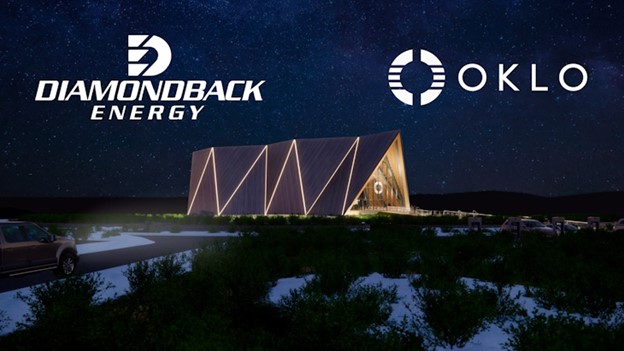
Next-generation reactor company Oklo Inc. is teaming up with Diamondback Energy Inc. to bring Oklo’s Aurora Powerhouse units to the American Southwest.
The companies signed a nonbinding letter of intent (LOI) this week to collaborate on a 20-year power purchase agreement that would provide 50 MW of electricity per unit to Diamondback’s Permian Basin operations area. The agreement lays out options to renew and extend the agreement for an additional 20-year term, since the units are designed to operate for 40 years without needing to refuel. Diamondback is an independent oil and gas company headquartered in Texas.

The American Nuclear Society is hosting an online event on Thursday, March 28, from 11:00 a.m. to 12:00 p.m. (EDT) on advanced reactors. The latest technological developments will be discussed by representatives from BWX Technology, Kairos Power, Oklo, and X-energy.
The event is open to all, but registration is required.
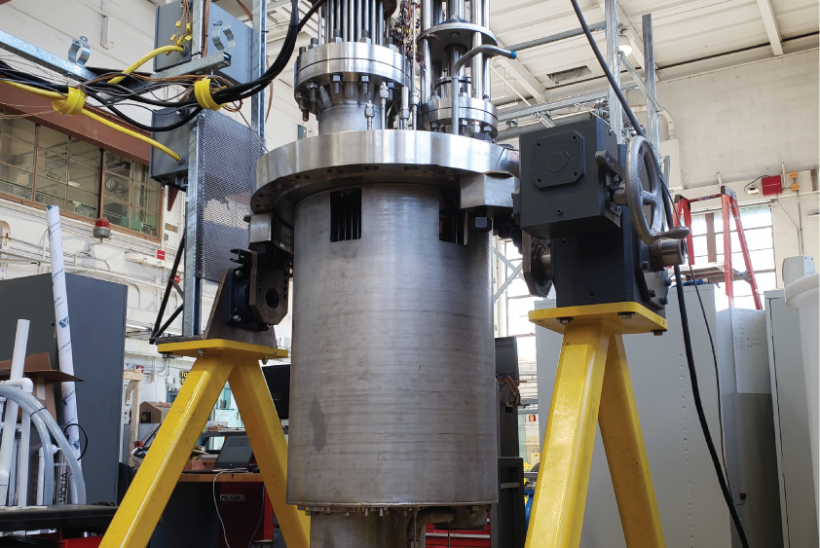
The Department of Energy and the Gateway for Accelerated Innovation in Nuclear (GAIN) on March 19 announced the second round of fiscal year 2024 voucher awards to three companies: Element Factory, Kanata America, and Oklo.
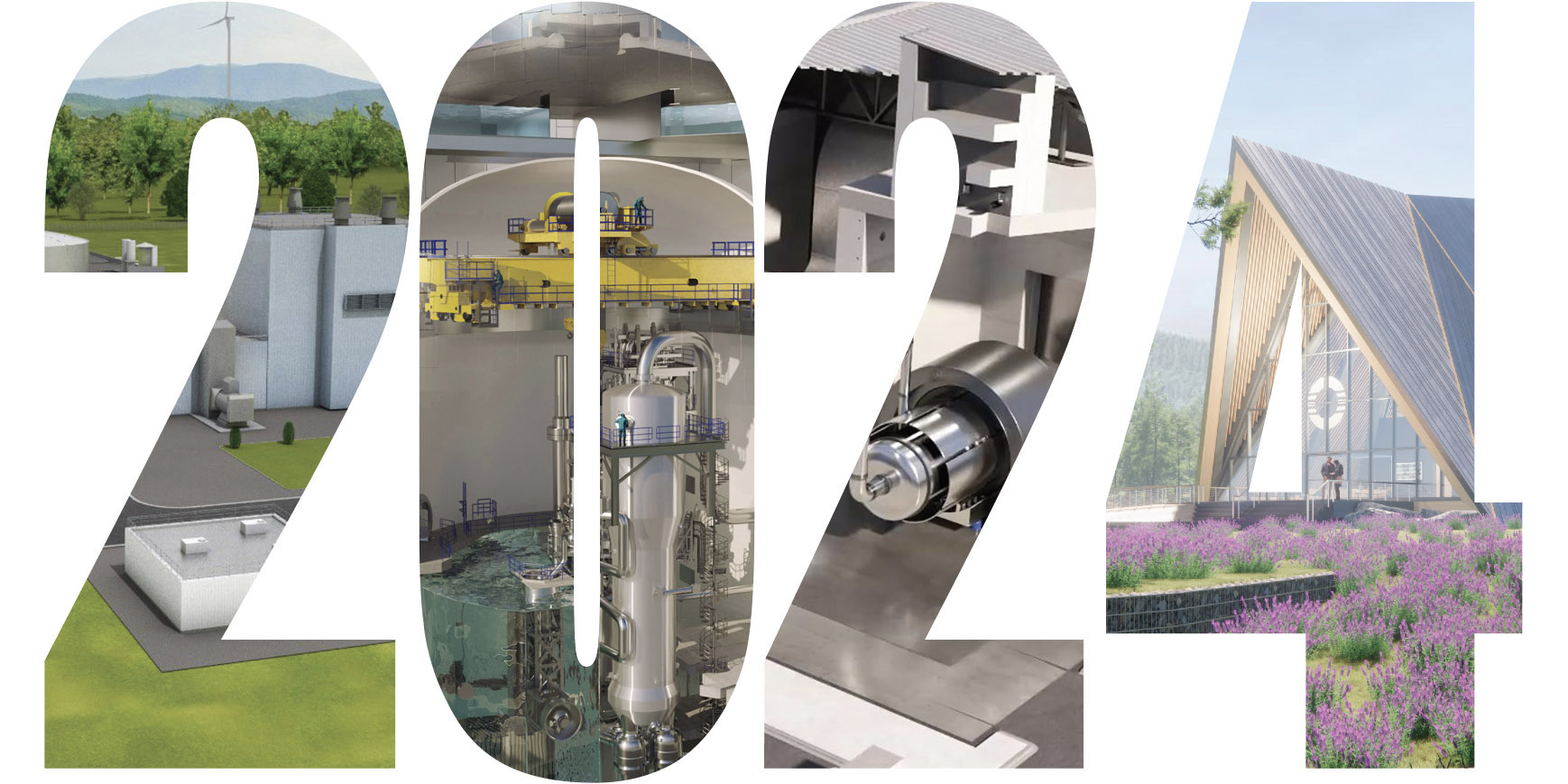
Designs for high-tech products, and the start-ups that offer them, will always outnumber the commercial successes. Ditto: many more power plants are proposed than actually get built, no matter what the technology.
This is an axiom of free-market economies, but in early November 2023 it became painfully obvious in the advanced reactor field. NuScale Power, the only advanced reactor that has made it through the licensing gauntlet, acknowledged that the consortium of utilities that was its intended launch customer had failed to put together a feasible package.
Another calendar year has passed. Before heading too far into 2024, let’s look back at what happened in 2023 in the nuclear community. In today's post, compiled from Nuclear News and Nuclear Newswire are what we feel are the top nuclear news stories from January through March 2023.
Stay tuned for the top stories from the rest of the past year.
Plans announced with fanfare sometimes falter in the face of competition or economics. Take NuScale Power’s plans for the Carbon Free Power Project in Idaho: The project was canceled in mid-November by NuScale and its first customer, Utah Associated Municipal Power Systems, after nearly a decade. The significance of that news depends on the observer. NuScale intends to focus on other sites and customers. Competitors may redouble efforts to tout their own designs and customer lists. Media found an opportunity to speculate about the future of advanced nuclear. And while many in the nuclear community believe the momentum in favor of new nuclear deployments is continuing—or even increasing as COP28 continues—others would caution against high hopes and point to the persistent obstacles of regulation, supply chain constraints, and financing costs.
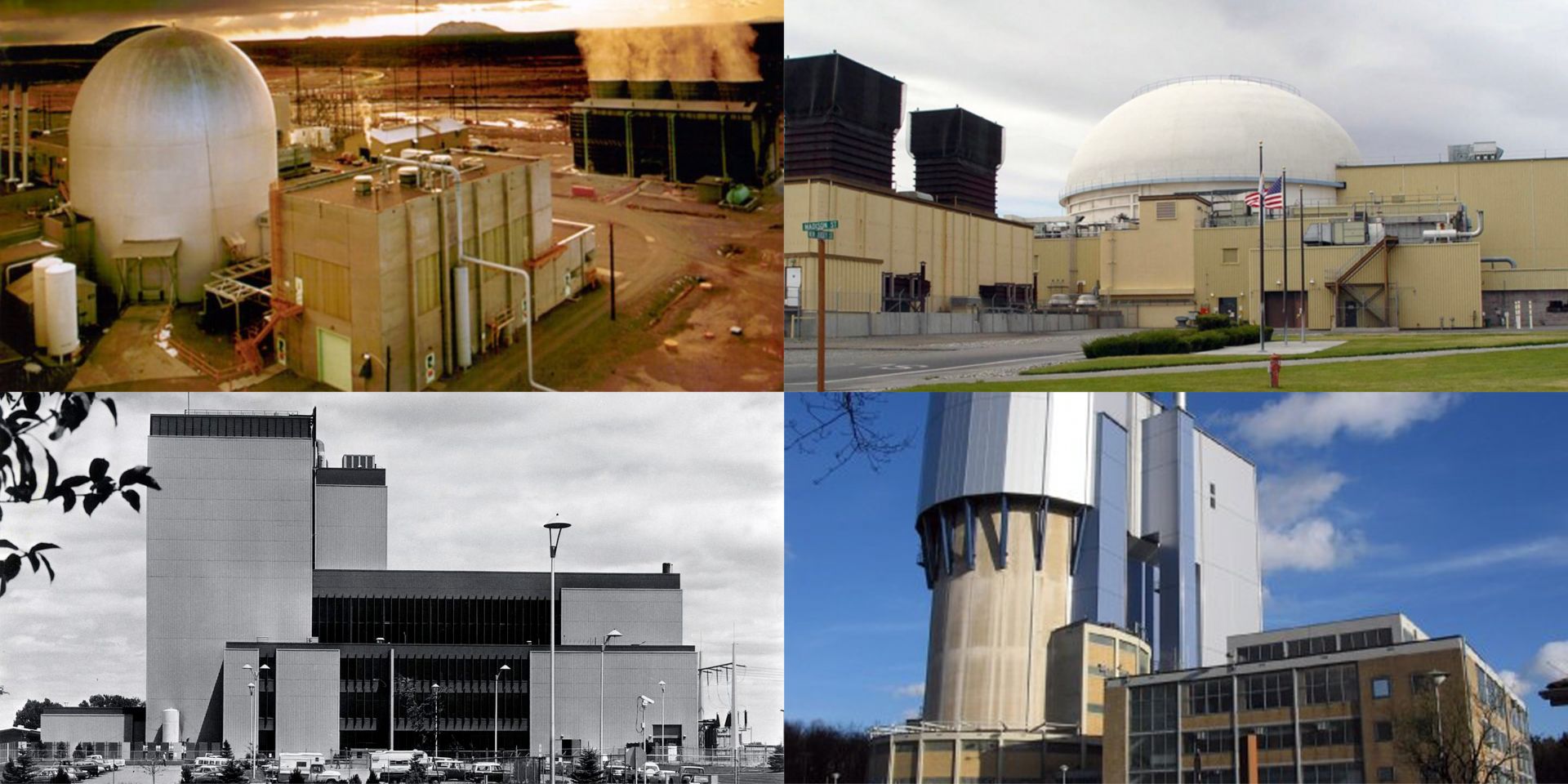
This year’s American Nuclear Society Annual Meeting was filled with great content, some of which was covered in the August issue of Nuclear News (beginning on p. 22). One of the meeting’s executive sessions, “Bringing Nuclear History Forward,” focused on advanced reactor (AR) history and was well attended. The United States—along with many countries around the world—is turning to nuclear to combat climate change. Part of this is funding new and innovative companies to create first-of-a-kind nuclear reactors to provide abundant and clean power. Looking at the current designs of interest to the community brings up interesting comparisons to the test and experimental reactors of the past. Test reactors like the Experimental Breeder Reactor-II (EBR-II), the Fast Flux Test Facility (FFTF), Peach Bottom, Fort St. Vrain, Germany’s AVR, and others now are more important than ever in providing insight, data, and operational lessons learned to develop the next generation of reactors.