
Extending the Life of Aging Nuclear Assets Without Major Replacement
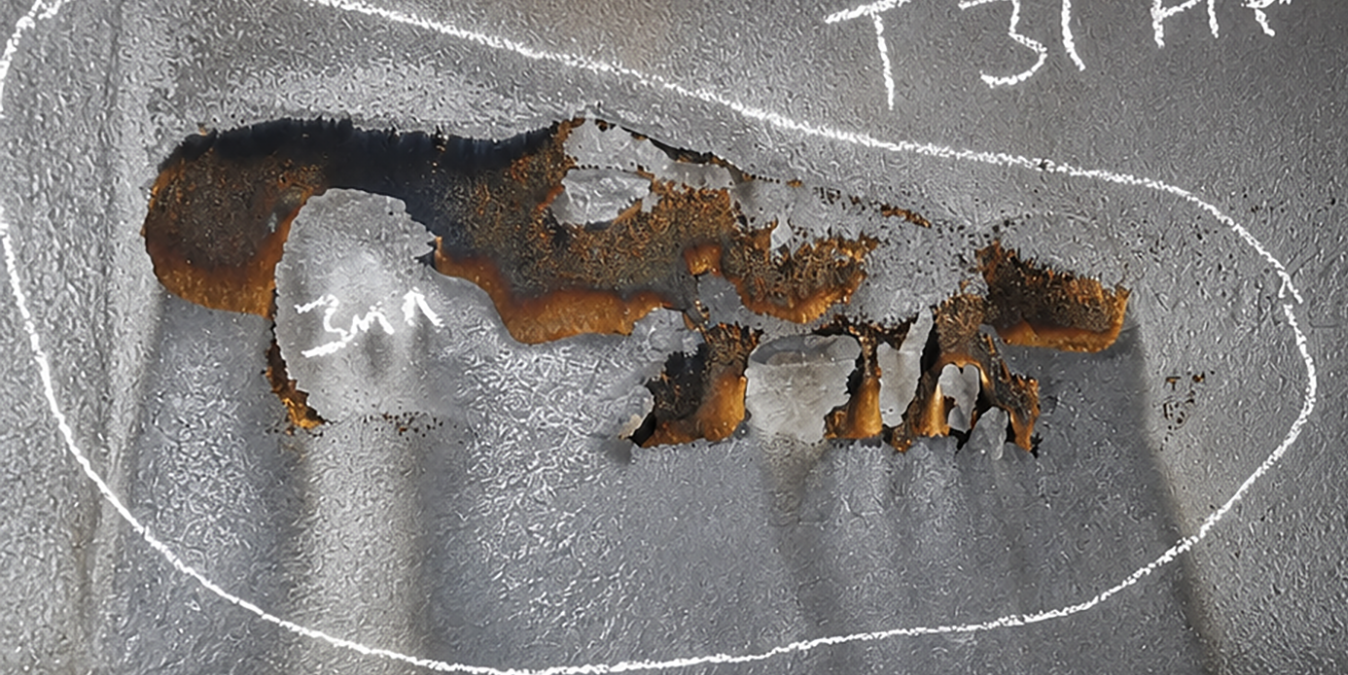
More than two-thirds of the U.S. nuclear fleet has now been operating for over 40 years, and many plants are pursuing subsequent license renewal to continue generating carbon-free electricity well into the 2050s. As facilities age, maintaining components affected by corrosion/erosion mechanisms, including flow accelerated corrosion (FAC) in particular, has become an increasingly important part of long-term operation.
Cross-under piping, feedwater systems and steam turbine components are particularly vulnerable. High-velocity wet steam gradually removes the protective oxide layer from carbon steel, leading to wall thinning, erosion and reduced structural margin. Left unmanaged, these degradation mechanisms can result in costly repairs, extended outages and, ultimately, replacement of major components.
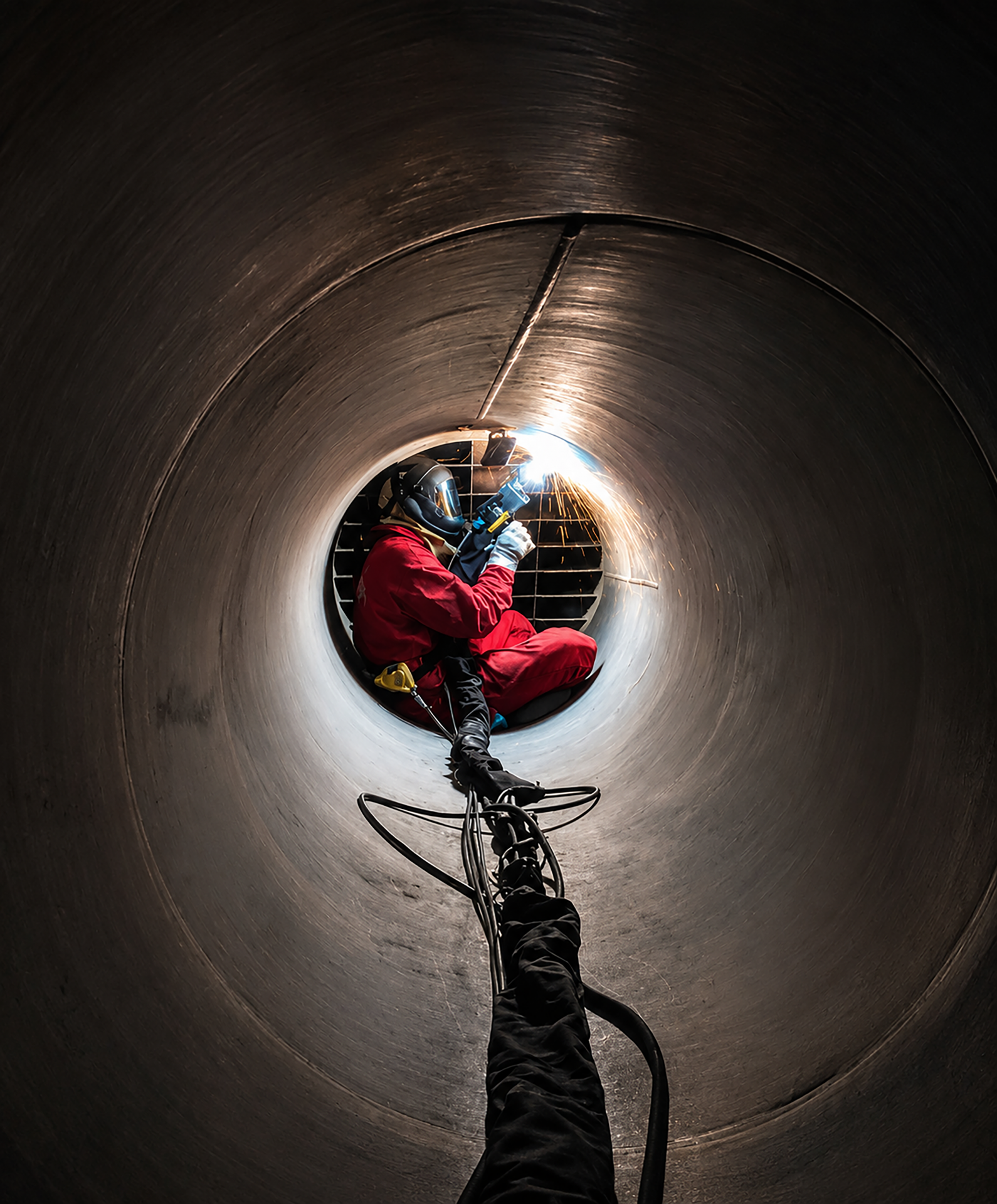
Cross-under piping protected with HVTS
Historically, utilities have addressed these issues through weld overlay or complete component replacement. Both remain proven engineering solutions, but they also present challenges. Weld overlay introduces heat into the base material, creating heat-affected zones that may require additional inspection or post-weld heat treatment. Component replacement often requires significant capital investment, lengthy outage schedules and increased worker exposure in radiation-controlled areas.
As outage windows become tighter and life-extension programs expand, utilities are increasingly evaluating alternatives that preserve existing infrastructure rather than replace it.
A proven approach is High Velocity Thermal Spray (HVTS®), a cold-applied metallic cladding technology that protects susceptible carbon steel surfaces without introducing thermal distortion or heat-affected zones. The process applies engineered alloys at supersonic velocity, creating a dense corrosion-resistant barrier while preserving the integrity of the underlying substrate. Because no welding is involved, the technology can support ALARA principles by reducing installation time and limiting worker exposure during planned outages.
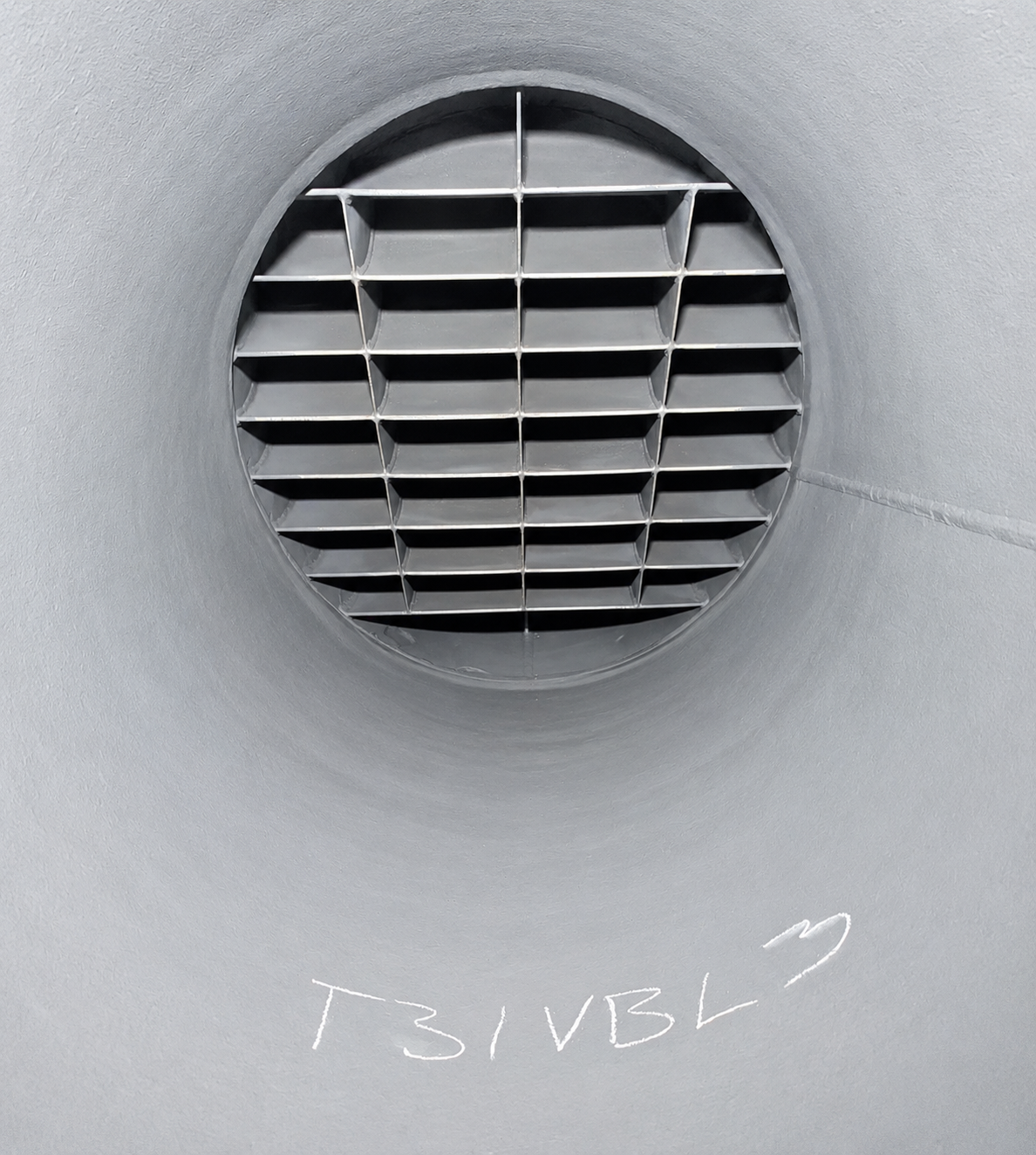
Inspection photo from 2024 shows the HVTS cladding applied in 2020 in excellent condition
The value of this approach can be seen at one such nuclear power plant. As part of its long-term operation strategy, the plant evaluated cross-under piping that had been in service since 1978 and had experienced FAC and erosion in high-velocity steam regions. Rather than replacing the piping, engineers combined detailed inspection, engineering assessment and phased HVTS application targeted at the areas most susceptible to degradation. The work was completed over multiple planned outages without adding outage days, allowing approximately 8,000 square feet of cross-under piping per unit to be protected while maintaining the plant’s operating schedule.
Equally significant were the inspection results. Follow-up examinations in 2024 found that areas first treated in 2009 remained in excellent condition after approximately 15 years of operation, while sections clad in 2020 showed no significant evidence of continued FAC or erosion. These findings provided confidence that targeted surface engineering could support long-term asset management while avoiding major replacement projects.
For utilities pursuing long-term operation, corrosion management is increasingly shifting from reactive repair toward strategic asset preservation. Technologies that extend component life, fit within existing outage schedules, and reduce radiation exposure can help operators maintain reliability while preserving capital for future investments. As the U.S. nuclear fleet continues to age, solutions that delay replacement without compromising safety are likely to become an increasingly valuable part of the industry’s asset integrity toolkit.
For more information about protecting nuclear assets, visit www.integratedglobal.com, or contact info@integratedglobal.com.